Tokyo: A City of Contrasts and Harmony

Tokyo, the bustling capital of Japan, is a city that encapsulates a remarkable blend of tradition and modernity. With its towering skyscrapers, vibrant neon lights, and serene temples, Tokyo offers a unique experience that captivates millions of visitors each year. Today will explore the multifaceted nature of Tokyo, focusing on its cultural heritage, technological advancements, and the intricate relationship between the past and present.

One of the most striking aspects of Tokyo is its cultural heritage, which is deeply embedded in the fabric of the city. Historical sites such as the Senso-ji Temple in Asakusa provide a glimpse into Japan's rich past. This temple, dedicated to the Buddhist goddess Kannon, is one of the oldest in the country and attracts visitors from around the world. Surrounding the temple, the Nakamise shopping street is lined with traditional snack stalls and souvenir shops, allowing tourists to immerse themselves in the local culture. Events such as the Sanja Matsuri Festival further showcase Tokyo's dedication to preserving its traditions, where locals celebrate with lively parades and traditional performances.

In contrast to these historical sites, Tokyo is also a hub of technological innovation and modern architecture. The skyline is dominated by structures like the Tokyo Skytree, the tallest tower in Japan, which stands at an impressive 634 meters. This marvel of engineering not only serves as a broadcasting tower but also offers breathtaking panoramic views of the city. Additionally, neighborhoods like Akihabara have become synonymous with otaku culture, showcasing the latest in electronics, anime, and gaming. Here, visitors can find everything from maid cafes to themed shops that cater to niche interests, highlighting Tokyo's status as a center for pop culture and technology.

The city's transportation system is another testament to its modernization. The Tokyo Metro and the JR East railway network are among the most efficient in the world, facilitating seamless travel across the sprawling metropolis. Trains are punctual, clean, and safe, making it easy for both residents and tourists to navigate the city’s vast expanse. This accessibility encourages exploration, allowing people to discover the diverse districts that make up Tokyo, each with its unique atmosphere and offerings.

Yet, amidst the frenetic pace of urban life, Tokyo manages to preserve pockets of tranquility. Parks such as Ueno Park and Shinjuku Gyoen provide serene spaces where individuals can escape the chaos. These green havens are especially popular during cherry blossom season when thousands gather to witness the spectacular bloom of sakura trees. This harmony between nature and urbanization exemplifies how Tokyo navigates the complexities of modern living while honoring its natural environment.

Moreover, the city is known for its culinary scene, which further reflects its dual identity. From Michelin-starred restaurants to humble street vendors, Tokyo’s food offerings are diverse and exceptional. Dishes like sushi, ramen, and tempura are not just meals but are experiences steeped in tradition and artistry. Food culture here illustrates a deep appreciation for craftsmanship, emphasizing the importance of seasonal ingredients and presentation.

Tokyo is a city of contrasts, where ancient traditions coalesce with contemporary advancements. Its ability to harmonize the old and the new makes it an intriguing destination for travelers seeking a comprehensive understanding of Japanese culture. Whether wandering through historic neighborhoods, savoring exquisite cuisine, or marveling at cutting-edge technology, one cannot help but be mesmerized by the vibrant spirit that defines Tokyo.

Rome: The Eternal City

Rome, often referred to as the "Eternal City," is a place that embodies both the splendor of ancient history and the vibrancy of modern life. Its rich cultural heritage, remarkable architecture, and profound influence on art, religion, and politics make it one of the most fascinating cities in the world.

Historical Significance

The history of Rome spans over two and a half millennia, stretching back to its legendary founding in 753 BC by Romulus. Over centuries, Rome transformed from a small village into the capital of a vast empire that at its zenith controlled much of the Mediterranean and parts of Europe, North Africa, and the Near East. The Roman Empire was pivotal in shaping the course of Western civilization, providing foundational contributions to governance, law, engineering, and architecture.

Key historical events, such as the establishment of the Roman Republic in 509 BC and the eventual rise of the empire under Augustus in 27 BC, marked significant shifts in political power. The collapse of the Western Roman Empire in AD 476 led to the Middle Ages; however, its cultural and political legacy endured. Today, many legal systems, languages, and government structures bear the marks of Roman influence, making the study of Rome crucial to understanding modern Western society.

Architectural Beauty

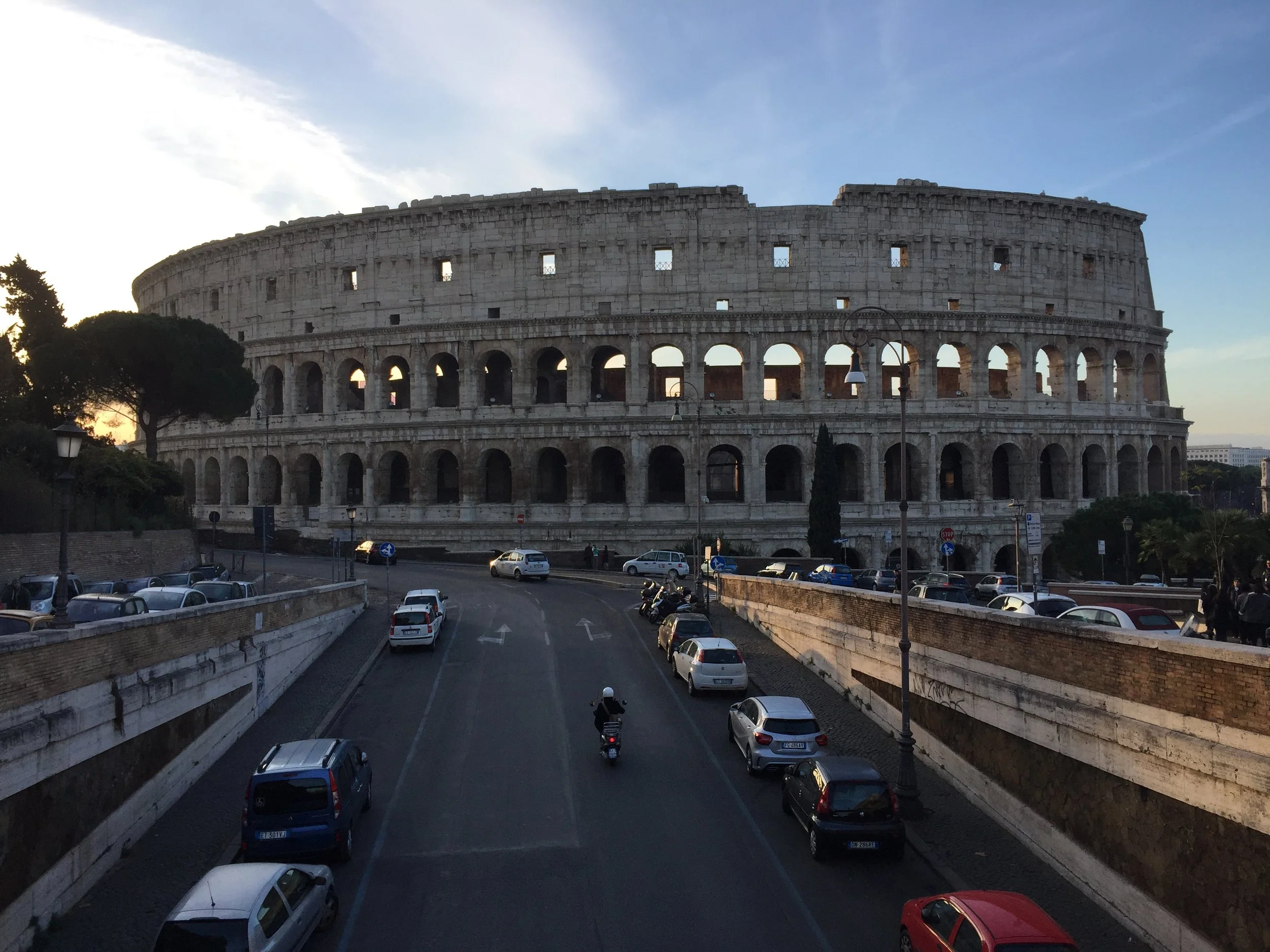
Rome is an open-air museum, showcasing an extraordinary blend of ancient and modern architecture. Iconic landmarks such as the Colosseum, the Pantheon, and St. Peter's Basilica are testaments to the city's architectural prowess. The Colosseum, once a grand arena for gladiatorial contests, symbolizes the grandeur of Rome’s imperial past. Its intricate design and engineering marvel continue to inspire awe, making it one of the most recognizable structures in the world.

The Pantheon, originally built as a temple to the gods, boasts a magnificent dome that remains the largest unsupported concrete dome in the world nearly two thousand years after its construction. Its harmonious proportions and stunning oculus serve as a reminder of the ingenuity of Roman engineering.

In contrast, St. Peter's Basilica represents the artistic achievements of the Renaissance. Designed primarily by Michelangelo, its monumental dome dominates the skyline and draws pilgrims and tourists alike to Vatican City. Each of these structures reflects the evolution of architectural styles while highlighting Rome's enduring influence on design.

Cultural Richness

Beyond its monuments and ruins, Rome is a vibrant cultural center. The city has nurtured innumerable artists, writers, and thinkers who have profoundly impacted cultural movements throughout history. The Vatican Museums house an incredible collection of art, including masterpieces by Michelangelo and Raphael, showcasing the intersection of faith and creativity.

The culinary scene in Rome is equally compelling, with traditional dishes such as pasta alla carbonara and Roman-style pizza offering a taste of the city's flavorful heritage. Local markets, like Campo de' Fiori, brim with fresh produce and artisanal goods, embodying the lively spirit of Roman life.

In addition to its historical and culinary offerings, Rome hosts numerous festivals and events that celebrate its culture, from the vibrant Carnevale to the solemn observances of Holy Week.

In essence, Rome is more than just a city; it is a living testament to the complexities of human achievement and creativity. Its historical depth, architectural brilliance, and rich cultural tapestry make it a unique destination that resonates with anyone willing to explore its streets. As the Eternal City, Rome continues to inspire awe, reminding us of our shared past while inviting us into a vibrant present.

John F. Kennedy Airport: A Gateway to the New World

John F. Kennedy Airport (JFK), located in Queens, New York, stands as one of the busiest and most significant airports in the United States. Named after the 35th president of the United States, John F. Kennedy, the airport serves as a vital gateway for international travelers and is an emblem of America's global connectivity.

Opened in 1948 as Idlewild Airport, JFK has undergone several transformations, reflecting the evolving landscape of aviation. The airport was renamed in December 1963, following the assassination of President Kennedy, symbolizing the nation’s tribute to his legacy. Today, JFK spans approximately 5,200 acres and features six passenger terminals, accommodating over 60 million travelers annually. Its strategic location facilitates travel not only within the United States but also across the globe, connecting New York City to over 100 international destinations.

One of the notable attributes of JFK Airport is its architectural diversity. Each terminal showcases different design philosophies, reflecting the various airlines that operate there. For instance, Terminal 1, managed by a consortium of international airlines, boasts an impressive modernist architecture designed by renowned figures. In contrast, Terminal 5, operated by JetBlue Airways, features an innovative design characterized by its striking glass facade that provides natural light and stunning views of the airfield.

The airport's significance is also mirrored in its economic impact. JFK contributes billions of dollars to the local economy and provides thousands of jobs, making it a key player in New York's overall economic landscape. Moreover, it supports various industries, including tourism and hospitality, emphasizing its role beyond mere transportation. Travelers flock to New York for its cultural richness, and JFK serves as the initial point of contact, often shaping their first impressions of the city.

In addition to its economic advantages, JFK Airport is continually striving to improve passenger experience. Recent upgrades have introduced state-of-the-art amenities, including enhanced security protocols, expanded shopping and dining options, and updated facilities to accommodate the increasing number of travelers. The introduction of advanced technologies, such as biometric screening and mobile check-ins, has further streamlined the travel process, ensuring efficiency and safety.

Environmental considerations are also a priority at JFK Airport. As part of its commitment to sustainability, the airport has embarked on various initiatives aimed at reducing its carbon footprint. This includes using electric vehicles for ground operations and implementing noise-reduction procedures to minimize the airport's impact on surrounding communities. Such efforts align with broader global directives advocating for environmentally friendly practices in aviation.

However, JFK is not without its challenges. The airport frequently grapples with congestion and delays, often exacerbated by weather conditions and heavy traffic. These issues highlight the need for ongoing infrastructure development and improvements in operational management to enhance efficiency and reduce wait times for passengers.

In conclusion, John F. Kennedy Airport is more than just a transit hub; it is a dynamic landmark that embodies the spirit of global connection and opportunity. As it continues to evolve and adapt to the needs of travelers and the environment, JFK remains an essential cornerstone of New York City and a vital artery of international travel. Its ability to navigate challenges while embracing innovation reflects both the complexity and the promise of modern aviation, ensuring it retains its status as a premier airport for years to come.

MICE: The Future of Corporate Events

The Significance of MICE in Modern Business

MICE, an acronym standing for Meetings, Incentives, Conferences, and Exhibitions, plays a crucial role in the landscape of modern business practices. This multifaceted approach not only serves to enhance direct communication and networking within industries but also acts as a catalyst for economic growth. As organizations increasingly focus on collaborations and partnerships, the importance of MICE continues to grow.

Meetings: The Backbone of Collaboration

Meetings are fundamental in fostering communication among stakeholders. In the realm of MICE, they serve various purposes, from strategic planning sessions to brainstorming ideas. Regularly scheduled meetings allow companies to track progress, assess challenges, and align their objectives. The interactive nature of face-to-face meetings aids in building trust and rapport among team members, promoting a culture of collaboration. Additionally, specialized meetings can cater to industry-specific discussions and innovations, further enriching the organizational knowledge base.

Incentives: Motivation for Performance

The “Incentives” aspect of MICE is pivotal in driving employee motivation and performance. Businesses use incentive programs to reward top performers, thereby creating a competitive yet collaborative environment. These incentives can range from bonuses and promotions to all-expenses-paid trips to exotic locations. Events designed specifically for motivation, such as retreats or recognition ceremonies, reinforce the value of teamwork and individual contributions. Not only do these initiatives boost morale, but they also lead to increased productivity and retention rates, making them a worthwhile investment for any organisation.

Conferences: Sharing Knowledge and Networking

Conferences are a significant segment of the MICE industry, offering platforms for professionals to share insights, explore emerging trends, and network. These gatherings can attract industry experts, thought leaders, and innovators, creating opportunities for participants to learn from one another. Workshops and panel discussions held during conferences facilitate deep dives into specific subjects, advancing collective knowledge. Furthermore, they provide avenues for attendees to establish professional relationships and even collaborate on future projects, making them invaluable for career growth.

Exhibitions: Displaying Innovation

Exhibitions represent the showcase of products, services, and innovations. These events allow companies to present their latest offerings directly to potential customers, partners, and industry peers. By participating in exhibitions, businesses can amplify their brand presence and engage with a broader audience. Additionally, exhibitions often feature competitions and awards that recognize creativity and excellence, encouraging continuous innovation within industries. This visibility can lead to new business opportunities and partnerships, contributing to overall economic growth.

The Economic Impact of MICE

Beyond individual organisations, the MICE sector has a profound economic impact. It stimulates local economies by attracting tourists, generating jobs, and promoting infrastructure development. Cities that host MICE events often experience increased hospitality business, including hotels, restaurants, and transportation services. This influx not only benefits local entrepreneurs but also elevates the city’s global profile, making it more attractive for future business investments.

In summary, MICE is more than just a collection of meetings and events; it is a dynamic framework that enhances collaboration, motivation, and networking. Through its various components, MICE contributes significantly to personal and organizational growth while positively impacting the economy. As the business landscape evolves, embracing MICE will be essential for companies aiming to thrive in an increasingly interconnected world. Whether through strategic meetings or large-scale exhibitions, the significance of MICE will undoubtedly continue to flourish in the years ahead.