Québec: La Belle Province

Québec City, the capital of the province of Québec in Canada, is a vibrant blend of history, culture, and stunning natural beauty. Founded in 1608 by Samuel de Champlain, it stands as one of the oldest cities in North America. Its rich heritage is beautifully preserved within its well-maintained architecture and charming streets, making it a captivating destination for visitors from around the globe.
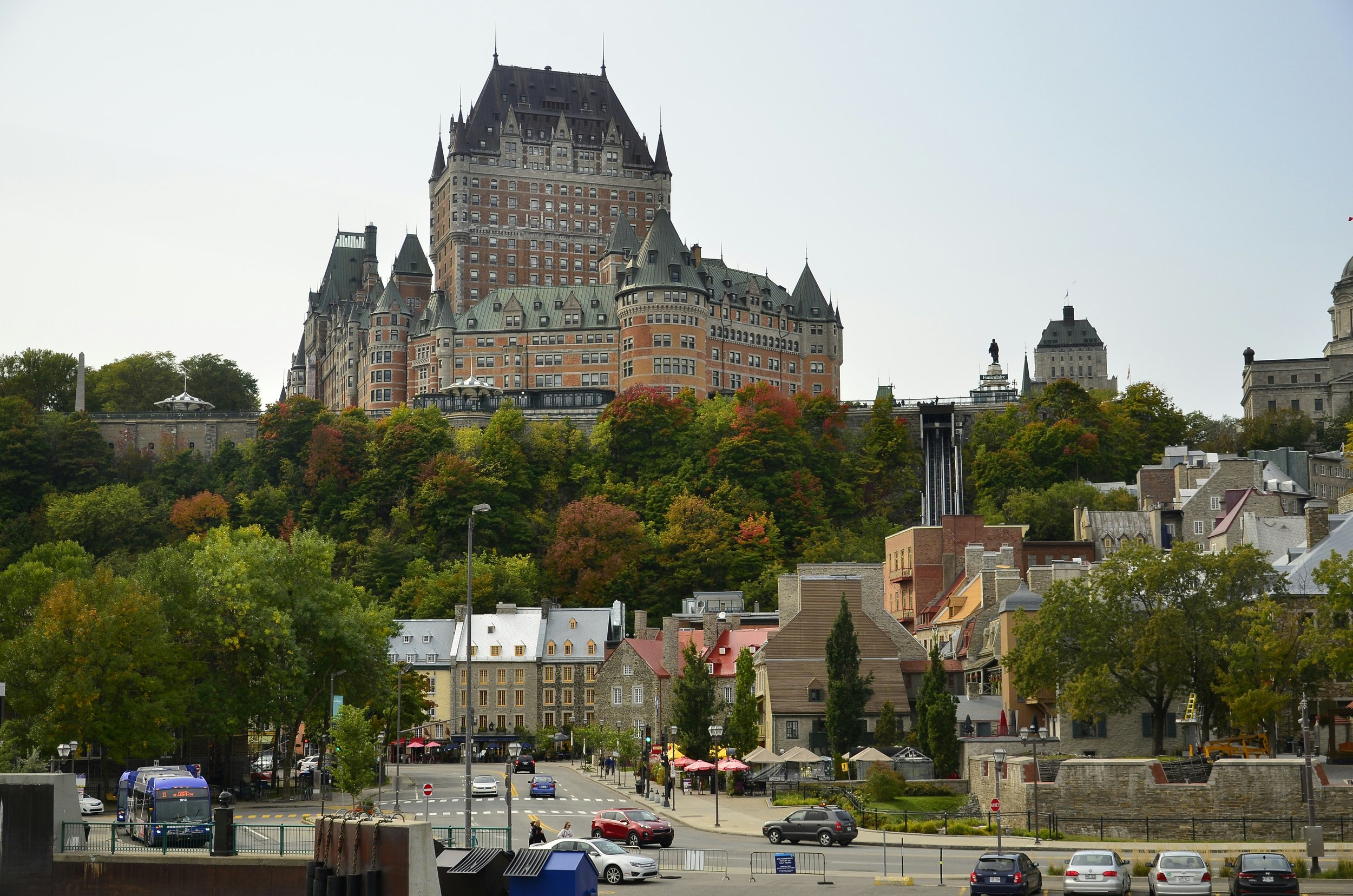
Québec City by Joy Real

The heart of Québec City is Old Québec, a UNESCO World Heritage site that boasts the only fortified city walls in North America. Walking through the cobblestone streets of this historic district is like stepping back in time. The stunning Château Frontenac, which dominates the skyline, serves as an iconic symbol of the city. This grand hotel, built in the late 19th century, offers breathtaking views of the St. Lawrence River and is a testament to the city's architectural grandeur. Visitors can enjoy afternoon tea in its luxurious lobby or simply admire its majestic presence from various vantage points throughout the city.

As you wander through Old Québec, the sights and sounds draw you into a world where French and English cultures merge seamlessly. Street performers entertain crowds, while cafés and bistros offer delectable cuisine, including traditional Québécois dishes such as poutine and tourtière. The lively Place Royale, where the first church in North America was built, is surrounded by quaint shops and galleries showcasing local artisans' work. The warm atmosphere and friendly locals invite exploration, making it easy to get lost in the charm of this historic area.

Old Québec by Macy Nguyen

Québec City is also home to numerous festivals throughout the year. One of the most notable is the Winter Carnival, one of the largest in the world. Each winter, the city transforms into a snowy wonderland filled with ice sculptures, parades, and activities that celebrate the spirit of winter. Visitors can sample maple taffy on snow, take part in outdoor sports, and witness the stunning Bonhomme Carnaval, the official mascot of the festival. In summer, the city blossoms with life, hosting the Québec Summer Festival, which features a diverse lineup of musicians from various genres, attracting thousands of music lovers.

Beyond the historical and cultural allure, nature enthusiasts will also find much to appreciate in Québec City. The nearby Montmorency Falls, which rise 83 meters, are a spectacular sight, best viewed from the suspension bridge that spans the falls. A short drive from the city will lead you to the Île d'Orléans, known for its picturesque landscapes and agricultural abundance. Here, visitors can explore vineyards, apple orchards, and charming rural villages, offering a peaceful retreat from the urban bustle.

Québec City is a remarkable destination that expertly intertwines its rich historical roots with vibrant contemporary culture. Whether you are exploring the historic streets of Old Québec, indulging in local cuisine, enjoying world-class festivals, or taking in the breathtaking natural beauty surrounding the city, it promises a memorable experience for all. With its unique charm and warmth, Québec City beckons travelers to discover its stories and embrace its welcoming spirit. It's a place where history and modernity meet, creating a tapestry of experiences that truly encapsulate the essence of Canadian culture.

Kyoto, the ancient capital of Japan

Kyoto, the ancient capital of Japan, is a city steeped in rich history, stunning natural beauty, and profound cultural significance. Located in the Kansai region, it served as the imperial capital for more than a millennium, from 794 until 1868, when the government was relocated to Tokyo. This profound legacy is evident in Kyoto's architecture, traditions, and the lives of its residents, making it a mesmerizing destination for travelers.

One of the most striking features of Kyoto is its abundance of historic sites. The city is home to 17 UNESCO World Heritage Sites, including the iconic Kinkaku-ji, or the Golden Pavilion. This Zen Buddhist temple, adorned with gold leaf, beautifully reflects in the surrounding pond, creating a picturesque scene that changes with the seasons. In spring, cherry blossoms frame the temple, while autumn brings vibrant hues of red and gold from the maple trees. Similarly, the Fushimi Inari Taisha shrine, famous for its thousands of vermilion torii gates, offers visitors a captivating experience as they hike up the sacred Mount Inari, immersed in an ethereal atmosphere created by the soaring gates.

Beyond its temples and shrines, Kyoto boasts traditional neighborhoods that showcase the city’s heritage. Gion, for instance, is renowned for its well-preserved wooden machiya houses and geisha culture. Walking through its narrow streets, visitors may catch a glimpse of maiko (apprentice geisha) gracefully moving towards their appointments, dressed in exquisite kimonos and elaborate hairstyles. This enchanting area also offers a variety of tea houses, where one can savor matcha (green tea) while enjoying the serene environment.

Another facet of Kyoto's charm is its seasonal festivals, which bring the city’s historical traditions to life. The Gion Matsuri, held in July, is one of the most famous festivals in Japan, featuring ornate floats that parade through the streets, accompanied by music and colorful costumes. The festival celebrates the city's history and culture, drawing both locals and tourists alike into a vibrant display of community spirit and artistic expression.

For those who appreciate nature, Kyoto is surrounded by breathtaking landscapes. The Arashiyama district, situated on the outskirts of the city, is particularly popular for its scenic beauty. The iconic Bamboo Grove, where towering green stalks sway gently in the breeze, provides a tranquil escape from the bustling city. Visitors can also stroll along the Hozu River, enjoying a picturesque boat ride or a leisurely walk enveloped by the vibrant foliage, especially during the cherry blossom and autumn seasons.

Culinary exploration is another essential aspect of experiencing Kyoto. The city is famous for its kaiseki dining, a traditional multi-course meal that emphasizes seasonal ingredients and meticulous presentation. Visitors can indulge in this artful cuisine, often enjoyed in traditional ryokan (inns), immersing themselves in the elegant ambiance of Japanese culture.

Kyoto is a city that effortlessly bridges the past and present, where ancient traditions coexist harmoniously with modern life. Its remarkable temples, historic districts, lively festivals, stunning natural settings, and delectable cuisine create a unique tapestry that captivates the heart of all who visit. Whether wandering through the peaceful gardens of a Zen temple or savoring the delicate flavors of kaiseki, Kyoto offers a profound connection to Japan's rich cultural heritage, making it a must-visit destination for anyone seeking to explore the essence of this extraordinary country.

Great National Parks III: Uluṟu-Kata Tjuṯa

Uluṟu-Kata Tjuṯa National Park, located in the heart of Australia’s Northern Territory, is a site of immense cultural significance and breathtaking natural beauty. Covering over 1,300 square kilometers, this national park is home to two of the country’s most iconic landmarks: Uluṟu (also known as Ayers Rock) and Kata Tjuṯa (the Olgas). Both formations are not only striking geological features but also sacred sites for the Anangu people, the traditional custodians of the land.

Uluṟu, a massive sandstone monolith, rises majestically from the surrounding desert landscape. Its changing colors at sunrise and sunset have captivated visitors from around the world, creating an awe-inspiring spectacle that reflects the deep connection between the land and its indigenous inhabitants. The rock is believed to be over 600 million years old and stands at 348 meters tall, making it a prominent feature of Australia’s topography.

Kata Tjuṯa, meaning "many heads" in the local Pitjantjatjara language, consists of 36 dome-shaped rock formations. These are slightly less famous than Uluṟu but are equally important in terms of cultural significance and natural beauty. The rugged landscapes of Kata Tjuṯa provide a picturesque backdrop for hikers and adventurers alike, with numerous trails offering stunning views and an opportunity to explore the unique flora and fauna of the region.

The indigenous Anangu people hold profound spiritual beliefs associated with these landmarks. For them, Uluṟu and Kata Tjuṯa are not just physical entities; they embody stories and teachings that have been passed down through generations. The Tjukurpa, or Dreamtime, represents the foundational narratives of the Anangu culture, linking them to their ancestors and the land itself. This rich tapestry of beliefs highlights the importance of respecting and understanding the cultural heritage that permeates Uluṟu-Kata Tjuṯa National Park.

Visitors to the national park can engage in various activities that enhance their appreciation of both the natural environment and the cultural heritage. Guided tours led by Anangu guides provide insights into traditional customs, bush tucker (native foods), and the ecological significance of the area. Cultural centers, such as the Uluṟu-Kata Tjuṯa Cultural Centre, offer interactive displays and exhibitions, allowing visitors to learn about the local customs, art, and history of the Anangu people.

Conservation efforts within Uluṟu-Kata Tjuṯa National Park emphasize the importance of preserving the unique ecosystems and cultural landscapes found in the region. This includes protecting endangered species and maintaining the environmental integrity of the area amidst increasing tourist activity. Through collaboration with the Anangu community, the national park strives to ensure that its management practices honor traditional land stewardship while providing educational experiences for visitors.

Uluṟu-Kata Tjuṯa National Park stands as a testament to the rich cultural heritage and natural wonders of Australia. It provides a unique opportunity for visitors to connect with the land and understand the profound significance it holds for the Anangu people. As travelers come to witness the striking beauty of Uluṟu and Kata Tjuṯa, they are also invited to respect and acknowledge the stories and traditions that have shaped this remarkable landscape for thousands of years. The park not only showcases Australia’s natural splendor but also serves as a vital link to the nation’s indigenous heritage, underscoring the importance of cultural respect and environmental stewardship in preserving these iconic symbols for future generations.

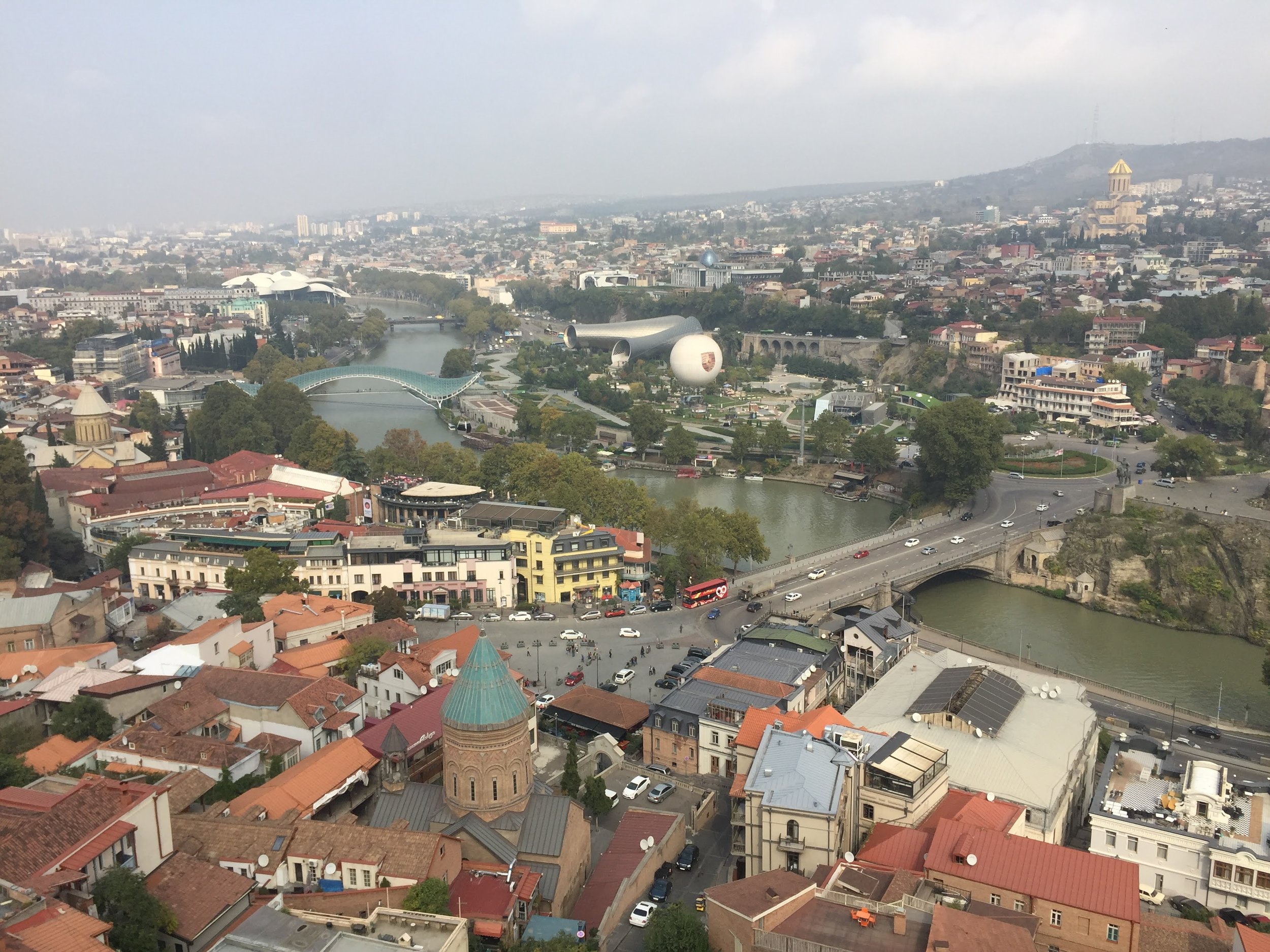
Tblisi: The Hidden Gem of The Caucasus

Tbilisi, the vibrant capital of Georgia, is a city that beautifully intertwines history, culture, and modernity. Nestled in the heart of the Caucasus region, it boasts a rich tapestry of architectural styles, breathtaking landscapes, and an ever-evolving society that welcomes both tourists and locals alike. As one explores its charming streets, the essence of Tbilisi unfolds through its diverse neighborhoods, each telling a unique story.

The Old Town, or “Dzveli Tbilisi,” is the beating heart of the city, characterized by narrow, winding alleys lined with colorful wooden balconies. This area serves as a profound reminder of the city’s storied past, influenced by various cultures including Persian, Ottoman, and Soviet. Notable landmarks such as the Narikala Fortress, which dates back to the 4th century, stand tall above the city, offering panoramic views of Tbilisi and the Kura River. A cable car ride to the fortress provides a thrilling experience, showcasing the city’s striking contrasts: ancient structures interspersed with modern developments.

Another gem of Tbilisi’s landscape is the sulfur baths located in the Abanotubani district. These historic baths, with their distinctive domes, have been a part of Tbilisi’s culture for centuries. The therapeutic properties of the mineral-rich waters make them a sought-after destination for relaxation. Visitors can immerse themselves in a traditional bath experience, often accompanied by a massage, while absorbing the local customs and warmth of Georgian hospitality.

As one delves deeper into Tbilisi, the influence of art and culture becomes apparent. The city is alive with galleries, theaters, and street art that reflect contemporary issues and celebrate Georgia’s heritage. The Georgian National Museum houses an impressive collection of artifacts that chronicle the nation's history, from ancient archaeological finds to modern art pieces. Meanwhile, the opera and ballet theater stands as a testament to Tbilisi’s rich artistic traditions, often hosting world-class performances.

Culinary experiences in Tbilisi are not to be overlooked. Georgian cuisine is a delightful blend of flavors that has gained international recognition. Traditional dishes such as khinkali (dumplings) and khachapuri (cheese-filled bread) are must-tries for anyone visiting the city. The bustling markets offer fresh produce, spices, and homemade goods, reflecting the region's agricultural bounty. Pairing these dishes with a glass of local wine, known as one of the oldest in the world, enhances the dining experience and showcases the country’s deep-rooted viticulture.

The modern side of Tbilisi is equally compelling, characterized by innovative architecture and dynamic nightlife. The Bridge of Peace, a pedestrian bridge made of glass and steel, connects the Old Town to the new district of Rike Park, symbolizing the blend of tradition and modernity that defines the city. As day turns to night, the lively streets come alive with bars, clubs, and live music venues that cater to diverse tastes, making Tbilisi a hub for social interaction and entertainment.

Tbilisi is a city that invites exploration and discovery. Its charming streets, historical sites, and rich cultural offerings create an unforgettable experience for visitors. Whether wandering through the cobblestone lanes of the Old Town, soaking in the sulfur baths, or enjoying the culinary delights, Tbilisi captures the heart of all who visit. The harmonious coexistence of history and modernity ensures that this Georgian capital remains a captivating destination for travelers from around the world.

Myanmar's Temple City

Bagan, an ancient city located in the Mandalay Region of Myanmar, is a breathtaking testament to the power of cultural heritage and architectural marvels. As one of Southeast Asia's most significant archaeological sites, Bagan is famous for its stunning landscape dotted with thousands of temples, stupas, and pagodas, many of which date back to the 11th and 12th centuries. This remarkable destination offers visitors a glimpse into Myanmar's rich history, spirituality, and artistry.

The historical significance of Bagan is immense. It served as the capital of the Pagan Kingdom from the 9th to the 13th centuries and witnessed a golden age of Buddhist architecture and monastic development. During this time, over 10,000 religious structures were constructed, of which around 2,200 remain today. The sheer scale and diversity of these monuments reflect the religious fervor and artistic innovation of the era. Temples like Ananda Temple, with its striking golden stupa, and Thatbyinnyu Temple, the tallest in Bagan, showcase exquisite craftsmanship and intricate murals that depict tales from the Jataka stories and other Buddhist teachings.

Exploring Bagan is akin to stepping back in time. Visitors can traverse the expansive plain either on foot, by bicycle, or aboard hot air balloons. Cycling through the dusty paths between the temples offers a unique perspective, allowing one to appreciate the serene beauty of the landscape while connecting with the local culture. The tranquil ambiance, punctuated only by the distant sound of Buddhist chants, fosters a deep sense of peace, making it a spiritual haven for many.

Sunrise and sunset are particularly magical times in Bagan. The early morning light casts a warm glow over the temples, transforming the landscape into a dreamlike scene. Hot air balloon rides during these hours provide an awe-inspiring view of the pagodas silhouetted against the vibrant sky, an experience that is simply unforgettable. This connection with nature and history creates a profound appreciation for the artistry of the ancient builders and the spiritual dedication of the region.

Local culture plays an important role in the experience of visiting Bagan. The people of Bagan are known for their warm hospitality and tradition of preserving their heritage. Visitors have the opportunity to engage with artisans who create traditional lacquerware, a prominent craft in the region. Many temples also serve as active centers for religious practice, where monks can be seen engaging in meditation and rituals, providing insights into the living faith of the community.

Moreover, the preservation efforts in Bagan are pivotal in maintaining this UNESCO World Heritage Site. After the devastating earthquake in 2016, restoration initiatives have become crucial in ensuring the longevity of the temples. These efforts highlight the importance of safeguarding cultural heritage for future generations, while also contributing to the local economy through increased tourism.

Bagan is more than just an archaeological site; it is a captivating blend of history, spirituality, and natural beauty. With its ancient temples, vibrant local culture, and breathtaking landscapes, Bagan invites travelers to immerse themselves in a world that is both timeless and deeply enriching. Whether standing in awe before the monumental structures, witnessing the sunrise over the plains, or engaging with the local traditions, a visit to Bagan is sure to leave an indelible mark on the heart and spirit of every traveler.

Stockholm: Sweden's Cool Capital

Nestled on the eastern coast of Sweden, Stockholm is a city that harmoniously blends history with modernity, nature with urban life. Spanning across 14 islands connected by over 50 bridges, the capital of Sweden offers a unique landscape characterized by stunning waterfronts, green parks, and a rich tapestry of culture and history. Exploring Stockholm is not just a journey through space; it is a delightful experience that engages all the senses.

One of the most iconic features of Stockholm is its Old Town, or Gamla Stan. Walking through its cobbled streets feels like stepping back in time to the medieval era. The vibrant, colorful buildings, many dating back to the 13th century, house quaint shops, cafes, and museums. Highlights include the Royal Palace, one of the largest in Europe, where visitors can witness the changing of the guard ceremony and explore the royal apartments filled with historical artifacts. The Stockholm Cathedral, with its striking architecture and beautiful altarpiece, is also located here, making Gamla Stan a must-visit for any traveler.

As we transition from the past to the present, Stockholm embraces modernity with its cutting-edge architecture and innovative design. The district of Södermalm is known for its bohemian vibe, where trendy boutiques, vintage stores, and hip cafes line the streets. Here, visitors can enjoy a coffee at one of the many outdoor terraces while soaking up the lively atmosphere. The area also boasts breathtaking views of the city from Monteliusvagen, a scenic walking path that hugs the cliffs above the water.

Nature plays an essential role in Stockholm's charm. Despite being a bustling metropolis, the city is home to numerous green spaces and parks. Djurgården, an island park, is a favorite among locals and tourists alike. It serves as a recreational paradise, offering opportunities for picnics, cycling, and leisurely walks. In summer, the lush greenery becomes the perfect backdrop for visitors to enjoy cultural attractions such as the Vasa Museum, which houses the remarkably preserved 17th-century warship, and Skansen, an open-air museum showcasing Swedish history and traditional lifestyles.

Stockholm’s maritime heritage is also an integral part of its identity. The archipelago, consisting of approximately 30,000 islands, is easily accessible via ferry services. A day trip to the archipelago allows visitors to experience Sweden's natural beauty firsthand, with opportunities for swimming, kayaking, and exploring charming villages. Each island has its unique character, offering a peaceful escape from the hustle and bustle of the city.

The culinary scene in Stockholm is vibrant and diverse, reflecting both traditional Swedish cuisine and international influences. Visitors should not miss indulging in classic Swedish dishes such as meatballs served with lingonberry sauce and gravlax, thinly sliced cured salmon. As Stockholm continues to gain recognition for its gastronomic excellence, a plethora of Michelin-starred restaurants offer unforgettable dining experiences.

Stockholm is a city that captures the heart of every traveler. With its rich history, stunning architecture, lush green spaces, and thriving cultural scene, there is something for everyone to discover. Whether wandering through the historic streets of Gamla Stan, enjoying the natural beauty of Djurgården, or savoring the flavors of Swedish cuisine, exploring Stockholm provides a captivating experience that lingers long after your visit. This city is a testament to the seamless blend of the past and present, making it a truly enchanting destination.

Great National Parks II: Galápagos Islands

The Galápagos Islands, an archipelago located in the Pacific Ocean, are renowned for their unique biodiversity and significant role in the studies of evolution. Situated about 600 miles off the coast of Ecuador, these islands comprise 18 main islands, numerous smaller islets, and a diverse marine reserve. They are often referred to as a living laboratory of evolution, a title earned through the vast array of unique flora and fauna found nowhere else on Earth.

Firstly, the geographic isolation of the Galápagos Islands has resulted in an evolutionary phenomenon unique to the region. This isolation led to the development of various species that adapted specifically to the harsh conditions and surroundings of the islands. Notably, Charles Darwin’s expedition in 1835 played a pivotal role in advancing our understanding of natural selection, as he observed the finches on the islands. Different species of these birds evolved distinct beaks suited for their specific diets, illustrating adaptive radiation—a process where organisms diversify rapidly from an ancestral species.

In addition to the famous finches, the Galápagos Islands are home to an astounding variety of wildlife, including marine iguanas, giant tortoises, and blue-footed boobies. The Galápagos giant tortoise, which can weigh over 500 pounds, is particularly iconic. Once on the brink of extinction due to hunting and habitat destruction, conservation efforts have gradually helped restore its population. Today, the islands boast several tortoise breeding centers where efforts continue to preserve these magnificent creatures and educate visitors on their importance.

Another remarkable feature of the Galápagos is its rich marine ecosystem. The surrounding waters are teeming with life, including sea lions, dolphins, and an impressive array of fish species. The Galápagos Marine Reserve, established in 1998, protects these vital habitats and promotes sustainable fishing practices. Snorkeling and diving enthusiasts flock to the islands to explore vibrant coral reefs, where they can swim alongside colorful marine life, including the elusive hammerhead shark and the playful sea lion.

Tourism plays a crucial role in the economy of the Galápagos Islands, contributing to both conservation initiatives and local livelihoods. However, it also poses challenges, such as environmental degradation and the introduction of invasive species. To mitigate these issues, strict regulations govern visitor access to the islands, ensuring that tourism remains sustainable and that the delicate ecosystems are preserved for future generations. National Park rangers work tirelessly to monitor activities and educate visitors about the importance of protecting this unique environment.

Exploring the Galápagos Islands offers travelers an opportunity to witness the wonders of nature firsthand. From breathtaking volcanic landscapes to pristine beaches and lush highlands, each island presents a different aspect of its diverse ecosystem. Visitors can embark on guided tours, hike trails, or take boat trips to appreciate the breathtaking beauty and learn about the intricate balance of life that exists here.

The Galápagos Islands represent a pinnacle of natural beauty and ecological significance. Their unique species and habitats provide invaluable insights into evolutionary biology while underscoring the importance of conservation. As we explore these enchanting islands, it becomes clear that they are not just a destination; they are a reminder of the delicate interconnections that sustain life on our planet. Respecting and protecting the Galápagos is vital, not only for the islands themselves but for the health of global biodiversity.

The Christmas Markets of Hamburg

Hamburg, the vibrant port city in northern Germany, transforms into a winter wonderland during the Christmas season. With its charming architecture adorned with festive lights and the scent of roasted chestnuts lingering in the air, the city offers a magical experience for both locals and visitors. The Christmas markets in Hamburg, renowned for their unique atmosphere and variety of offerings, serve as a focal point for holiday celebrations, capturing the spirit of the season.

One of the most famous Christmas markets in Hamburg is located in the historic Rathausmarkt, the square in front of the impressive City Hall. This market is a feast for the senses, with beautifully decorated wooden stalls selling an array of Christmas goods. Visitors can find handcrafted ornaments, intricately designed gifts, and festive decorations that reflect the local culture. The intoxicating aroma of Glühwein, a traditional spiced mulled wine, fills the air, inviting guests to warm up with a steaming cup while they stroll through the crowds. Accompanying the drink are delicious treats such as lebkuchen (gingerbread) and bratwurst, which enhance the festive atmosphere.

Another popular spot is the Fleetinsel Christmas market, set along the picturesque canals of Hamburg. This market presents a more intimate setting, with illuminated trees lining the waterway and stalls offering artisanal crafts and gourmet food. The tranquil surroundings create a romantic ambiance, making it a favored destination for couples. Here, visitors can enjoy local specialties, like smoked salmon or freshly baked stollen, while taking in the beautiful views of the city’s historical buildings reflecting on the water.

For families, the Winterwald (Winter Forest) market at the Jungfernstieg is a must-see. This enchanting market features an array of activities for children, including carousel rides and puppet shows, making it a joyful space for young visitors. The market’s cozy atmosphere, complete with twinkling lights and a backdrop of the Alster lake, has a fairytale charm that captivates people of all ages. The stalls here offer a variety of handmade toys and festive snacks, creating an exciting exploration for children and adults alike.

Beyond the shopping and culinary delights, the Christmas markets in Hamburg also showcase cultural performances. Live music, choirs, and theatrical presentations can be found throughout the markets, enriching the experience with sounds that resonate with the holiday spirit. These performances often draw on traditional German Christmas songs, allowing visitors to immerse themselves fully in the festive atmosphere.

The significance of these markets goes beyond mere commerce; they foster a sense of community and togetherness. Friends and families gather at these lively spots to celebrate, share laughter, and create cherished memories. In a world where digital interactions often take precedence, the warmth and connection found at these markets remind everyone of the importance of human interaction, especially during the holiday season.

Hamburg's Christmas markets are a reflection of the city's rich history, culture, and communal spirit. Each market, from the bustling Rathausmarkt to the serene Fleetinsel, offers a unique experience filled with delightful sights, sounds, and tastes of the season. As locals and tourists alike come together in celebration, the magic of Christmas envelops Hamburg, making it an unforgettable destination during this joyous time of year. The city's markets not only highlight the festive cheer but also embody the true spirit of Christmas—togetherness, joy, and celebration of traditions.

Salar de Uyuni

Salar de Uyuni, the world's largest salt flat, is an extraordinary natural wonder located in southwest Bolivia. Stretching over 10,000 square kilometers, this unique landscape captivates visitors with its stark beauty and surreal scenery. Formed from the evaporation of ancient prehistoric lakes, Salar de Uyuni not only serves as a breathtaking destination but also as a crucial resource for lithium extraction, which has gained significant attention in recent years due to the rising demand for batteries.

The first impression one gets upon arriving at Salar de Uyuni is its vastness. The land appears to stretch into infinity, creating an illusion of a boundless white canvas where the sky meets the earth. Depending on the season, the salt flat presents different faces. During the rainy season, typically from November to March, a thin layer of water transforms the salt crust into a giant mirror, reflecting clouds and the dazzling blue sky above. This phenomenon creates an otherworldly atmosphere that enchants photographers and travelers alike. The striking contrasts of colors—brilliant whites, vivid blues, and soft hues of sunset—provide endless opportunities for stunning photography.

In contrast, during the dry season, the salt flats reveal their crusty surface, characterized by intricate hexagonal patterns formed by the evaporation of saline water. These formations create a unique aesthetic that highlights the geological wonders of the region. Visitors can explore the area in various ways, from taking guided tours in modified 4x4 vehicles to trekking across the expansive flatland. One popular activity is visiting Incahuasi Island, a rocky outcrop that rises dramatically from the salt flat, adorned with giant cacti and offering panoramic views of the surrounding landscape.

Aside from its striking visuals, Salar de Uyuni holds significant economic importance for Bolivia. Beneath its crust lies a substantial reserve of lithium, a vital component for rechargeable batteries used in electric cars and various electronic devices. The global shift towards renewable energy and electric vehicles has increased interest in lithium extraction, placing Bolivia in a strategic position in the green technology market. However, this potential for economic growth raises concerns about environmental impact and sustainable practices. As exploration intensifies, it becomes essential to balance resource extraction with ecological preservation to protect the unique ecosystem of the salt flats.

Culturally, Salar de Uyuni is rich with indigenous history and significance. The surrounding areas, inhabited by the Aymara and Quechua peoples, maintain a deep connection to the land. Local communities engage in traditional practices and rituals, celebrating their heritage while also adapting to modern tourism. Tourists can experience this cultural richness through food, music, and local craftsmanship, fostering an appreciation for the people who call this breathtaking landscape home.

Salar de Uyuni is more than just a stunning visual spectacle; it embodies the interplay between nature, culture, and economic potential. Its expansive salt flat, dramatic scenery, and rich cultural heritage make it a must-visit destination for those seeking to experience one of the world’s most remarkable natural wonders. As both a tourist attraction and a vital resource, the future of Salar de Uyuni hinges on responsible management and sustainability, ensuring that this breathtaking landscape remains intact for generations to come.

Hokkaido wa Dekkaido

Nestled at the northernmost tip of Japan’s main islands, Hokkaido beckons travelers with its pristine landscapes, vibrant wildlife, and rich cultural heritage. Often overshadowed by its more famous counterpart, Honshu, Hokkaido stands out as an enchanting destination for those seeking natural beauty, outdoor adventures, and a glimpse into traditional Japanese life.

One of the defining features of Hokkaido is its breathtaking scenery. The island is home to an array of national parks, each offering unique vistas and recreational opportunities. Daisetsuzan National Park, the largest in Hokkaido, is renowned for its majestic mountains, including Asahi-dake, the highest peak in the region. Hiking trails weave through lush forests and alpine meadows, presenting hikers with panoramic views that change with the seasons. In the summer, wildflowers bloom profusely, while autumn transforms the landscape into a canvas of vibrant reds and yellows.

In winter, Hokkaido becomes a wonderland for snow enthusiasts. The region is celebrated for its world-class ski resorts, particularly in areas like Niseko and Furano. Niseko, famous for its powder snow, attracts skiers and snowboarders from around the globe. Beyond skiing, winter activities such as snowshoeing, ice fishing, and even soaking in hot springs create unforgettable experiences against the backdrop of snowy mountains.

Hokkaido is also a sanctuary for wildlife. The Shiretoko Peninsula, a UNESCO World Heritage Site, is one of the best places in Japan to observe brown bears in their natural habitat. Birdwatchers flock to the marshlands and wetlands, where migratory birds can be observed throughout the year. The diverse ecosystems of Hokkaido, from coastal areas to mountainous regions, contribute to its reputation as a haven for nature lovers.

Aside from its stunning landscapes, Hokkaido is steeped in cultural history. The indigenous Ainu people bring a unique cultural richness to the island. Visitors can explore Ainu villages and learn about their traditions, crafts, and rituals. Cultural experiences, such as traditional Ainu dance performances and craft workshops, provide an intimate insight into the lives of this resilient community.

Culinary enthusiasts will find delight in Hokkaido's gastronomy, which is heavily influenced by the island’s geography. Hokkaido is known for its fresh seafood, including crabs, sea urchins, and salmon, making it a paradise for food lovers. The region is also famous for dairy products; creamy cheeses and rich milks from local farms are sure to tantalize the palate. Seasonal specialties, such as melons in summer and seafood hot pots in winter, highlight the importance of local produce in Hokkaido's cuisine.

Hokkaido is a captivating destination that offers a blend of natural beauty, adventure, and cultural experiences. From the majestic mountains and abundant wildlife to the rich traditions of the Ainu people and mouthwatering cuisine, Hokkaido provides an array of experiences that cater to all types of travelers. Whether seeking outdoor adventures or cultural immersion, Hokkaido invites everyone to explore its wonders and create unforgettable memories in this northern paradise.

Great National Parks I: Bryce Canyon

Bryce Canyon National Park, located in southern Utah, is a mesmerizing landscape that captivates visitors with its unique geological features and stunning natural beauty. Renowned for its vibrant hoodoos—tall, thin spires of rock formed by erosion—the park presents a breathtaking spectacle that attracts photographers, hikers, and nature lovers from around the globe. Exploring Bryce Canyon reveals not only its striking formations but also its rich history and diverse ecosystems.

The park's distinctive topography results from millions of years of geological processes. The primary rock formation is limestone, deposited during the age of dinosaurs. Over time, the combined effects of frost-wedging, erosion, and weathering sculpted these rocks into the awe-inspiring hoodoos and other formations we see today. The most famous viewpoints, such as Sunrise Point and Sunset Point, offer panoramic vistas that showcase the vibrant red, orange, and white hues of the rock against a backdrop of deep blue skies, particularly at dawn and dusk.

One of the most rewarding ways to experience Bryce Canyon is through its extensive hiking trails. With options suitable for various skill levels, visitors can explore a range of environments, from dense forests to rugged canyon paths. The Rim Trail offers relatively easy walking with stunning views from the edge of the canyon, while more challenging routes, like the Queen’s Garden Trail, take hikers down into the canyon itself, where they can encounter the towering hoodoos up close. For those seeking a more adventurous experience, the Peek-a-boo Loop trail presents a more strenuous hike, allowing trekkers to delve deeper into the heart of the park.

Wildlife in Bryce Canyon is as diverse as its landscapes. The park is home to over 200 species of birds, including the peregrine falcon and the California condor, which has made a significant comeback due to conservation efforts. Mammals such as mule deer, coyotes, and various small mammals inhabit the park, often visible during quiet early morning or late evening excursions. Additionally, the park hosts a variety of plant life, with species adapted to the varying elevations and climates, ranging from pinyon pine forests to high desert scrub.

The best time to visit Bryce Canyon National Park varies with personal preference for weather and activities. Summer months are warm and inviting, perfect for hiking and camping; however, they also come with larger crowds. Spring and fall provide milder temperatures and stunning colors as vegetation changes, making these seasons ideal for photography and experiencing the tranquility of nature. Winter transforms the park into a quiet wonderland, where snow blankets the hoodoos, creating an entirely different, yet equally stunning, landscape.

In addition to its natural wonders, Bryce Canyon National Park harbors a wealth of cultural history. Indigenous peoples, including the Paiute tribe, lived in this area long before it became a protected park. Their stories and traditions add depth to the understanding of this land, reminding visitors of the enduring connection between nature and culture.

Exploring Bryce Canyon National Park offers an unforgettable experience that combines breathtaking scenery, diverse wildlife, and rich history. Whether hiking along a scenic trail, watching the sunrise illuminate the hoodoos, or simply soaking in the serene atmosphere, visitors leave with a profound appreciation for this extraordinary landscape. Bryce Canyon is not just a destination; it is a celebration of the natural world that inspires all who venture into its majestic expanses.

Zermatt: A Picturesque Gateway to the Alps

Nestled in the Swiss Alps, Zermatt is a charming village renowned for its stunning landscapes and traditional architecture. Surrounded by breathtaking mountain scenery, including the iconic Matterhorn, Zermatt attracts visitors from around the world seeking adventure, relaxation, and a taste of Swiss charm.

Zermatt by Gabriel Garcia Marengo

One of the most striking features of Zermatt is its location at the foot of the Matterhorn, a pyramid-shaped peak that has become a symbol of Switzerland. Towering at 4,478 meters (14,692 feet), the Matterhorn is not just a climber's dream; it also enchants hikers, photographers, and nature lovers with its majestic presence. The area surrounding Zermatt offers numerous trails that cater to all levels of ability, allowing visitors to immerse themselves in the serene beauty of the mountains and valleys.

A key aspect of Zermatt’s appeal is its car-free status. Visitors arrive via a scenic train journey from nearby towns, leaving their vehicles behind. This policy not only preserves the tranquility of the village but also enhances its old-world charm. Strolling through the narrow alleys lined with wooden chalets, one can appreciate the rich history and traditions of the region. Many buildings reflect Swiss architectural styles, with intricate carvings and flower-filled balconies that add to the picturesque scenery.

For those interested in outdoor activities, Zermatt is a paradise. In winter, the village transforms into a leading skiing destination, offering access to extensive slopes suitable for both beginners and advanced skiers. The network of lifts and gondolas connects Zermatt to the larger ski area of Cervinia in Italy, providing a vast playground for snow enthusiasts. Summer months unveil the lush green meadows, perfect for hiking, mountain biking, and climbing. The Gornergrat railway, which boasts spectacular panoramic views of the Alps, provides an unforgettable experience for visitors wanting to see the mountains without the strenuous hike.

Culturally, Zermatt boasts a variety of attractions that reflect its unique heritage. Local museums, such as the Matterhorn Museum, narrate the history of the village and its connection to mountaineering. Exhibits on the first ascent of the Matterhorn in 1865 highlight the heroic stories of the climbers and the challenges they faced. Traditional Swiss cuisine can be enjoyed in cozy restaurants throughout the village, where dishes like fondue, raclette, and rosti provide a hearty introduction to local gastronomy.

Zermatt represents more than just a travel destination; it is a harmonious blend of nature, culture, and sustainability. Its breathtaking views, extensive outdoor activities, and deep-rooted traditions create an enchanting atmosphere that captivates every visitor. Whether scaling peaks, indulging in delicious Swiss cuisine, or simply basking in the tranquility of the mountains, Zermatt offers an experience that lingers in the heart long after one departs.

Bariloche: Nature’s Masterpiece

Nestled in the foothills of the Andes and bordered by the stunning Lago Nahuel Huapi, San Carlos de Bariloche is a picturesque town in Argentina that offers some of the most breathtaking landscapes in South America. My recent trip to this enchanting destination was filled with awe-inspiring views, adventurous activities, and a rich cultural experience that remains etched in my memory.

Upon arriving in Bariloche, the first thing that struck me was the town's unique architecture. Influenced by Swiss design, the wooden chalets and stone buildings exuded warmth and charm. The air was crisp, and the townspeople were warm and welcoming, making me feel right at home. As I strolled through the main square, I was captivated by the vibrant market stalls selling artisanal crafts and delectable chocolates—a local specialty that I couldn't resist indulging in.

One of the highlights of my trip was taking a boat tour on Lago Nahuel Huapi. The water shimmered a bright turquoise under the sun, and as we glided across the lake, I marveled at the surrounding mountains draped in lush greenery. The stunning backdrop created an idyllic setting for photography, and I found myself constantly reaching for my camera to capture the beauty that enveloped me. The tour also included a visit to Isla Victoria, where we were able to explore the island’s natural beauty and learn about its diverse ecosystems.

For those seeking adventure, Bariloche is a premier destination for outdoor activities. I decided to embark on a hike up Cerro Campanario, a nearby mountain known for its panoramic views. The trail was well-marked and varied in difficulty, allowing hikers of all levels to enjoy the ascent. Upon reaching the summit, I was greeted with a view that took my breath away: a sweeping landscape of lakes, mountains, and forests stretched out before me. It was one of those moments when you realize just how small we are in the grand scheme of nature—a humbling yet exhilarating experience.

As evening approached, the town came alive with a different kind of magic. I wandered into a cozy restaurant where I savored traditional Argentine cuisine. The aroma of grilled meats wafted through the air, and I opted for a classic asado, a barbecue feast that showcased the country’s legendary culinary skills. Pairing my meal with a fine Malbec, I delighted in the flavors and shared stories with fellow travelers, connecting over our mutual love for this beautiful part of the world.

No visit to Bariloche would be complete without experiencing its winter wonderland charm. Although my trip was in summer, I had the opportunity to visit the nearby ski resorts, which are renowned for their slopes during the winter season. The sight of snow-capped peaks against the blue sky was enchanting, and I could easily imagine the bustling energy that fills the air when the ski season is in full swing.

My trip to San Carlos de Bariloche was a blend of adventure, relaxation, and cultural exploration. The town's stunning natural beauty, coupled with its warm hospitality, made it an unforgettable journey. As I left Bariloche, I carried with me not only souvenirs but also memories of breathtaking views, delicious food, and cherished moments spent in one of Argentina's most captivating destinations. Whether you seek adventure or tranquility, San Carlos de Bariloche offers experiences that resonate long after the journey ends, inviting you to return time and again.

Oslo: Tigerstaden

Oslo, the capital of Norway, is a vibrant city that elegantly blends culture and natural beauty. Nestled between the Oslofjord and forested hills, Oslo offers both urban sophistication and outdoor adventure, making it a unique destination that caters to various interests.

Oslo by Jahanzeb Ahsan

One of the most striking features of Oslo is its stunning waterfront, which is home to the iconic Oslo Opera House. This architectural marvel invites visitors to walk on its sloping roof, offering panoramic views of the city and the fjord. The building itself, with its sleek, modern design, represents how the city embraces contemporary architecture while harmonizing with its historic roots. Nearby, the Aker Brygge area buzzes with life, featuring a plethora of restaurants, shops, and art galleries, perfect for both leisure and entertainment.

Exploring Oslo also means immersing oneself in its rich history. The Viking Ship Museum houses remarkably preserved Viking ships, a testament to Norway's seafaring past. These ancient vessels, dating back to the 9th century, provide insights into the maritime culture and craftsmanship of the Vikings. Just a short ferry ride away lies the Bygdøy peninsula, where visitors can explore several other museums, including the Norwegian Folk Museum, which showcases traditional Norwegian life through its open-air exhibits of historic buildings.

Cultural experiences abound in Oslo, particularly in terms of art and music. The National Gallery features an impressive collection, including Edvard Munch’s famous painting, "The Scream." Munch's work remains a staple of Norwegian culture and identity, reflecting the emotions and thoughts of the human experience. Additionally, Oslo has been named a UNESCO City of Literature, owing to its rich literary heritage and vibrant contemporary scene. Bookshops and cafés that host literary events are scattered throughout the city, inviting locals and tourists alike to engage in discussions and explore new works.

Nature lovers will find Oslo equally appealing, as the city is surrounded by lush forests and scenic landscapes. The Oslomarka wilderness offers countless hiking trails, cycling routes, and opportunities for skiing in the winter. The proximity to nature provides a refreshing escape from urban life, allowing residents and visitors to appreciate the tranquil beauty of Norway's outdoor offerings. The vibrant green areas of Frogner Park, with its famous Vigeland sculptures, create an ideal space for picnics and leisurely strolls, further emphasizing the city’s connection to nature.

Oslo also stands out for its commitment to sustainability and environmental consciousness. As one of the world’s most eco-friendly cities, it has invested significantly in public transportation, green spaces, and renewable energy initiatives. The city’s plan to become carbon-neutral by 2050 showcases its dedication to preserving the environment for future generations.

Oslo is a captivating city that offers a rich tapestry of experiences for those who visit. From its stunning architectural landmarks and cultural institutions to its breathtaking natural surroundings, Oslo is a city that celebrates both its historical heritage and modern innovations. Whether one is drawn to its artistic masterpieces, engaging history, or outdoor adventures, Oslo undoubtedly leaves a lasting impression, making it a must-visit destination in Scandinavia.

Ciudad de México

Mexico City, the capital of Mexico, is a bustling metropolis that brims with life. As one of the largest cities in the world, it serves as an intriguing destination for travelers seeking adventure, exploration, and immersion in a rich cultural landscape. From ancient ruins to contemporary art galleries, Mexico City provides an array of experiences that cater to diverse interests.

At the heart of Mexico City lies the historic center, a UNESCO World Heritage site that showcases the city's deep historical roots. Visitors can start their journey at the Zócalo, one of the largest plazas in the world, which is surrounded by stunning colonial architecture. The Metropolitan Cathedral dominates the square with its impressive baroque façade and intricate interiors. Nearby, the National Palace houses remarkable murals painted by Diego Rivera, depicting the history of Mexico from its pre-Hispanic origins to its revolutionary past. Walking through these streets, one can feel the pulse of history echoing through the cobblestones.

A short distance from the city center is the ancient site of Teotihuacan, often referred to as the "City of the Gods." This archaeological wonder, which predates the Aztec civilization, features monumental structures such as the Pyramid of the Sun and the Pyramid of the Moon. Exploring this vast complex offers insight into the ingenuity and sophistication of early Mesoamerican cultures. Visitors can climb the pyramids for breathtaking views of the surrounding landscape, making it a memorable excursion just outside the city.

As one delves deeper into Mexico City, the vibrant neighborhoods come alive with their unique characteristics. Coyoacán, for instance, is a charming area known for its bohemian atmosphere and artistic heritage. It was home to the famous painter Frida Kahlo, and her Blue House attracts art lovers from around the world. The neighborhood's cobbled streets are lined with colorful houses, quaint cafes, and bustling markets, inviting visitors to explore and soak up the local vibe.

Moreover, Mexico City boasts an impressive culinary scene that reflects the country's diverse gastronomic heritage. Street food vendors tantalize the senses with delectable offerings such as tacos al pastor, tamales, and elote. For a more upscale experience, numerous fine dining establishments showcase contemporary Mexican cuisine, emphasizing local ingredients and traditional techniques. The city's culinary festivals further highlight its dynamic food culture, making it a paradise for food enthusiasts.

Cultural institutions abound in Mexico City, providing a plethora of opportunities to engage with the arts. The Palacio de Bellas Artes is a stunning architectural gem that hosts world-class performances, including opera, ballet, and concerts. Additionally, art lovers can visit the Museo Nacional de Arte or the Museo Frida Kahlo, each offering a glimpse into Mexico's artistic legacy. The city also embraces modern art, with galleries in neighborhoods like Roma and Condesa displaying works by contemporary artists.

Exploring Mexico City is akin to unraveling a rich tapestry of history and culture. Whether wandering through ancient ruins, indulging in mouthwatering cuisine, or immersing oneself in the vibrant arts scene, there is no shortage of experiences to captivate the senses. For those seeking a destination that encapsulates the essence of Mexico's past and present, Mexico City stands as a testament to resilience, creativity, and the enduring spirit of its people.

World's Amazing Islands (I): Palau

Nestled in the western Pacific Ocean, Palau is a stunning archipelago that beckons travelers with its crystal-clear waters, vibrant marine life, and rich cultural heritage. Comprising over 500 islands, only a few of which are inhabited, Palau offers an escape into nature's untouched beauty. Whether you are an adventure seeker, a history enthusiast, or simply looking to relax by the beach, Palau has something for everyone.

Palau by Kurt Cotoaga

One of the most remarkable aspects of visiting Palau is its biodiversity. The waters surrounding the islands are home to a large array of marine species, making it a haven for divers and snorkelers. The famous Jellyfish Lake, located on Eil Malk Island, attracts visitors who are eager to swim among millions of harmless jellyfish, creating a surreal experience that feels like stepping into another world. Diving in Palau offers the chance to encounter vibrant coral reefs, wartime shipwrecks, and the majestic manta rays that glide effortlessly through the ocean depths.

Aside from its underwater treasures, Palau is also rich in cultural heritage. The local population, predominantly belonging to the Palauan ethnicity, takes pride in their traditions and customs that date back thousands of years. Visitors can engage with the culture by participating in traditional dances, feasting on local delicacies, and visiting historical sites such as the Belau National Museum, which showcases artifacts that reflect the islands' history and evolution. One of the most significant cultural events is the annual Ngermesech Festival, a celebration that highlights Palauan music, dance, and crafts, allowing visitors to immerse themselves in the local way of life.

Land-based adventures await those willing to explore Palau’s lush interiors. The Rock Islands, designated as a UNESCO World Heritage site, are famous for their unique limestone formations and dense tropical forests. Kayaking through the lagoons and lagoons of these islands provides breathtaking views and an opportunity to witness the diverse flora and fauna up close. Hiking enthusiasts can explore jungle trails that lead to hidden waterfalls or take in panoramic views from the island summits, which offer a rewarding glimpse of Palau’s natural splendor.

In addition to its breathtaking scenery and rich culture, Palau is committed to environmental conservation, making it a model for sustainable tourism. The government has implemented various measures to protect the marine ecosystem, including establishing marine protected areas and promoting eco-friendly practices among tourists. Travelers can contribute to this conservation effort by engaging in environmentally responsible activities, such as reef-safe snorkeling and supporting local businesses that prioritize sustainability.

Visitors to Palau will also enjoy the warm hospitality of the local people. Known for their friendliness and welcoming nature, the Palauan community is eager to share their island home with others. This sense of kinship creates an inviting atmosphere that makes visitors feel at home, fostering memorable connections between cultures.

In a nutshell, a trip to Palau is an invitation to explore one of the most beautiful and pristine environments on the planet. With its exceptional marine biodiversity, rich cultural heritage, commitment to conservation, and friendly locals, Palau stands as a testament to the wonders that nature has to offer. For those seeking an unforgettable getaway filled with adventure, relaxation, and cultural immersion, Palau is undoubtedly a destination worth considering. Whether diving into the depths of the ocean or trekking through lush jungles, every moment spent in this tropical paradise leaves an indelible mark on the heart.

Thrilla in Manila

Manila, the capital city of the Philippines, offers an array of experiences that cater to both locals and tourists. One of the most remarkable features of Manila is its rich history, which is best exemplified by Intramuros, the historic walled city. Founded in the late 16th century, Intramuros was the seat of Spanish colonial power. Today, it serves as a living museum, where visitors can walk through cobblestone streets, explore centuries-old churches like San Agustin Church, and visit Fort Santiago, a fortress that witnessed pivotal moments in Philippine history. The architecture in Intramuros reflects a blend of Spanish and indigenous influences, making it a captivating place to understand the country’s colonial past.

Intramuros, Manila by Myk Miravalles

As we move beyond the historical sites, Manila's cultural tapestry becomes increasingly vivid. The National Museum Complex, located near Rizal Park, houses a wealth of Filipino art, history, and natural history. Highlights include the National Museum of Fine Arts, showcasing masterpieces from renowned Filipino artists, and the National Museum of Anthropology, which presents artifacts that narrate the story of the Philippines’ diverse cultures. These institutions not only preserve the country’s heritage but also foster a sense of national pride among Filipinos.

Culinary adventures await in Manila as well. The food scene represents a melting pot of flavors influenced by indigenous ingredients and foreign culinary traditions. From street food stalls offering pandit and fish balls to upscale restaurants serving contemporary Filipino cuisine, the choices are endless. A must-try is adobo, a savory dish made with marinated meat, which is often regarded as the unofficial national dish. The bustling markets, such as Quiapo Market and Greenhills Shopping Center, provide opportunities for food enthusiasts to sample local delicacies and shop for unique goods.

Manila’s nightlife adds to its charm, presenting an energetic atmosphere that comes alive after dark. Areas like Bonifacio Global City (BGC) and Malate are popular destinations for nightlife, featuring a mix of bars, clubs, and live music venues. Here, one can experience traditional Filipino music and dance or enjoy international acts in an electric environment. Neighborhoods adorned with colorful lights and upbeat music invite revelers to immerse themselves in the city’s vibrant social scene.

Moreover, Manila is increasingly recognized for its commitment to modernization and development. Skyscrapers now dot the skyline, symbolizing economic growth and urbanization. Yet, amidst this growth, the city retains its unique character. Community events and local festivals, such as the Feast of the Black Nazarene and the Pahiyas Festival, celebrate indigenous customs and reinforce the strong sense of community among residents.

Exploring Manila is akin to embarking on an adventure that encompasses the old and the new. From its historical significance and cultural richness to its lively food scene and nightlife, Manila offers an eclectic mix of experiences that reflect the spirit of the Filipino people. For those willing to traverse its vibrant streets, the city promises memories that will last a lifetime, inviting each visitor to become part of its ongoing story. Whether seeking knowledge, adventure, or simply a taste of local life, Manila stands as a testament to resilience, creativity, and the enduring essence of the Philippines.

The Dallas–Fort Worth Metroplex

The Dallas–Fort Worth Metroplex, often referred to simply as DFW, is a vibrant and diverse urban region in North Texas. This area encompasses two major cities, Dallas and Fort Worth, along with numerous smaller municipalities, making it one of the largest metropolitan areas in the United States. With a rich historical background, a booming economy, and a variety of cultural attractions, the DFW metroplex is an influential hub that draws people from all over the country.

Dallas by Andreas Rasmussen

Historically, the area has roots that stretch back to the 19th century when both Dallas and Fort Worth were established. Dallas was founded in 1841 as a trading post and grew rapidly due to its strategic location along major trade routes. In contrast, Fort Worth started as a military outpost in 1849, evolving into a significant center for cattle drives and the livestock industry. The interplay between these two cities fostered a competitive yet collaborative spirit that has characterized the metroplex ever since.

Economically, the DFW area is a powerhouse, boasting a diverse range of industries including technology, finance, healthcare, and transportation. The presence of corporate giants such as AT&T, American Airlines, ExxonMobil and Texas Instruments has solidified the region's reputation as a business-friendly environment. The Dallas–Fort Worth International Airport (DFW) serves as a critical transportation hub, connecting the area to international markets and facilitating commerce. This economic dynamism has led to a steady influx of job seekers, driving population growth and further enhancing the region's significance in the national landscape.

In addition to its economic prowess, the DFW metroplex is rich in cultural diversity and offers a plethora of attractions for residents and visitors alike. Dallas is known for its thriving arts scene, highlighted by the Dallas Arts District, which features renowned institutions such as the Dallas Museum of Art and the Crow Collection of Asian Art. Meanwhile, Fort Worth embraces its Western heritage with attractions like the Fort Worth Stockyards, where visitors can experience the Old West through cattle drives and cowboy-themed events.

Moreover, Dallas is famous for its historical significance in the country’s oil industry, with sites like the Sixth Floor Museum at Dealey Plaza capturing the city’s pivotal moments in history, including the assassination of President John F. Kennedy.

The area also hosts a vibrant culinary scene that reflects its multicultural population. Food enthusiasts can indulge in everything from Texas barbecue and Mexican cuisine to gourmet dining featuring international flavors. Festivals and food markets throughout the year further enhance the region’s reputation as a culinary destination.

Education plays a vital role in the DFW metroplex, with numerous higher education institutions contributing to the region's workforce development. Universities such as the University of Texas at Arlington and Texas Christian University not only provide quality education but also engage in research initiatives that support local industries.

Furthermore, the DFW metroplex is recognized for its commitment to community engagement, evident in its numerous parks, sports teams, and live music venues. Major sporting events and franchises, including the Dallas Cowboys (NFL) and the Texas Rangers (MLB), draw enthusiastic crowds and foster community pride.

The Dallas–Fort Worth metroplex is a dynamic region that thrives on its rich history, robust economy, and diverse cultural landscape. As it continues to grow and evolve, DFW stands as a testament to the potential of urban development while maintaining a unique character that celebrates both its heritage and its forward-looking aspirations.

Private Transfers to Courchevel Ski Resort

Courchevel, nestled in the heart of the French Alps, is one of the most prestigious ski resorts in the world. Known for its luxurious accommodations, high-end boutiques, and world-class skiing facilities, it attracts visitors from all corners of the globe. While the allure of this winter wonderland compels many travelers to make their journey, getting there can sometimes pose a challenge. This is where private transfers from nearby city airports come into play, offering a convenient, comfortable, and efficient means of transportation.

Courchevel by Oksana Ksenia Zorka

When planning a trip to Courchevel, one of the first considerations for travelers is how to best navigate the distance from the nearest airports. The closest major airports include Geneva Airport (approximately 220 kilometers away), Lyon-Saint Exupéry Airport (about 180 kilometers away), and Chambéry Airport (roughly 120 kilometers away). Each of these airports serves as a gateway to the Alps, but the time and comfort of the journey vary significantly depending on the chosen mode of transport.

Private transfers provide an excellent solution for those seeking efficiency and convenience. Unlike public transport options such as shuttles or buses that require adherence to rigid schedules, a private transfer offers flexibility. Travelers can choose departure times that fit their itineraries without the stress of aligning with set schedules. They can relax and unwind in a private vehicle, making the journey more enjoyable after a long flight.

Moreover, private transfers offer a level of comfort that is hard to beat. With amenities ranging from spacious seating to climate control, passengers can travel in style while taking in the breathtaking alpine scenery that unfolds along the route. Experienced drivers who are well-acquainted with the mountainous terrain also enhance the experience, ensuring a smooth ride regardless of weather conditions or road challenges.

Safety is another crucial factor when considering transportation options to Courchevel. Private transfer services prioritize the well-being of their passengers, investing in modern vehicles equipped with GPS and safety features. Additionally, the drivers are typically familiar with local laws and regulations, ensuring compliance and reducing potential risks associated with unfamiliar roads.

Cost is often a concern for travelers. While private transfers may appear more expensive upfront than shared shuttle services, they offer significant value for money when considering the benefits. Traveling in a private vehicle eliminates the hassle of multiple stops and allows for direct transport to accommodation, saving time and possibly avoiding additional expenses that might accumulate if using other modes of transport. Moreover, for groups or families, splitting the cost can make private transfers a reasonable option compared to purchasing multiple individual tickets for public transport.

Traveling to Courchevel from nearby city airports can be seamlessly managed with private transfers. The blend of comfort, flexibility, safety, and the potential for cost savings makes this option appealing for many visitors. As travelers prepare for their alpine getaway, opting for a private transfer not only enhances the journey but also sets the tone for an unforgettable vacation in one of the world’s most celebrated ski destinations. By prioritizing convenience and comfort, visitors can focus on what truly matters: enjoying their time in the majestic surroundings of Courchevel.

Brussels: Capital of Europe

Brussels, the capital of Belgium and the de facto capital of the European Union, is a vibrant city that boasts a rich historical tapestry and a unique blend of cultures. Known for its stunning architecture, diverse population, and delicious cuisine, Brussels is a destination that captivates visitors from around the globe.

One of the most iconic landmarks in Brussels is the Grand Place, a UNESCO World Heritage site that serves as the central square of the city. Surrounded by opulent guildhalls and the Town Hall, the Grand Place is a true reflection of Brussels' artistic heritage. The square becomes even more enchanting during the flower carpet festival, held every two years in August, when it is adorned with a magnificent carpet of colorful begonias that stretches across the cobblestones. Visitors can marvel at the intricate designs and take in the fragrant scent of thousands of flowers, making it a must-see event.

Another important cultural site is the Atomium, a striking structure built for the 1958 Brussels World's Fair. Resembling an atom magnified to enormous proportions, the Atomium offers breathtaking panoramic views of the city from its spheres. Inside, various exhibitions showcase the evolution of science and technology, as well as art, ensuring that both history buffs and art enthusiasts find something to appreciate. The Atomium stands not only as a representation of progress and innovation but also as a symbol of Brussels’ commitment to showcasing its unique character on the global stage.

Brussels is also famous for its delectable cuisine, particularly its chocolate and waffles. The city is home to numerous chocolatiers, where one can indulge in artisanal chocolates made from the finest ingredients. A visit to Brussels would be incomplete without tasting Belgian waffles, which are often served with a variety of toppings, from fresh fruits to rich chocolate sauces. Local favorites include the Liège waffle, known for its caramelized sugar, and the Brussels waffle, characterized by its light and airy texture. Food lovers can explore many cozy cafes and lively eateries, each offering a taste of traditional Belgian dishes like moules-frites (mussels with fries) and carbonnade flamande (beef stew), making the culinary scene an integral part of the Brussels experience.

For those who appreciate arts and culture, Brussels has plenty to offer. The Royal Museums of Fine Arts hosts an impressive collection of artworks by renowned artists, including Bruegel, Rubens, and Magritte. The museums provide insights into the evolution of art in Belgium, showcasing pieces that range from the Old Masters to contemporary creations. Additionally, the city’s vibrant street art scene adds a modern twist to its cultural landscape, with murals and graffiti bringing life to otherwise dull urban spaces.

Lastly, no exploration of Brussels would be complete without a stroll through its charming neighborhoods. Areas such as the Sablon, known for its antiques and art galleries, and the Marolles, with its bohemian atmosphere and daily flea market, invite visitors to immerse themselves in the local way of life. Each neighborhood tells a story, reflecting the city's historical layers and contemporary dynamism.

Brussels is a city that beautifully balances history and modernity. With its breathtaking architecture, rich culinary traditions, and thriving arts scene, it offers a myriad of experiences for every traveler. Whether one is enjoying a leisurely day at the Grand Place, exploring the intricacies of the Atomium, or savoring a piece of fine chocolate, Brussels leaves an indelible mark on all who visit, encouraging them to return time and again.

WhatsApp Chat