Riyadh, the capital city of Saudi Arabia

Riyadh, the capital city of Saudi Arabia, is a vibrant metropolis that beautifully blends tradition with modernity. As one of the fastest-growing cities in the world, it boasts an array of cultural, economic, and historical significance, making it a captivating destination for both residents and visitors alike.

Riyadh by Omar Al-Ghosson

Historically, Riyadh is rooted in the heart of the Arabian Peninsula. Its origins can be traced back to the 18th century when it served as a small settlement. Over time, it grew into a significant political and commercial hub, especially after being declared the capital of Saudi Arabia in 1932 by King Abdulaziz Al Saud. Today, remnants of its past can still be seen in areas like Diriyah, a UNESCO World Heritage site, which showcases traditional Najdi architecture and tells the story of the city’s early beginnings. Visitors can stroll through its mud-brick structures, immerse themselves in the local heritage, and appreciate the Kingdom's rich history.

Culturally, Riyadh has plenty to offer. The city thrives with a variety of museums, art galleries, and theaters. The National Museum of Saudi Arabia stands out as a premier cultural institution, presenting artifacts that span the nation’s prehistoric, Islamic, and contemporary periods. The King Abdulaziz Center for World Culture is another gem, fostering dialogue and creativity through exhibitions, workshops, and performances. Through these institutions, Riyadh celebrates its heritage while embracing innovation and contemporary thought, illustrating a dynamic cultural landscape.

An intriguing aspect of Riyadh is its architectural evolution. The skyline is a testament to modern urban development, featuring striking skyscrapers that symbolize the country’s progress. The Kingdom Centre, with its iconic shape and panoramic views from its sky bridge, is often regarded as a symbol of Riyadh's rapid modernization. Similarly, the Al Faisaliah Tower, adorned with a unique globe atop, further emphasizes the blend of contemporary design with traditional influences. These architectural marvels not only reflect the city's ambitions but also provide functional spaces for business and leisure, showcasing Riyadh as an emerging global city.

Economically, Riyadh is the beating heart of Saudi Arabia. It plays a crucial role in the nation's economy, being the center of government, trade, and finance. The city has made significant strides toward diversifying its economy, particularly through initiatives outlined in Saudi Vision 2030. This ambitious plan aims to reduce the kingdom’s dependency on oil by promoting sectors such as tourism, entertainment, and technology. Consequently, Riyadh has seen the establishment of numerous entertainment venues, shopping malls, and cultural events, drawing in both local and international tourists. The city is evolving into a hub for innovation and entrepreneurial activity, inviting investment and fostering growth.

Overall, Riyadh represents a unique intersection of tradition and modernity, providing a rich tapestry for exploration. From its fascinating history and cultural landmarks to its breathtaking architecture and economic dynamism, there is much to discover in this bustling capital. As Riyadh continues to evolve, it remains a city of contrasts—where age-old traditions coexist harmoniously with cutting-edge advancements, making it an essential destination for anyone looking to experience the essence of Saudi Arabia. Whether you are a history enthusiast, an architecture lover, or someone eager to witness a booming economy, Riyadh has something for everyone, waiting to be explored.
The city of Pablo Picasso: Malaga

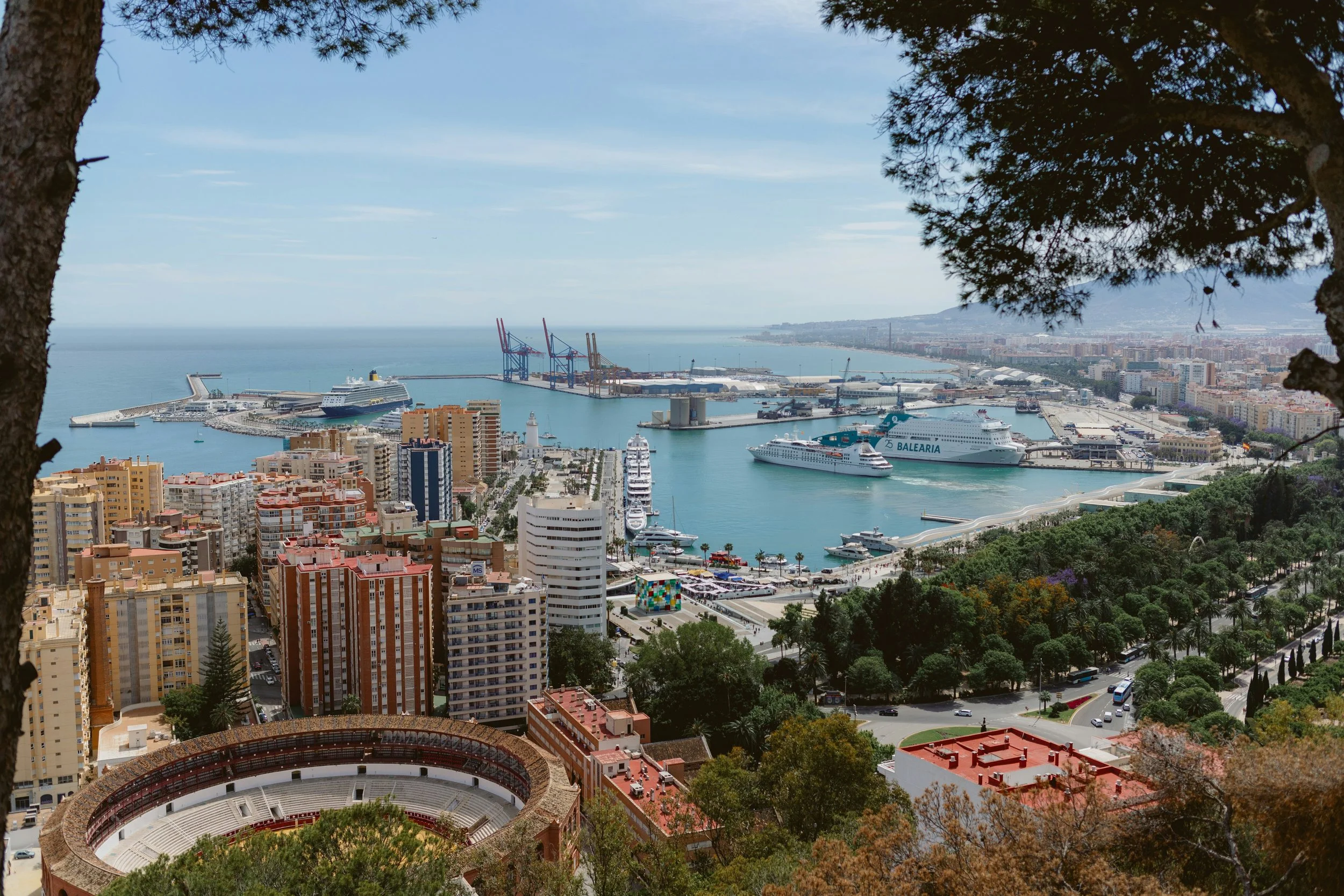
Malaga, a vibrant city located on the southern coast of Spain, is a treasure trove of history, culture, and stunning landscapes. Known as the birthplace of the famous painter Pablo Picasso, Malaga seamlessly blends its rich past with a modern-day lifestyle, making it an appealing destination for travelers seeking both relaxation and exploration.

Malaga by Yuliya Matuzava

One of the most striking features of Malaga is its historical architecture, which tells the story of various civilizations that have influenced the region over millennia. The Alcazaba, an impressive Moorish fortress, stands proudly overlooking the city. Built in the 11th century, this architectural marvel is characterized by its thick walls, beautiful gardens, and stunning views of the Mediterranean Sea. Visitors can explore its intricate courtyards and learn about the rich Islamic heritage that shaped the city. Adjacent to the Alcazaba is the Roman Theatre, a well-preserved relic from the 1st century BC that invites tourists to delve into the ancient history of Malaga. The combination of these two sites alone provides a fascinating glimpse into the city’s diverse cultural influences.

Beyond its historical landmarks, Malaga boasts numerous museums that cater to art enthusiasts and history buffs alike. The Picasso Museum is a testament to Malaga's most famous son, showcasing over 200 pieces of art created by the artist. This museum not only highlights Picasso’s evolution as an artist but also emphasizes his deep connection to his hometown. Additionally, the Carmen Thyssen Museum features an extensive collection of 19th-century Spanish paintings, allowing visitors to appreciate the beauty of the country’s artistic heritage. These cultural institutions contribute significantly to Malaga’s reputation as a center for arts and education.

As one explores the bustling streets of Malaga, the vibrant atmosphere becomes palpable. The city’s lively markets, such as Atarazanas Market, offer a sensory feast. Here, locals and tourists alike can savor fresh produce, local seafood, and delicious cured meats while soaking up the vibrant ambiance. The market not only serves as a place to shop but also as a social hub where the community gathers to enjoy food and conversation. Dining in Malaga is an experience in itself, with numerous restaurants offering traditional Andalusian dishes such as tapas, seafood paella, and the region’s famed sweet wines.

Malaga’s coastal position also gifts it with beautiful beaches that attract sun-seekers and water sports enthusiasts. The Playa de La Malagueta, with its golden sands and clear waters, is a popular spot for both locals and visitors looking to unwind. The beach promenade is lined with chiringuitos (beach bars) where one can enjoy refreshing drinks and local delicacies while admiring the picturesque views of the Mediterranean. The pleasant climate, with warm summers and mild winters, ensures that outdoor activities are enjoyable year-round.

In addition to its historical and cultural allure, Malaga is a gateway to the natural wonders of the Costa del Sol. The nearby Montes de Málaga Natural Park offers breathtaking hiking trails and diverse wildlife, making it an ideal location for those who appreciate outdoor adventures. Whether it’s exploring picturesque villages like Ronda or enjoying water sports along the coast, the surrounding landscape enhances the overall experience of visiting Malaga.

Overall, Malaga is a city that encapsulates the essence of Andalusian culture, offering a blend of history, art, and scenic beauty. Its architectural gems, vibrant markets, delectable cuisine, and stunning beaches make it a must-visit destination. As one strolls through its streets, it becomes evident that Malaga is not just a place to visit; it invites everyone to immerse themselves in its living history and embrace the warm hospitality of its people.

Great National Parks XXVIII: Blue Mountains

Nestled in New South Wales, Australia, Blue Mountains National Park is a breathtaking expanse of wilderness that captivates visitors with its stunning landscapes, rich biodiversity, and cultural significance. Stretching over 1,000 square kilometers, this UNESCO World Heritage site is renowned for its dramatic cliffs, deep valleys, and the iconic eucalyptus forests that are home to unique flora and fauna.

One of the park's defining features is the spectacular Three Sisters rock formation, which stands prominently at Echo Point near Katoomba. These three towering sandstone peaks have become a symbol of the region, drawing countless visitors eager to marvel at their beauty. According to local Aboriginal legend, the Three Sisters were transformed into stone to protect them from an ancient conflict. This story underscores the deep cultural connection the Indigenous people have with the land, and visitors are encouraged to learn more about the rich history and traditions of the Aboriginal communities that have inhabited the area for thousands of years.

Blue Mountains National Park by Junel Mujar

The park offers a plethora of activities for nature lovers and adventure seekers alike. With over 140 kilometers of walking tracks, ranging from easy strolls to challenging hikes, there is something for everyone. The popular Prince Henry Cliff Walk provides panoramic views of the Jamison Valley and the surrounding mountains, while the descent into the valley via the scenic cableway or the steep hiking trails reveals hidden waterfalls, such as Wentworth Falls and Leura Cascades. These picturesque spots invite visitors to pause and take in the natural beauty that surrounds them.

Wildlife enthusiasts will also find the park a haven for observing Australian fauna. The diverse ecosystems within the park support a variety of species, including kangaroos, wallabies, and over 100 species of birds. Birdwatchers can delight in catching glimpses of the colorful Eastern Rosella or the elusive Lyrebird, known for its incredible ability to mimic natural and artificial sounds. For those interested in flora, the park boasts an impressive array of plant life, featuring more than 1,400 species of native plants, many of which are endemic to the region.

Despite its natural allure, Blue Mountains National Park also faces environmental challenges. Climate change, invasive species, and bushfires pose significant threats to the delicate ecosystems within the park. Community efforts and government initiatives aim to mitigate these issues, focusing on conservation and sustainable tourism practices. Visitors are encouraged to respect the park’s regulations, stay on designated paths, and leave no trace to ensure its preservation for future generations.

In addition to its natural wonders, the Blue Mountains area also offers charming towns and cultural experiences. Small villages such as Leura and Blackheath provide opportunities for visitors to explore local shops, art galleries, and restaurants that celebrate the region's culinary delights. The annual Blue Mountains Music Festival and various art exhibitions highlight the vibrant artistic community that thrives in this mountainous region.

Ultimately, Blue Mountains National Park represents a harmonious blend of nature, culture, and adventure. Its breathtaking scenery and rich biodiversity offer an escape from the hustle and bustle of city life, inspiring all who venture into its depths. Whether it’s hiking through ancient rainforests, soaking in the majesty of its waterfalls, or engaging with its cultural heritage, a visit to the Blue Mountains promises an unforgettable experience that resonates long after returning home. As one gazes out over the misty valleys from a lookout point, it becomes clear why this area is cherished by both locals and travelers from around the world.

Exploring Argentinian Cuisine

Argentinian cuisine is a vibrant mosaic of flavors, ingredients, and culinary traditions that reflects the country’s rich cultural heritage. From its European influences to indigenous roots, the food of Argentina tells a story of migration, adaptation, and innovation.

Asado by José Ignacio Pompé

At the heart of Argentinian cuisine is the famed asado, a traditional barbecue technique that plays a central role in social gatherings and celebrations. Asado involves grilling various cuts of meat over an open flame or charcoal, often accompanied by chimichurri sauce, a zesty blend of parsley, garlic, vinegar, and oil. The skill of preparing an asado is considered an art form, with families often gathering around the parrilla (grill) to enjoy deliciously charred meats such as beef, pork, and lamb. Beef, in particular, holds a revered place in the hearts of Argentinians; the country boasts some of the highest-quality cattle worldwide, making for tender and flavorful steaks that are celebrated globally.

The influence of Italian and Spanish immigrants is also prominent in Argentinian cuisine. Dishes such as pizza and pasta have been adapted to local tastes, resulting in unique interpretations like fugazzeta, a stuffed pizza topped with cheese and onions, or ñoquis, traditional gnocchi made from potato. The Italian tradition of dolce is celebrated through desserts like alfajores, which are two cookies filled with dulce de leche and often coated in chocolate or powdered sugar. These sweet treats are enjoyed not just at home but also by visitors seeking a taste of local flavor.

Another crucial aspect of Argentinian cuisine is the use of fresh produce. The country's diverse climate allows for a broad range of fruits and vegetables, which are often incorporated into everyday meals. Peppers, corn, and tomatoes are staples in many dishes, giving rise to vibrant salads and stews. One popular dish that showcases this fresh bounty is locro, a hearty stew made with corn, beans, potatoes, and a variety of meats. Traditionally consumed during national holidays, locro is a symbol of Argentine identity and communal spirit.

Mate by Lucia Durdos

In addition to its savory offerings, Argentinian cuisine features a rich beverage culture. Malbec wine, primarily produced in the Mendoza region, has gained global acclaim for its depth and character. This varietal pairs beautifully with the robust flavors of grilled meats, contributing to the dining experience that defines Argentinian meals. Furthermore, yerba mate, a herbal tea steeped from the leaves of the Ilex paraguariensis plant, is another cultural cornerstone. Consumed socially or individually from a bombilla (metal straw), mate serves as a ritualistic experience, bringing people together over shared conversations and companionship.

Despite these strong culinary traditions, Argentinian cuisine continues to evolve. Modern chefs are experimenting with traditional recipes, incorporating international techniques and contemporary presentations. This fusion of the old and new reflects a broader trend within the culinary world, where globalization leads to innovative approaches in cooking.

Argentinian cuisine is a feast for the senses, characterized by its emphasis on quality ingredients, cultural influences, and communal dining experiences. From the sizzling asados to the sweet delight of alfajores, each dish offers a glimpse into the country's history and identity. As it continues to adapt and innovate, Argentinian cuisine remains a vital part of its culture, inviting both locals and visitors to explore its rich flavors and traditions.

Cairns: The gateway to the Great Barrier Reef

Nestled in Far North Queensland, Cairns is a vibrant city known for its stunning natural beauty and proximity to some of Australia’s most treasured landscapes. With a tropical climate and a rich cultural heritage, Cairns serves as the gateway to the Great Barrier Reef and the Daintree Rainforest, making it an ideal destination for adventurers and nature lovers.

Cairns has a unique blend of modern amenities and a laid-back atmosphere. The city's waterfront promenade, known as the Esplanade, offers a picturesque view of the Coral Sea and a host of recreational activities. This 2.5-kilometer stretch features beautifully manicured gardens, picnic areas, and a large swimming lagoon that becomes a central hub for both locals and tourists. Visitors can enjoy alfresco dining at cafes and restaurants, often featuring fresh seafood and tropical cuisine, while the afternoon sun glistens on the water’s surface.

Cairns by Tom Donders

One of the primary attractions of Cairns is its accessibility to the Great Barrier Reef, one of the seven natural wonders of the world. Tour operators abound, offering various options for exploring this UNESCO World Heritage Site, including snorkeling, diving, and boat tours. The realization of floating over a vibrant underwater world, teeming with colorful coral and exotic marine life, is an unforgettable experience. Whether you are an experienced diver or a first-time snorkeler, the reef’s beauty is sure to leave a lasting impression. Many tours also include informative sessions about marine conservation and the importance of protecting this fragile ecosystem.

In addition to the reef, the surrounding rainforests provide another layer of exploration for visitors. The Daintree Rainforest, the oldest rainforest in the world, is located just north of Cairns. Here, walking trails wind through lush vegetation, allowing visitors to immerse themselves in the rich biodiversity. Guided tours often lead to breathtaking viewpoints where one can appreciate the sheer scale and age of the forest. The opportunity to spot unique wildlife, such as cassowaries and tree kangaroos, adds excitement to any visit.

Cairns also has a diverse cultural scene, reflective of its indigenous heritage and multicultural population. The Tjapukai Aboriginal Cultural Park provides insight into the rich history and traditions of the local Aboriginal people through dance, storytelling, and artifacts. Visitors can participate in interactive workshops, learning ancient hunting techniques or traditional art forms, which deepens their understanding of the area’s cultural significance.

For those seeking adventure, Cairns offers plenty of adrenaline-pumping activities. From bungee jumping over stunning landscapes to white-water rafting in nearby rivers, there is something for thrill-seekers of all ages. The scenic Kuranda Skyrail Rainforest Cableway allows visitors to glide above the treetops, offering panoramic views of the landscape that are nothing short of spectacular.

As evening falls, Cairns transforms into a lively hub filled with entertainment options. The night markets showcase local artisans and vendors, providing an excellent opportunity for shopping and culinary exploration. The bustling atmosphere is complemented by street performances and live music, encapsulating the essence of Cairns’ vibrant culture.

Whether you are diving into the azure waters of the Great Barrier Reef, trekking through ancient rainforests, or indulging in local delicacies, Cairns promises a memorable adventure that beckons travelers to return. Its unique offerings and breathtaking scenery truly make it a gem on the Australian landscape.

Riga, the capital of Latvia

Riga, the capital of Latvia, is a city where medieval history meets vibrant modern culture. Nestled along the banks of the Daugava River, it boasts a rich tapestry of architectural styles, lush parks, and an ever-growing culinary scene.

Riga by Kristīne Kozaka

One of the most striking features of Riga is its well-preserved Old Town, a UNESCO World Heritage Site. Walking through the cobblestone streets feels like stepping back in time, with buildings that date back to the 13th century. The iconic House of Blackheads stands proudly in the Town Hall Square, a symbol of the city’s Hanseatic heritage. Its intricate façade, adorned with ornate sculptures, showcases the historical significance of Riga as a trading hub in the Baltic region. Nearby, St. Peter's Church offers breathtaking panoramic views of the city from its tower, allowing visitors to appreciate the stunning blend of Gothic and Baroque architecture that defines the skyline.

As one wanders through the Old Town, it is impossible to miss the vibrant atmosphere filled with street performers, artists, and cafes. The city's burgeoning creative scene can be experienced in the numerous art galleries and studios that line the streets, reflecting the innovative spirit of contemporary Latvian artists. The annual Riga Art Space Festival further underscores this dedication to the arts, showcasing local creativity alongside international works.

In addition to its artistic endeavors, Riga is also known for its cafes and restaurants that celebrate Latvian cuisine. Traditional dishes, such as grey peas with speck and rye bread, are complemented by modern interpretations that highlight the use of fresh, locally sourced ingredients. The Central Market, housed in former Zeppelin hangars, is a must-visit for food lovers, offering everything from artisanal cheese and smoked fish to homemade pastries. Here, one can experience the true essence of Latvian culinary traditions while mingling with locals.

Beyond its historical and gastronomic offerings, Riga also embraces nature with its expansive parks and green spaces. The sprawling Bastejkalna Park, with its picturesque pathways and tranquil ambiance, provides a welcome respite from the bustling city center. Visitors can enjoy a leisurely stroll or a picnic while taking in the beautiful views of the Freedom Monument, which commemorates soldiers who fought for Latvian independence. A little further afield, the serene shores of the Jurmala beach, located just a short train ride from the city, invite relaxation and rejuvenation against the backdrop of tall pines and sandy beaches.

Riga’s cultural events are another highlight that adds to its charm. The city hosts various festivals throughout the year, celebrating everything from music and film to medieval history. The Latvian Song and Dance Festival, held every five years, is a UNESCO-recognized event that brings together thousands of performers and spectators, showcasing the country's rich cultural heritage. This spirit of community and tradition fosters a sense of belonging among residents and visitors alike.

In a nutshell, Riga is a city that weaves together the threads of history, culture, and nature into a vibrant tapestry that captivates all who visit. Its blend of medieval charm and contemporary energy, coupled with a deep appreciation for the arts and culinary excellence, makes it a unique destination worth exploring. Whether wandering through the enchanting Old Town, indulging in local delicacies, or enjoying the city's green spaces, Riga invites individuals to discover its many layers and create lasting memories.

Great National Parks XXVII: Jasper

Jasper National Park, located in the Canadian Rockies, is a breathtaking expanse of wilderness that attracts visitors from around the globe. Covering over 4,200 square kilometers, it is the largest national park in the Canadian Rockies and a UNESCO World Heritage site. The park is renowned for its stunning landscapes, diverse ecosystems, and myriad outdoor activities, making it a premier destination for nature enthusiasts and adventure seekers alike.

The majestic Rocky Mountains dominate the skyline of Jasper National Park, with their rugged peaks often dusted with snow, even in summer. Among these mountains, Mount Edith Cavell stands out with its striking glacier and turquoise alpine lakes. Visitors can explore the area through well-maintained trails that range from leisurely walks to challenging hikes. One of the most popular trails leads to the beautiful Angel Glacier, where the sight of the ice cascading down the mountain is truly breathtaking.

Jasper National Park by Shawn Lee

The park is home to an impressive array of wildlife, including elk, deer, bighorn sheep, and black bears. Wildlife watchers often find joy in observing these animals in their natural habitats. The early morning or late evening hours are particularly rewarding for sightings. Moreover, Jasper is one of the best places in Canada to view the night sky. Designated as a Dark Sky Preserve, it provides an unparalleled opportunity for stargazing. The brilliant sweep of stars, the Milky Way, and celestial events like meteor showers offer a magical experience for all who venture out after sunset.

Water activities abound in Jasper National Park, with numerous lakes and rivers inviting exploration. Maligne Lake, famous for its deep blue color and striking scenery, is perfect for canoeing and kayaking. The scenic boat tours allow visitors to immerse themselves in the tranquility of the lake, offering stunning views of the surrounding peaks. For those seeking a thrill, rafting on the Athabasca River provides an exhilarating way to experience the park's beauty while navigating its rapids.

In addition to its natural wonders, Jasper also boasts a rich cultural heritage. The town of Jasper serves as a gateway to the park and offers various amenities, including hotels, restaurants, and shops. It is steeped in history, with local Indigenous populations having inhabited the region for thousands of years. Visitors can learn about Indigenous culture through various interpretive programs and guided tours that share stories and teachings about the land.

For travelers interested in seasonal activities, Jasper National Park presents a different face throughout the year. In winter, the park transforms into a wonderland for skiing and snowboarding at Jasper Ski Resort, with countless trails catering to all skill levels. Snowshoeing and cross-country skiing trails are also available, providing serene ways to explore the quiet, snow-blanketed landscape. In summer, the park teems with life as wildflowers bloom, and the weather becomes perfect for hiking and biking.

Overall, Jasper National Park is a treasure trove of natural beauty, adventure, and cultural richness. Whether you seek the thrill of outdoor sports, the serenity of nature, or a glimpse into the history of the land and its people, Jasper offers an unforgettable experience. As the sun sets beyond the mountains, casting golden hues across the sky, one cannot help but feel grateful for the opportunity to witness such magnificent beauty—a true testament to the wonders of the natural world.

Minneapolis-Saint Paul: the Twin Cities

Minneapolis-Saint Paul, often referred to as the Twin Cities, is a vibrant metropolitan area located in the heart of Minnesota. Known for its diverse culture, stunning landscapes, and rich history, this unique locale offers a blend of urban and natural attractions that appeal to all types of travelers and residents alike.

Saint Paul by Sun Studio Creative

One of the most defining features of the Twin Cities is their commitment to the arts and culture. Minneapolis is home to the renowned Walker Art Center, an architectural marvel that hosts an extensive collection of contemporary art. Adjacent to the Walker, the Minneapolis Sculpture Garden showcases outdoor sculptures, including the iconic Spoonbridge and Cherry, which attracts visitors year-round. The Guthrie Theater, another cultural gem, offers an array of performances, from classic plays to modern interpretations, making it a cornerstone of the local theater scene.

Saint Paul, the state capital, carries its own distinct cultural offerings. The Minnesota History Center provides deep insights into the state's past through engaging exhibits and programs. The historic Summit Avenue, lined with Victorian mansions, is a testament to the city’s architectural heritage and is perfect for a leisurely stroll. Furthermore, the Science Museum of Minnesota captivates visitors of all ages with its interactive exhibits, including a giant dinosaur skeleton that draws crowds seeking both education and entertainment.

Nature enthusiasts will find themselves at home in the Twin Cities, where a plethora of parks and lakes beckon. The Chain of Lakes, consisting of several interconnecting bodies of water such as Lake Harriet and Lake Calhoun, is a popular destination for activities ranging from kayaking to jogging along scenic trails. The extensive Parks System, one of the largest in the country, ensures that residents and visitors can enjoy the great outdoors, regardless of the season. In winter, the lakes transform into ice-skating rinks or cross-country skiing paths, showcasing the area's adaptability to Minnesota's harsh winters.

The culinary landscape of Minneapolis-Saint Paul reflects the region's diversity and innovation. From fine dining establishments to food trucks peppered throughout the city, there is something for everyone. The Midtown Global Market in Minneapolis serves as an international marketplace, featuring vendors from various cultures offering everything from fresh produce to gourmet dishes. Saint Paul’s Grand Avenue boasts numerous cafes and restaurants, making it a hub for food lovers exploring local flavors.

Minneapolis by Matt Lehman

Moreover, the Twin Cities are celebrated for their sports culture. Home to professional teams such as the Minnesota Vikings (NFL), Timberwolves (NBA), and Twins (MLB), the cities foster a spirited atmosphere, especially during game season. The U.S. Bank Stadium and Target Field are not just venues; they are symbols of community pride and engagement, often filled with fans donning their team colors and cheering for victory.

Minneapolis-Saint Paul is a dynamic area that harmoniously blends culture, nature, and community spirit. Whether one seeks artistic inspiration, outdoor adventure, or culinary delights, the Twin Cities offer a rich tapestry of experiences that resonate with both residents and visitors. Their thriving arts scene, lush parks, and vibrant neighborhoods emphasize how this metropolitan area serves as a hub of creativity and connection. As the cities continue to grow and evolve, they remain a testament to the rich heritage and bright future of Minnesota.

Chongqing: China's 5D City

Chongqing, a sprawling metropolis in southwestern China, is often overshadowed by more commonly known cities like Beijing and Shanghai. However, this vibrant city is a treasure trove of culture, history, and natural beauty, making it one of the most intriguing destinations for travelers seeking an authentic Chinese experience.

Nestled at the confluence of the Yangtze and Jialing rivers, Chongqing serves as a critical transportation hub in China. Its unique geographic layout—situated on the steep hills surrounding the rivers—contributes to its stunning vistas. The city is famous for its dramatic skyline, with modern skyscrapers juxtaposed against traditional architecture. One of the must-see places is the Hongya Cave, a scenic area that combines ancient structures with vibrant shops and eateries. As you stroll through this picturesque area, the warm glow of lanterns illuminates the night, creating a magical atmosphere reminiscent of ancient China.

Chongqing by Filippo Cesarini

Chongqing is also renowned for its culinary scene, particularly its hot pot. This spicy dish, consisting of a bubbling pot of broth in which diners cook various ingredients, reflects the region's bold flavors and culinary traditions. The local hot pot restaurants are lively venues filled with laughter and chatter, where people gather to savor the fiery spices, succulent meats, and fresh vegetables. Trying hot pot in Chongqing is not merely about the food; it’s an experience that embodies the city's welcoming spirit and communal dining culture.

Beyond its culinary delights, Chongqing is steeped in history. The city has played a pivotal role throughout Chinese history, particularly during World War II when it served as the provisional capital of China. The Chongqing Liberation Monument, located in the city center, commemorates this significant period. Nearby, the Three Gorges Museum offers a glimpse into the region's rich history, showcasing artifacts and exhibitions that narrate the story of Chongqing from ancient times to the present day.

Another highlight of Chongqing is its proximity to natural wonders. The Yangtze River and its surrounding landscapes provide breathtaking opportunities for exploration. A cruise along the Yangtze River presents stunning views of the famed Three Gorges—Qutang, Wu, and Xiling. Each gorge boasts its unique scenery, offering travelers a chance to witness towering cliffs, lush greenery, and cascading waterfalls. For those seeking adventure, the nearby Wulong Karst National Geology Park features spectacular limestone formations, deep gorges, and the famous Three Natural Bridges.

Chongqing is also home to numerous parks and green spaces, providing a respite from the urban hustle. Ciqikou Ancient Town, a well-preserved area of traditional architecture, allows visitors to step back in time while enjoying tea houses, crafts, and local snacks. The lush gardens of Zhangjia Temple offer tranquility and stunning views of the city, making them excellent spots for relaxation.

Chongqing is a city that captivates with its mixture of tradition and modernity, offering visitors a glimpse into China’s diverse heritage and culinary treasures. From its mesmerizing landscapes and historical significance to its vibrant street life and exquisite cuisine, this city is a hidden gem waiting to be explored. Whether you are an adventurer, a foodie, or a history enthusiast, Chongqing promises an unforgettable journey filled with rich experiences and lasting memories.

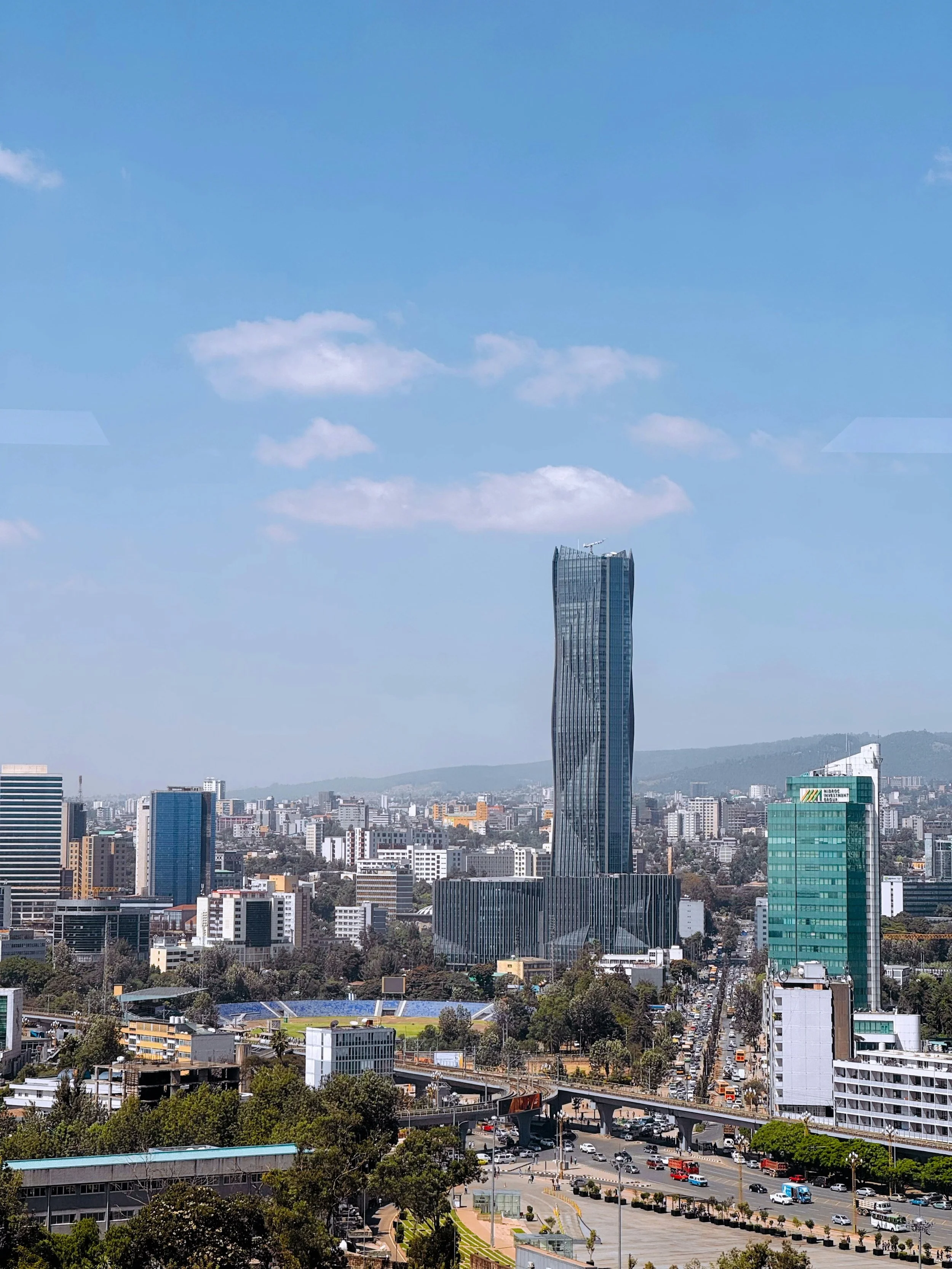
Addis Ababa, the capital of Ethiopia

Addis Ababa, the capital city of Ethiopia, is a vibrant and diverse metropolis that serves as the heart of the nation. Nestled in the Ethiopian highlands at an elevation of approximately 2,355 meters (7,726 feet), the city offers a unique blend of history, culture, and modernity. Founded in 1886 by Emperor Menelik II, Addis Ababa has grown from a small military camp into one of Africa’s major urban centers, reflecting the rich heritage and aspirations of its people.

Addis Ababa by Fanuel Leul

One of the most striking features of Addis Ababa is its cosmopolitan nature. The city is home to over three million inhabitants representing various ethnic groups, languages, and traditions, most notably the Oromo, Amhara, and Tigray peoples. Each group contributes to the city’s cultural tapestry, evident in its festivals, music, and culinary scene. Visitors can experience moments of celebration such as Enkutatash, the Ethiopian New Year, where colorful parades and traditional dances showcase local customs. Additionally, the city’s vibrant markets, like Mercato, one of the largest open-air markets in Africa, offer a sensory feast with bustling stalls, street vendors, and a myriad of goods from spices to textiles.

Addis Ababa is also an important political and economic hub. It hosts the headquarters of the African Union and various international organizations, making it a focal point for diplomacy and regional cooperation. This status bestows a sense of significance upon the city, drawing in diplomats, activists, and scholars from around the globe. The presence of these institutions enhances the city's role in promoting peace and development across the continent.

Culturally, Addis Ababa boasts numerous museums and historical sites that offer insights into Ethiopia's rich past. The National Museum of Ethiopia is a must-visit, housing the famous fossilized remains of Lucy (Australopithecus afarensis), one of humanity's earliest ancestors. In addition, the Ethnological Museum, located within the former palace of Emperor Haile Selassie, provides an extensive overview of the country’s diverse cultures and histories. These institutions not only preserve Ethiopia's heritage but also educate visitors about the complexities of its society.

Religious diversity is another hallmark of Addis Ababa. The city is dotted with impressive churches, mosques, and temples, reflecting the coexistence of various faiths. One cannot visit without being awed by the stunning architecture of the Holy Trinity Cathedral, which is a significant site for the Ethiopian Orthodox Church. Meanwhile, the central mosque stands as a testament to the city’s Islamic heritage, attracting devotees and tourists alike.

Despite its rapid urbanization and modernization, Addis Ababa faces challenges, including infrastructure development and economic disparities. However, efforts are underway to address these issues, with the government and local organizations striving to improve public services and enhance living conditions for residents.

Addis Ababa is a city of contrasts and convergence, where ancient traditions meet modern aspirations. Its rich cultural heritage, political significance, and enduring spirit of resilience make it a fascinating destination for travelers and an essential key player in African affairs. Exploring Addis Ababa offers a deeper understanding of Ethiopia, allowing one to appreciate not just its challenges but also its potential and hopes for the future. The city stands as a testament to the strength and dynamism of its people, promising a bright horizon ahead.

Great National Parks XXVI: Calanques

Calanques National Park, located along the stunning Mediterranean coast in southern France, is a remarkable destination that captivates visitors with its breathtaking landscapes and rich biodiversity. Spanning from Marseille to Cassis, this national park is renowned for its dramatic cliffs, azure waters, and unique geological formations. The Calanques, which translates to "inlets" in English, are steep, rocky coves characterized by towering limestone cliffs, crystal-clear waters, and lush flora and fauna.

The natural beauty of Calanques National Park is truly a sight to behold. The park features a series of calanques, including the popular Calanque d’En Vau, Calanque de Sormiou, and Calanque de Port-Miou. Each cove presents its own unique charm, inviting visitors to explore sandy beaches, hidden grottos, and walking trails that wind through rugged terrain. The sheer cliffs that rise dramatically from the sea create a stunning backdrop, making it a popular spot for photography and nature enthusiasts.

Calanques National Park by thibse.com

One of the highlights of visiting the Calanques is the opportunity for outdoor activities. Hiking is a favored pastime, with numerous trails available for all skill levels. The trails offer spectacular views of the Mediterranean, as well as the chance to observe the diverse flora and fauna that inhabit the region. Some paths lead to panoramic viewpoints, where trekkers can pause and appreciate the sublime beauty of the landscape. In addition to hiking, kayaking is another popular activity. Paddling through the crystal-clear waters allows visitors to access secluded beaches and observe marine life up close, including colorful fish and vibrant underwater plants.

The ecological importance of Calanques National Park cannot be understated. Home to over 1400 plant species and numerous animal species, including several that are endemic to the area, the park plays a crucial role in preserving biodiversity. The Mediterranean climate, characterized by hot, dry summers and mild, wet winters, creates a unique habitat that supports various ecosystems. Visitors may encounter rare species such as the Bonelli's eagle or the Mediterranean monk seal, further emphasizing the park's significance as a conservation area.

Culturally, Calanques National Park is rich in history. The region has long been inhabited, with archaeological sites dating back to prehistoric times. Remnants of ancient settlements can still be found throughout the park, allowing visitors to step back in time and appreciate the area's historical significance. Additionally, the proximity to coastal towns like Marseille and Cassis offers a blend of cultural experiences, from savoring local cuisine to exploring markets that celebrate the Mediterranean lifestyle.

While the park is a sanctuary for nature lovers, it also faces challenges related to environmental preservation and tourism management. As more people discover the beauty of the Calanques, effort must be made to protect this delicate ecosystem from overuse and degradation. Responsible tourism practices, such as staying on marked trails and respecting wildlife, are paramount to ensuring that future generations can enjoy the splendor of Calanques National Park.

Calanques National Park stands as a testament to the stunning natural beauty and ecological diversity of the Mediterranean coast. Its dramatic landscapes, outdoor activities, and rich cultural heritage make it a must-visit destination for anyone seeking adventure and tranquility. Whether hiking along the cliffs, kayaking in its pristine waters, or simply soaking in the breathtaking views, visitors are sure to leave with unforgettable memories of this remarkable park.

Belgrade, the capital of Serbia

Belgrade, the capital of Serbia, is a city where history and modernity converge to create a vibrant cultural tapestry. Located at the confluence of the River Sava and the Danube, Belgrade has a rich historical backdrop that dates back to prehistoric times. The city’s significance as a trade route and military stronghold has left an indelible mark on its architecture, culture, and spirit.

One of the most remarkable features of Belgrade is its diverse array of architectural styles that reflect its tumultuous past. The Kalemegdan Fortress, perched on a hill overlooking the rivers, serves as a testament to the city's strategic importance throughout history. Originally built in the 2nd century, this fortress has witnessed the rise and fall of numerous empires. Today, it offers panoramic views of the confluence of the two rivers, making it a popular spot for both locals and tourists. The surrounding Kalemegdan Park is perfect for leisurely strolls, picnics, and cultural events throughout the year.

Belgrade by Skaars

As one explores the city, they will encounter the eclectic blend of old and new manifested in its neighborhoods. Skadarlija, often referred to as the bohemian quarter, is a cobblestone street lined with traditional Serbian restaurants, art galleries, and live music venues. This area exudes charm, with its artistic vibe stemming from the many artists and writers who have been inspired by its ambiance. Dining here is a treat for the senses, where visitors can indulge in authentic Serbian cuisine while enjoying folk music performances.

In stark contrast, the New Belgrade district showcases the city’s forward-looking vision. Established in the mid-20th century during the era of Yugoslavia’s socialist development, New Belgrade features modernist architecture and expansive urban planning. The Sava Promenade, a picturesque waterfront path, is a testament to the city’s revitalization efforts, offering spaces for recreation and socialization. It has become a popular gathering place, particularly during warmer months when people flock to cafes, bars, and open-air events along the riverbanks.

Belgrade is also home to several important cultural institutions. The National Museum, founded in 1844, houses an impressive collection that spans centuries, showcasing everything from ancient artifacts to contemporary art. The Museum of Contemporary Art, situated at the confluence of the Sava and Danube rivers, emphasizes Serbia’s modern artistic endeavors and hosts numerous exhibitions that attract art enthusiasts from around the globe.

The city’s nightlife is legendary and is often regarded as one of the best in Europe. Belgrade's energy comes alive after dark, where nightlife hotspots range from quirky bars to energetic nightclubs, often located in floating barges on the rivers. The club scene pulsates with local and international DJs, creating an atmosphere that draws crowds into the early hours of the morning.

Festivals are integral to Belgrade’s identity, celebrating everything from music to film. The EXIT Festival, held annually in the nearby city of Novi Sad, attracts thousands of visitors and features renowned artists, further punctuating the region’s musical heritage. The Belgrade Beer Fest, another local favorite, showcases the city’s love for brewing and camaraderie, bringing people together over locally crafted beers and delicious food.

In conclusion, Belgrade is a city rich in history, culture, and innovation. Its diverse neighborhoods, culinary delights, and vibrant nightlife create a unique experience for anyone who visits. As visitors stroll through the streets, absorbing the sights and sounds, they will undoubtedly discover that Belgrade is a dynamic city that is continuously evolving, yet remains deeply rooted in its storied past.

World's Amazing Islands (VII): The Bahamas

The Bahamas, an archipelago nestled in the warm waters of the Caribbean, is a paradise of stunning natural beauty, rich culture, and vibrant history. Comprising over 700 islands and cays, the Bahamas stretches across turquoise waters that are home to some of the world’s most exquisite beaches. Each island boasts its unique charm, offering a diverse range of experiences for travelers.

One of the most captivating aspects of the Bahamas is its stunning landscapes. The islands are adorned with pristine white-sand beaches, crystal-clear waters, and lush greenery. Places like Exuma and Harbour Island exemplify this natural allure, with their powdery pink sands and vibrant coral reefs teeming with marine life. Tourists flock to these locations not just for relaxation but also for adventure—snorkeling, scuba diving, and exploring the underwater ecosystems are popular activities that allow visitors to engage intimately with the natural world.

the Bahamas by Jared Rice

Beyond its breathtaking scenery, the Bahamas is steeped in a rich cultural heritage. The influence of various cultures—indigenous Lucayan Taíno, African, European, and more—has shaped the Bahamian identity. This fusion is evident in the islands’ music, art, and culinary traditions. Junkanoo, a traditional Bahamian festival, showcases the islands' lively spirit with colorful parades, rhythmic music, and elaborate costumes. Such celebrations provide insight into the local way of life and the community's resilience, capturing the essence of Bahamian pride.

Culinary experiences in the Bahamas are equally compelling, where fresh seafood reigns supreme. Conch, a staple food, can be enjoyed in many forms—from conch fritters to conch salad. The islands’ dining scene presents an array of flavors inspired by Caribbean spices and ingredients, encouraging adventurous eaters to sample local dishes. Restaurants along the coast offer sumptuous meals with a view, allowing visitors to indulge in gastronomic delights while soaking up the sun.

Moreover, the Bahamas is not just about leisure; it is a historical treasure trove. Nassau, the capital, is home to historical landmarks such as Fort Fincastle and the Queen's Staircase, which reflect the islands’ colonial past. The National Art Gallery of the Bahamas provides a glimpse into the country's artistic evolution and showcases works by Bahamian artists. For those interested in piracy history, the Pirates Museum in Nassau enthralls guests with tales of infamous buccaneers who roamed these waters, offering an engaging narrative of the islands’ storied past.

Eco-tourism is also gaining traction in the Bahamas, as awareness of sustainable practices grows. Initiatives aimed at protecting the fragile ecosystems are being implemented, encouraging visitors to engage in responsible tourism. Activities such as swimming with pigs in Exuma or embarking on sea turtle conservation projects showcase the islands’ commitment to preserving their natural environment while providing unique experiences for tourists.

The Bahamas is a multifaceted destination that offers much more than just sun and sand. From its stunning landscapes and cultural richness to its culinary delights and historical significance, the islands invite exploration and discovery. Whether one seeks relaxation, adventure, or insight into the vibrant local culture, the Bahamas promises an unforgettable experience, making it a must-visit location for travelers from around the globe.

The Yachting Capital of the World: Fort Lauderdale

Fort Lauderdale, located on the southeastern coast of Florida, is a vibrant city known for its stunning beaches, intricate canal systems, and rich cultural scene. Often referred to as the “Venice of America” due to its expansive network of navigable waterways, Fort Lauderdale offers an enticing blend of natural beauty and urban sophistication that attracts millions of visitors each year.

One of the city’s main draws is its picturesque coastline. The soft sandy beaches stretch for miles, providing ample space for sunbathing, swimming, and beach sports. Fort Lauderdale Beach, with its lively atmosphere, is ideal for those looking to relax under the Florida sun or partake in water activities such as jet skiing, paddleboarding, and parasailing. The iconic beachfront promenade lined with palm trees, restaurants, and shops creates a welcoming environment for both tourists and locals alike. As the sun begins to set, the area transforms into a bustling social hub where people gather to enjoy outdoor dining, live music, and the stunning evening views over the Atlantic Ocean.

Fort Lauderdale by Lance Asper

Beyond the beach, Fort Lauderdale boasts an impressive arts and culture scene. The city is home to the Broward Center for the Performing Arts, which hosts a variety of shows including Broadway productions, concerts, and dance performances. Nearby, the Museum of Discovery and Science provides an engaging experience for visitors of all ages, featuring interactive exhibits and an IMAX theater. The Fort Lauderdale Historical Society also offers insight into the city's past, showcasing artifacts and displays that chart the development of this unique destination from its early days as a military fort to its growth into a major tourist hotspot.

For nature enthusiasts, the nearby Everglades National Park presents a different kind of adventure. Just a short drive from the city, the park is a UNESCO World Heritage Site and is teeming with diverse wildlife, including alligators, manatees, and numerous bird species. Visitors can explore the vast wetlands through airboat tours, hiking trails, and educational programs, providing a thrilling opportunity to connect with one of the most unique ecosystems in the world. This proximity to nature enhances Fort Lauderdale's appeal, allowing travelers to balance beach relaxation with more adventurous outings.

Shopping in Fort Lauderdale is another noteworthy aspect of the city. Las Olas Boulevard is a premier destination, offering a mix of upscale boutiques, art galleries, and cafes. Strolling down this charming street, visitors can find unique souvenirs or indulge in a culinary experience at one of the many gourmet restaurants. For a more laid-back shopping experience, the Galleria at Fort Lauderdale provides a traditional mall atmosphere featuring high-end retailers and a variety of dining options.

A visit to Fort Lauderdale also offers opportunities for cultural exploration, particularly with events like the annual Fort Lauderdale International Boat Show, which showcases luxury yachts and attracts boating enthusiasts from around the globe. This event, along with various food and music festivals throughout the year, emphasizes the city's vibrant community spirit and its commitment to celebrating local culture.

Fort Lauderdale is a multifaceted destination that offers something for everyone. From its beautiful beaches to its thriving arts scene and natural attractions, the city captures the essence of Florida’s allure. Whether you are seeking adventure, relaxation, or cultural enrichment, exploring Fort Lauderdale promises a memorable experience that reflects the dynamic character of this coastal paradise.

Great National Parks XXV: Great Barrier Reef

The Great Barrier Reef, located off the northeastern coast of Australia, is one of the most magnificent natural wonders of the world. Spanning over 2,300 kilometers and comprised of more than 2,900 individual reefs and 900 islands, it is not only the largest coral reef system but also a UNESCO World Heritage Site. Its extraordinary biodiversity, stunning landscapes, and ecological significance make it a vital area for conservation and a remarkable destination for visitors from around the globe.

Great Barrier Reef by Giorgia Doglioni

One of the most notable qualities of the Great Barrier Reef is its astonishing biodiversity. It is home to an estimated 1,500 species of fish, over 400 kinds of coral, and a vast array of marine life, including turtles, dolphins, and sharks. The rich ecosystems supported by the reef play a critical role in maintaining marine biodiversity and health. Additionally, the reef serves as a breeding ground for many species, offering protection in its complex underwater habitats. Such diversity attracts researchers and ecologists looking to study the delicate balance of marine ecosystems, highlighting the importance of preservation efforts in this unique environment.

Visitors to the Great Barrier Reef are greeted with breathtaking landscapes and opportunities for adventure. The crystal-clear waters offer excellent visibility, making it a premier location for snorkeling and scuba diving. Enthusiasts can explore vibrant coral gardens teeming with life, or swim alongside majestic sea turtles and colorful schools of fish. For those preferring to stay above water, boat tours and glass-bottomed boats provide stunning views of the underwater spectacle without having to dive in. Additionally, activities like kayaking and sailing allow visitors to enjoy the serene beauty of the reef from different perspectives.

Despite its allure, the Great Barrier Reef faces significant threats, prompting urgent calls for conservation. Climate change, particularly rising ocean temperatures, leads to coral bleaching, a phenomenon where corals expel the algae living inside them, resulting in a loss of color and essential nutrients. Pollution, overfishing, and coastal development contribute to the reef's deterioration, further endangering its delicate ecosystems. Recognizing these challenges, various initiatives have been launched to promote sustainable tourism practices, educate the public on the importance of marine conservation, and implement protective measures aimed at safeguarding the reef for future generations.

Furthermore, the Great Barrier Reef holds cultural significance, especially for Indigenous Australian communities. The reef is not only a source of sustenance but also an integral part of their heritage, spirituality, and identity. Indigenous traditions and stories are deeply intertwined with the marine environment, emphasizing a holistic relationship that respects and nurtures the natural surroundings. This cultural aspect is increasingly acknowledged in conservation efforts, highlighting the need for collaborative approaches that incorporate traditional knowledge and practices.

The Great Barrier Reef stands as a testament to the beauty and complexity of nature. Its unparalleled biodiversity, recreational opportunities, and cultural importance underscore its status as a precious global resource. Protecting this natural wonder is paramount, not only for the myriad species that call it home but also for the countless people who rely on it for their livelihoods and inspiration. As stewards of the planet, it is our duty to ensure that the Great Barrier Reef continues to thrive, allowing future generations to experience its awe-inspiring splendor. Through awareness and collective action, we can preserve this iconic ecosystem and champion the values of sustainability and respect for nature that it embodies.

Exploring Portugal's Faro

Nestled on the southern coast of Portugal, Faro serves as the vibrant capital of the Algarve region. Renowned for its picturesque scenery, Faro is a destination that captures the essence of Portuguese charm. With its blend of ancient architecture, stunning natural landscapes, and lively atmosphere, Faro offers visitors an enriching experience that invites exploration.

Faro by Reiseuhu

The old town of Faro, known as Cidade Velha, is a historical gem that enchants visitors with its cobbled streets and well-preserved structures. The city is enclosed by ancient walls that date back to the Roman era, providing a tangible link to its past. One of the most striking features of Cidade Velha is the Arco da Vila, a grand archway that serves as the main entrance into the old town. This structure not only showcases the architectural prowess of its time but also sets the tone for an afternoon spent wandering through narrow alleys lined with colorful buildings and inviting cafés.

As one strolls through the old town, the Cathedral of Faro beckons with its stunning façade. Built in the 13th century, this cathedral combines Gothic, Renaissance, and Baroque styles, reflecting the various influences that have shaped the region over centuries. Visitors can climb the bell tower for panoramic views of the city and surrounding landscapes, which include the sparkling waters of the Ria Formosa Natural Park. This lagoon is a biodiversity hotspot, home to numerous bird species and marine life, making it a perfect spot for nature lovers to explore on foot or by kayak.

Faro's vibrant marina adds to the city's charm, where colorful fishing boats bob gently against the docks. The marina area is a hub of activity, with a variety of restaurants and bars offering fresh seafood dishes that reflect the local maritime culture. Dining al fresco while enjoying the sunset over the water creates a truly unforgettable experience. The nearby Ria Formosa is not only a haven for birdwatchers but also provides opportunities for sailing, paddleboarding, and other water sports, appealing to adventurers seeking a more active getaway.

Cultural enthusiasts will find plenty to admire in Faro’s museums and galleries. The Municipal Museum, housed in a former convent, showcases the region's history from prehistoric times to the modern era. Its exhibits feature archaeological finds, religious art, and contemporary works, providing insight into Faro’s evolution as a cultural hub. Additionally, the city's calendar is filled with festivals and events throughout the year, including music festivals, traditional fairs, and culinary events, all of which showcase the vibrant community spirit of Faro.

For those seeking relaxation, the nearby beaches are among the finest in the Algarve. Praia de Faro is a long stretch of golden sand that invites sunbathing, swimming, and beach sports. The clear waters are ideal for families and individuals looking to unwind and soak in the Mediterranean climate. The beach is easily accessible from the city center, making it a convenient escape for both locals and tourists.

Faro is a captivating blend of history, culture, and natural beauty. From its ancient architecture and lively marina to the idyllic beaches that stretch along its coastline, Faro offers something for everyone. Whether you are a history buff, nature enthusiast, or simply seeking a relaxing retreat, exploring Faro promises to be an enriching experience filled with unforgettable memories.

Exploring Western China: Chengdu

Chengdu, the capital of Sichuan Province in southwestern China, is a vibrant city known for its rich history, diverse culture, and modern development. With a population exceeding 14 million, Chengdu is not only a major economic hub but also a gateway to exploring the breathtaking landscapes and culinary delights of the region.

One of Chengdu's most renowned attractions is the Chengdu Research Base of Giant Panda Breeding. This facility is dedicated to the conservation of the endangered giant panda, a species synonymous with China. Visitors can observe pandas in their natural habitat and learn about the efforts being made to protect them from extinction. The sight of these adorable creatures, often seen munching on bamboo or playfully tumbling over one another, is a highlight for many. Furthermore, the center offers educational programs that emphasize the importance of wildlife conservation, making it an enriching experience for individuals of all ages.

Chengdu by Zain Lee

Beyond pandas, Chengdu is celebrated for its exceptional cuisine, particularly the spicy and flavorful dishes characteristic of Sichuan cooking. The city is famous for its hot pot, where diners cook a variety of ingredients in a bubbling pot of spicy broth, often seasoned with Sichuan peppercorns, which lend a unique numbing sensation. Other popular dishes include Mapo Tofu and Kung Pao Chicken, each bursting with bold flavors. Food lovers can explore the bustling streets lined with food stalls and restaurants, sampling local specialties and experiencing the warmth of Chengdu's culinary culture.

Chengdu's atmosphere is also permeated by the tranquil ambiance of teahouses, a significant aspect of local life. These teahouses offer a serene escape from the hustle and bustle of city life, where visitors can enjoy traditional Chinese tea while engaging in leisure activities such as Mahjong or listening to live performances. Renmin Park is a favorite spot for both locals and tourists, as it houses several teahouses set amidst beautiful gardens and pavilions. Here, one can witness the heart of Chengdu’s social life, where families and friends gather to enjoy a leisurely afternoon.

The city’s historical significance is evident in its ancient landmarks, which narrate its rich heritage. The Wuhou Shrine honors Zhuge Liang, a revered military strategist from the Three Kingdoms period, and provides insight into the region’s storied past. Another site of interest is the Jinsha Site Museum, where artifacts from the ancient Shu civilization have been unearthed, dating back over 3,000 years. These sites are essential for anyone interested in understanding the historical evolution of Chengdu and its cultural identity.

Moreover, Chengdu has embraced modernization while retaining its traditional charm. Skyscrapers and shopping malls coexist with ancient temples and narrow alleys, creating a dynamic urban landscape. Areas like Jinli Ancient Street have been revitalized to reflect traditional architecture, offering a glimpse into the past while providing modern shopping and dining experiences.

Chengdu is a city that beautifully balances tradition and modernity, making it a must-visit destination. From the enchanting giant pandas to the mouthwatering Sichuan cuisine, the peaceful teahouses, and rich historical sites, there is something for everyone to enjoy. This blend of experiences not only highlights Chengdu’s unique cultural heritage but also showcases its role as a thriving city in the heart of China. Whether you are a history enthusiast, a culinary explorer, or simply seeking a lively city atmosphere, Chengdu promises an unforgettable experience.

Brasília, the capital of Brazil

Brasília, the capital city of Brazil, is a unique metropolis that stands as a testament to 20th-century urban planning and modernist architecture. Inaugurated in 1960 and designed by the renowned architect Oscar Niemeyer and urban planner Lúcio Costa, Brasília was created with the aim of promoting national integration and development in the country's interior. The city’s layout, emblematic buildings, and rich cultural life make it a fascinating destination for travelers and a model for urban studies.

The most striking aspect of Brasília is its distinctive architectural style. The city is characterized by sweeping curves, expansive plazas, and monumental government buildings. The National Congress of Brazil, with its two dome-like structures, embodies the innovative spirit of modernist design and serves as a symbol of the country's legislative power. Similarly, the Palácio da Alvorada, the president's official residence, captivates visitors with its elegant lines and reflection pools, blending seamlessly with the artificial lakes and green spaces that define the city. One cannot overlook the iconic Cathedral of Brasília, which features 16 hyperboloid-shaped concrete pillars that create an ethereal atmosphere of light and space within.

Brasília by Ramon Buçard

The urban planning of Brasília is equally noteworthy. Unlike traditional cities that evolve organically over time, Brasília was meticulously designed from the ground up. The city is structured around a central axis that divides it into distinct sectors, including residential, commercial, and governmental areas. This organization not only optimizes functionality but also fosters a unique communal atmosphere where pedestrians and vehicles are separated, creating a more livable environment. The expansive green areas, such as the beautiful City Park and the lush Botanic Garden, provide residents and visitors alike with ample opportunities for leisure and recreation amidst the urban landscape.

Culturally, Brasília is a vibrant hub that reflects the diversity of Brazil. The city hosts numerous festivals and events throughout the year, celebrating everything from music to photography. Notably, the Brasília International Film Festival attracts filmmakers and cinephiles from around the world, showcasing both national and international cinema. Furthermore, the city is home to an array of museums and cultural institutions, such as the National Museum of the Republic, which houses significant collections that highlight Brazil's rich artistic heritage.

Moreover, Brasília's culinary scene is a delightful blend of flavors from various regions of Brazil. Visitors can indulge in traditional dishes like "feijoada" (a black bean stew) or sample contemporary cuisine at upscale restaurants that emphasize local ingredients. The diverse gastronomic offerings reflect the city’s multicultural population and serve as a reminder of the country's vast culinary landscape.

Additionally, the city's strategic location makes it an excellent base for exploring the natural wonders of Brazil. Just a short drive away lies the Chapada dos Veadeiros National Park, a UNESCO World Heritage site known for its stunning landscapes, waterfalls, and diverse ecosystems. This proximity to nature enhances Brasília’s appeal for eco-tourists and adventure seekers alike.

Brasília is much more than just a political center; it is a city that embodies innovation, culture, and natural beauty. Its visionary architecture, thoughtful urban planning, vibrant culture, and access to nature combine to create a unique urban experience. For anyone seeking to explore a city that reflects the essence of modernism while deeply rooted in Brazilian identity, Brasília offers an unforgettable journey.

Great National Parks (XXIV): Mount Kilimanjaro

Mount Kilimanjaro National Park is a stunning natural wonder located in northeastern Tanzania. Home to Africa's highest peak, this iconic mountain draws adventurers and nature lovers from around the globe. With its diverse ecosystems and rich wildlife, the park offers a unique experience for visitors, combining both physical challenge and breathtaking beauty.

Kilimanjaro by Kristoffer Darj

Stretching over 1,688 square kilometers, Mount Kilimanjaro National Park encompasses diverse habitats, ranging from tropical rainforest at the base to stark alpine desert and glaciers at the summit. This vertical range of ecosystems supports a variety of flora and fauna, providing a glimpse into the ecological richness of the region. As climbers ascend from the lush lower slopes to the barren heights, they encounter distinct vegetation zones, including montane forest, heath and moorland, and high-altitude alpine desert.

The park is not only famed for its landscapes but also for its impressive biodiversity. Numerous species of birds, including the spectacular orange-breasted bush shrike and the endangered Abbot's duiker, can be spotted among the trees and shrubs. Additionally, the park is home to large mammals such as elephants, buffaloes, and leopards, although sightings are less common due to their elusive nature. The unique wildlife found here emphasizes the importance of conservation efforts, which aim to protect the fragile ecosystems that thrive on the slopes of Kilimanjaro.

The most celebrated feature of the park is, of course, Mount Kilimanjaro itself. At 5,895 meters (19,341 feet), it is the tallest free-standing mountain in the world. Climbing to the summit, Uhuru Peak, is a major undertaking that requires careful planning and preparation. There are several routes leading to the summit, each offering a different perspective and experience. The Marangu Route, known as the "Coca-Cola route," is the most popular but can be crowded. In contrast, the Machame and Lemosho Routes provide opportunities for more scenic hikes and fewer trekkers.

Reaching the summit is no small feat, and climbers must be prepared for rapidly changing weather conditions, altitude sickness, and physical exertion. The ascent typically takes about six to eight days, allowing the body to acclimatize to the high altitudes. Each night spent on the mountain reveals a new vista, showcasing the stunning landscapes that stretch out below. The view at dawn from the summit is often described as one of the most breathtaking sights on Earth, with a panorama of the African plains bathed in golden light.

Beyond its allure as a climbing destination, Mount Kilimanjaro National Park plays a crucial role in local culture and economy. Many communities surrounding the park rely on tourism for their livelihoods, creating a symbiotic relationship between conservation efforts and economic development. The park's success in attracting climbers and hikers has led to increased awareness and funding for environmental protection initiatives.

Mount Kilimanjaro National Park is a remarkable blend of adventure, biodiversity, and cultural significance. It offers an unforgettable experience for those who seek to explore its magnificent landscapes and challenging terrain. The majestic mountain stands not only as a testament to nature's grandeur but also as a beacon of conservation efforts within Tanzania. Whether one embarks on a thrilling climb or simply enjoys the park's beauty from afar, the impact of Mount Kilimanjaro National Park is sure to linger long after the journey concludes.

Exploring Turkey's Black Sea Coast: Trabzon

Trabzon, a picturesque city located on the northeastern coast of Turkey, is often considered one of the hidden gems of the country. Surrounded by lush green hills and steep mountains that cascade into the Black Sea, Trabzon offers a unique blend of natural beauty, rich history, and vibrant culture. Today we will explore the remarkable features of Trabzon and its surrounding areas, highlighting its historical sites, stunning landscapes, and cultural significance.

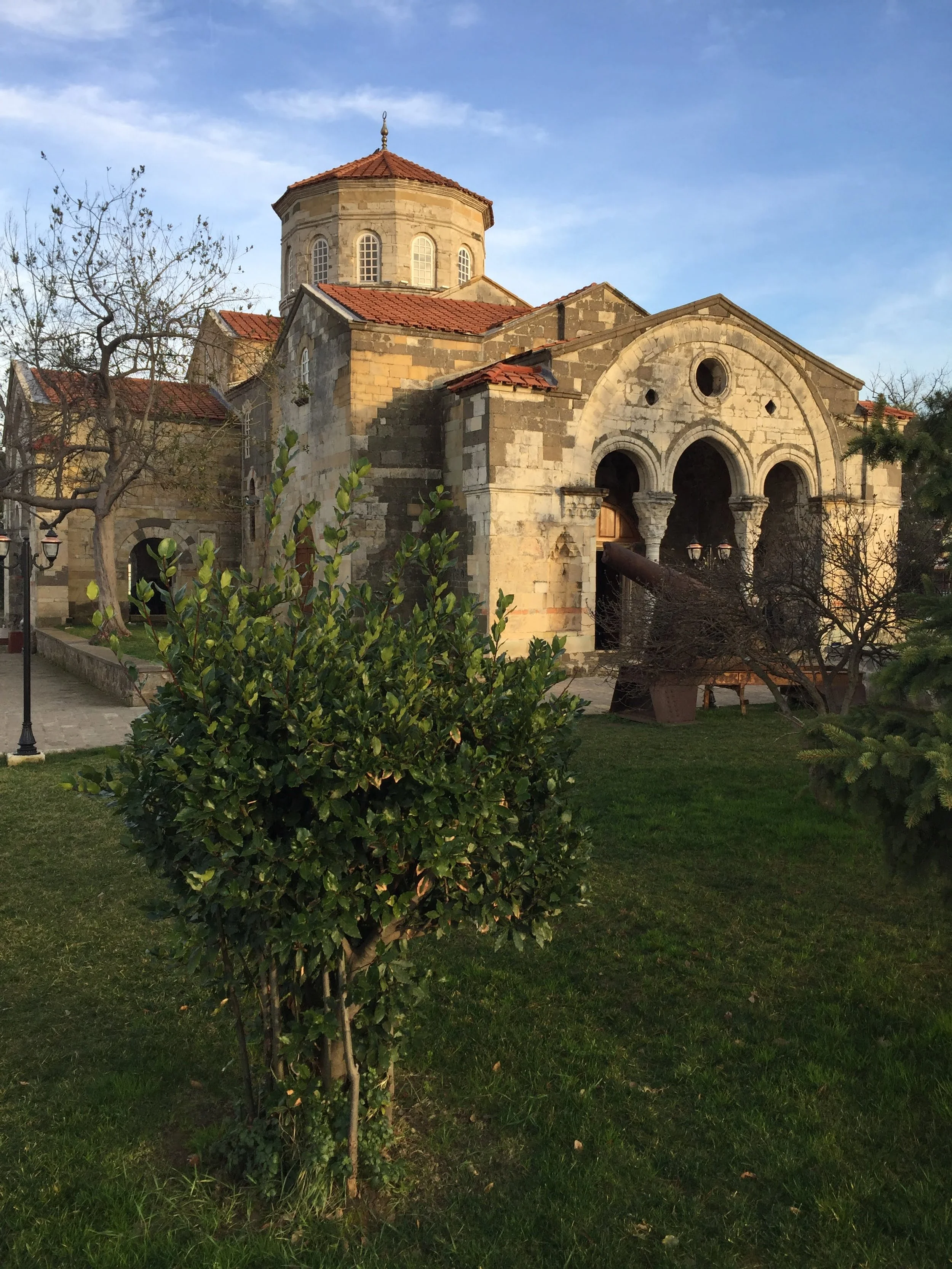
One of the most iconic landmarks in Trabzon is the Hagia Sophia, a stunning example of Byzantine architecture. Originally constructed in the 13th century as a church, it was later converted into a mosque and now serves as a museum. Visitors are mesmerized by its intricate frescoes and impressive dome, which showcase the brilliance of Byzantine artistry. The Hagia Sophia is not just an architectural marvel but also a testament to the city's diverse religious history, reflecting a blend of Christian and Islamic traditions.

Another notable site is the Sumela Monastery, perched on a steep cliff in the Altındere National Park, about 46 kilometers from Trabzon. This ancient Greek Orthodox monastery dates back to the 4th century and is dedicated to the Virgin Mary. The journey to Sumela involves a scenic hike through lush forests, making it an exciting adventure for nature enthusiasts. Once at the monastery, visitors are greeted with breathtaking views of the surrounding valleys and mountains, along with beautifully preserved frescoes that adorn the walls, narrating biblical stories and the life of saints.

In addition to its historical sites, Trabzon is renowned for its natural beauty. The Uzungöl Lake, located approximately 100 kilometers from the city, is a mesmerizing destination surrounded by dense forests and mountains. The lake's tranquil waters reflect the stunning scenery, making it a popular spot for photography and relaxation. Visitors can enjoy various activities such as hiking, fishing, and picnicking while soaking in the serene atmosphere. Uzungöl is also home to a quaint village where traditional wooden houses stand in harmony with nature, providing a glimpse into the local lifestyle.

The region around Trabzon is rich in cultural heritage, with the local cuisine being a major highlight. Trabzon is famous for its traditional dishes, particularly its unique take on the Black Sea cuisine. The use of fresh ingredients, such as fish, corn, and vegetables, defines the local gastronomy. One must-try dish is "kuymak," a creamy cornbread made with local cheese, perfect for breakfast. Additionally, the area is known for its tea plantations, where visitors can experience the tranquility of the lush green fields and sample some of the finest Turkish tea.

Trabzon's vibrant bazaars, especially the historic bazaar in the city center, offer a lively shopping experience. Here, visitors can find a variety of local handicrafts, textiles, and spices, making it an excellent place to pick up unique souvenirs. Engaging with friendly local vendors adds to the charm of the market, where one can learn about the rich history and cultural significance of the items sold.

Trabzon and its surroundings offer an alluring combination of history, nature, and culture. From the awe-inspiring Hagia Sophia and Sumela Monastery to the tranquil Uzungöl Lake and delectable local cuisine, this region beckons travelers seeking an authentic Turkish experience away from the bustling tourist trails. Whether exploring its historical treasures or indulging in its natural wonders, Trabzon remains a captivating destination that leaves a lasting impression on all who visit.

WhatsApp Chat