Nestled along the Caribbean coast, Cartagena is a vibrant city that embodies the rich cultural tapestry of Colombia. Founded in 1533, this historical port city has been a witness to centuries of history, shaped by Spanish colonization, African influences, and Indigenous heritage. Today, Cartagena stands as a UNESCO World Heritage Site, a dynamic blend of colonial architecture, lively plazas, and breathtaking coastal scenery that beckons travelers from around the globe.
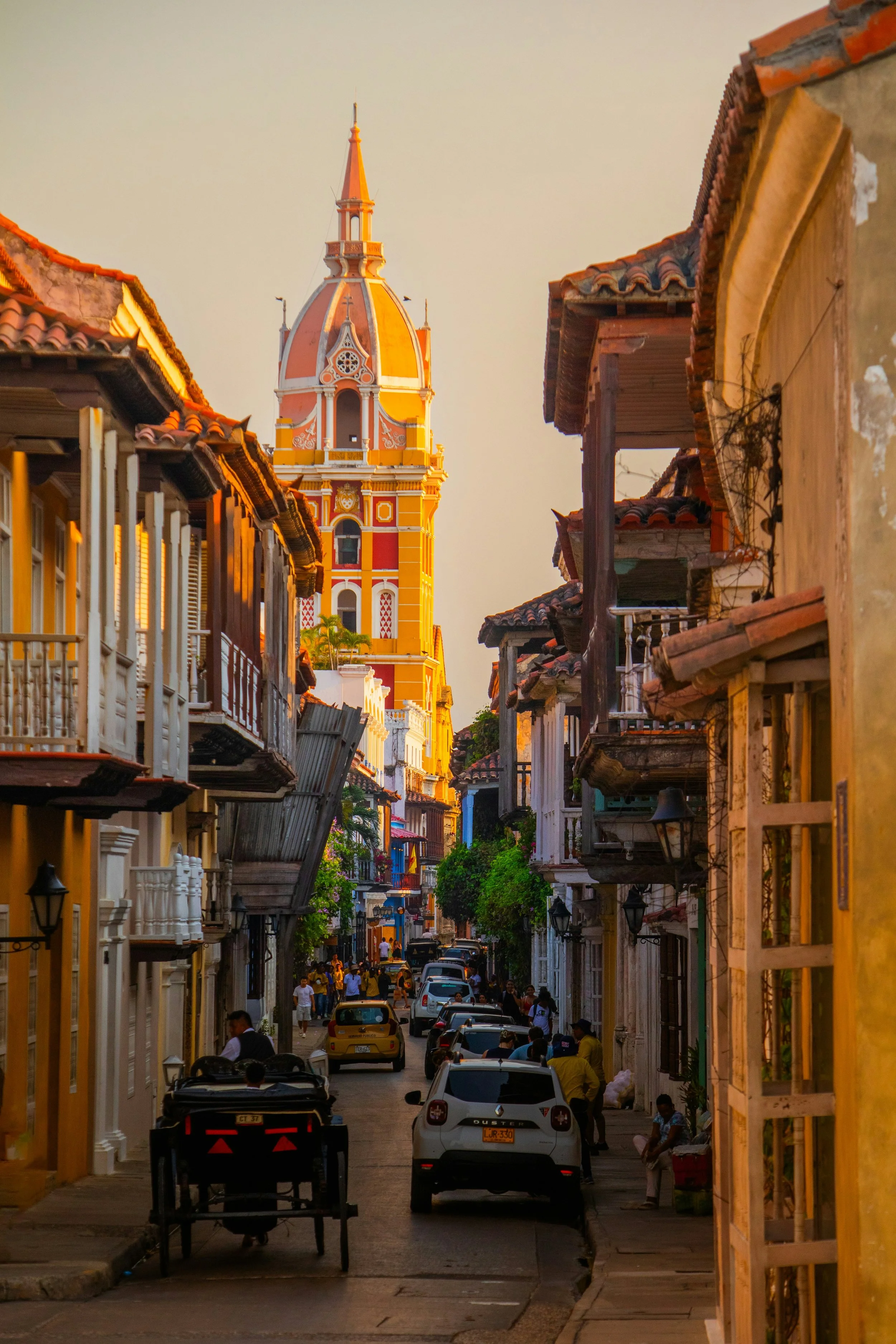
Cartagena by Jimmy Woo
One of the most striking features of Cartagena is its well-preserved old town, known as "Ciudad Amurallada" or the Walled City. Enclosed by formidable walls built in the 16th century to defend against pirate attacks, this area teems with charming cobblestone streets, colorful buildings adorned with bougainvillea, and historic sites that tell tales of the past. Walking through the narrow streets feels like stepping back in time; each corner presents an opportunity to discover beautiful squares such as Plaza Santo Domingo, where visitors can relax next to the famous sculpture of a reclining woman by Fernando Botero.
The historical significance of Cartagena is further highlighted by landmarks such as the Castillo San Felipe de Barajas, a fortress that dominates the skyline. This impressive structure, built by the Spanish in the 1600s, showcases military ingenuity and offers stunning panoramic views of the city and the Caribbean Sea. Exploring its labyrinthine tunnels provides a glimpse into the city’s strategic importance in colonial times and serves as a reminder of its enduring legacy.
Culture thrives in Cartagena, evidenced by its numerous festivals and art scenes. The city hosts the annual Hay Festival, which draws literary enthusiasts from across the world, showcasing discussions, workshops, and performances. Additionally, the city's Afro-Caribbean heritage comes alive in its music and dance, particularly during events like the Festival of the Heroes and the Caribbean Music Festival. In these moments, the rhythms of cumbia and vallenato fill the air, inviting locals and visitors alike to dance and celebrate.
Cartagena's culinary scene also reflects its diverse heritage, offering a delicious fusion of flavors influenced by indigenous, African, and Spanish traditions. Seafood reigns supreme, with dishes like ceviche and fried snapper served in beachside restaurants. Local markets brim with fresh produce and ingredients, while street vendors provide quick bites such as arepas and empanadas that capture the essence of Colombian comfort food. Dining in Cartagena is not just about sustenance but an immersive experience that highlights the city’s vibrant culture.
For those seeking relaxation, Cartagena boasts beautiful beaches such as Playa Blanca and the nearby Rosario Islands. These paradisiacal spots offer crystal-clear waters and palm-fringed shores, perfect for sunbathing, swimming, or snorkeling among vibrant coral reefs. The contrast between the historic cityscape and serene beaches creates an enticing allure that captivates every visitor.
Cartagena is more than just a destination; it is a cultural and historical landmark that enthralls with its beauty, warmth, and rich heritage. Whether wandering through its ancient streets, savoring its culinary delights, or soaking up the sun on its beaches, visitors will find themselves immersed in a magical atmosphere that celebrates the spirit of Colombia. As one explores Cartagena, it becomes clear why this city is often referred to as a gem of the Caribbean, waiting to be discovered and cherished.