Gobi Gurvansaikhan National Park, situated in the southern part of Mongolia, is a breathtaking expanse of wilderness that embodies the rugged beauty and ecological diversity of the Gobi Desert. Spanning over 4 million acres, this national park is not only a sanctuary for various wildlife species but also a site of geological and historical significance that draws adventurers and nature lovers from around the globe.
One of the most remarkable features of Gobi Gurvansaikhan National Park is its stark landscapes. The park encompasses a range of topographical elements, from towering sand dunes to rocky mountains and vast steppes. Among these varied terrains, the Khongoryn Els, often referred to as the "Singing Sands," is a highlight. These sweeping dunes can reach heights of up to 800 meters and emit a sound resembling singing when the wind sweeps across them. This natural phenomenon intrigues visitors and serves as a fantastic backdrop for photography and exploration.
Rich in biodiversity, the park is home to unique flora and fauna that have adapted to the harsh desert environment. Among its inhabitants are the elusive snow leopards, wild camels, and the critically endangered Gobi bear, one of the rarest bear species in the world. Birdwatchers can delight in spotting various migratory birds that stop in the park during their seasonal travels, while plant enthusiasts will find an array of resilient species like saxaul trees and desert herbs. The intricate web of life here highlights the importance of conservation efforts to protect these species and their habitats.
Furthermore, Gobi Gurvansaikhan National Park holds significant archaeological and paleontological value. Fossils discovered within the park have provided insights into prehistoric life, including the discovery of dinosaur eggs and skeletons, which reveal much about the Earth's distant past. The park's numerous ancient petroglyphs and ruins of historic settlements serve as reminders of the cultures that have thrived in this unforgiving yet beautiful landscape. Exploring these sites offers a glimpse into the rich history of human habitation and interaction with nature in the region.
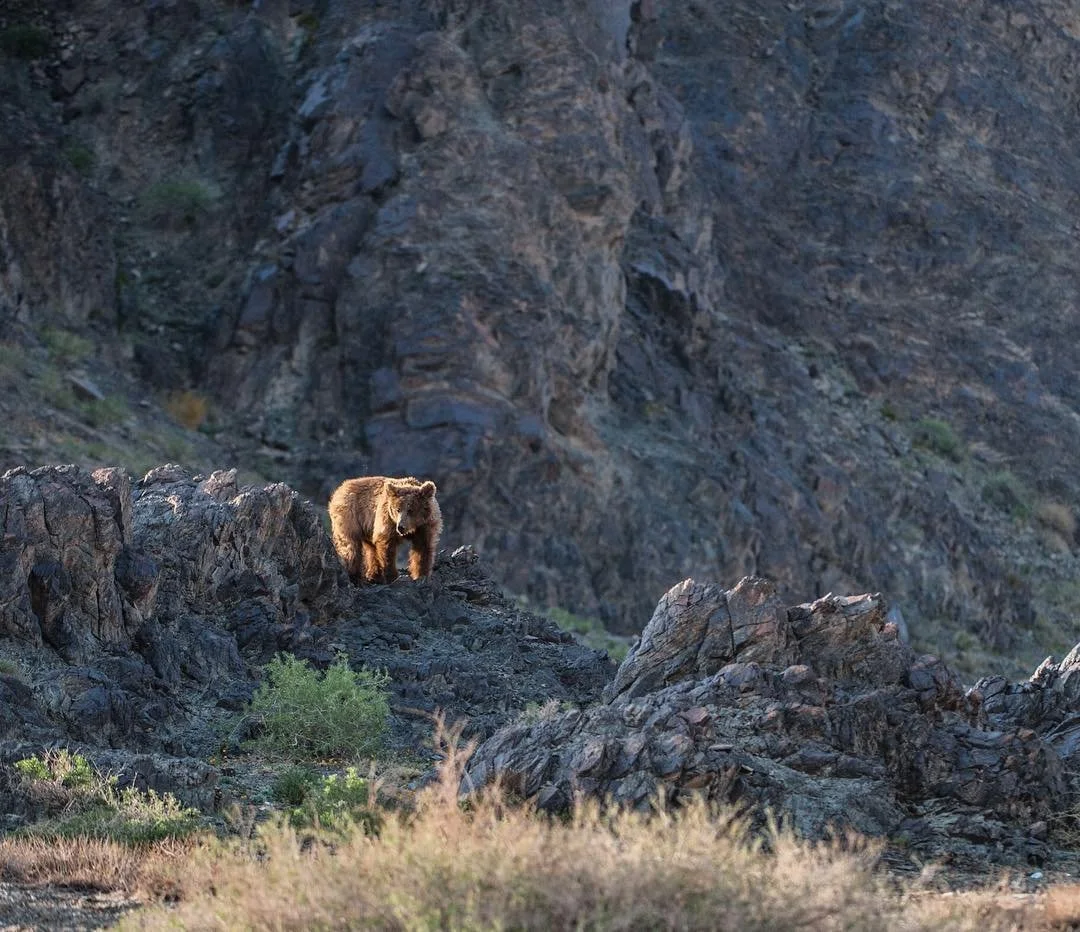
Gobi Bear by Joe Riis
Visiting Gobi Gurvansaikhan National Park presents opportunities for various outdoor activities, making it a popular destination for trekking, camel riding, and camping. Adventurers can embark on multi-day treks that lead through the park's diverse ecosystems, encountering stunning vistas and unique wildlife. Guided tours often include cultural experiences, allowing visitors to engage with local nomadic communities to learn about their traditional lifestyles and customs.
The park faces challenges, particularly due to climate change and human impact. As global temperatures rise, the delicate balance of this ecosystem is threatened, necessitating ongoing conservation efforts. Additionally, sustainable tourism practices need to be prioritized to minimize environmental footprints and ensure that the natural beauty and biodiversity of Gobi Gurvansaikhan National Park can be preserved for future generations.
Overall, Gobi Gurvansaikhan National Park stands as a testament to the untamed beauty of the Gobi Desert and its ecological significance. Its diverse landscapes, rich biodiversity, and historical importance make it a remarkable destination for those seeking adventure and a deeper understanding of nature. As we continue to explore and appreciate such environments, it remains crucial to commit ourselves to protecting these vital ecosystems, ensuring they endure for years to come.