Hiroshima, a city located in western Japan, is renowned for its tragic role in history, particularly as the first city to experience an atomic bombing during World War II on August 6, 1945. This catastrophic event not only altered the landscape of Hiroshima but also transformed it into a poignant symbol of peace and resilience. The exploration of Hiroshima delves into its historical significance, present-day culture, and the enduring message of peace that resonates from its recovery.
The atomic bomb, codenamed "Little Boy," was dropped by the American B-29 bomber Enola Gay, resulting in immense destruction and loss of life. It is estimated that over 140,000 people died by the end of 1945 as a result of the bombing, with countless others suffering from severe burns, radiation sickness, and psychological trauma. In the aftermath, Hiroshima lay in ruins, but the human spirit proved to be incredibly resilient. Reconstruction began almost immediately, driven by the will of its citizens to rise from the ashes of devastation.
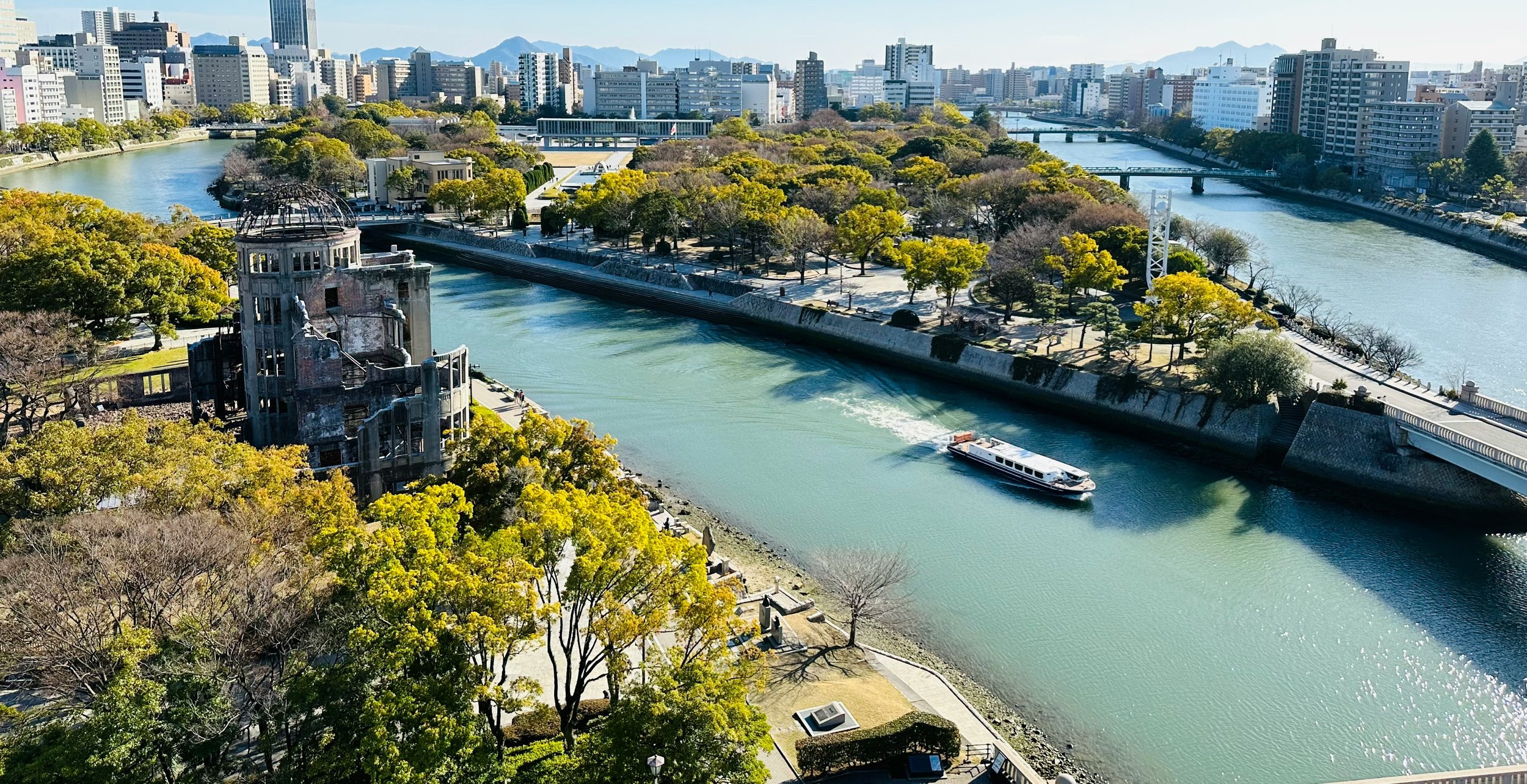
Hiroshima by Desmond Tawiah
Today, Hiroshima is a vibrant city that harmoniously blends its rich history with modernity. One of the most significant sites in Hiroshima is the Hiroshima Peace Memorial Park, which commemorates the victims of the atomic bombing and promotes a message of peace and anti-nuclear sentiment. The park features several poignant monuments, including the Atomic Bomb Dome, which was one of the few structures left standing near the bomb's epicenter. Preserved as a UNESCO World Heritage Site, this building serves as a stark reminder of the city's past and a symbol of hope for a future free of nuclear weapons.
In addition to the memorials and monuments, the Hiroshima Peace Memorial Museum offers visitors an in-depth look at the events surrounding the bombing and its aftermath. Through personal testimonies, artifacts, and exhibits, the museum provides a haunting but vital narrative of the experiences of those who lived through that harrowing day, fostering a deep understanding of the consequences of war and the importance of peace.
Culturally, Hiroshima has much to offer beyond its historical context. The city is famous for its culinary delights, particularly okonomiyaki, a savory pancake filled with a variety of ingredients that has become a local specialty. Visitors can enjoy this dish at numerous restaurants throughout the city, experiencing a taste of Hiroshima's unique culinary heritage. Furthermore, the city embraces arts and festivals, celebrating traditional Japanese culture while also welcoming contemporary art forms, thus creating a dynamic cultural scene.
Hiroshima has also taken significant steps toward becoming a hub for international dialogue on peace and disarmament. The city hosts various conferences and initiatives aimed at promoting global peace efforts. Notably, every year on the anniversary of the bombing, thousands gather to participate in ceremonies, reflecting on the past and advocating for a world without nuclear weapons.
Exploring Hiroshima reveals a city marked by devastation but defined by resilience and hope. The story of Hiroshima transcends its dark history, evolving into a narrative of peace and recovery. As a symbol of the lasting impact of war and the transformative power of forgiveness and healing, Hiroshima continues to inspire individuals worldwide to work towards a future where such tragedies are never repeated. By visiting and learning from Hiroshima, we honor the memories of those lost and commit to fostering a more peaceful world.