Karachi, the bustling metropolis of Pakistan, is a city that mirrors the complexities and vibrancy of its diverse populace. As the largest city in the country and one of the most populous urban areas in the world, Karachi serves as a cultural and economic hub that embodies the spirit of resilience and dynamism.
One of the most striking features of Karachi is its geographical diversity. Situated along the Arabian Sea, the city boasts a beautiful coastline that stretches for miles, offering picturesque views and numerous recreational opportunities. The beaches of Clifton and Hawke's Bay are popular spots for families and tourists seeking relaxation and leisure. At dawn, the rising sun casts a golden hue over the water, creating a breathtaking scene that beckons early risers and photographers alike.
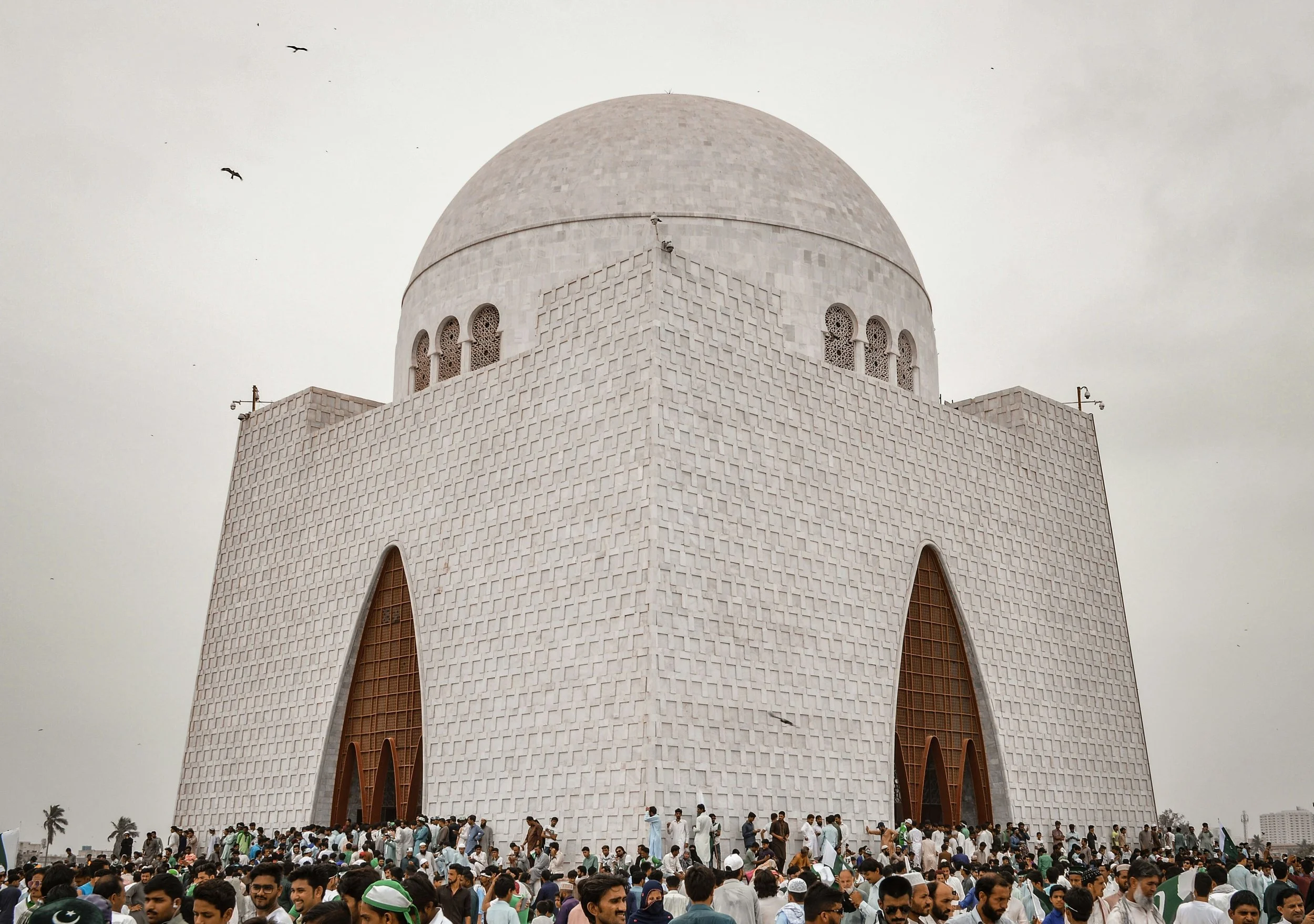
Mazar-e-Quaid, the final resting place of Muhammad Ali Jinnah, the founder of Pakistan | 📸 by Hassan Anwer
Beyond its coastal allure, Karachi is a melting pot of cultures, languages, and traditions. With a population that includes people from various ethnic backgrounds such as Sindhis, Punjabis, Balochis, and Mohajirs, the city's cultural tapestry is rich and colorful. This diversity is reflected in its festivals, cuisine, and daily life. The annual Sindh Cultural Day, celebrated with music, dance, and traditional attire, highlights the region’s heritage while fostering unity among its citizens.
Karachi's culinary scene is a reflection of its multicultural identity, presenting a delightful array of flavors and dishes. Street food is an integral part of the city’s culture, with vendors serving mouthwatering delights like biryani, kebabs, and samosas. Food streets such as Burns Road are famed for their bustling atmosphere and delectable options, drawing food lovers from all corners of the city. The blend of spices and cooking techniques encapsulates the rich history and tradition of the region, making Karachi a gastronomic paradise.
Economically, Karachi plays a pivotal role in the national landscape, being the financial powerhouse of Pakistan. It houses the Karachi Stock Exchange, as well as numerous banking and corporate offices. The port city is crucial for trade and commerce, facilitating both local and international business transactions. Its strategic location makes it a gateway for imports and exports, contributing significantly to the country's economy. In recent years, Karachi has also seen growth in technology and startup culture, with entrepreneurial ventures sprouting across the city, showcasing innovation and creativity.
Despite its numerous attractions and economic significance, Karachi faces challenges that impact its quality of life. Issues like traffic congestion, pollution, and inadequate infrastructure often plague the city. However, the resilience of its citizens shines through as they work collectively to address these problems. Community initiatives, environmental awareness programs, and social activism are on the rise, demonstrating a commitment to improving living conditions and promoting sustainable practices.
The historical landmarks around the city further encapsulate Karachi's essence. The Quaid-e-Azam's Mausoleum stands tall as a symbol of Pakistan's founding father, Muhammad Ali Jinnah, attracting visitors who pay their respects while learning about the country’s history. The vibrant markets of Saddar and Zainab Market offer a glimpse into the city’s commercial life, where traditional crafts coalesce with modern trends.
In a nutshell, exploring Karachi reveals a city that is complex yet captivating, where heritage intertwines with modernity. Its stunning coastline, rich cultural diversity, delicious cuisine, and economic vitality make it a dynamic place to visit or reside in. While it grapples with challenges, the inherent spirit of its people continues to foster hope and progress, painting a picture of a city that is ever-evolving and endlessly fascinating.