Luanda, the vibrant capital city of Angola, is a fascinating blend of rich history, culture, and rapid economic development. Overlooking the Atlantic Ocean, this bustling metropolis is not only the largest city in Angola but also one of the most important urban centers in Africa. Its historical significance, cultural diversity, and emerging economy make Luanda a unique destination worth exploring.
The history of Luanda dates back to 1575 when it was founded by the Portuguese explorer Paulo Dias de Novais. Initially established as a fortified trading port, Luanda quickly grew into a center for the slave trade, a dark chapter in its history that has shaped the city’s identity. The remnants of colonial architecture, such as the impressive Fort São Miguel and the beautiful Igreja de Nossa Senhora dos Remédios, provide a glimpse into the past and reflect the city's colonial heritage. These historical sites attract tourists and historians alike, eager to learn about the city’s tumultuous yet rich history.
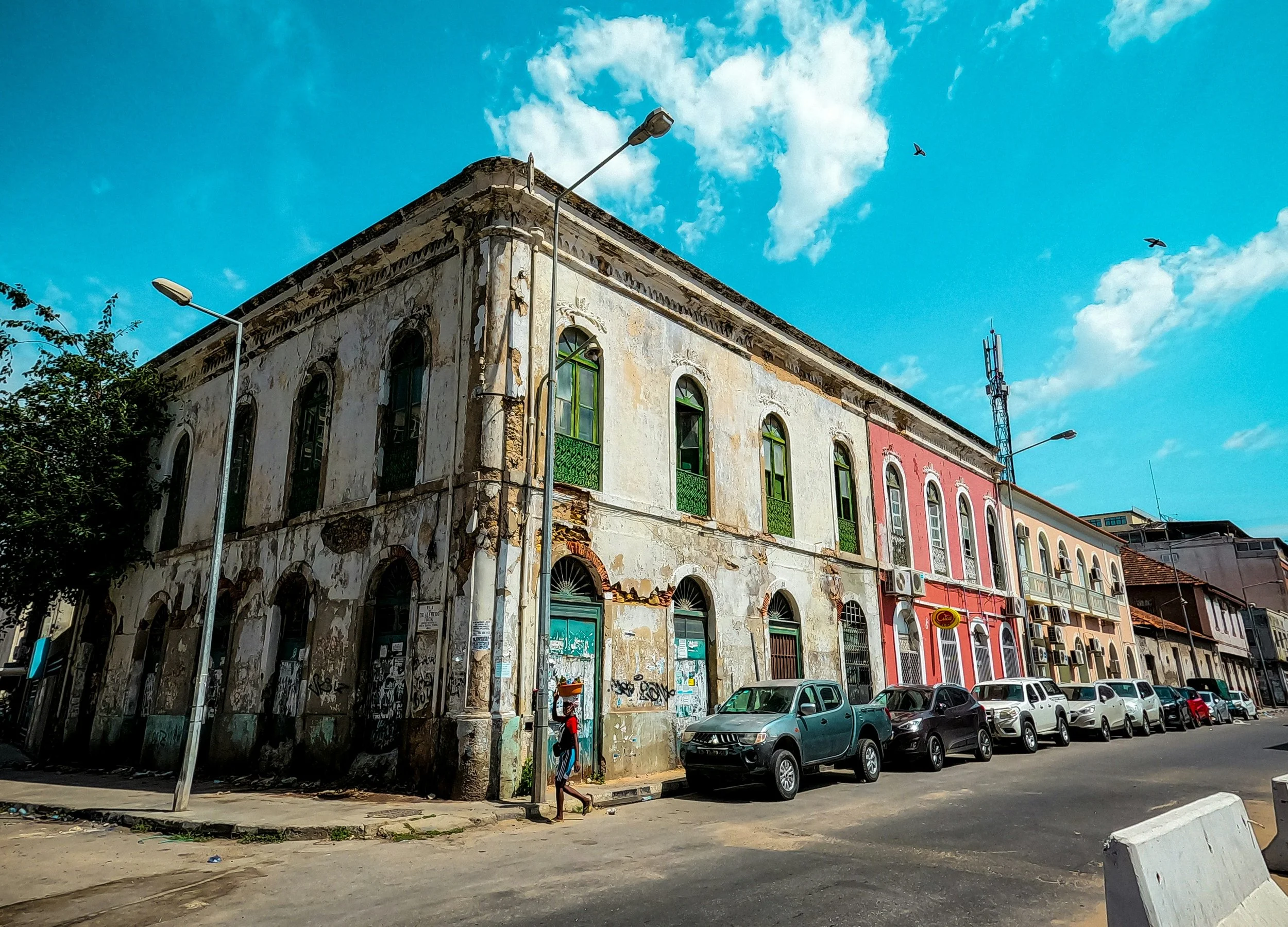
Luanda by Olhar Angolano
Today, Luanda is a city in transformation. Following the end of the civil war in 2002, Angola embarked on an ambitious reconstruction journey, resulting in significant economic growth. The city is witnessing a building boom, with modern skyscrapers like the Talatona Convention Hotel and the iconic Cidade Alta reflecting its aspirations for a bright future. Despite its rapid development, Luanda still retains a slice of its traditional charm, evident in its lively markets, where locals sell fresh produce, crafts, and textiles. The National Museum of Ancient Art offers another layer of cultural exploration, housing a collection of traditional Angolan art and artifacts that highlight the country's diverse heritage.
Culturally, Luanda is a melting pot of various ethnic groups and traditions. The predominant ethnic groups include the Ovimbundu, Kimbundu, and Bakongo, each contributing to the vibrant cultural tapestry of the city. Traditional music and dance form an integral part of life in Luanda, with styles such as Semba and Kuduro prevalent in local celebrations and gatherings. The city's nightlife is equally vibrant, with numerous bars and clubs where locals and visitors can enjoy live music, dance, and traditional Angolan cuisine.
The culinary scene in Luanda is a reflection of its cultural diversity. The city offers a wide array of dining options, from street food stalls serving delicious pastries such as “pão com mortadela” (bread with mortadella) to upscale restaurants showcasing exquisite Angolan dishes. Seafood is particularly popular, given Luanda's coastal location, with fresh fish and shellfish being integral to many local meals. Exploring Luanda through its food provides an authentic insight into the city's culture and traditions.
Luanda is not without its challenges. The city faces issues such as rapid urbanization, which has led to overcrowding and inadequate infrastructure in some areas. Access to basic amenities like clean water and sanitation remains a concern for many residents. The contrast between wealth and poverty is stark in Luanda, with affluent neighborhoods coexisting alongside informal settlements.
Luanda is a dynamic city that embodies the resilience of its people and the richness of its cultural heritage. From its historical landmarks to its vibrant arts scene, the city offers a plethora of experiences that captivate visitors. As Luanda continues to evolve and grow, it stands as a testament to Angola's journey towards modernization while honoring its past. For those seeking to explore a city full of life and history, Luanda promises an unforgettable experience.