The Maasai Mara National Reserve, located in southwestern Kenya, is one of Africa's most renowned wildlife conservation areas. Spanning approximately 1,510 square kilometers, it is part of the larger Serengeti ecosystem, which extends into Tanzania. The reserve is named after the Maasai people, the indigenous inhabitants of the region, and the Mara River that flows through it. This area is not only known for its breathtaking landscapes but also for its rich biodiversity and significant cultural heritage.
One of the most captivating aspects of the Maasai Mara is its immense variety of wildlife. Home to the "Big Five"—lions, leopards, elephants, rhinoceroses, and Cape buffaloes—the reserve is a haven for animal lovers and wildlife enthusiasts. The annual wildebeest migration, where over a million wildebeests and hundreds of thousands of zebras travel from the Serengeti to the Maasai Mara in search of greener pastures, is a spectacular event witnessed between July and October. This migration draws visitors from around the world, eager to witness the dramatic river crossings, where these animals face the danger of crocodiles lurking beneath the surface of the Mara River.
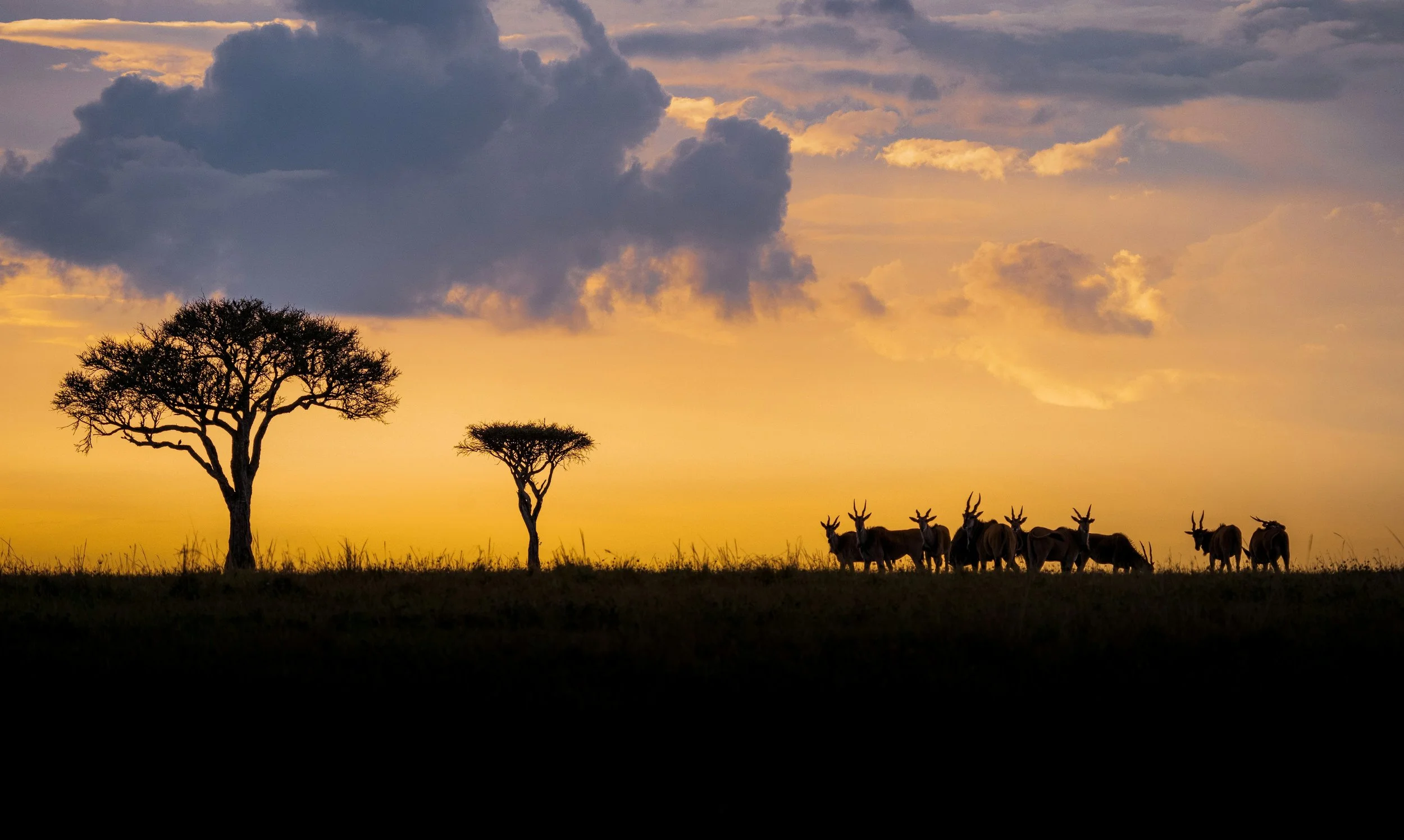
Maasai Mara by Ahmed Galal
In addition to the migration, the Maasai Mara hosts a diverse array of ecosystems. From vast savannahs dotted with acacia trees to grasslands and riverine forests, each habitat supports unique flora and fauna. The reserve's varied landscape not only contributes to its ecological richness but also provides a stunning backdrop for photography and exploration. Visitors can embark on game drives, guided walking safaris, or hot air balloon rides, each offering a different perspective of this pristine environment.
Culturally, the Maasai people are integral to the identity of the Maasai Mara region. Renowned for their distinctive customs, vibrant dress, and the famous warrior tradition, the Maasai maintain a semi-nomadic lifestyle that revolves around cattle herding. Interaction with the Maasai offers visitors a glimpse into their traditions and way of life. Many lodges and camps in the area work in partnership with local communities, providing opportunities for cultural exchanges, such as visiting traditional villages and participating in local ceremonies.
Environmental conservation is crucial for preserving the beauty and wildlife of the Maasai Mara. The challenges posed by poaching, climate change, and human-wildlife conflict threaten the delicate balance of this ecosystem. Efforts by various organizations and the Kenyan government aim to protect the reserve and enhance sustainable tourism practices. Educating visitors about responsible tourism and the importance of conservation helps ensure that future generations can enjoy the marvels of the Maasai Mara.
The Maasai Mara has become a symbol of ecotourism in Africa, showcasing how wildlife conservation can go hand in hand with community well-being and economic development. Responsible tourism practices encourage visitors to respect wildlife habitats and support local communities, fostering a mutual bond between people and nature.
The Maasai Mara National Reserve stands out as a jewel in Kenya’s crown of natural wonders. With its spectacular wildlife, diverse ecosystems, rich cultural heritage, and ongoing conservation efforts, it is a destination that captivates the hearts of those who visit. Whether witnessing the thrill of the wildebeest migration, exploring the stunning landscapes, or engaging with the Maasai people, the Maasai Mara promises an unforgettable experience that underscores the beauty of nature and the importance of preserving it.