Nanjing, the capital of Jiangsu Province in eastern China, is a city rich in history and culture. It boasts a vibrant blend of ancient heritage and modern development, attracting travelers from around the world. Known historically as the capital for several dynasties, including the Ming Dynasty, Nanjing holds a significant place in Chinese history, making it an essential destination for both tourists and scholars.
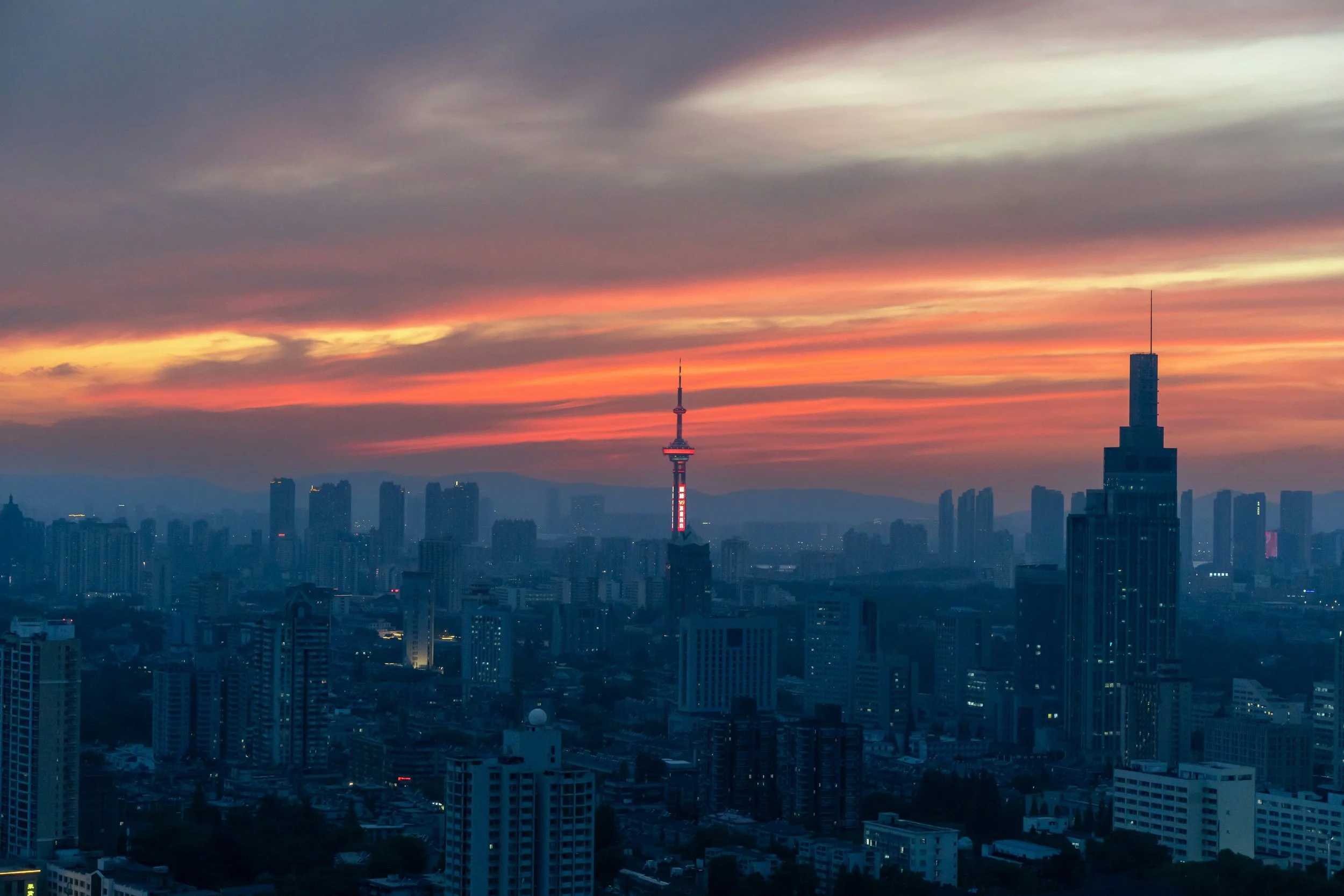
Nanjing by Tianyang Zheng
One of the most iconic landmarks in Nanjing is the Ming Xiaoling Mausoleum, the tomb of the Hongwu Emperor, the first emperor of the Ming Dynasty. This UNESCO World Heritage site, which dates back to the 14th century, exemplifies magnificent traditional Chinese architecture and provides visitors with insight into the imperial history of the region. The approach to the mausoleum features the Spirit Way, a path flanked by stone sculptures of animals and officials that serve as guardians of the tomb. Walking along this pathway feels like stepping back in time, allowing one to appreciate the grandeur of China’s imperial past.
Another historical site of great importance is the Nanjing Massacre Memorial Hall, dedicated to the victims of the Nanjing Massacre during the Second Sino-Japanese War. This museum serves as a somber reminder of the atrocities of war and highlights the importance of peace and reconciliation. Through haunting exhibits, photographs, and survivor testimonies, the memorial educates visitors about this dark chapter in history, aiming to instill a sense of respect and reflection.
Beyond its historical significance, Nanjing also offers stunning natural beauty. Xuanwu Lake, located at the foot of Purple Mountain, is a scenic area where locals and tourists gather to relax, exercise, and enjoy nature. The lake is surrounded by lush gardens, walking paths, and pavilions, making it a perfect spot for picnicking or simply taking in the serene landscape. The backdrop of Purple Mountain adds to the picturesque setting, especially during autumn when the leaves change color, creating a vibrant tapestry of reds and yellows.
Shopping enthusiasts will find Nanjing’s bustling markets and modern shopping centers delightful. The Hunan Road shopping district is filled with a variety of shops, from international brands to local boutiques, offering a wide range of products. Nanjing is also renowned for its culinary scene, with dishes like salted duck and dumplings being must-tries. Exploring the food stalls and restaurants provides a rich sensory experience, as visitors can savor the unique flavors that define the city’s cuisine.
Furthermore, Nanjing is a city that embraces modernity while preserving its historical essence. The city's skyline features contemporary architecture, including the impressive Nanjing Yangtze River Bridge, which symbolizes the connection between the past and the present. This bridge not only connects Nanjing to its neighboring areas but also stands as an engineering marvel reflecting China's rapid development.
Exploring Nanjing offers a multifaceted experience rich in culture, history, and natural beauty. From the ancient relics of the Ming Dynasty to the poignant reminders of the past in the Memorial Hall, each aspect of the city tells a story waiting to be discovered. Nestled amid beautiful landscapes and modern urban life, Nanjing invites visitors to delve into its heritage while enjoying the comforts of contemporary life. A visit to this remarkable city promises both enlightenment and enjoyment, making it a noteworthy stop on any traveler’s itinerary.