
Salvador by Marianna Smiley
Salvador, the capital of the state of Bahia in Brazil, is a city that pulsates with energy, culture, and history. Recognized for its rich African heritage, Salvador stands as a living testament to the legacy of the transatlantic slave trade, which has profoundly shaped its societal fabric. The city is not just a destination; it is an experience characterized by its colorful streets, jubilant festivals, and a unique blend of old and new.
One of the most remarkable aspects of Salvador is its historic center, known as Pelourinho. This UNESCO World Heritage site features streets lined with colonial architecture, where pastel-colored buildings reflect the city’s vibrant aura. As one strolls through the cobblestone streets, the rhythmic beats of drums can often be heard, inviting one to witness spontaneous cultural expressions. The squares are alive with music and dance, showcasing the traditional capoeira performances that originated from African slaves. Pelourinho is not merely a backdrop but a dynamic environment where the past intertwines with the present.
The music video for They Don't Care About Us by Michael Jackson was partially filmed in Salvador, Bahia (among other locations).
Salvador is also famous for its festivals, many of which are rooted in African traditions. The Carnival in Salvador is one of the largest and most spirited celebrations in the world. Unlike Rio de Janeiro's Carnival, which is dominated by samba parades, Salvador’s celebration is a fusion of music genres, including axé, pagode, and reggae. During this period, the streets come alive with revelers donning vibrant costumes, dancing to the infectious rhythms while massive sound trucks lead the way. It is a time when every Salvadoran, regardless of age or background, participates in the joyous atmosphere, embodying a sense of community and shared celebration.
Culinary experiences in Salvador further enrich the cultural tapestry of the city. Bahian cuisine, known for its bold flavors and spices, is heavily influenced by African ingredients and techniques. Dishes such as acarajé, a deep-fried ball made from black-eyed peas filled with shrimp and spices, and moqueca, a coconut milk-based seafood stew, are fundamental to local gastronomy. Dining in Salvador is not just about the food; it is about storytelling and tradition, as meals are often enjoyed with family and friends, fostering connections and preserving cultural practices.
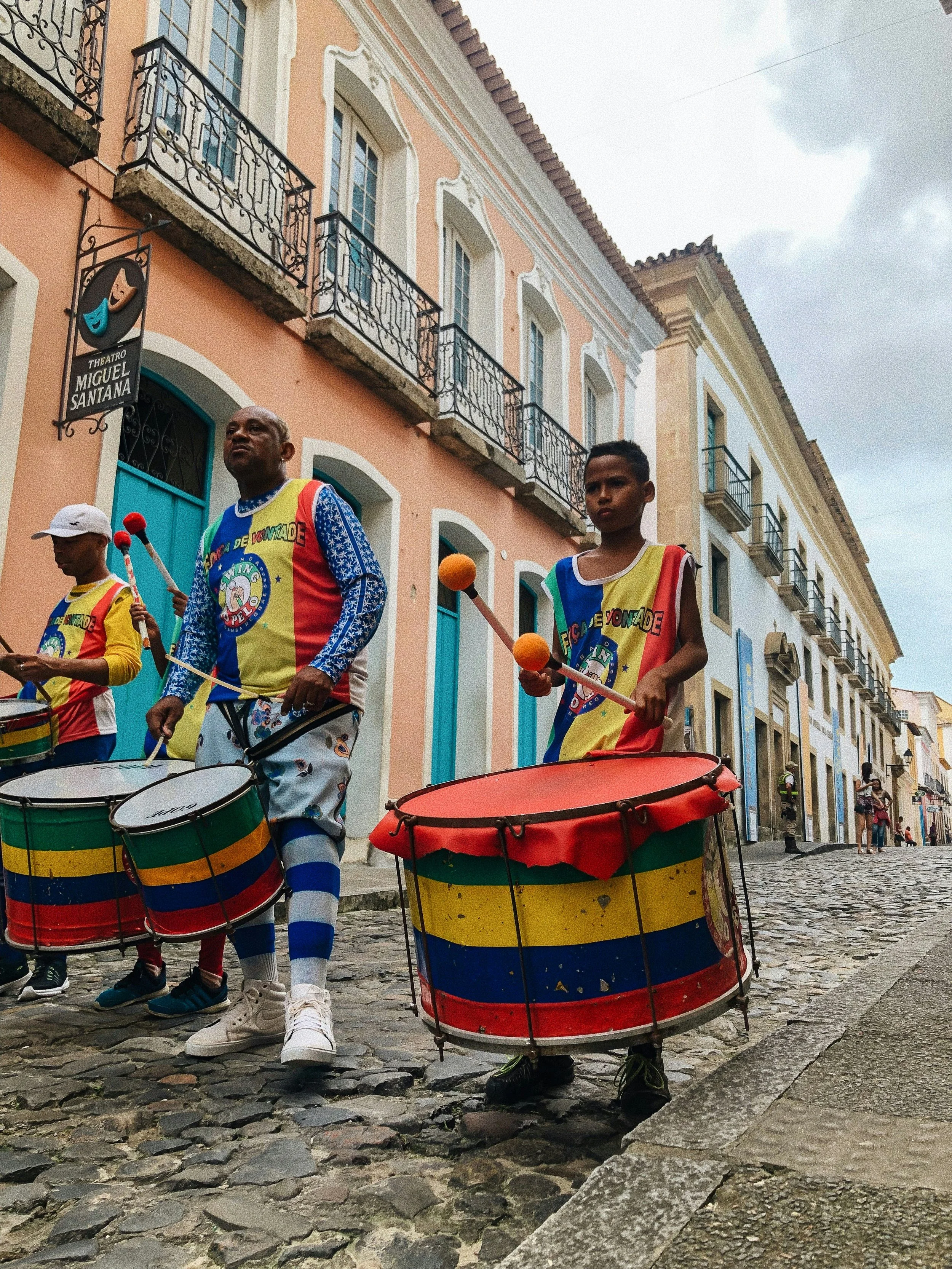
Salvador by Woton Campos
The city’s art scene is another cornerstone of its identity. Salvador is home to numerous galleries and studios that celebrate both contemporary and traditional African art. Artists like Carybé, who beautifully captured the essence of Bahian life through his paintings, have left a lasting mark on the city’s artistic landscape. Additionally, the Museum of Brazilian Music showcases the evolution of music in Brazil, honoring its roots while highlighting its contemporary expressions.
Nature lovers will find refuge in Salvador's stunning coastline. The beaches, such as Porto da Barra and Flamengo, offer a serene escape, with golden sands and azure waters lapping at the shore. Here, one can relax under the sun, partake in water sports, or simply enjoy the breathtaking sunset that paints the sky in hues of orange and pink.
Exploring Salvador is akin to embarking on a journey through time and culture. Every corner reveals a piece of its rich history, vibrant traditions, and an inviting spirit that welcomes visitors with open arms. From the rhythm of its music to the flavors of its food, Salvador is a city that captivates the heart and soul, making it an unforgettable destination for anyone willing to experience its authentic beauty.