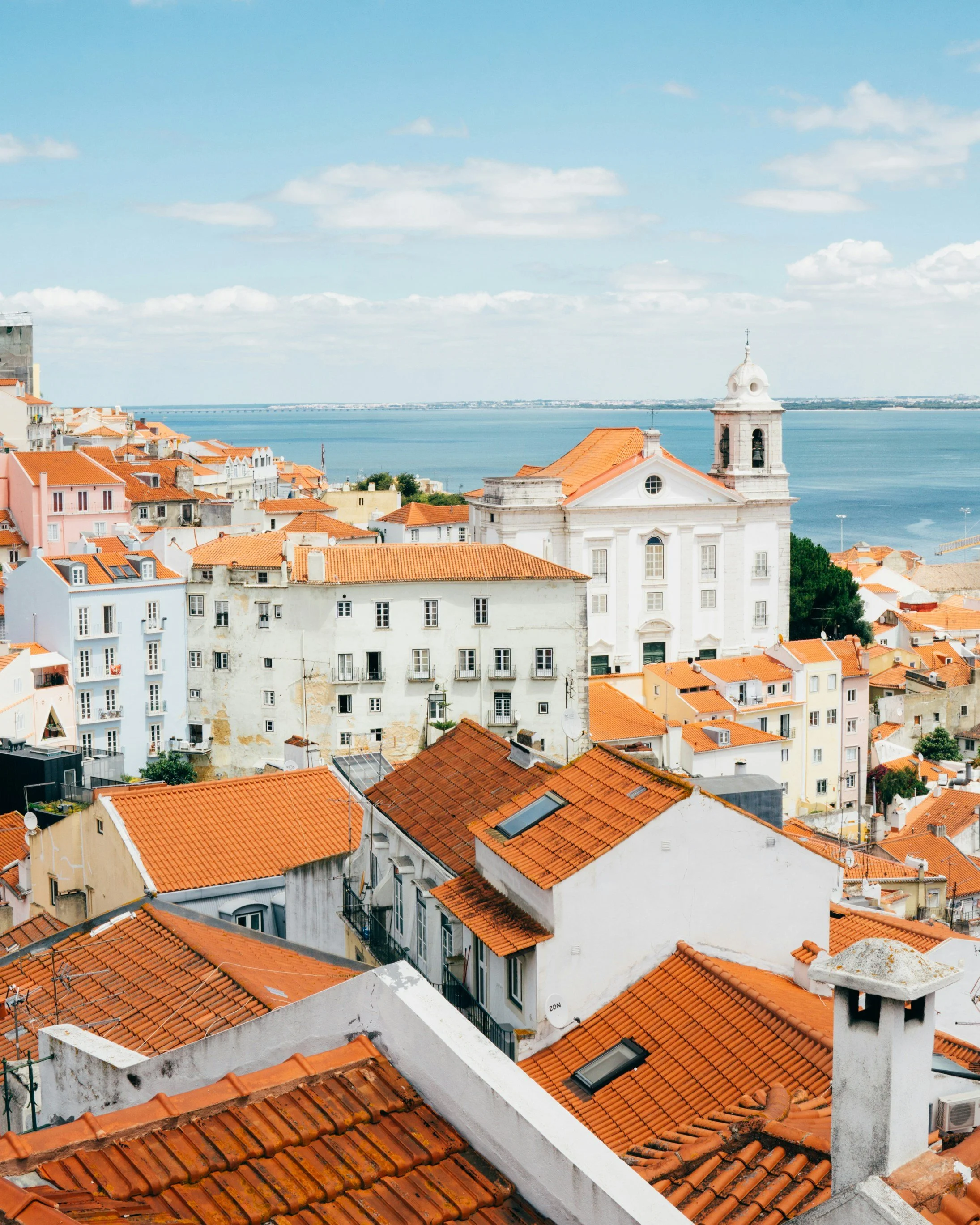
Milan: The fashion capital of the world

Milan, the fashion capital of the world, is a vibrant city steeped in history and culture. Located in Northern Italy, this bustling metropolis is known for its rich artistic heritage, stunning architecture, and culinary delights.

At the heart of Milan lies the iconic Duomo di Milano, a magnificent Gothic cathedral that took nearly six centuries to complete. The intricate façade and breathtaking stained glass windows are a testament to the city's artistic prowess. Visitors can ascend to its rooftop for panoramic views of the city and beyond.
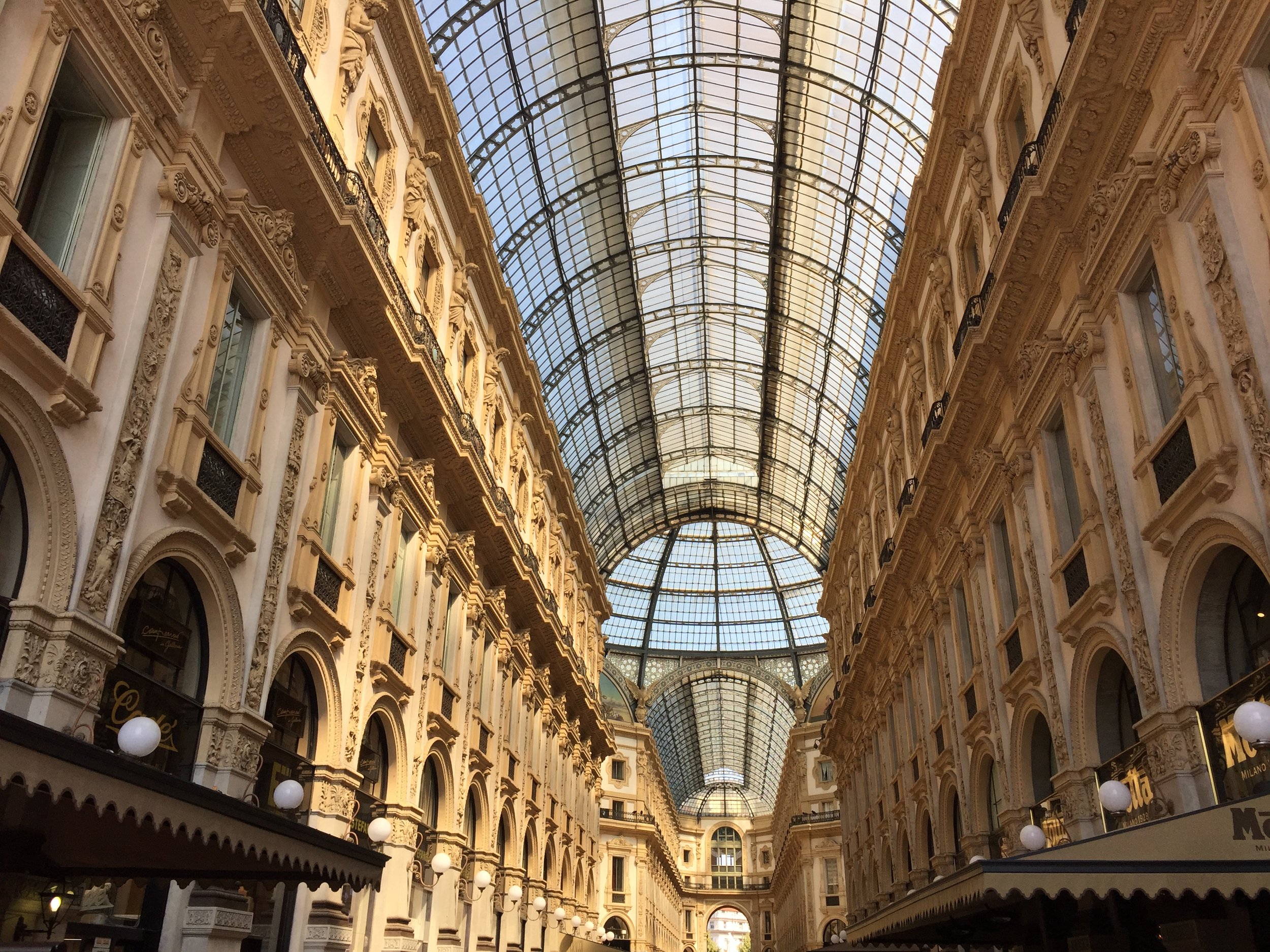
Nearby, the Galleria Vittorio Emanuele II offers a glimpse into the elegance of 19th-century design. This grand shopping arcade is not only a hub for luxury brands but also a place to enjoy a traditional Italian coffee while surrounded by exquisite mosaics.

Milan is home to some of the most renowned art collections in the world. The Santa Maria delle Grazie houses Leonardo da Vinci's masterpiece, The Last Supper, an artwork that attracts thousands of visitors each year. For modern art enthusiasts, the Museo del Novecento showcases works from the 20th century, reflecting the dynamic evolution of Italian art.

As a global fashion center, Milan hosts prestigious events such as Milan Fashion Week, where top designers set trends for the coming seasons. The city's famous shopping district, Quadrilatero della Moda, boasts flagship stores of luxury brands, making it a paradise for fashion lovers.

No visit to Milan would be complete without indulging in its culinary scene. Traditional dishes such as Risotto alla Milanese, Osso Buco, and Panettone are must-tries. Local trattorias offer authentic experiences, allowing visitors to savor the flavors of Lombardy in a warm and inviting atmosphere.

Milan is more than just a city of fashion; it is a vibrant tapestry of history, art, and gastronomy. Whether wandering the streets adorned with stunning architecture, exploring world-class museums, or enjoying delicious Italian cuisine, every corner of Milan tells a story waiting to be discovered.
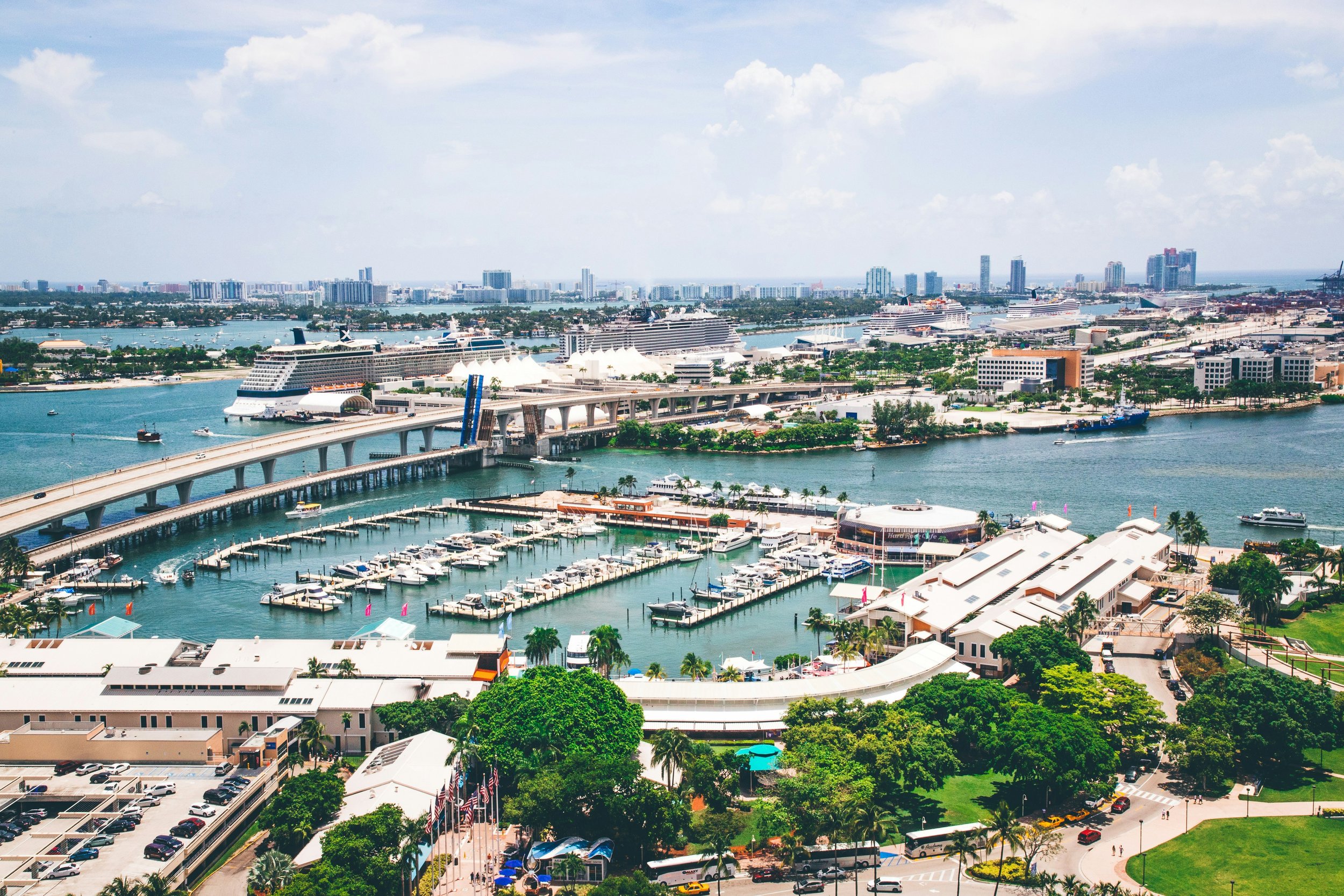
Miami: Where the Magic Happens

Miami, a vibrant city located in the southeastern tip of Florida, is renowned for its unique blend of cultures, stunning beaches, and bustling nightlife. This tropical paradise, known as the "Magic City," offers an array of attractions and experiences that draw millions of visitors each year. From its rich history to its modern-day allure, Miami is a place where contrasts thrive, making it one of the most captivating cities in the United States.

Miami by Pontus Wellgraf

One of the defining features of Miami is its cultural diversity. The city is home to a large Latin American and Caribbean population, which has profoundly influenced its art, music, cuisine, and festivals. The influence of Hispanic culture is especially prominent in neighborhoods like Little Havana, where visitors can find lively streets filled with the aroma of Cuban coffee, the rhythm of salsa music, and the vibrant colors of traditional art. The Calle Ocho Festival, held annually in Little Havana, showcases this cultural richness, celebrating Latin heritage through music, dance, and food. Additionally, the city's thriving art scene is exemplified by the Wynwood Walls, an outdoor museum displaying colorful street art by artists from around the world, highlighting Miami's role as a contemporary art hub.

Beyond its cultural offerings, Miami is famous for its beautiful beaches. The pristine shores of South Beach are particularly well-known, attracting sunbathers, swimmers, and beachgoers looking to enjoy the warm Atlantic waters. The iconic Art Deco Historic District nearby adds to the unique character of the area, with its pastel-colored buildings that reflect the architectural style of the 1920s and 1930s. Visitors can stroll along Ocean Drive, soaking in the sun and the lively atmosphere, or dine at one of the many beachfront restaurants that offer fresh seafood and delicious cocktails.

Miami’s nightlife is another significant aspect of its allure. The city boasts a vibrant club scene, where world-class DJs spin tracks until the early morning hours. Areas like Downtown Miami and South Beach come alive after dark, featuring everything from upscale nightclubs to intimate lounges. The annual Miami Music Week and Ultra Music Festival attract electronic music enthusiasts from all corners of the globe, further solidifying the city's reputation as a nightlife powerhouse. For those seeking a more relaxed evening, there are countless bars and rooftop lounges that provide stunning views of the skyline and the ocean, making it easy to unwind in style.

Miami by Kelly Russo

The city's economy has also evolved dramatically over the years, transforming Miami into a global business hub. With a strategic location between North and South America, it serves as a vital center for international trade and tourism. The presence of numerous multinational corporations and financial institutions has fueled economic growth, while the Port of Miami, known as the "Cruise Capital of the World," contributes significantly to the local economy by welcoming millions of cruise passengers each year.

Miami is a city that embodies a unique blend of cultures, natural beauty, and dynamic energy. Its diverse population enriches its social fabric, while its stunning beaches and nightlife make it a premier destination for tourists. As Miami continues to develop and grow, it remains a symbol of resilience and vibrancy, captivating all who visit with its distinct charm and allure. Whether you are exploring its rich history or enjoying the latest trends in food and entertainment, Miami truly offers something for everyone, ensuring its status as a magical destination in the heart of Florida.

Namibia: The Land of the Brave

Namibia, located in southwestern Africa, is a country characterized by its stunning landscapes, rich cultural heritage, and diverse wildlife. Bordered by the Atlantic Ocean to the west, Angola to the north, Botswana to the east, and South Africa to the south, Namibia boasts a variety of geographical features that range from deserts to mountains and coastal plains.

The history of Namibia is complex and marked by colonial influences. Initially inhabited by indigenous groups such as the Himba, Herero, and San people, Namibia underwent significant changes during the late 19th century with the arrival of European colonizers. After World War I, the territory came under South African administration, which extended its racial segregation policies into Namibia. It wasn't until 1990, after years of struggle led by the South West Africa People's Organization (SWAPO), that Namibia gained independence. This historical context is essential to understanding the country’s present-day identity and cultural dynamics.

Culturally, Namibia is a tapestry woven from various ethnicities and traditions. The population reflects a rich blend of influences, predominantly from the indigenous tribes and the impacts of German and Afrikaans settlers. Traditional music, dance, and crafts remain integral to Namibian culture, with many communities preserving their customs despite modernization. Highlights include the stunning beadwork of the Himba women and the vibrant festivals celebrated across the country. The capital city, Windhoek, serves as a cultural hub where contemporary galleries, theaters, and museums showcase Namibia's artistic evolution, including the National Museum of Namibia which presents the nation’s history and heritage.

Namibia is renowned for its breathtaking landscapes and diverse ecosystems. The country is home to the Namib Desert, one of the oldest deserts in the world, famous for its towering sand dunes, especially at Sossusvlei. This striking contrast of red dunes against the blue sky attracts photographers and adventurers alike. Moreover, the Etosha National Park, a wildlife sanctuary covering over 22,000 square kilometers, is an essential aspect of Namibia's natural beauty. The park houses an array of wildlife, including elephants, lions, rhinos, and numerous bird species, offering a captivating experience for tourists and ecologists.

Economically, Namibia is classified as a middle-income country, largely reliant on mining, agriculture, and tourism. Diamonds, uranium, and gold are among the country’s most significant exports, making mining a central component of its economy. However, the government has been working to diversify the economy by promoting sustainable practices in agriculture and increasing investment in the tourism sector. Eco-tourism has gained traction as more visitors seek authentic experiences that also contribute to conserving the environment and supporting local communities.

Namibia offers a unique blend of history, culture, and natural beauty. With its complex past, vibrant traditions, and stunning landscapes, the country stands as a testament to resilience and diversity. As Namibia continues to grow and evolve, it remains a fascinating destination for travelers seeking to explore both its natural wonders and its rich cultural tapestry. Whether it's the allure of the desert or the warmth of its people, Namibia captivates the hearts of all who venture into its extraordinary landscapes.

Sydney: The Emerald City

Sydney, the vibrant capital of New South Wales, is one of Australia's most iconic cities, renowned for its stunning natural harbor, striking architecture, and diverse culture. With a population of over 5 million, Sydney stands as a major financial hub and a center for arts and entertainment, attracting millions of visitors each year.

One cannot discuss Sydney without mentioning its most recognizable symbol, the Sydney Opera House. Designed by Danish architect Jørn Utzon and completed in 1973, this architectural marvel boasts a series of sail-like structures, perfectly positioned against the backdrop of Sydney's beautiful harbour. The Opera House is not only a functional theatre but also a UNESCO World Heritage Site, drawing tourists and locals alike to enjoy its world-class performances ranging from opera to contemporary dance. Nearby, the Sydney Harbour Bridge offers another iconic view. Spanning 1,149 meters, this steel arch bridge connects the city’s central business district with the North Shore. Visitors can experience breathtaking views of the harbour by climbing to its summit or simply strolling along its pedestrian pathway.

Sydney’s diverse neighborhoods add to its dynamic character, each offering distinct experiences and atmospheres. The historic district of The Rocks, for instance, features cobbled streets lined with colonial buildings, art galleries, boutiques, and eateries that provide a glimpse into the city’s past. It is an ideal place for tourists who wish to immerse themselves in the local culture. Just a short distance away, the bustling area of Darling Harbour showcases modern attractions like the SEA LIFE Sydney Aquarium and the Australian National Maritime Museum, making it a family-friendly destination. Meanwhile, Bondi Beach epitomizes Sydney's laid-back lifestyle; its golden sands and surf-friendly waves attract both locals and tourists seeking sun and leisure. The Bondi to Coogee coastal walk further enhances the allure of the beach, offering stunning ocean views and a chance to appreciate the city’s natural beauty.

Culturally, Sydney is a melting pot where traditions from around the globe coexist harmoniously. The city hosts numerous festivals throughout the year, celebrating everything from film to food. The Sydney Festival in January showcases performances in various art forms, while the Vivid Sydney festival lights up the city with spectacular light installations and music. Furthermore, Sydney is home to a thriving culinary scene, boasting a diverse array of dining options that reflect its multicultural demographics. From fine dining in upscale restaurants to authentic street food, Sydney’s gastronomy is an adventure of its own.

Additionally, Sydney's natural beauty plays a crucial role in its appeal. The Royal Botanic Garden, nestled near the Opera House, provides a serene escape amid the urban landscape, showcasing a variety of plants native to Australia. The city is also surrounded by beautiful beaches, national parks, and scenic coastal routes, inviting outdoor enthusiasts to explore nature’s offerings. Places like the Blue Mountains, just a short drive from the city, provide opportunities for hiking, rock climbing, and appreciating breathtaking views of the Australian bushland.

Sydney is a city that embodies a perfect blend of natural beauty, architectural wonder, and cultural richness. From iconic landmarks and diverse neighborhoods to a vibrant arts scene and breathtaking landscapes, it offers something for everyone. Whether one seeks adventure, relaxation, or cultural enrichment, Sydney stands as a testament to Australia’s charm and spirit, making it a must-visit destination for travelers worldwide.

Batumi: The Las Vegas of the Black Sea

Batumi, a vibrant city located on the coast of the Black Sea in Georgia, is renowned for its stunning architecture, rich history, and flourishing tourism. This dynamic city serves as a critical port and a significant cultural hub, attracting visitors from around the globe with its unique blend of modernity and tradition.

One of Batumi's most striking features is its skyline, which boasts an eclectic mix of architectural styles. The city has undergone significant transformation in recent years, leading to a surge of contemporary high-rises that stand alongside historical buildings. The Batumi Boulevard, stretching along the seaside, is a perfect example of this architectural juxtaposition, where visitors can wander past palm trees and fountains while enjoying views of the sea. Iconic sights such as the Alphabet Tower, shaped like a DNA strand and adorned with the Georgian alphabet, embody the city's modern spirit, while the elegant Neptune Fountain reminds us of Batumi's storied past. These structures not only enhance the aesthetic appeal of the city but also reflect the unique identity of Batumi, bridging the gap between its historical roots and its aspirations for the future.

The historical significance of Batumi is profound. Once a major trading post on the Silk Road, the city has witnessed various cultures and influences throughout its existence. The remnants of this history can be seen in the Old Town, where cobbled streets are lined with charming cafes and shops housed in buildings that date back to the 19th century. Architectural elements from different periods reflect the diverse heritage, including Gothic, Art Nouveau, and traditional Georgian styles. The Batumi Mosque and the Church of St. Nicholas stand as testaments to the city’s religious diversity and tolerance.

Cultural life in Batumi is vibrant and multifaceted. The city hosts numerous festivals and events throughout the year, celebrating everything from music to film to gastronomy. The Batumi International Art-House Film Festival is particularly noteworthy, drawing filmmakers and cinema lovers from various countries. Additionally, the local cuisine offers a delightful exploration of flavors, heavily featuring seafood due to the city’s coastal location. Traditional Georgian dishes such as khachapuri (cheese-filled bread) and khinkali (dumplings) can be enjoyed at many eateries, providing visitors with an authentic taste of the region.

Tourism is a crucial element of Batumi's economy, and the city has made significant investments in infrastructure to support its growth as a travel destination. The Batumi International Airport and the ongoing development of hotel accommodations cater to the increasing number of tourists seeking to experience everything the city has to offer. The seamless blend of beach relaxation and urban excitement makes Batumi an attractive spot for travelers looking for both adventure and leisure.

Natural beauty surrounds Batumi, enhancing its allure as a travel destination. The Adjara region is characterized by lush mountains and picturesque landscapes, offering opportunities for hiking and outdoor activities. The Batumi Botanical Garden, perched on a hillside overlooking the Black Sea, is a haven for nature lovers and provides a serene escape from the bustling city life. Visitors can immerse themselves in the diverse flora and scenic vistas, making it a must-visit location.

Batumi is a city that encapsulates a harmonious blend of history, culture, and modernity. Its unique architectural landscape, rich historical background, vibrant cultural scene, and stunning natural surroundings make it a remarkable destination. Whether one is drawn to explore its historic streets, relax by the beach, or indulge in delicious Georgian cuisine, Batumi promises an unforgettable experience for every visitor.

Discover Chilean Patagonia

Chilean Patagonia, a vast region located at the southern end of South America, is characterized by its stunning landscapes, diverse ecosystems, and rich cultural heritage. Spanning over 400,000 square kilometers, this region encompasses fjords, mountains, glaciers, and lush forests, making it one of the most breathtaking natural wonders in the world. Beyond its scenic beauty, Chilean Patagonia is a land steeped in tradition, attracting adventurers, nature lovers, and those seeking solitude.

One of the most iconic features of Chilean Patagonia is its rugged terrain, dominated by the Andes mountain range. Towering peaks such as Cerro Fitz Roy and the granite spires of Torres del Paine National Park offer dramatic vistas that draw hikers and climbers from around the globe. The park itself is a UNESCO Biosphere Reserve, known for its biodiversity and the variety of ecosystems ranging from arid steppes to dense forests. Visitors can embark on the famous W Trek, a multi-day hike that delivers an intimate experience with towering mountains, glacial lakes, and abundant wildlife, including guanacos, Andean condors, and flamingos.

Torres del Paine National Park by Olga Stalska

In addition to its natural wonders, Chilean Patagonia is home to expansive ice fields. The Southern Patagonian Ice Field, the second-largest contiguous extrapolar ice field, provides a dramatic backdrop and serves as a significant environmental feature. Glaciers, such as the Perito Moreno and Grey Glacier, are not just visually arresting; they are vital indicators of climate change. Observing these glaciers calving into turquoise waters offers visitors a humbling reminder of nature's power and fragility.

The culture of Patagonia is as rich and diverse as its landscapes. Indigenous peoples, primarily the Mapuche and Tehuelche, have inhabited this region for centuries, shaping its history and traditions. Their connection to the land is profound, with many practices centered around sustainability and respect for nature. Today, efforts are made to preserve and celebrate this heritage, with local artisans producing crafts and traditional foods that reflect their ancestors' ways of life. Festivals often highlight indigenous music, dance, and storytelling, offering visitors an insight into the vibrant culture that thrives amidst the wilderness.

Nevertheless, Chilean Patagonia faces significant challenges, particularly regarding environmental conservation and sustainable development. Tourism, while a boon for the local economy, poses risks to fragile ecosystems. Overcrowding in popular parks threatens to disrupt wildlife habitats and degrade trails. As awareness around these issues grows, initiatives aimed at promoting responsible tourism and conservation efforts are crucial. Eco-tourism ventures are emerging, emphasizing low-impact travel and the preservation of natural and cultural resources.

Culinary exploration in Chilean Patagonia is another highlight for visitors. The region is renowned for its fresh seafood, lamb, and locally-foraged ingredients. Culinary experiences often include traditional Patagonian barbecue, or "asado," where meats are cooked over open flames, embodying a communal and festive spirit. Many restaurants focus on farm-to-table practices, ensuring that meals support local farmers and sustain the economy.

Chilean Patagonia is a mesmerizing blend of natural beauty, cultural richness, and environmental significance. It captivates those who seek adventure while urging greater awareness and responsibility towards its preservation. As travelers continue to flock to its pristine landscapes, the hope remains that they will do so with a sense of respect and commitment to protecting this unique corner of the world for future generations.

Shanghai Pudong International Airport Transfers

Shanghai Pudong International Airport (PVG) serves as one of the main aviation hubs in Asia and is a critical entry point for international travelers visiting China. Located approximately 30 kilometers east of downtown Shanghai, the airport has become synonymous with modern infrastructure and efficient transport services. For travelers, understanding their options for airport transfers from Pudong can significantly enhance their journey.

Shanghai by Sasha Kaunas

Upon arrival at Pudong Airport, passengers have several transfer options, each catering to different needs and preferences. The most common methods include taxis, airport shuttles, and private transfer services, alongside public transport options like the Metro.

Taxis are available outside the terminal buildings, and the ride into downtown Shanghai usually takes around 30 to 60 minutes, depending on traffic conditions. It’s important to note that taxi fares vary, often ranging from 150 to 250 RMB, and travelers should ensure that the taxi is licensed and uses a meter to avoid overcharging.

For those looking for a more budget-friendly option, the airport shuttle buses provide a reliable alternative. These buses connect Pudong Airport with various key locations in the city, including major hotels and transport hubs. The shuttle service is efficient, operates at regular intervals, and can be an economical choice for solo travelers or those with less luggage. The fare for shuttle services is typically between 20 to 30 RMB, making it an attractive option for those traveling on a budget.

Moreover, the Shanghai Metro offers an increasingly popular option for airport transfers. The Line 2 metro connects Pudong Airport directly to the city’s extensive subway network, facilitating easy access to various districts. This rapid transit option is not only affordable—costing about 8 RMB—but also environmentally friendly. However, travelers should be mindful of peak hours, as the trains can become crowded, and certain routes may require transfers, complicating the journey for those unfamiliar with the metro system.

Private transfer services are viable choices for travelers seeking comfort. These services allow passengers to book rides in advance and offer the benefit of choosing vehicle types based on preferences. Private transfer services provide a luxurious experience and allow travelers to relax after long flights. Point 2 Point Transfer offers both individual and group transfers from and to Shanghai Pudong International Airport.

Shanghai by Say Wah Lee

Additionally, it’s essential for international travelers to consider the language barrier when navigating the various transport options. While many staff members at the airport speak basic English, having a translation app or written address can ease communication and ensure travelers reach their desired destinations without unnecessary stress.

Shanghai Pudong International Airport offers a diverse range of transfer options catering to all kinds of travelers. Understanding these options empowers travelers to make informed decisions, ultimately contributing to a smooth and enjoyable visit to one of the world’s most vibrant cities.

Toronto: Canada's multicultural metropolis

Toronto, the capital of Ontario, is Canada’s largest city and a vibrant hub of culture, diversity, and innovation. Nestled on the northwestern shore of Lake Ontario, it serves as a melting pot of ethnicities and backgrounds, making it one of the most multicultural cities in the world. This rich tapestry of cultures shapes not only the city's character but also influences its food, festivals, and community dynamics.

Toronto by Yeshi Kangrang

At the heart of Toronto lies its distinct neighborhoods, each with its own unique personality. From the artistic vibes of Kensington Market to the bustling streets of Chinatown, every area tells a story. Kensington Market, with its eclectic mix of vintage shops, artisan stalls, and diverse eateries, reflects the city’s creativity and spirit of inclusivity. Conversely, the glamour of Yorkville draws visitors seeking high-end shopping and fine dining, showcasing the city’s more upscale side. In contrast, the historic Distillery District offers a taste of Toronto's past, with its well-preserved Victorian industrial architecture that now houses boutiques, galleries, and restaurants, inviting locals and tourists alike to explore its cobblestone streets.

Toronto is renowned for its towering skyline, dominated by the iconic CN Tower. Standing at 553 meters, it was once the tallest freestanding structure in the world and remains a symbol of the city. Visitors can take an elevator ride to the SkyPod for breathtaking views of the city and beyond, providing a stunning perspective of the surrounding Great Lakes region. The city’s architectural landscape also boasts impressive structures such as the Royal Ontario Museum and the Art Gallery of Ontario, which host extensive collections that attract art lovers from around the globe.

Culturally, Toronto is alive with festivals and events that celebrate its diversity. The Toronto International Film Festival (TIFF) is one of the most prestigious film festivals worldwide, attracting cinephiles and stars alike to its red carpets and screenings. Similarly, the Caribbean Carnival, celebrated each summer, transforms the city into a vibrant explosion of color, music, and dance, showcasing the rich cultural heritage of the Caribbean community. Such events not only entertain but also promote understanding and appreciation among the various cultures represented in the city.

The city also prides itself on its thriving culinary scene, heavily influenced by its multicultural populace. From Momofuku Noodle Bar’s innovative Asian-inspired dishes to local favorites like St. Lawrence Market, where fresh produce meets artisanal goods, Toronto is a foodie’s paradise. Restaurants across the city introduce flavors from every corner of the globe, allowing residents and visitors to embark on a culinary journey without ever leaving town.

Moreover, Toronto’s commitment to green spaces enhances the quality of life for its residents. High Park, with its expansive gardens and recreational areas, offers a natural retreat from the urban hustle. The Toronto Waterfront and its revitalization projects have transformed the lakeshore into a lively area for cycling, walking, and enjoying the outdoors, highlighting the city’s balance between urban development and nature.

Toronto stands as a testament to the beauty of diversity and urban living. Its neighborhoods, cultural institutions, festivals, and culinary experiences combine to create an environment that is both dynamic and welcoming. As the city continues to evolve, it remains a beacon of hope and opportunity, embodying the spirit of inclusivity that defines Canada itself. Whether you are a resident or a visitor, Toronto offers something for everyone, making it a truly remarkable place to experience.

London Calling

London, the capital city of England and the United Kingdom, stands as a remarkable blend of history, culture, and modernity. Known for its rich past and vibrant present, it remains one of the most visited cities in the world. With its iconic landmarks, diverse population, and dynamic lifestyle, London continues to captivate the hearts and minds of people from all walks of life.

At the heart of London's allure is its historical significance. Founded by the Romans nearly two millennia ago, the city has been the backdrop for pivotal moments in history. From the iconic Tower of London, where tales of intrigue and imprisonment abound, to the majestic Buckingham Palace, the official residence of the British monarch, each corner of the city echoes with stories of centuries gone by. Visitors can traverse the cobbled streets of the City of London, which boasts the remnants of medieval architecture alongside imposing skyscrapers, symbolizing the city’s evolution over the years.

The Thames River, winding through the city, serves as a lifeblood that has shaped London’s development. It not only facilitated trade in ancient times but also provides picturesque views that enhance the city’s aesthetic appeal. The famous bridges—such as Tower Bridge and Westminster Bridge—are not just functional; they are architectural marvels that reflect the craftsmanship and ambition of their respective eras.

Beyond its historical sites, London is a cultural hub teeming with diversity. Known for its multiculturalism, the city is home to people from various ethnic backgrounds, contributing to a rich tapestry of languages, cuisines, and traditions. Neighborhoods like Camden, Notting Hill, and Borough Market showcase this diversity, offering visitors an opportunity to experience global cultures without ever leaving the city. Street markets buzz with energy, presenting everything from gourmet food to unique crafts, while restaurants serve authentic dishes from across the globe.

Moreover, London is renowned for its contributions to the arts and entertainment. The West End, often dubbed the theatrical heart of the city, hosts world-class productions that attract theatergoers from around the world. Iconic venues like the Royal Opera House and the National Gallery highlight London’s commitment to artistic excellence, showcasing masterpieces and performances that have shaped cultural landscapes. Music festivals and concerts across the city further emphasize London’s status as a global music capital.

Education and innovation are also central to London’s identity. Home to prestigious institutions such as Imperial College London and University College London, the city fosters an environment of intellectual pursuit and creativity. This spirit of innovation is coupled with a growing tech scene, particularly in areas like Shoreditch, where startups thrive, and digital entrepreneurs push boundaries.

As the sun sets over the London skyline, the city transforms into a vibrant nightlife hub. From bustling pubs steeped in history to chic bars and clubs, there is something for everyone. The cultural atmosphere is palpable, with live music, art exhibitions, and social gatherings unfolding across the urban landscape.

London is more than just a city; it is a living testament to the interplay of history and modernity. From its ancient roots and rich cultural diversity to its role as a leader in arts, education, and innovation, London remains a beacon of inspiration. Whether one visits for its historical landmarks, culinary delights, or vibrant arts scene, the city's charm lies in its ability to embrace both the past and the present, making it a truly extraordinary place to explore.

Cape Town: Beautiful Coexistence of Nature & Urban Life

Cape Town, the legislative capital of South Africa, is a city that proudly showcases a stunning blend of cultures, breathtaking landscapes, and a rich history. Nestled between the iconic Table Mountain and the vast Atlantic Ocean, it is both a vibrant urban area and a gateway to natural beauty, making it a popular destination for tourists and locals alike.

At the heart of Cape Town lies Table Mountain, a flat-topped mountain that defines the city’s skyline. Standing at over 1,000 meters, it offers some of the most spectacular panoramic views, attracting hikers and outdoor enthusiasts year-round. The Table Mountain National Park is home to a diverse range of flora and fauna, including several species that exist nowhere else on earth, making it a UNESCO World Heritage Site. In addition to hiking, visitors can take a cable car to the summit, where they can enjoy the breathtaking vistas of the city, the coastline, and the surrounding mountains.

The city itself is a melting pot of cultures, reflecting its complex history and diverse population. Originally inhabited by the indigenous Khoisan people, Cape Town has seen waves of settlement by various groups, including the Dutch, British, and Malays, each leaving their mark on the city’s character. This cultural fusion is evident in the numerous neighborhoods that make up Cape Town. The colorful Bo-Kaap district, for example, is famous for its vibrant houses and rich Malay heritage, offering a glimpse into the traditions and cuisines of the Cape Malay community.

Culinary experiences in Cape Town are unparalleled, with an array of restaurants and street vendors serving local and international cuisine. The V&A Waterfront, a bustling shopping and entertainment center located near the harbour, is particularly popular among food lovers. Here, one can sample traditional South African dishes such as bobotie and biltong or indulge in fresh seafood while enjoying views of the harbour and Table Mountain.

Beyond its natural beauty and culinary delights, Cape Town is also steeped in significant historical narratives. Robben Island, where Nelson Mandela was imprisoned for 18 years, stands as a poignant reminder of the country’s struggle against apartheid. Today, it serves as a museum and a UNESCO World Heritage Site, attracting visitors who seek to understand the depth of South Africa's history and the resilience of its people.

In terms of arts and culture, Cape Town boasts numerous galleries, theaters, and music venues. The annual Cape Town International Jazz Festival draws artists from around the globe, celebrating the city’s vibrant music scene. Additionally, the Zeitz Museum of Contemporary Art Africa (Zeitz MOCAA) showcases works from contemporary African artists, highlighting the continent's artistic voices and sparking important conversations about culture and identity.

Cape Town stands out not only as a breathtaking landscape but also as a city rich in culture and history. Its unique combination of natural wonders, cultural diversity, and historical significance makes it a fascinating place to visit and explore. Whether hiking up Table Mountain, wandering through the colorful streets of Bo-Kaap, or reflecting on the legacy of freedom at Robben Island, every corner of Cape Town tells a story, inviting all to experience its enchanting allure.

Dubai International Airport: A Gateway to the World

Dubai International Airport (DXB), a marvel of modern engineering, stands as one of the busiest and most innovative airports globally. Since its opening in 1960, DXB has evolved tremendously, transforming from a modest airstrip into a sprawling hub that connects millions of passengers across continents.

One of the most striking features of Dubai International Airport is its strategic location. Situated in the heart of the Middle East, it serves as a critical junction for international travel. Airlines such as Emirates and flydubai have established their primary bases at DXB, facilitating seamless connections between diverse destinations. In 2019, the airport recorded over 86 million passengers, making it the world’s number one airport for international passenger traffic. This impressive statistic highlights not only the airport’s capacity but also its role in enhancing global connectivity.

The architecture and design of Dubai International Airport are nothing short of extraordinary. The airport boasts three terminals, with Terminal 3 being one of the largest in the world, primarily serving Emirates flights. Designed by renowned architect Paul Andreu, the terminal features a sleek, futuristic aesthetic, adorned with luxury retail outlets, gourmet dining options, and world-class lounges. The interior spaces are designed to provide a comfortable and efficient experience for passengers, featuring state-of-the-art technology and amenities that cater to both leisure and business travelers.

DXB by Alireza Akhlaghi

Operational efficiency is another hallmark of DXB, which is evident in its advanced systems and processes. The airport employs cutting-edge technology to streamline check-in and security procedures. For instance, biometric identification systems expedite the boarding process, allowing passengers to enjoy a hassle-free experience. Furthermore, the airport's commitment to sustainability is reflected in its initiatives aimed at reducing carbon emissions and conserving energy. From LED lighting to efficient water management systems, DXB strives to balance functionality with environmental responsibility.

Beyond its architectural and operational excellence, Dubai International Airport plays a pivotal role in bolstering the local economy. The aviation sector significantly contributes to Dubai's GDP, providing employment opportunities and fostering tourism. As a gateway to the United Arab Emirates, the airport facilitates the influx of tourists who contribute to various sectors, including hospitality, retail, and entertainment. In turn, the growth of these sectors enhances the overall economic landscape of Dubai, positioning it as a leading global destination.

Moreover, the airport’s status as a logistics hub cannot be overlooked. With its advanced cargo handling facilities, DXB ranks among the top airports for air freight. This capability allows Dubai to maintain its prominence in global trade, supporting businesses that rely on efficient transport of goods across borders. The seamless integration of passenger and cargo services further cements DXB's reputation as a vital economic artery.

Dubai International Airport is not merely a transit point; it is a symbol of Dubai's ambition and progress. Its strategic location, impressive infrastructure, operational efficiency, and economic contributions make it a significant player in global aviation. As the airport continues to expand and innovate, it will undoubtedly remain at the forefront of international travel, shaping the future of air transportation and fostering connections around the world. Through its evolution, DXB has become an essential fixture in the tapestry of global mobility, reflecting the dynamic spirit of Dubai itself.

Puerto Rico: A Cultural Mosaic

Puerto Rico, a Caribbean island situated to the east of the Dominican Republic and west of the Virgin Islands, is a territory that captivates with its rich cultural tapestry and complex political relationship with the United States. Known for its vibrant heritage, stunning landscapes, and resilient spirit, Puerto Rico represents both an enchanting tourist destination and a significant player in the geopolitics of the Caribbean.

At the heart of Puerto Rico’s allure is its unique blend of cultures. The island has a history marked by indigenous Taino influences, followed by Spanish colonization that began in 1493 with Christopher Columbus’s arrival. The subsequent African influence, brought by enslaved peoples, further enriched the island’s cultural fabric. Today, this historical mélange manifests in various forms, from music and dance to cuisine and festivals. Salsa, reggaeton, and bomba are just a few genres that resonate globally and highlight the island's dynamic musical heritage. Festivals such as San Sebastián Street Festival and La Fiesta de Santiago Apóstol celebrate this culture, drawing locals and tourists alike into a festive atmosphere filled with traditional music, artisan crafts, and culinary delights.

Old San Juan by Zixi Zhou

The island boasts breathtaking natural beauty, ranging from lush rainforests to idyllic beaches. El Yunque National Forest, the only tropical rainforest in the U.S. National Forest System, offers hiking trails, cascading waterfalls, and diverse flora and fauna. Its remarkable biodiversity makes it a haven for ecotourism. Moreover, Puerto Rico's beaches, like Flamenco Beach on Culebra Island, are frequently ranked among the best in the world, attracting beach enthusiasts from all corners of the globe.

Economically, Puerto Rico faces a unique set of challenges and opportunities. While historically dependent on agriculture and manufacturing, recent economic hardships have prompted a shift towards tourism and service industries. The fallout from Hurricane Maria in 2017 underscored these challenges, leading to a prolonged recovery period. Yet, the resilience of Puerto Ricans has been apparent, as community-led efforts and international aid have sought to rebuild infrastructure and stimulate local economies. Through these efforts, the island has emerged as a burgeoning hub for sustainable tourism, promoting eco-friendly practices and preserving its natural beauty.

Geopolitically, Puerto Rico occupies a complex position. As a U.S. territory since 1898, following the Spanish-American War, it has experienced varying degrees of autonomy and federal oversight. Residents are U.S. citizens but do not vote in presidential elections and have limited representation in Congress. This ambiguous status has led to ongoing discussions about statehood, independence, or maintaining the current territorial status. These debates centralize around issues of identity, economic opportunity, and political representation, making Puerto Rico a focal point in discussions about colonial legacy and self-determination.

Puerto Rico is more than just a picturesque island in the Caribbean; it embodies a rich cultural narrative interwoven with historical significance and contemporary challenges. Its beauty, resilience, and complexity invite exploration and understanding, underscoring the importance of recognizing both its diversity and the pivotal issues it faces today.

Cruise Transfers: A Key Element in a Seamless Vacation Experience

Cruising has become an increasingly popular vacation choice for travelers seeking adventure, relaxation, and the opportunity to explore multiple destinations within a single trip. While many aspects of a cruise are alluring—from luxurious amenities onboard to stunning views of the open sea—one critical component that significantly affects the overall experience is the transfer between the airport and the cruise terminal. Understanding cruise transfers is essential for a well-planned journey.

When planning a cruise, travelers typically encounter two main types of transfers: pre-cruise and post-cruise. Pre-cruise transfers are particularly important for those arriving at the destination by air. Point 2 Point Transfer offers private transfers that transport passengers from the airport directly to the cruise terminal. This service provides convenience, alleviating the stress of navigating unfamiliar transportation systems or the hassle of hailing a taxi.

Cruise Port by Jake Lusvardi

Conversely, post-cruise transfers are equally vital. After disembarking, travelers often need reliable transportation to their next destination, whether it’s heading to the airport for a flight home or extending their vacation at a nearby hotel. Similar to pre-cruise transfers, Point 2 Point Transfer also provides numerous options for post-cruise transport, including sedans, SUVs and vans. Opting for these organized services can streamline the entire travel experience, allowing travelers to focus on enjoying their time rather than worrying about logistics.

Cost-efficiency is another important factor when considering cruise transfers. Booking directly through Point 2 Point Transfer can sometimes be more expensive compared to local transportation alternatives. However, it’s crucial to weigh cost against potential risks. Reliable companies like Point 2 Point Transfer can ensure a timely arrival at the port, which is especially important as missed departures can lead to significant disruption in travel plans.

Apart from financial considerations, safety is paramount. Point 2 Point Transfer chooses reputable transportation partners for its transfer services. It ensures that vehicles are well-maintained and that drivers are experienced and knowledgeable about local areas. Conversely, when using independent services, travelers should conduct thorough research to guarantee that they select a trustworthy provider.

Lastly, the experience of cruise transfers can vary widely based on the location. Some ports may offer numerous transportation options, while others might present limited choices. For instance, larger cities like Miami or Port Canaveral typically have a myriad of transport services, including private transfers, taxis, and ride-sharing apps. In contrast, smaller ports may require more careful planning, as available services can be sparse, and advance bookings become more critical.

Cruise transfers play a fundamental role in the overall enjoyment of a cruise vacation. From ensuring timely arrivals to providing safety and reliability, the choice of transfer service can significantly impact a traveler’s experience. With careful planning and consideration of options, travelers can ensure a smooth transition between phases of their journey, allowing them to focus on making lasting memories aboard their chosen cruise. Ultimately, investing the time to understand and book the right cruise transfers can enhance the enjoyment of the entire cruise experience.

Los Angeles: The City of Dreams

Los Angeles, often referred to as LA, is a sprawling metropolis located in Southern California. Known primarily for its entertainment industry, diverse culture, and iconic landmarks, Los Angeles stands as a symbol of hope and aspiration for many. From the glitz of Hollywood to the serene beaches of Santa Monica, the city offers a unique blend of opportunities and experiences that attract millions of visitors and new residents each year.

One of the most defining characteristics of Los Angeles is its role as the heart of the film and television industry. The presence of Hollywood, with its storied past and illustrious future, makes the city synonymous with the glamour of show business. Here, dreams are born, nurtured, and, for some, realized. The Hollywood Walk of Fame, featuring more than 2,600 brass stars embedded in the sidewalks, pays tribute to those who have made significant contributions to the entertainment sector. Tourists flock to see the iconic Hollywood Sign perched atop the hills, a beacon of creativity that beckons aspiring actors, filmmakers, and musicians.

Apart from its cinematic allure, Los Angeles boasts an impressive cultural diversity. With a population representing cultures from around the globe, LA is a melting pot of traditions, languages, and cuisines. Neighborhoods like Little Tokyo, Chinatown, and Olvera Street offer a glimpse into the rich tapestry of this city’s heritage. From authentic dim sum to vibrant Mexican street food, the city’s culinary scene is as varied as its people. Events such as the annual Nisei Week and Dia de los Muertos celebration highlight the importance of cultural preservation and community engagement in LA.

Furthermore, Los Angeles is home to some of the world’s most remarkable museums and cultural institutions. The Getty Center, with its stunning architecture and extensive art collection, draws art lovers from around the globe. The Los Angeles County Museum of Art (LACMA), the largest art museum in the western United States, showcases pieces ranging from ancient artifacts to contemporary works. These venues not only serve to educate the public but also foster a sense of appreciation for the arts.

Nature enthusiasts will find solace in the plethora of outdoor spaces available within city limits. From the picturesque beaches of Malibu and Venice to the hiking trails of Griffith Park, which offers breathtaking views of the cityscape, LA provides ample opportunities to experience the great outdoors. The climate, characterized by mild, wet winters and hot, dry summers, further enhances the appeal of outdoor activities, making it a year-round paradise for sun-seekers.

However, despite its many attractions, Los Angeles faces significant challenges. Issues such as traffic congestion and housing affordability persist, often overshadowing its beauty and charm. The rising cost of living has forced many residents to seek out affordable accommodations further from the city's core, leading to increased commute times and urban sprawl. Additionally, the city grapples with a homelessness crisis that highlights the disparity between wealth and poverty in a city known for its opulence.

Los Angeles is a city of contrasts, where dreams intertwine with reality. It is a place where creativity thrives, diversity flourishes, and opportunities abound, yet it is also a city grappling with significant societal challenges. As it continues to evolve, LA remains a beacon of innovation and culture, drawing individuals from all walks of life who aspire to carve their paths in this vibrant city. Whether one visits for the movies, the beaches, or the culture, Los Angeles promises an unforgettable experience.

Egypt Airport Transfers: A Gateway to Convenience

Traveling to Egypt, a land steeped in history and culture, offers an unparalleled experience for any traveler. However, navigating the logistics of arriving in a foreign country can be daunting. This is where airport transfers play a crucial role, providing a seamless transition from air travel to local exploration. Ensuring a smooth arrival can set the tone for one’s entire trip, making airport transfers an essential component of travel planning.

The first impression of a country often begins at its airport. In Egypt, major international gateways such as Cairo International Airport, Hurghada Airport, and Sharm El Sheikh Airport welcome millions of travelers each year. Each of these airports serves as a vital entry point into the wonders of Ancient Egypt, from the bustling markets of Cairo to the pristine beaches of the Red Sea. With this influx of visitors, pre-arranging airport transfers becomes increasingly important.

One of the primary benefits of airport transfers is the convenience they offer. After a long flight, the last thing travelers want is to navigate unfamiliar public transportation systems or haggle with taxi drivers. Pre-booked airport transfers eliminate such stress by ensuring that a reliable vehicle awaits the passenger upon arrival. This allows travelers to sit back, relax, and prepare themselves for the adventure ahead.

Cairo by Omar Elsharawy

Additionally, safety is a significant concern for many travelers. Opting for professional transfer services typically means using vetted drivers and well-maintained vehicles. These companies are familiar with local traffic laws and routes, reducing the risk of getting lost or encountering unsafe situations. In a new country, having this assurance can greatly enhance the comfort level of travelers, allowing them to focus on their itinerary rather than logistical worries.

Moreover, the range of transfer options available in Egypt caters to different budgets and preferences. From luxurious private cars to shared shuttle services, travelers can choose what best suits their needs. For families or groups, larger vehicles can accommodate everyone comfortably, while solo travelers might opt for economical solutions. Regardless of the choice, the flexibility provided by these services is invaluable.

In addition to practical benefits, airport transfers also provide an opportunity to absorb the local culture before officially starting the trip. Many transfer services offer guided drives, where drivers act as informal tour guides, sharing insights about the area, suggesting must-see sights, and even recommending local eateries. This not only enriches the travel experience but also helps travelers acclimate to their surroundings more quickly.

Finally, the importance of planning ahead cannot be overstated. Booking airport transfers in advance ensures that there are no last-minute surprises. For example, during peak tourist seasons or holidays, availability can become limited. By reserving transfers ahead of time, travelers can guarantee their mode of transport, thus alleviating any potential stress.

Point2Point Transfer offers both individual and group transfers in Egypt.

Charter Bus Transfers in Spain

Traveling through Spain offers a rich tapestry of culture, history, and stunning landscapes, making it a popular destination for tourists from around the world. To fully embrace the beauty and diversity of this country, many travellers are turning to bus transfers as an efficient and comfortable means of transportation. Today we will delve into the benefits of charter bus transfers in Spain, highlighting their convenience and cost-effectiveness.

One of the primary advantages of charter bus transfers is their convenience. When traveling in a group—be it an expedition, a school trip, or a corporate event—coordinating transportation can be a logistical nightmare. Charter buses alleviate this issue by providing a single vehicle capable of accommodating large groups. This means no more juggling multiple taxis or rental cars, reducing the stress of planning. Furthermore, these buses often offer door-to-door service, picking up passengers directly from specified locations and dropping them off at their destination. This seamless experience allows travelers to sit back, relax, and enjoy the views as they traverse the picturesque Spanish countryside.

Cost-effectiveness is another crucial factor that makes charter bus transfers an appealing option. When comparing the costs associated with renting several cars or relying on public transportation, charter buses frequently prove to be the more economical choice. Bus rentals can accommodate dozens of passengers, which significantly lowers the per-person cost. Additionally, charter buses often come with amenities such as Wi-Fi, reclining seats, and on-board restrooms, making long journeys more pleasant without incurring additional fees for comfort and convenience. By pooling resources, groups not only save money but also enjoy a higher quality travel experience.

Beyond practicality and savings, charter bus transfers also offer significant environmental benefits. The increasing concern over carbon emissions has led many groups to consider the ecological impact of their travel choices. Buses are one of the most sustainable forms of transportation available, as they can transport numerous passengers simultaneously while consuming less fuel per person than individual cars. By opting for a charter bus, travelers contribute to reducing their carbon footprint, making it a responsible choice for environmentally conscious groups.

Moreover, Spain's diverse regions—from the bustling streets of Madrid to the sun-soaked shores of Costa del Sol—are often best explored via charter bus due to the extensive networks available. Point 2 Point Transfer typically offers various routes, ensuring that travellers can effortlessly reach popular tourist destinations and hidden gems alike. Point 2 Point Transfer also have experienced drivers who possess extensive knowledge of local culture and attractions, enhancing the travel experience further with insider tips and recommendations.

Spain charter bus transfers present an efficient, cost-effective, and environmentally friendly mode of transportation for those exploring this vibrant country. With their ability to accommodate large groups comfortably and provide a worry-free travel experience, charter buses have become a preferred option for many. Whether you are venturing to historical landmarks, beautiful coastal towns, or mountainous regions, charter bus transfers stand out as a reliable choice that allows you to focus on what matters most—experiencing the wonders of Spain.

Buenos Aires: The Queen of El Plata

Nestled on the southeastern shore of the Río de la Plata, Buenos Aires, the capital of Argentina, captivates visitors with its vibrant culture, rich history, and dynamic lifestyle. Known as the "Paris of South America," the city offers a unique blend of European charm and Latin American spirit, making it a fascinating destination for both tourists and locals alike.

The history of Buenos Aires dates back to its founding in 1536 by Spanish explorer Pedro de Mendoza. However, the early settlement faced numerous challenges, including fierce resistance from indigenous tribes and the ever-present threat of hunger and disease. After being abandoned, the city was successfully re-established in 1580 by Juan de Garay. From that point on, Buenos Aires began its journey toward becoming one of the largest cities in South America. Over the centuries, it evolved into an important port city and a melting pot of cultures, driven by waves of immigration from Europe, particularly during the late 19th and early 20th centuries.

Today, Buenos Aires is distinguished by its diverse neighborhoods, each with its own character and charm. The historic district of San Telmo features cobblestone streets, colonial buildings, and a lively Sunday market, while La Boca enchants visitors with its colorful houses and tango dancers performing in the streets. Palermo, known for its expansive parks and trendy boutiques, offers a more contemporary vibe, while Recoleta, famous for its elegant architecture and the iconic Recoleta Cemetery, showcases the city’s European influences. Together, these neighborhoods create a rich tapestry that reflects the city's multifaceted identity.

Culturally, Buenos Aires is renowned for its contributions to art, music, and dance. The city is the birthplace of tango, a passionate dance that emerged in the late 19th century in the working-class neighborhoods. This expressive art form has transcended borders and continues to capture the hearts of people around the globe. Visitors can experience live tango performances at various venues or even take lessons to learn the intricate steps themselves. Moreover, the city hosts a variety of theaters and galleries, showcasing both classical and contemporary works, further solidifying its role as a cultural hub in South America.

Asado by José Ignacio Pompé

Argentine cuisine is another facet of Buenos Aires that deserves attention. The city’s culinary scene is characterized by its emphasis on beef, with traditional parrillas (steakhouses) serving up mouthwatering cuts cooked to perfection. The asado, a social barbecue gathering, is a quintessential Argentine experience, bringing family and friends together over hearty meals. Additionally, the city boasts a flourishing café culture, where locals gather to enjoy a cup of mate or indulge in delectable pastries like alfajores.

A trip to Buenos Aires would be incomplete without acknowledging its deep-rooted passion for football. The city is home to some of the world's most famous football clubs, including Boca Juniors and River Plate, whose matches are electrifying events that unite fans from all walks of life. The fervour surrounding these games is a testament to the city’s love for the sport and its ability to foster community among its residents.

Buenos Aires stands as a vibrant testament to the fusion of history, culture, and modernity. Its neighborhoods reflect a mosaic of influences, while its artistic and culinary offerings showcase the city’s rich heritage. Whether one is exploring the captivating streets, indulging in savory dishes, or immersing oneself in the rhythm of tango, the essence of Buenos Aires leaves an indelible mark on all who visit. The city truly embodies a spirit of warmth, diversity, and vibrancy, inviting everyone to discover its many stories.

Paris Charles de Gaulle Airport Transfers: A Comprehensive Guide

Paris by Alexander

Paris Charles de Gaulle Airport (CDG), one of the busiest airports in Europe, serves as a major gateway to the French capital and beyond. As millions of travelers pass through its terminals each year, understanding the various transfer options available can significantly enhance the travel experience. Today we will explore the key modes of transportation from the airport to the city center, helping visitors make informed decisions for their journeys.

1. Airport Shuttle Services

One of the most convenient options for travelers is the airport shuttle service. These shuttles operate regularly between CDG and various locations in Paris, including popular hotels and tourist attractions. Companies such as RoissyBus offer direct transfers to several central locations, providing a straightforward option for those carrying luggage. Shuttles typically run every 15-30 minutes and can be pre-booked online, allowing travelers to secure their spot ahead of time. Though not the fastest option—taking around 60 minutes depending on traffic—they provide a cost-effective solution for budget-conscious travelers.

2. Private Transfers

For those seeking comfort and personalized service, private transfers are an excellent choice. Point 2 Point Transfer offers pre-booked vehicle services that cater to individual preferences, whether it’s a luxury car, minivan, or a charter bus. Upon arrival, travellers are greeted by a driver, who assists with luggage and ensures a smooth journey to their destination. Private transfers can significantly reduce travel time, as they often utilize less congested routes. While this option is more expensive than shuttles or public transport, many find the added convenience worth the cost—especially for families or groups.

3. Taxis

Taxis are another popular mode of transport from Charles de Gaulle Airport. The taxi rank is conveniently located just outside the terminal arrivals area, making it easy for passengers to hop into a cab. Taxi fares to downtown Paris are regulated, so travelers can anticipate costs ranging from €50 to €70, depending on traffic and the final destinations.

4. Public Transport

Paris by Anthony Delanoix

For the more adventurous traveler, public transport offers a budget-friendly alternative. The RER B train connects CDG to central Paris in approximately 30-40 minutes at a fraction of the cost of a taxi. Trains run frequently throughout the day, making this a reliable option for those arriving during operational hours. While public transport is generally safe and efficient, it does require some navigation and may entail transferring to the metro system depending on the final destination. Additionally, travelers should be mindful of peak commuting hours, which may result in crowded trains.

Conclusion

Navigating the transfer options from Charles de Gaulle Airport to Paris doesn’t have to be daunting. Whether choosing the cost-effective shuttle service, the convenience of a taxi, or the personalized nature of private transfers, each mode offers distinct advantages catering to different needs and budgets. Ultimately, selecting the best transfer method depends on individual circumstances, such as budget, group size, and personal preferences. With the right information, travellers can seamlessly transition from the airport to the enchanting streets of Paris, ready to explore all that this remarkable city has to offer.

Nairobi: A City of Contrasts and Vibrancy

Nairobi, the capital city of Kenya, is a bustling metropolis that serves as a vibrant fusion of modernity and tradition. As one of Africa's leading cities, it plays a pivotal role in politics, culture, and economy, both regionally and internationally. With a population exceeding four million, Nairobi embodies the spirit of a constantly evolving urban landscape, characterized by its unique contrasts, rich history, and diverse communities.

Nairobi, Kenya by Joecalih

One cannot discuss Nairobi without acknowledging its historical significance. Established in 1899 as a railway depot for the Uganda Railway, the city quickly transformed into a center for trade and administration. Its growth was propelled by the influx of settlers, traders, and laborers, drawn by opportunities created during the colonial era. Today, remnants of this past can be seen in its architecture, with colonial buildings such as the Nairobi Railway Museum and the Kenyatta International Conference Centre standing testament to its rich heritage.

The city is also renowned for its dynamic social scene, which reflects the diverse cultures and ethnicities that inhabit it. From the bustling streets of downtown Nairobi to the tranquil neighborhoods of Karen and Westlands, each area has its charm and distinct character. Markets such as Maasai Market and City Market offer a sensory overload of colors, sounds, and aromas, where visitors can sample local delicacies, shop for handcrafted art, and immerse themselves in the vibrant atmosphere. The culinary landscape is equally eclectic, featuring everything from traditional Kenyan dishes like ugali and nyama choma to international cuisine that caters to the diverse palate of its residents.

Despite being a major urban center, Nairobi is also home to incredible natural wonders, notably the Nairobi National Park. Located just a short drive from the city center, this unique wildlife sanctuary boasts an array of wildlife, including lions, giraffes, and rhinos, all within sight of the skyline. It serves as a reminder of the city’s commitment to conservation amidst urbanization and offers a remarkable opportunity for both locals and tourists to connect with nature. The juxtaposition of wildlife against the backdrop of skyscrapers encapsulates the essence of Nairobi—where urban life and natural beauty coexist harmoniously.

However, Nairobi faces significant challenges, particularly in the realms of infrastructure and socio-economic disparities. Rapid urbanization has led to increased traffic congestion and housing shortages, with informal settlements sprawling on the outskirts. These neighborhoods, often marked by poverty and limited access to basic services, paint a stark contrast to the affluent districts of the city.

Moreover, Nairobi is emerging as a hub for innovation and technology in Africa. The city's tech ecosystem, often referred to as "Silicon Savannah," is thriving, attracting entrepreneurs and investors who recognize the potential for growth in the digital space. Initiatives such as the iHub and Nairobi Garage support startups and foster collaboration, showcasing Nairobi's role as a leader in the continent's technological advancements.

In summary, Nairobi is a city of contrasts, where history meets modernity, and nature intertwines with urban life. Its vibrant culture, diverse population, and emerging innovations make it a captivating destination. While challenges persist, the resilience of its people and their commitment to progress offer hope for a brighter future. Nairobi is not merely a city; it is a testament to the dynamic spirit of Africa, reflecting both its struggles and triumphs.

Lisbon: Europe's westernmost capital

Lisbon by Tom Byrom

Lisbon, the capital of Portugal, is a city that weaves together a rich tapestry of history, culture, and stunning landscapes. Nestled on the western coast of the Iberian Peninsula, Lisbon is known for its scenic hills, vibrant neighborhoods, and architectural wonders. It is a city steeped in ancient traditions yet pulsating with modern energy, making it a fascinating destination for visitors from around the globe.

One of the most striking features of Lisbon is its historical architecture, which reflects the city’s long and diverse past. From the intricate Manueline style of the Jerónimos Monastery, a UNESCO World Heritage site, to the elegant façade of the Belém Tower, which stands guard over the Tagus River, the city boasts a rich array of historical landmarks. Alfama, one of the oldest neighborhoods, is characterized by narrow cobblestone streets, colorful buildings, and traditional Fado music echoing through the air. Walking through Alfama feels like stepping back in time; the area is filled with small shops, cafés, and local artisans, capturing the essence of Portuguese culture.

Lisbon’s geographical location also contributes to its charm. The city overlooks the Atlantic Ocean, offering breathtaking views from numerous viewpoints, or “miradouros.” The Miradouro da Senhora do Monte provides a panoramic perspective, showcasing the sprawling terracotta roofs of the city against a backdrop of the blue ocean. Here, locals and tourists alike gather to watch the sunset, creating unforgettable memories amidst stunning vistas.

Cultural experiences abound in Lisbon, with its vibrant arts scene and thriving culinary landscape. The city hosts numerous museums, galleries, and theaters that celebrate both traditional and contemporary art. The Museu Nacional de Arte Antiga holds an impressive collection of Portuguese masterpieces, while the MAAT (Museum of Art, Architecture and Technology) showcases innovative exhibitions reflecting current trends. Additionally, the annual Festa de Santo António celebrates the city’s patron saint with lively street parties, music, and delicious food, fostering a spirit of community and joy.

Portuguese cuisine is an integral part of Lisbon’s identity, offering flavors that are as diverse as its people. The city is famous for its pastries, particularly the iconic Pastel de Nata, a creamy custard tart that delights sweet lovers everywhere. Visitors can also indulge in fresh seafood, such as bacalhau à brás (codfish) and grilled sardines, often enjoyed at rustic taverns lining the waterfront. Food markets, like Mercado da Ribeira, feature stalls from local chefs and vendors, providing a perfect opportunity to experience the city's gastronomic delights.

Moreover, Lisbon embraces modernity while preserving its past. Areas like Parque das Nações showcase contemporary architecture, urban planning, and public art, symbolizing the city’s evolution. The cable cars and futuristic structures contrast with the historic charm of neighborhoods like Bairro Alto, where nightlife thrives amid narrow streets filled with bars and live music venues.

Lisbon is more than just a destination; it is a vibrant expression of life, culture, and history. Its blend of old-world charm and contemporary flair captivates the hearts of those who wander its streets. Whether you're exploring ancient monuments, savoring exquisite cuisine, or simply soaking in the breathtaking views, Lisbon leaves an indelible mark on the soul, inviting all to return again and again.