Living in Vienna

Vienna, the capital of Austria, is a city steeped in history and culture, yet it seamlessly incorporates modern amenities to create a unique living experience. For anyone considering moving to this enchanting city or simply wishing to understand its lifestyle, Vienna offers an intriguing blend of tradition, art, architecture, and a high quality of life.

One of the most captivating aspects of living in Vienna is the city's rich cultural heritage. As the former capital of the Austro-Hungarian Empire, Vienna is brimming with historical landmarks, museums, and galleries. The artistic legacy of the city is palpable in places like the Vienna State Opera, where one can indulge in world-class performances of opera and ballet. Likewise, the Museum Quarter houses an impressive collection of art, showcasing works from celebrated artists such as Gustav Klimt and Egon Schiele. The vibrant coffeehouse culture, which dates back centuries, serves as a testament to Vienna’s intellectual past, providing spaces not just for coffee but for conversation and creativity.

Beyond cultural pursuits, Vienna also boasts stunning architecture. From the Baroque grandeur of Schönbrunn Palace to the modern design of the Haas Haus, the city’s skyline is a visual feast. Walking along the Ringstrasse, visitors and residents alike encounter a parade of historical buildings, including the Parliament, City Hall, and the Burgtheater, all of which tell the story of Vienna’s past. This architectural diversity ensures that each neighborhood has its own character, allowing residents to choose between the bustling city center or the quieter, more residential areas.

In addition to its cultural and architectural allure, Vienna is known for its high quality of life. Ranked consistently among the top cities in the world for livability, Vienna excels in terms of public safety, healthcare, and education. The city invests heavily in public transportation, making it easy to navigate the urban landscape via trams, buses, and metro lines. The efficient public transport system allows residents to travel quickly and conveniently, reducing reliance on cars and contributing to a lower carbon footprint.

Another remarkable aspect of life in Vienna is its green spaces. The city is dotted with parks and gardens, providing residents with ample opportunities to relax and enjoy nature. The iconic Prater Park, home to the famous Ferris wheel, offers expansive walking and cycling paths, while the Vienna Woods provide a natural retreat just outside the city limits. These green areas encourage outdoor activities and promote a healthy lifestyle, making it easy for residents to maintain a balance between urban living and nature.

Culinary experiences in Vienna are equally noteworthy. The city is famous for its traditional cuisine, including dishes like Wiener Schnitzel and Sachertorte. However, its food scene extends far beyond traditional fare, offering a diverse array of international cuisines thanks to its multicultural populace. Markets like Naschmarkt provide a vibrant atmosphere for food lovers, featuring local produce, eateries, and specialty shops.

Living in Vienna is an enriching experience that offers residents a perfect amalgamation of history, culture, and modernity. Whether one is drawn to the city’s artistic legacy, architectural beauty, renowned quality of life, or culinary delights, Vienna provides an environment where both tradition and innovation coexist harmoniously. This splendid city captivates the hearts of its residents and visitors alike, making it a truly exceptional place to call home.

Hajj: The Spiritual Journey of a Lifetime

📷 by Saudi Tourism Authority

Hajj, the annual pilgrimage to Mecca, is one of the five pillars of Islam and holds immense significance for millions of Muslims around the world. It is a sacred journey that allows believers to fulfill their religious obligations, seek forgiveness, and strengthen their faith. Every year, during the Islamic month of Dhu al-Hijjah, Muslims from diverse backgrounds unite in Mecca, Saudi Arabia, to perform this holy pilgrimage.

The origins of Hajj date back to the time of Prophet Ibrahim (Abraham) and his family. According to Islamic tradition, Prophet Ibrahim was commanded by God to leave his wife, Hagar, and their infant son, Ishmael, in the barren valley of Mecca. Hagar, in search of water for her thirsty child, ran between the hills of Safa and Marwah seven times until she miraculously discovered a spring, Zamzam. This act of devotion became an integral part of Hajj ceremonies, symbolizing submission and trust in God.

The pilgrimage begins on the eighth day of Dhu al-Hijjah, when millions gather in the city of Mecca. Pilgrims don simple white garments—the Ihram—symbolizing purity and equality before God. The journey commences with the Tawaf, a ritual in which pilgrims circumambulate the Kaaba, the cube-shaped structure at the center of the Grand Mosque, seven times in a counterclockwise direction. This act signifies the unity of believers in the worship of the One God.

📷 by Saudi Tourism Authority

As the pilgrimage progresses, participants travel to Mina, where they spend the night under the open sky. On the following day, known as the Day of Arafah, pilgrims journey to the plain of Arafat, where they engage in prayer and reflection. This day is considered the pinnacle of Hajj, as it is believed that mercy and forgiveness are abundant. During the afternoon, pilgrims listen to sermons and seek spiritual renewal through supplication.

Following the Day of Arafah, the pilgrimage continues with the ritual of Muzdalifah, where pilgrims gather pebbles for the symbolic stoning of the devil at Jamarat in Mina. This act represents the rejection of temptation and sin. The final days of Hajj also involve the Eid al-Adha celebration, during which pilgrims sacrifice animals in remembrance of Ibrahim’s willingness to sacrifice his son as an act of obedience to God. The meat from this sacrifice is shared with the less fortunate, reinforcing the values of generosity and compassion within the Muslim community.

Hajj is not merely a physical journey but a profound spiritual experience that strengthens the ties among Muslims globally. It promotes unity, equality, and a sense of belonging, as people from different races, nationalities, and socio-economic backgrounds come together with a common purpose. The shared rituals foster a spirit of camaraderie, as individuals support one another through the challenges and triumphs of the pilgrimage.

📷 by Saudi Tourism Authority

Furthermore, Hajj serves as an opportunity for personal introspection and transformation. Many pilgrims recount how the experience deepens their faith and instills a renewed commitment to leading a righteous life. The lessons learned during Hajj—humility, patience, and reliance on God—have a lasting impact, encouraging believers to be more compassionate and mindful in their daily lives.

Hajj is a journey rich in tradition and meaning, standing as a testament to the essence of Islam. It embodies spiritual awakening, communal harmony, and the pursuit of divine mercy. For those who embark on this sacred voyage, Hajj remains a profound milestone in their spiritual journey, one that echoes in their hearts long after they return home.
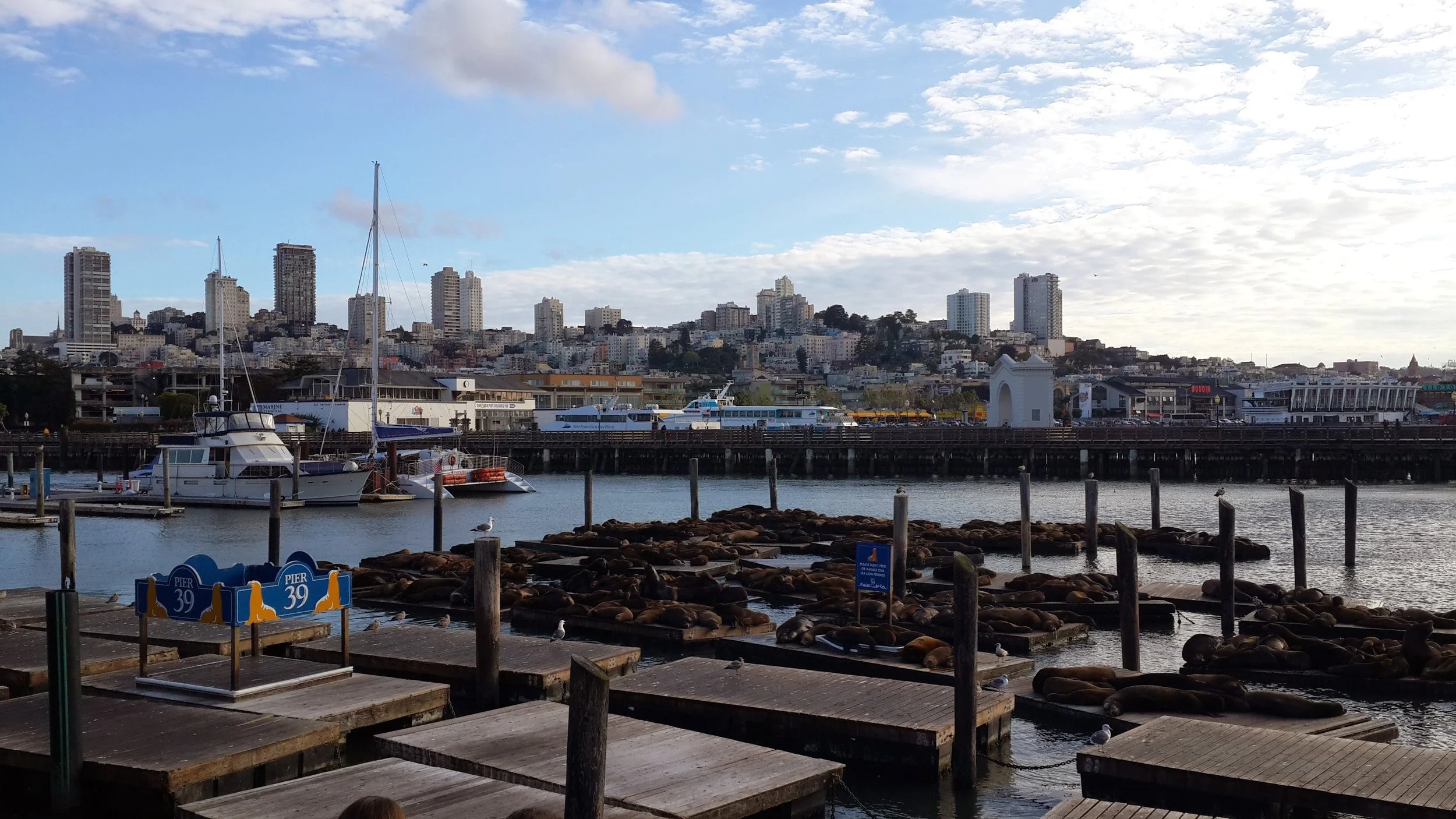
The Pearl of the Orient: Hong Kong

Hong Kong, a vibrant metropolis located on the southeast coast of China, is not only known for its stunning skyline and bustling streets but also for its unique blend of Eastern and Western influences, making it a fascinating subject for exploration.

Historically, Hong Kong’s significance emerged during the colonial era when it was ceded to Britain after the First Opium War in 1842. The British influence shaped many aspects of life in Hong Kong, from its legal system to its education and governance structures. Despite its return to Chinese sovereignty in 1997, under the "one country, two systems" principle, Hong Kong has retained a high degree of autonomy compared to other cities in mainland China. This historical context has created a society that is a melange of tradition and modernity, where ancient Chinese customs coexist with Western practices.

Culturally, Hong Kong boasts a rich heritage that is evident in its festivals, cuisine, and arts. The city celebrates both Western holidays, like Christmas and New Year’s, alongside traditional Chinese celebrations such as the Mid-Autumn Festival and the Lunar New Year. Food plays an integral role in this cultural landscape, with dim sum, wonton noodles, and roasted meats being quintessential dishes that highlight its culinary richness. The city also serves as a hub for various art forms, including film, music, and theater, contributing to its reputation as Asia's cultural capital.

Economically, Hong Kong is recognized as one of the world’s leading financial centers. It operates within a capitalist economy characterized by free trade, low taxation, and minimal government intervention, which has attracted a myriad of multinational corporations and investors. The Hong Kong Stock Exchange is a critical player in global finance, underscoring the city’s importance in international markets. Moreover, the city’s strategic location serves as a gateway to China and the broader Asia-Pacific region, further enhancing its economic dynamism.

Furthermore, Hong Kong’s architectural landscape is a striking representation of its rapid development. The skyline, marked by iconic buildings like the International Commerce Centre and the Bank of China Tower, embodies the city's modern aspirations while juxtaposed against historical sites like Man Mo Temple and Victoria Peak. This blend of the old and new illustrates Hong Kong's unique character, appealing to both residents and tourists alike.

Hong Kong is a city of contrasts, blending rich traditions with modern advancements, a unique cultural identity with global financial significance. Its history of colonialism and current socio-political dynamics make it an intriguing place to study. As Hong Kong continues to navigate the complexities of its position between East and West, it remains a pivotal location that embodies resilience, adaptability, and the quest for identity in an ever-changing global landscape.

Australia's iconic route: The Great Ocean Road

Traveling to the Twelve Apostles along the Great Ocean Road in Melbourne, Victoria, is an adventure that combines breathtaking natural beauty with adventure. This iconic destination has captured the hearts of many, offering visitors a unique glimpse into the grandeur of Australia’s coastline.

The Great Ocean Road itself is a stunning stretch of coastal highway that runs for approximately 240 kilometers along the southeastern coast of Australia. It was built by returned soldiers between 1919 and 1932 as a tribute to those who lost their lives in World War I. This makes the road one of the longest war memorials in the world. As you embark on your journey along this route, you are immediately greeted by picturesque views of the Southern Ocean, lush rainforests, and charming coastal towns that dot the landscape.

One of the most iconic stops along the Great Ocean Road is the Twelve Apostles, a series of limestone stacks that rise majestically from the ocean. Formed over millions of years through erosion, these natural wonders stand as a testament to the power of nature. The sight of these towering formations against the backdrop of the vibrant blue ocean is nothing short of spectacular. Visitors can explore various viewing platforms that provide different angles of the Apostles, each offering its own breathtaking perspective. Watching the sun rise or set over the Apostles transforms the experience into a magical spectacle, as the colors dance across the sky and reflect in the water.

As you travel towards this geological marvel, several charming towns and scenic spots beckon for exploration. Places like Lorne, Apollo Bay, and Port Campbell offer not only beautiful beaches but also delightful cafes, local boutiques, and art galleries. These towns provide a perfect opportunity to indulge in fresh seafood, sample local wines, or simply relax and soak in the tranquil atmosphere. The coastal walkways connecting these towns allow visitors to immerse themselves in nature, providing opportunities for hiking, bird-watching, and enjoying the stunning vistas along the way.

Adventure seekers will also find plenty of activities to keep them engaged. Surfing, kayaking, and even helicopter tours are available, allowing travelers to experience the breathtaking scenery from different perspectives. For those interested in wildlife, the nearby Great Otway National Park is home to diverse species, including koalas and kangaroos, making it an excellent spot for nature enthusiasts.

Cultural experiences abound along the Great Ocean Road as well. The region is rich in Aboriginal history, and numerous tours offer insights into the land's traditional custodians. Learning about their connection to the environment deepens the appreciation for the beauty that surrounds you. Additionally, various art installations and festivals throughout the year celebrate the vibrant artistic community present in the area.

Traveling to the Twelve Apostles on the Great Ocean Road is not just a trip; it’s a journey that engages the senses and fosters a connection with nature and culture. From the awe-inspiring natural landscapes to the charming coastal towns, this destination offers something for everyone. Whether you're an adventure seeker, a nature lover, or someone looking for a peaceful retreat, the Great Ocean Road and the Twelve Apostles promise an unforgettable experience filled with memories that will last a lifetime.

Traveling to Doha, Qatar

Doha by Visit Qatar

Nestled along the coast of the Arabian Gulf, Doha has undergone rapid transformation over the past few decades, evolving from a small fishing village into one of the most dynamic cities in the Middle East. From its stunning skyline to its bustling souqs, Doha offers a compelling experience for all who visit.

One of the most striking features of Doha is its remarkable architecture. The city’s skyline is defined by futuristic skyscrapers that reflect not only modern engineering but also the ambitions of a nation at the forefront of development. The iconic Museum of Islamic Art, designed by the renowned architect I.M. Pei, is a treasure trove of art and culture, showcasing over 14 centuries of Islamic creativity. Its location on the corniche, overlooking the sparkling waters of the Gulf, provides visitors with picturesque views that are perfect for photography and leisurely strolls.

As visitors explore the city, they cannot miss the traditional markets or souqs that offer a glimpse into Qatari culture. Souq Waqif, one of the most popular destinations, is a maze of narrow alleyways filled with shops selling spices, textiles, handicrafts, and traditional attire. The aroma of shisha wafting through the air and the sounds of bargaining create an authentic Middle Eastern atmosphere that is both vibrant and inviting. Travelers can indulge their senses here, sampling local delicacies such as kebabs and fresh dates while engaging with friendly vendors who share tales of the region's history.

Doha’s cultural landscape is further enriched by its commitment to the arts. The Katara Cultural Village serves as a centerpiece for artistic expression, featuring theaters, galleries, and performance spaces. It hosts numerous cultural festivals throughout the year, reflecting the diversity and talent of both local and international artists. The Doha Film Institute also plays a pivotal role in promoting cinema and storytelling, hosting the annual Doha Tribeca Film Festival, which showcases films from around the world, making it a hotspot for cinephiles.

Souq Waqif by Visit Qatar

Moreover, outdoor enthusiasts will find plenty to explore beyond the city limits. The Qatar Desert offers an exhilarating escape for those seeking adventure. Visitors can partake in thrilling activities such as dune bashing, camel riding, and sandboarding. The serenity of the desert, combined with the stunning sunsets, creates an unforgettable backdrop that highlights the natural beauty of this region.

A crucial aspect of visiting Doha is experiencing its culinary scene, which reflects Qatar’s blend of cultures. From high-end dining experiences to casual eateries, the city caters to every palate. Guests can savor traditional Qatari dishes like majboos—an aromatic rice dish with meat—while also enjoying international cuisines that range from Asian to Mediterranean. This gastronomic variety underscores the city's cosmopolitan nature, making it a delightful destination for food lovers.

Finally, Doha is recognized for its hospitality, which is deeply rooted in Qatari culture. The warmth shown by locals creates an inviting atmosphere that enhances the travel experience. Visitors will often find themselves welcomed with open arms, regardless of their background, fostering connections that last beyond the trip.

Traveling to Doha offers an enriching experience that captures the essence of both tradition and modernity. Whether exploring its breathtaking architecture, immersing oneself in the local culture, or savoring diverse culinary delights, travelers are sure to leave with cherished memories and a deeper appreciation for this remarkable city. As Doha continues to evolve, it remains a testament to the harmonious coexistence of history and progress, making it a must-visit destination in the heart of the Middle East.

Athens: The Cradle of Civilization

Athens, the capital city of Greece, is often referred to as the cradle of civilization due to its monumental contributions to art, philosophy, and politics that have shaped Western culture. With a history spanning over 3,400 years, Athens is not just a city; it is a living testament to the evolution of human thought and governance. The influence of ancient Athens continues to resonate in modern society, making it a focal point for historians, scholars, and tourists alike.

Athens by Dimitris Kiriakakis

At the heart of Athens lies its rich heritage, most notably seen through its ancient ruins. The Acropolis, a UNESCO World Heritage site, towers over the city, featuring iconic structures such as the Parthenon, a temple dedicated to the goddess Athena, who was considered the protector of the city. Built in the 5th century BC, the Parthenon epitomizes Classical Greek architecture and reflects the artistry and engineering prowess of its creators. Visitors marvel at the precision of its construction and the beauty of its sculptural decorations, which depict mythological scenes integral to Athenian identity.

Beyond its architectural splendor, Athens is renowned as the birthplace of democracy. In the 5th century BC, under the leadership of statesmen like Cleisthenes and Pericles, Athens developed a system of government where citizens participated directly in decision-making. This radical concept of governance was revolutionary, establishing principles such as freedom of speech, equality before the law, and civic participation. Although this democracy was limited to free male citizens and excluded women, slaves, and foreigners, it laid the foundational ideas that would later permeate political theories and practices throughout the world.

Athens was also a hub for intellectual inquiry and philosophical thought. Great thinkers such as Socrates, Plato, and Aristotle called Athens home. Socrates, who famously emphasized the importance of ethics and critical thinking, became the archetype of the philosopher questioning the status quo. His student, Plato, furthered these ideas by establishing the Academy, one of the first institutions of higher learning in the Western world. Aristotle, Plato’s student, contributed extensively to various fields, including logic, metaphysics, and natural sciences. The dialogues of these philosophers not only explored the nature of knowledge and existence but also set the stage for future Western philosophical discourse.

Athens by Iuliia Isakova

Culturally, Athens has a vibrant artistic heritage. It was the center of drama and theater, giving rise to celebrated playwrights such as Sophocles, Euripides, and Aeschylus. The tradition of theater flourished during the annual Dionysia festival, where tragedies and comedies were performed. This theatrical legacy continues to influence modern literature and performance arts, showcasing the city’s enduring impact on global culture.

Today, contemporary Athens is a bustling metropolis that harmoniously blends its ancient past with modern life. Museums such as the Acropolis Museum and the National Archaeological Museum house vast collections of artifacts that narrate the history of the city. Meanwhile, lively neighborhoods showcase Greece's rich culinary traditions, vibrant street art, and dynamic nightlife, creating an engaging atmosphere for residents and visitors alike.

Athens is much more than an ancient city; it is a pivotal chapter in the story of humanity. Its contributions to democracy, philosophy, and the arts are deeply woven into the fabric of modern civilization. As we explore its streets and monuments today, we are reminded of the timeless ideals that originated here and continue to inspire generations around the globe. The spirit of Athens lives on, inviting us to reflect on our past while contemplating our future.

Antalya: The Jewel of Turkey’s Turquoise Coast

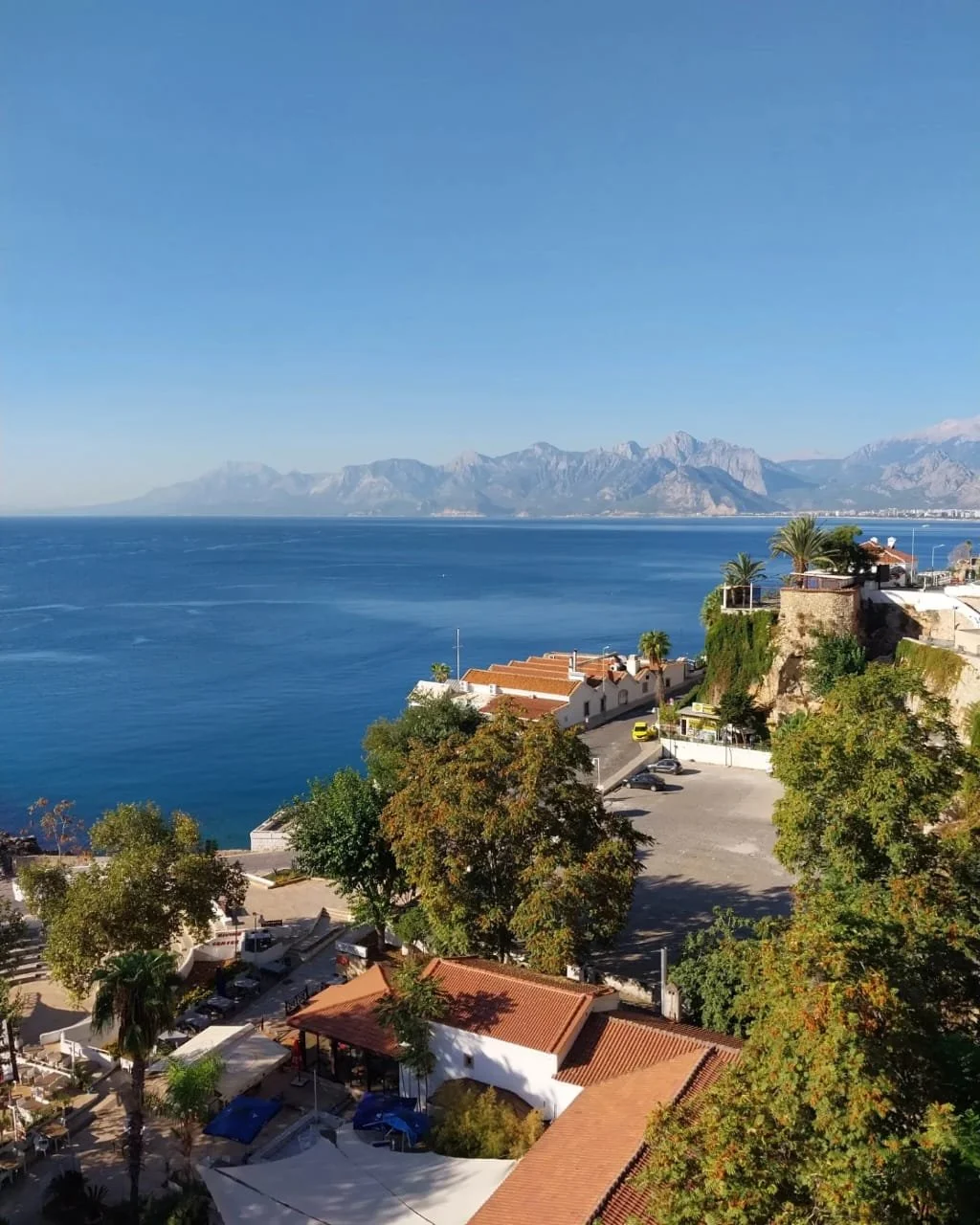
Nestled along the southern coast of Turkey, Antalya is often referred to as the jewel of the Turquoise Coast. This stunning city offers a unique blend of sun-soaked beaches, rich history, and vibrant culture, making it one of the most popular tourist destinations in the country. With its picturesque landscapes, ancient ruins, and a bustling city life, Antalya has something to offer for every traveler.

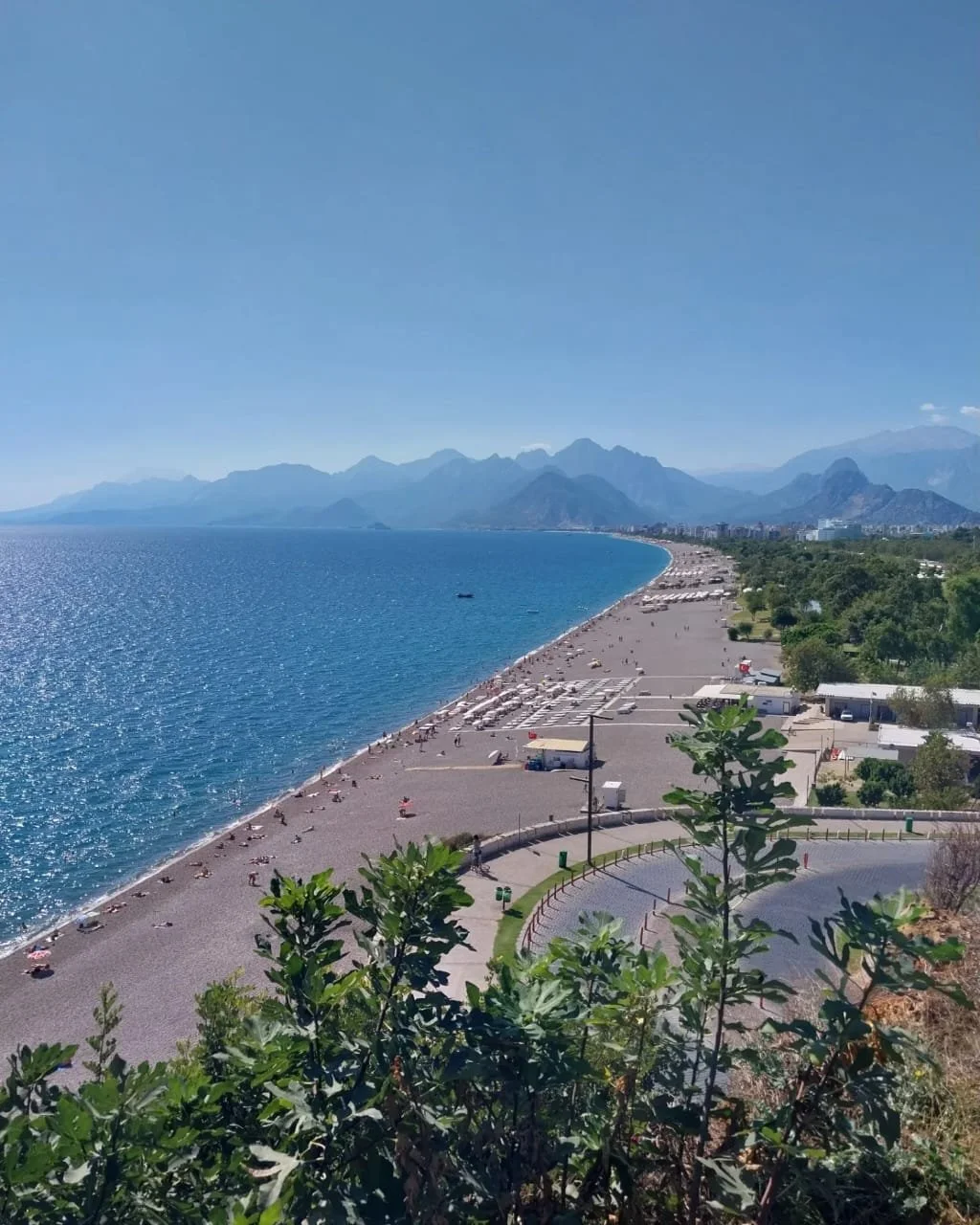
One of the most alluring features of Antalya is its breathtaking coastline. The region boasts beautiful beaches such as Konyaaltı and Lara, where visitors can enjoy warm sunshine and crystal-clear waters. These beaches are perfect for sunbathing, swimming, and engaging in various water sports, including jet skiing and parasailing. The Mediterranean climate ensures that tourists can bask in pleasant weather for most of the year, drawing millions to its shores. Beyond the beaches, the surrounding mountains provide a dramatic backdrop and opportunities for hikes and explorations in nature.

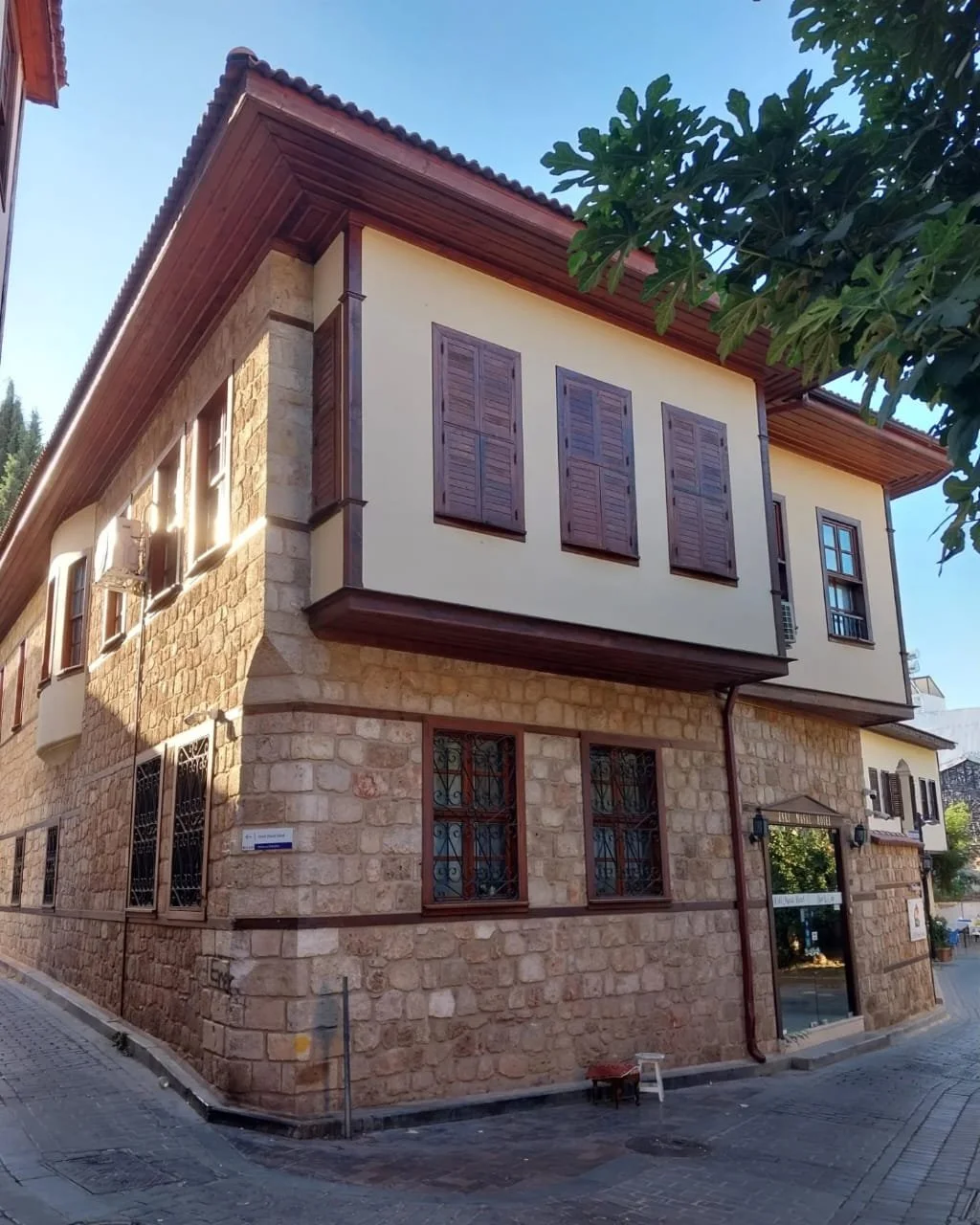
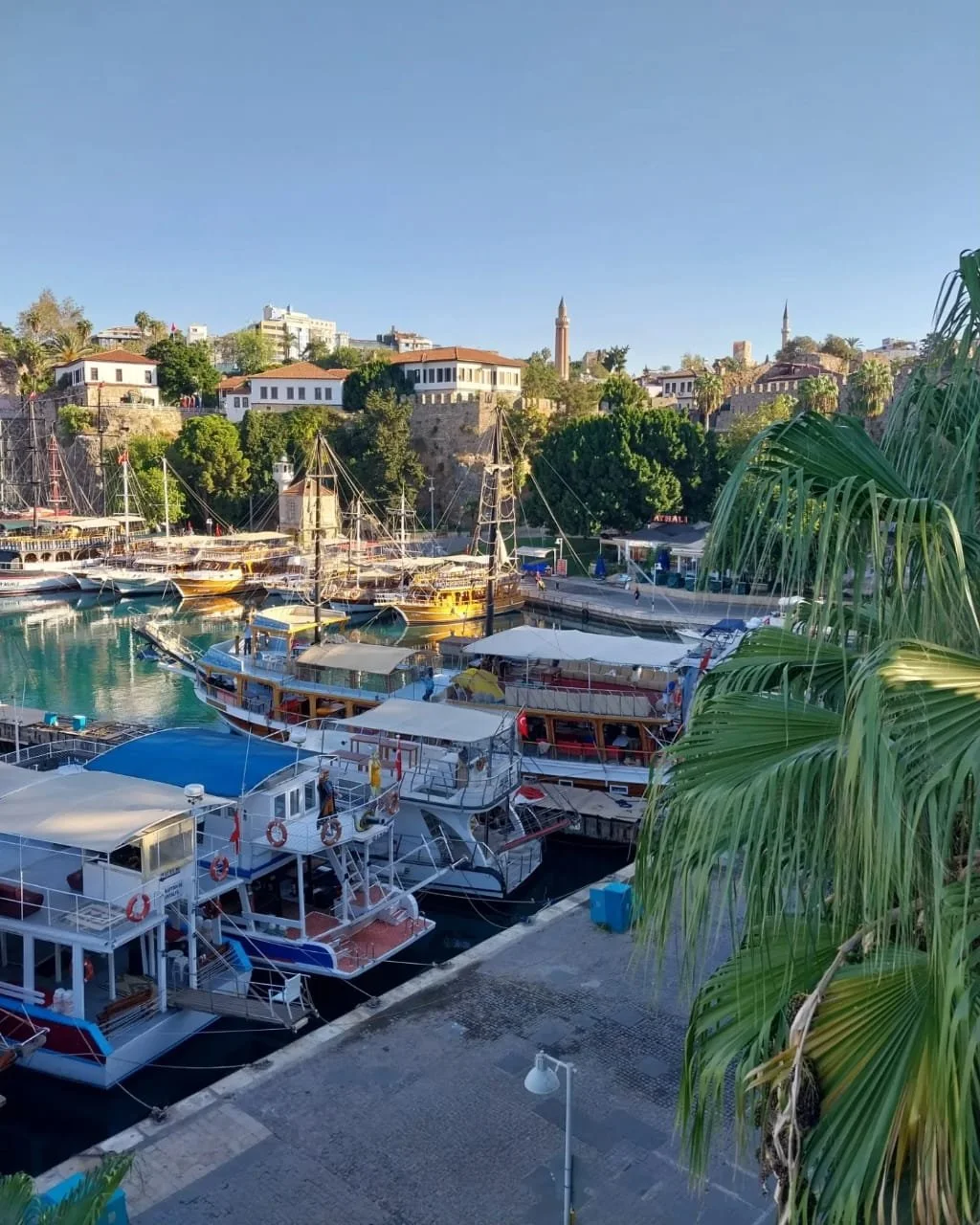
Antalya's historical significance dates back to ancient times, with roots stretching to the Hellenistic period. The old town, known as Kaleiçi, is a labyrinth of narrow, cobblestone streets lined with beautifully restored Ottoman houses. Here, visitors can explore significant landmarks such as Hadrian's Gate, a triumphal arch built in honor of the Roman Emperor Hadrian, and the ancient Roman harbor, which now serves as a charming marina filled with shops and cafes. The Yivli Minare Mosque, with its distinctive fluted minaret, stands proudly as a testament to the architectural prowess of the Seljuk Turks. These historical sites not only showcase the city’s diverse heritage but also invite travelers to step back in time and immerse themselves in the rich tapestry of cultures that have inhabited this area.

Beyond its natural beauty and historical charm, Antalya offers a vibrant cultural scene. The city hosts numerous festivals throughout the year, celebrating art, music, and local traditions. The Antalya International Film Festival, for example, attracts filmmakers and cinema lovers from around the world, showcasing both Turkish and international films. Visitors can also experience traditional Turkish hospitality at local markets, where vendors offer a variety of goods, from handcrafted souvenirs to delicious street food like kebabs and baklava. The lively atmosphere of these markets provides an authentic slice of daily life in Antalya.

Moreover, Antalya serves as a gateway to explore other enchanting destinations in southwestern Turkey. Day trips to the ancient cities of Perge, Aspendos, and Termessos are highly recommended. Each site holds remarkable ruins that reflect the grandeur of past civilizations, with the amphitheater in Aspendos being one of the best-preserved examples of Roman architecture still in use today. Additionally, the stunning natural wonder of Pamukkale, known for its thermal springs and white travertine terraces, is just a few hours away.

Antalya is a captivating destination that beautifully combines natural beauty, rich history, and vibrant culture. Whether you are lounging on its beautiful beaches, exploring ancient ruins, or indulging in local cuisine, Antalya offers an unforgettable experience for every visitor. Its charm lies in its ability to cater to various interests while maintaining an atmosphere that is both welcoming and exhilarating. Thus, it remains a must-visit location for anyone seeking to explore the wonders of Turkey’s Turquoise Coast.

Mumbai, the financial capital of India

Mumbai by Avinash A

Mumbai, the bustling metropolis and financial capital of India, is a city that encapsulates contrasts and diversity. Known for its vibrant culture, thriving economy, and rich history, Mumbai is a place where tradition and modernity coexist harmoniously.

Historically, Mumbai has undergone significant transformations. Originally a group of islands, it was inhabited by indigenous communities before being colonized by the Portuguese in the 16th century. The British East India Company took control in the 17th century, transforming Mumbai into a major trading port. The city's name, derived from the local goddess Mumbā Devi, reflects its ancient roots. The blending of diverse cultures during British rule laid the foundation for the cosmopolitan nature of modern Mumbai. Landmark structures such as the Gateway of India and the Chhatrapati Shivaji Maharaj Terminus stand testament to the city’s colonial past and architectural grandeur.

One of the most striking features of Mumbai is its cultural diversity. The city is a melting pot of various languages, ethnicities, and religions. With more than 20 million residents, it is home to people from different parts of India and the world. Festivals such as Diwali, Eid, and Ganesh Chaturthi are celebrated with zeal, creating a tapestry of colors, music, and traditional customs. Street markets like Colaba Causeway and Crawford Market pulsate with life, offering a glimpse into the daily lives of Mumbaikars. Additionally, the local cuisine is a celebration of flavors, featuring iconic dishes like vada pav, pav bhaji, and bhel puri, which reflect both the simplicity and complexity of Indian street food.

Moreover, Mumbai holds an essential place in India’s economy. It is the hub of finance, commerce, and entertainment. The Bombay Stock Exchange is one of the oldest in Asia, while numerous multinational corporations have their headquarters in Nariman Point and Bandra-Kurla Complex. The city is also known for Bollywood, the epicenter of India’s film industry, which produces a vast number of films each year. The glamour and glitz associated with Bollywood attract talent from all over the country, creating opportunities in acting, directing, and production. The influence of Mumbai’s film industry extends beyond borders, making Indian cinema a significant player on the global stage.

However, life in Mumbai is not without challenges. The city faces pressing issues such as overcrowding, inadequate infrastructure, and socio-economic disparities. Slums like Dharavi, one of Asia's largest, coexist alongside luxury high-rises, highlighting the stark contrast between wealth and poverty. Despite these challenges, the resilience of Mumbai’s residents is inspiring. The spirit of community and the determination to thrive in the face of adversity are hallmarks of the city’s identity.

Mumbai is a city that represents the essence of India—dynamic, diverse, and resilient. Its rich history, cultural vibrancy, and economic strength make it a unique and fascinating place. While it grapples with various challenges, the life and energy of Mumbai continue to inspire those who visit or reside there. This city, with its unique blend of old and new, remains a testament to the complexities and contradictions that define urban life in India.

Cancún: A Tropical Paradise

📷 by Oksana Ksenia Zorka

Located on the eastern coast of Mexico's Yucatán Peninsula, Cancún is a world-renowned destination that captivates travelers with its stunning beaches, vibrant nightlife, and rich cultural heritage. Originally inhabited by the Mayans, this idyllic location has transformed into a premier resort city, attracting millions of tourists each year seeking relaxation, adventure, and cultural experiences.

One of the primary draws of Cancún is its spectacular beaches. The powdery white sand and turquoise waters of the Caribbean Sea create a picturesque landscape that feels like paradise. Beaches such as Playa Delfines and Playa Tortugas are perfect for sunbathing, swimming, and engaging in various water sports, from snorkeling to jet skiing. Visitors can also enjoy beachside bars and restaurants, offering refreshing cocktails and local cuisine while basking in the sun.

Beyond its beaches, Cancún is also a gateway to some of the most significant archaeological sites of the ancient Maya civilization. Just a short trip away lies Tulum, famous for its well-preserved ruins overlooking the sea, and Chichen Itza, a UNESCO World Heritage Site and one of the New Seven Wonders of the World. These sites provide an enriching cultural experience, allowing visitors to delve into the history and traditions of the ancient Mayans, witnessing architectural marvels and learning about their sophisticated mathematical and astronomical knowledge.

Moreover, Cancún’s nightlife is legendary, offering entertainment options that cater to all preferences. From laid-back beach bars to vibrant nightclubs, the city pulsates with energy as the sun sets. Areas like the Hotel Zone buzz with activity, where revelers can dance the night away at popular venues like Coco Bongo and Mandala. These clubs often host spectacular shows, incorporating acrobatics, live music, and themed parties, ensuring that every evening is filled with excitement.

📷 by Oksana Ksenia Zorka

For those looking to explore beyond the city limits, Cancún serves as an excellent starting point for various excursions. The nearby Isla Mujeres offers a tranquil escape with its serene beaches and opportunities for snorkeling at the Underwater Museum of Art. Adventure enthusiasts can venture into the lush jungles of the Yucatán, where they can take part in thrilling activities such as zip-lining, cenote diving, and swimming with dolphins.

Additionally, Cancún is known for its culinary offerings, providing a delightful journey for food lovers. The city's dining scene showcases traditional Mexican flavors, featuring dishes like tacos al pastor, ceviche, and tamales. Travelers can savor these delectable meals at local eateries or indulge in upscale dining experiences at beachfront restaurants, where the ambiance is as enticing as the food.

Cancún is more than just a beautiful beach destination; it is a vibrant hub where relaxation meets adventure, and culture intertwines with leisure. Whether lounging on its stunning shores, exploring ancient ruins, dancing the night away, or indulging in its culinary delights, visitors to Cancún are guaranteed an unforgettable experience. With its alluring charm and diverse offerings, it remains a top choice for travelers seeking the perfect blend of sun, fun, and cultural richness.

Bangkok: The Big Mango

Bangkok, the vibrant capital city of Thailand, is a bustling metropolis that seamlessly blends tradition and modernity. This fascinating city, known for its ornate shrines, lively street life, and rich cultural heritage, beckons travelers from around the world to explore its many wonders. With a population of over 10 million people, Bangkok stands as one of the most populous cities in Southeast Asia, showcasing a dynamic urban landscape marked by skyscrapers, sprawling markets, and serene temples.

One of the most iconic features of Bangkok is its stunning array of temples, known as "wats." The Grand Palace and Wat Phra Kaew, home to the Emerald Buddha, are among the most visited sites in the city. These architectural masterpieces reflect Thailand's deep-rooted spirituality and the intricate craftsmanship of Thai artisans. The golden stupas and elaborate murals tell stories from Buddhist mythology, inviting visitors to appreciate the country's religious traditions. Wandering through these sacred spaces, one can feel a profound sense of peace amidst the hustle and bustle of city life.

In stark contrast to its tranquil temples, Bangkok is also famous for its vibrant street life and bustling markets. The city's streets are filled with an array of tantalizing street food vendors offering delicious dishes such as pad Thai, mango sticky rice, and tom yum soup. Exploring these culinary delights not only satisfies the taste buds but also provides insight into the local way of life. The Chatuchak Weekend Market, one of the largest markets in the world, is a must-visit for those seeking unique souvenirs, fashion, and handicrafts.

Additionally, Bangkok's nightlife is equally captivating. Areas like Khao San Road and Sukhumvit offer an eclectic mix of bars, nightclubs, and entertainment venues where locals and tourists alike come together to unwind. The energy of the city transforms after dark, with music filling the air and neon lights illuminating the streets. Whether one prefers a quiet rooftop bar with a view of the skyline or a lively dance club, Bangkok has something for everyone.

Public transportation in Bangkok is another fascinating aspect of the city, characterized by its efficiency and accessibility. The BTS Skytrain and MRT subway systems offer quick and convenient ways to navigate through the metropolis, allowing residents and visitors to avoid the notoriously congested traffic. Moreover, traditional modes of transport, such as tuk-tuks and long-tail boats, provide a unique way to experience the city's charm while enjoying scenic views along the Chao Phraya River.

Culturally rich, Bangkok also hosts numerous festivals and events throughout the year, celebrating its heritage and traditions. The Songkran Festival, marking the Thai New Year, is renowned for its water fights and lively celebrations. Visitors can witness colorful parades, traditional dances, and culinary showcases that highlight the cultural diversity of the nation.

Bangkok is a city that offers an enchanting blend of ancient traditions and modern living. Its impressive temples, vibrant street food scene, energetic nightlife, and efficient public transport system create a unique atmosphere that captivates all who visit. Whether exploring its sacred sites, indulging in delicious cuisine, or soaking up the lively ambiance, Bangkok promises an unforgettable experience that reflects the heart and soul of Thailand. As travelers delve into this dynamic city, they often leave with cherished memories and a newfound appreciation for its rich tapestry of culture and history.

Barcelona: A City of Art & Culture

Barcelona, the vibrant capital of Catalonia, is a city that seamlessly blends rich history with modern innovation. Known for its stunning architecture, dynamic arts scene, and unique cultural identity, Barcelona attracts millions of visitors each year who come to experience its charm and energy.

At the heart of Barcelona's allure is its profound history. Founded by the Romans, the city has deep roots that can be traced back over two thousand years. The Gothic Quarter, or Barri Gòtic, stands as a testament to this history, showcasing narrow medieval streets, ancient buildings, and remnants of the city’s Roman past. Visitors can wander through the labyrinthine alleys to discover hidden squares, quaint cafes, and the iconic Barcelona Cathedral, which exemplifies the city's Gothic architectural style. Each corner of the Gothic Quarter reveals layers of history, allowing people to immerse themselves in the stories that have shaped Barcelona into the vibrant metropolis it is today.

One of the most distinctive aspects of Barcelona's charm is its architectural landscape, largely influenced by the renowned architect Antoni Gaudí. His works are not merely buildings; they are artistic expressions that reflect his unique vision and connection to nature. The Sagrada Família, Gaudí's magnum opus, is an awe-inspiring basilica that has been under construction since 1882. Its intricate façades and towering spires captivate both locals and tourists alike, symbolizing the city’s dedication to artistry and innovation. Another notable Gaudí creation is Park Güell, a whimsical park filled with colorful mosaics and organic shapes that invite visitors to engage with their surroundings. Gaudí's ability to fuse functionality with fantastical elements has made his work synonymous with Barcelona, earning the city a spot on the UNESCO World Heritage list.

Beyond architecture, Barcelona thrives as a hub of culture and creativity. The city is home to a myriad of museums, galleries, and performance spaces that celebrate diverse artistic expressions. The Picasso Museum, housed in several medieval palaces, showcases an extensive collection of works from one of the 20th century's most influential artists, highlighting his deep connection to the city. Meanwhile, the MACBA (Museum of Contemporary Art) features contemporary exhibitions that challenge conventional aesthetics and provoke thought among its visitors. Festivals, such as La Mercè, fill the streets with lively parades, traditional dances, and concerts, reflecting the city's dynamic spirit and community pride.

Additionally, Barcelona’s culinary scene plays a significant role in its cultural identity. The city's tapas bars, bustling markets, and Michelin-starred restaurants offer a taste of Catalan cuisine that blends tradition with innovation. La Boqueria, a famous market, serves as a gastronomic paradise where locals and tourists alike can sample fresh produce, cured meats, and artisanal cheeses. The emphasis on quality ingredients and communal dining experiences captures the essence of Catalonia’s culinary heritage.

Barcelona is a city that invites exploration and celebration. It stands at the crossroads of history and modernity, offering a rich tapestry of experiences for all who visit. From the echoes of its past in the historic Gothic Quarter to the vibrant expressions of art and culture found throughout the city, Barcelona embodies a spirit of creativity and resilience. Its architectural marvels, cultural richness, and culinary delights truly make it a jewel in the crown of Europe, inspiring all who call it home or visit.

San Fran

San Francisco, located on the northern tip of the San Francisco Peninsula in California, is a city renowned for its breathtaking vistas, iconic landmarks, and vibrant cultural diversity. Founded in 1776, this city has evolved from a modest Spanish settlement into one of the most significant urban centers in the United States. Its blend of natural beauty, historical significance, and progressive spirit creates an enchanting destination that captivates millions of visitors each year.

One of the most recognizable symbols of San Francisco is the Golden Gate Bridge. Spanning approximately 1.7 miles across the Golden Gate Strait, this engineering marvel was completed in 1937 and signifies the ingenuity of human design and ambition. The striking International Orange color of the bridge contrasts beautifully with the blue waters and often fog-laden skies, creating a picturesque scene that draws photographers and tourists alike. Walking or biking across the bridge offers a unique vantage point to appreciate both its scale and the stunning landscapes surrounding it.

Beyond the bridge, San Francisco boasts an eclectic mix of neighborhoods, each offering its own distinct character and charm. The Mission District is celebrated for its vibrant street art and murals, which tell the stories of the community's rich Latino heritage. Here, visitors can also savor some of the city’s best Mexican cuisine, with numerous taquerias serving up delicious, authentic fare. In contrast, Chinatown, one of the oldest and largest Chinese communities outside Asia, enchants guests with its bustling markets, traditional restaurants, and ornate temples. Wandering through the narrow alleys, one can enjoy the aroma of incense, fresh produce, and dim sum, truly immersing oneself in the cultural tapestry that defines San Francisco.

The city is also a hub for technology and innovation, often referred to as the gateway to Silicon Valley. This proximity to one of the world’s foremost tech regions has fostered a climate of creativity and entrepreneurship. Companies like Google, Apple, and Facebook have drawn ambitious professionals to the area, leading to a vibrant startup culture. The presence of top-tier universities, such as Stanford and the University of California, Berkeley, fuels this spirit of innovation by attracting talented individuals who are eager to contribute to the advancement of technology and society.

In addition to its technological advancements, San Francisco is recognized for its commitment to social progressivism. The city's long history of advocacy for LGBTQ+ rights is especially notable, with events like the annual Pride Parade celebrating diversity and inclusion. The Castro district, known as the heart of LGBTQ+ culture, is a testament to the community's resilience and vibrancy. San Francisco stands as a beacon of hope for many, demonstrating how a city can embrace its differences and foster a sense of belonging for all its residents.

Furthermore, nature enthusiasts will find solace in San Francisco’s parks and outdoor spaces. Golden Gate Park, larger than New York’s Central Park, offers a tranquil escape with its gardens, lakes, and museums. The park’s landscapes provide opportunities for activities such as hiking, picnicking, and simply enjoying the natural beauty of the area.

San Francisco is a city that embodies a unique fusion of history, culture, and innovation. From its breathtaking bridges to its diverse neighborhoods and robust tech industry, it continues to evolve while maintaining its distinctive character. As a microcosm of modern America, San Francisco invites everyone to explore its wonders and celebrate the richness of its diversity. Whether visiting for its scenic vistas, cultural experiences, or entrepreneurial opportunities, the city leaves an indelible mark on all who experience its charm.

Seoul: Where Tradition Meets Modernity

Nestled between mountains and rivers, Seoul stands as a testament to the harmony of ancient traditions and cutting-edge innovation. The city pulses with energy, its skyline punctuated by gleaming skyscrapers, while serene temples and historic palaces offer a glimpse into a rich cultural tapestry that dates back over 600 years.

Walking through the bustling streets of Myeongdong, one cannot help but be swept away by the vibrant atmosphere. The air is filled with tantalizing aromas from street vendors selling Tteokbokki, savory deep-fried snacks, and fluffy hotteok, all while shopkeepers tout the latest in K-beauty products, drawing locals and tourists alike into a whirlwind of sights and sounds.

As dusk falls, the city transforms into a dazzling display of lights. The iconic Lotte World Tower sparkles against the night sky, a beacon of modern architecture, while just a short trip away, the tranquil beauty of Gyeongbokgung Palace is illuminated in warm hues, creating a stunning contrast to the fast-paced life surrounding it. Here, visitors can watch the changing of the guard ceremony, a ritual steeped in history, immersing themselves in the tales of kings and queens who once roamed these grounds.

Seoul’s myriad neighborhoods embody distinct personalities. In Bukchon Hanok Village, traditional Korean houses, or hanoks, line the narrow alleys, showcasing the craftsmanship of generations past. Here, history breathes through the walls as artisans practice their trades, giving visitors a taste of the slow-paced life that once ruled the city.

Meanwhile, the youthful energy of Hongdae bursts forth, pulsating with creativity. Street performers dazzle crowds, and cafés overflow with artists and dreamers seeking inspiration in every corner. The blend of urban culture and artistic expression fosters a vibrant arts scene where music, dance, and visual art create a kaleidoscope of experiences.

For nature lovers, Seoul offers an escape with its numerous parks and mountains, inviting hikers and strollers alike. Namsan Mountain boasts the iconic N Seoul Tower, where panoramic views of the city unfold, while the tranquil paths along the Cheonggyecheon Stream provide a peaceful retreat from the urban hustle.

Each facet of Seoul tells a story—a narrative of resilience, innovation, and cultural pride. The city invites exploration, urging you to delve deeper, taste more flavors, and discover the intricate layers that make it one of the most dynamic capitals in the world. Whether you’re savoring a bowl of bibimbap or hiking one of the numerous trails, Seoul’s spirit of discovery captures hearts and inspires visitors to embrace the past while eagerly anticipating the future.

Frankfurt Airport Transfers: Your Gateway to Comfort and Convenience

Traveling can often be a whirlwind of excitement—chasing flights, catching connections, and managing luggage. Amidst the hustle and bustle, ensuring a smooth airport transfer should be the least of your worries.

Imagine stepping off your flight at one of Europe’s busiest airports, with a warm welcome awaiting you. Whether you're arriving for business or leisure, the efficiency and reliability of Point 2 Point Transfer services will be your first taste of exceptional German hospitality.

With a multitude of options available, you can choose the transfer service that best suits your specific needs. From premium limousine services to economy vans, Point 2 Point Transfer caters to all levels of comfort and budget. You can sit back and relax in style, dodge the taxi queues, and ensure you arrive at your destination without hassle.

Safety is paramount, and Point 2 Point Transfer emphasizes secure travel by employing professional drivers who are well-versed in navigating both the airport complex and the city’s streets. Equipped with real-time tracking technology, your driver will monitor flight arrivals to ensure timely pickups, allowing you to skip the stress of delays. Plus, your loved ones will be happy to know you’re en route safely!

But the comfort doesn’t stop there. Travelers can explore additional amenities such as spacious luggage capacity, free Wi-Fi, and refreshments, ensuring an enjoyable ride. For families or larger groups, spacious vans and minibuses are available, accommodating everyone comfortably, along with their gear.

Strategically located near major tourist attractions and business centers, Point 2 Point Transfer not only provides convenience for arrivals but also assists with a seamless departure. Synchronize your return time for a timely drop-off, and relax knowing everything has been meticulously arranged.

So, whether you’re heading to the beautiful Römer, the financial hub of Bockenheimer Landstraße, or beyond the city limits, remember that with Point 2 Point Transfer, your journey starts the moment you land. Elevate your travel experience—book your transit with us and step into a world where the trip from airport to destination is crafted to be effortlessly smooth and unforgettable. Your adventure in Germany awaits!

Las Vegas: The City of Lights and Dreams

Las Vegas, often referred to as "The Entertainment Capital of the World," is a vibrant city located in the heart of the Nevada desert. Known for its dazzling nightlife, luxurious resorts, and world-class entertainment, Las Vegas attracts millions of visitors each year, making it a unique hub of culture, excitement, and adventure.

One of the most captivating aspects of Las Vegas is its iconic Strip. This renowned stretch of Las Vegas Boulevard is home to some of the most famous hotels and casinos in the world, such as the Bellagio, Caesars Palace, and the Venetian. Each establishment boasts its own unique theme and attractions, offering visitors an unparalleled experience. The Bellagio, for instance, is famous for its stunning fountain show, where water dances to beautifully orchestrated music, creating a mesmerizing spectacle that captivates onlookers. Meanwhile, the Venetian transports guests to the romantic canals of Venice, featuring gondola rides and a replica of St. Mark's Square.

The allure of Las Vegas extends beyond its casinos and hotels. The city is a hotspot for entertainment, showcasing an array of performances ranging from Cirque du Soleil shows to concerts by renowned artists. The diverse talent attracted to Las Vegas means there is always something new and exciting happening. For those who seek a more intimate setting, venues such as The Smith Center for the Performing Arts offer Broadway shows, jazz performances, and orchestral concerts, providing a different flavor of cultural experience.

Dining in Las Vegas is an adventure in itself. The city boasts a culinary scene that features a mix of celebrity chef restaurants and local eateries. For food enthusiasts, dining at establishments like Gordon Ramsay’s Hell's Kitchen or Joël Robuchon presents an opportunity to indulge in exquisite dishes crafted by world-famous chefs. Moreover, buffets are a Las Vegas staple, with options ranging from lavish spreads that offer everything from sushi to prime rib, allowing guests to sample a variety of cuisines in one sitting.

Grand Canyon by James Lee

While Las Vegas is renowned for its nightlife and entertainment, it also offers numerous attractions that highlight the region's natural beauty. Just a short drive from the city, visitors can explore the stunning landscapes of Red Rock Canyon or take a day trip to the awe-inspiring Grand Canyon. These nearby wonders provide a picturesque contrast to the bustling energy of the Strip, allowing visitors to reconnect with nature and appreciate the breathtaking scenery that Nevada has to offer.

Las Vegas is also a city that embraces diversity. Its population is a melting pot of cultures, which is reflected in its celebrations, festivals, and community events. From the Chinese New Year celebrations to Pride Month festivities, the city hosts various events that showcase this cultural richness, promoting inclusivity and unity among its residents and visitors.

Las Vegas is much more than a city known for its casinos and nightlife; it is a dynamic destination that offers a little something for everyone. With its breathtaking hotels, thrilling entertainment, delicious dining options, and natural attractions, Las Vegas continues to enchant millions of visitors from around the globe. Whether one seeks adventure, relaxation, or cultural experiences, the city stands ready to fulfill every desire, making it a truly unforgettable place.

Amsterdam: The city of bikes

Amsterdam, the capital city of the Netherlands, is a vibrant and culturally rich destination that captivates millions of visitors each year. Known for its picturesque canals, historic architecture, and progressive social policies, Amsterdam offers a unique blend of old-world charm and modern living, making it an intriguing place to explore.

One of the defining features of Amsterdam is its extensive canal system, which was designated a UNESCO World Heritage Site in 2010. The city’s canals, constructed during the 17th century, are not only aesthetically pleasing but also serve as a vital component of its infrastructure. Strolling along the canals, one can admire the iconic narrow houses with their gabled facades, many of which have been preserved since the Dutch Golden Age. The canals are best experienced by taking a boat tour, allowing visitors to see the city from a different perspective while learning about its history and significance.

Amsterdam is also renowned for its world-class museums. The Rijksmuseum, housing masterpieces from the likes of Rembrandt and Vermeer, provides insight into the rich artistic heritage of the Netherlands. Just a stone's throw away is the Van Gogh Museum, which boasts the largest collection of Vincent van Gogh’s works in the world, showcasing his evolution as an artist and his profound impact on the art world. For contemporary art enthusiasts, the Stedelijk Museum offers a diverse range of modern and contemporary art, providing a contrast to the classical styles found in other museums.

Beyond its art scene, Amsterdam is known for its progressive culture and open-minded atmosphere. The city has long been a pioneer in social issues, ranging from LGBTQ+ rights to drug policies. The annual Amsterdam Pride, marked by a vibrant parade on the canals, celebrates diversity and inclusion, drawing participants from across the globe. Moreover, the city’s liberal approach to cannabis use is well-documented, with numerous coffee shops catering to both locals and tourists. This unique facet of Amsterdam’s culture attracts those interested in exploring its countercultural aspects while enjoying a laid-back environment.

The culinary scene in Amsterdam is another highlight that reflects the city’s diverse nature. Traditional Dutch cuisine, with staples like stroopwafels and herring, can be savored alongside international dishes from around the world. Neighborhoods such as De Pijp are filled with trendy cafes and restaurants that offer everything from Indonesian rijsttafel to Middle Eastern fare. The city's food market, Albert Cuyp Market, is a must-visit for anyone looking to sample local delicacies and experience everyday life in Amsterdam.

Furthermore, the city is committed to sustainability and green living. With an extensive network of bike paths and a strong cycling culture, residents and tourists alike prefer biking over driving. This not only reduces carbon emissions but also adds to the charm as cyclists navigate the city’s narrow streets and bridges. Initiatives to promote renewable energy and maintain green spaces reflect Amsterdam’s dedication to environmental stewardship.

Amsterdam is a multifaceted city that seamlessly combines history, art, culture, and innovation. Its stunning canals, rich artistic legacy, progressive values, and culinary diversity make it a captivating destination for all who visit. Whether exploring the historic sites, enjoying the local cuisine, or participating in the lively cultural events, Amsterdam offers an unforgettable experience that leaves a lasting impression on every traveler.

Abu Dhabi, the capital of the UAE

Abu Dhabi, the capital of the United Arab Emirates, is a city that blends rich cultural heritage with modern sophistication. Located on a T-shaped island along the southeastern side of the Persian Gulf, Abu Dhabi has emerged as one of the most prominent cities in the Middle East, both economically and culturally.

The history of Abu Dhabi dates back to the 18th century when it was a small fishing village and a center for pearl diving. However, its transformation began in the 20th century with the discovery of oil in 1958. The subsequent oil boom significantly accelerated development, leading to rapid urbanization and a shift in demographics. Today, the city boasts impressive skyscrapers, luxurious hotels, and extensive infrastructure, reflecting its wealth derived from petroleum resources.

One of the most notable aspects of Abu Dhabi is its dedication to preserving cultural heritage while embracing modernity. The city is home to numerous museums and cultural institutions, with the Louvre Abu Dhabi being the most prominent. Opened in 2017, this museum presents a stunning collection of art and artifacts from around the world, showcasing the interconnectedness of human culture across different civilizations. The building itself, designed by renowned architect Jean Nouvel, features a striking dome that filters sunlight, creating a "rain of light" effect reminiscent of traditional Arabic architecture.

In addition to the Louvre, the upcoming Guggenheim Abu Dhabi promises to be another landmark contribution to the city’s cultural landscape. Set to become one of the largest modern art museums in the world, it will feature contemporary works and provide a platform for artistic dialogue. These institutions not only elevate Abu Dhabi's global standing but also serve as a catalyst for tourism and cultural exchange.

Moreover, Abu Dhabi’s commitment to sustainability is evident in its ambitious initiatives aimed at diversifying the economy beyond oil. The city has invested heavily in renewable energy projects, including the Masdar City, a sustainable urban development that emphasizes clean technology and environmentally friendly living. As one of the first cities in the world designed around sustainable principles, it aims to draw attention to the importance of addressing climate change while promoting economic growth.

Abu Dhabi is also known for its impressive landmarks. The Sheikh Zayed Grand Mosque is one of the largest mosques in the world and stands as a symbol of the unity of Islamic architecture. Completed in 2007, it features stunning white marble domes, intricate mosaics, and one of the largest chandeliers ever made. This architectural marvel attracts millions of visitors from around the globe each year, serving as a significant cultural and spiritual site.

Furthermore, the city hosts several events that celebrate its rich heritage and modern achievements. The annual Abu Dhabi Film Festival showcases local and international cinema, while the Abu Dhabi Art Fair highlights contemporary art and design from the region and beyond. These events contribute to fostering a vibrant cultural scene and attracting artists and entrepreneurs to the emirate.

Abu Dhabi represents a fascinating fusion of tradition and modernity. With its rich history, commitment to cultural development, investment in sustainability, and iconic landmarks, the city has established itself as a leading cultural and economic hub in the Middle East. As it continues to grow and evolve, Abu Dhabi remains a captivating destination that embodies the spirit of progress while honoring its heritage, setting an inspiring example for cities around the world.

Singapore, the Lion City

Singapore, a small island nation located at the southern tip of the Malay Peninsula, is often regarded as a marvel of modern development. With its strategic location, vibrant multicultural society, and robust economy, Singapore embodies a unique blend of tradition and innovation, making it one of the most dynamic cities in the world.

One of the distinct features of Singapore is its remarkable geographical position as a major maritime hub. The Port of Singapore is one of the busiest in the world, facilitating global trade and positioning the country as a critical player in international shipping routes. This strategic advantage has significantly contributed to Singapore's economic prosperity, attracting foreign investment and fostering a business-friendly environment. Over the decades, Singapore has transformed from a fishing village into a global financial center, known for its high standard of living and advanced infrastructure.

The nation's economic success can be attributed to its forward-thinking policies and emphasis on education. The government has prioritized education as a means of empowering its citizens and maximizing human capital. The educational system in Singapore is renowned for its rigor and excellence, producing students who consistently rank among the highest in international assessments. This focus on education has not only equipped the workforce with necessary skills but has also nurtured a culture of lifelong learning, essential for adapting to the fast-paced changes of the global economy.

Furthermore, Singapore's multicultural society is one of its most defining characteristics. With a population comprising predominantly Chinese, Malay, Indian, and Eurasian communities, the nation celebrates a rich tapestry of cultures, languages, and traditions. This diversity is reflected in various aspects of daily life, from festivals and cuisine to art and architecture. Singaporeans take pride in their harmonious coexistence, facilitated by the government's policies that promote racial and religious harmony. Events such as the annual Chingay Parade and Deepavali celebrations showcase this multicultural spirit, inviting both locals and tourists to partake in the colorful festivities.

Another key element of Singapore’s identity is its commitment to sustainability and urban planning. Despite its limited land area, the country has developed innovative solutions to maximize space. Vertical gardens, green roofs, and an extensive public transportation network exemplify Singapore’s approach to environmentally conscious urban living. The Gardens by the Bay, with its futuristic Supertree Grove, serves as a testament to Singapore’s dedication to blending nature with urbanity, providing residents and visitors alike with a breath of fresh air amid the bustling cityscape.

Tourism also plays a vital role in Singapore’s economy. Iconic landmarks such as Marina Bay Sands, Sentosa Island, and the historic Chinatown attract millions of visitors each year. The government has invested heavily in promoting tourism through arts and cultural initiatives, making Singapore a vibrant destination for travelers. Additionally, as a gateway to Southeast Asia, Singapore offers a unique opportunity for exploration, serving as a launchpad for visitors seeking to experience the broader region.

Singapore stands as a symbol of progress and resilience. Its strategic location, commitment to education, rich multicultural heritage, and innovative urban development have propelled it onto the world stage as a thriving metropolis. This small nation, with its grand aspirations and substantial achievements, continues to inspire nations across the globe, proving that size does not dictate the potential for greatness. As Singapore moves forward, it remains dedicated to balancing economic growth with social equity and environmental sustainability, ensuring a bright future for generations to come.

Madrid: Spain's capital city

Madrid, the vibrant capital of Spain, is a city steeped in history and culture, and it serves as a fascinating crossroads of the past and the present. With its rich artistic heritage, lively atmosphere, and diverse culinary scene, Madrid stands as one of Europe’s premier destinations for travelers seeking both enjoyment and enlightenment.

One of the most compelling aspects of Madrid is its art scene. The city boasts some of the world's most renowned museums, including the Prado Museum, which houses an extensive collection of European art from the 12th to the early 20th centuries. Visitors can marvel at masterpieces by artists such as Velázquez, Goya, and Bosch. Additionally, the Thyssen-Bornemisza Museum offers an impressive private collection that spans a wide range of styles, from Gothic to modern art. The contemporary art scene is well represented by the Reina Sofia Museum, where Picasso's iconic "Guernica" resides, reflecting the emotional turbulence of war and artistic expression.

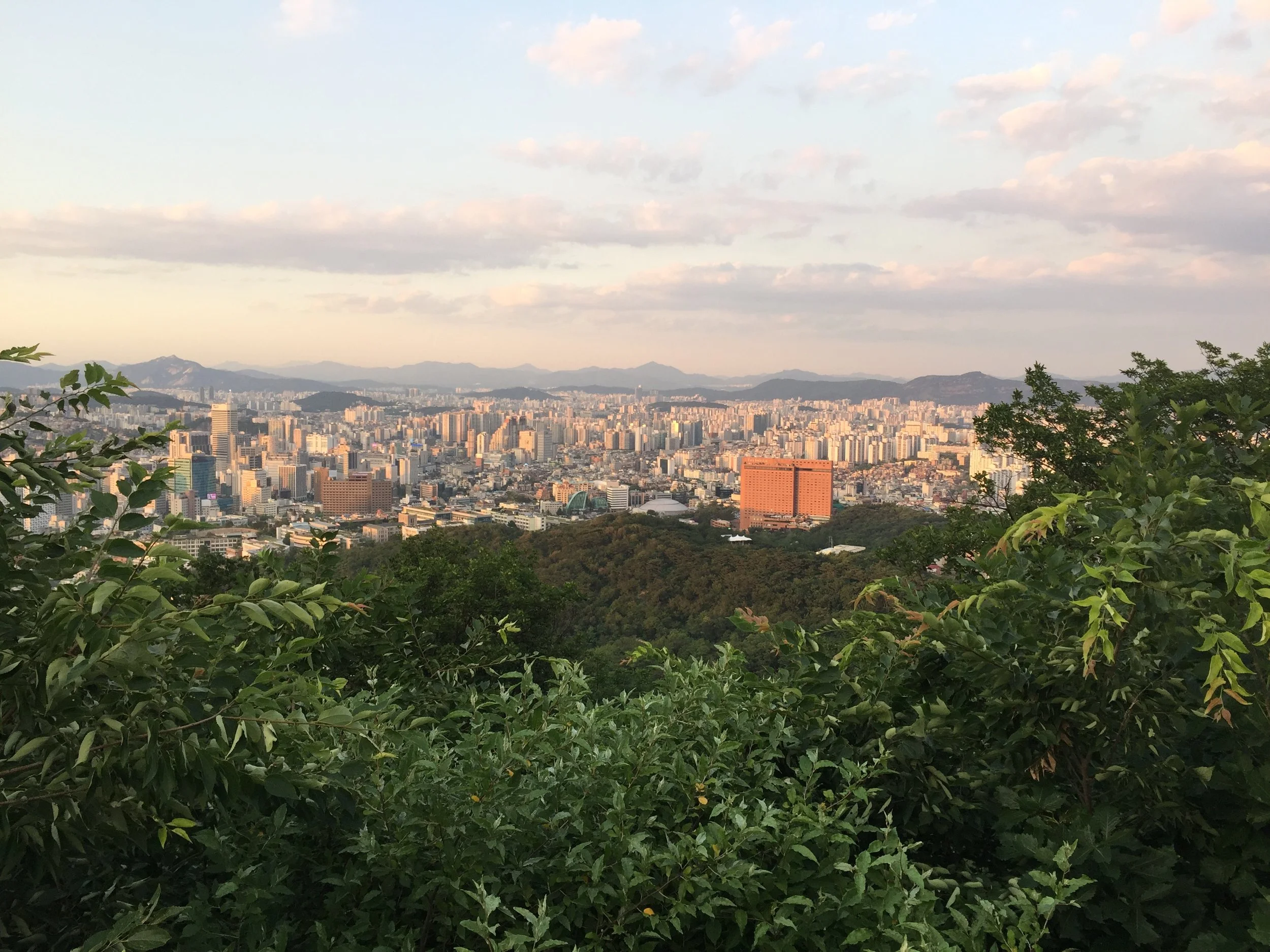
Beyond its art, Madrid reveals a rich tapestry of historical architecture that narrates the story of its evolution over centuries. The Royal Palace, the official residence of the Spanish royal family, dominates the skyline with its grand Baroque style and exquisite gardens. Nearby, the bustling Plaza Mayor, a central square surrounded by striking buildings, invites visitors to absorb the local atmosphere while savoring a traditional tapas dish. The mix of historical landmarks and modern amenities creates a distinctive ambiance that caters to both residents and tourists.

Madrid by Florian Wehde

Madrid's cultural vibrancy extends into its neighborhoods, each offering a unique flavor and charm. Lavapiés, known for its multicultural environment, showcases a medley of international cuisines, street art, and independent galleries. In contrast, Malasaña emanates an alternative spirit with its vintage shops, lively bars, and artistic vibe, attracting a younger crowd eager for creativity and nightlife. The Salamanca district, on the other hand, epitomizes elegance and luxury, with high-end boutiques and fine dining establishments.

Food is an essential part of Madrid's identity, and the city offers a culinary experience that reflects its diverse influences. Traditional dishes such as cocido madrileño, a hearty chickpea-based stew, and paella are staples that highlight the region's agricultural wealth. However, Madrid's gastronomic landscape has evolved, incorporating flavors from around the world. Food markets like Mercado de San Miguel provide an exciting opportunity to sample a variety of delicacies in one place, allowing visitors to enjoy both classic Spanish fare and innovative culinary creations.

Moreover, Madrid’s dynamic social life enhances its appeal. The city is famous for its lively plazas and parks, such as Retiro Park, where locals gather to relax, socialize, and engage in recreational activities. Festivals and cultural events punctuate the calendar year, from the city’s vibrant Carnival celebrations to the traditional San Isidro Festival, honoring the patron saint of Madrid. These occasions allow both locals and visitors to partake in the festive spirit, fostering a sense of community and shared experience.

Madrid is a city that captivates the senses through its art, history, culinary offerings, and dynamic neighborhoods. Its ability to blend tradition with modernity creates a uniquely rich experience that appeals to diverse interests. Whether wandering through its world-class museums, enjoying its gastronomy, or immersing oneself in the lively social scene, visitors are sure to leave with lasting memories of this enchanting capital. Madrid, with its unmistakable charm and energy, is not just a destination; it is a celebration of life itself.

Indira Gandhi International Airport Transfers

Indira Gandhi International Airport (IGI) in Delhi, India, serves as one of the busiest and most significant airports in the country, catering to millions of domestic and international travelers every year. Understanding the various transfer options available at IGI Airport is essential for ensuring a smooth travel experience, whether you are arriving or departing. Today we will delve into the various modes of transport that facilitate airport transfers, focusing on their convenience, cost, and accessibility.

Upon arriving at IGI Airport, travelers have several choices for transfers to the city and beyond. One of the most popular options is the taxi service. The convenience of simply stepping out of the terminal and getting into a taxi cannot be overstated. App-based ride services like Uber and Ola also operate from the airport, providing an alternative that can be reserved ahead of time via mobile apps.

Additionally, the Delhi Metro offers an efficient means of transfer for travelers staying within the city or commuting to other parts of the National Capital Region (NCR). The Airport Express Line connects the airport to key locations such as Connaught Place and New Delhi Railway Station. With frequent services and a journey time of around 20 minutes to the city center, the metro is not only cost-effective but also a time-saving option. However, it is important to note that passengers must manage their luggage while navigating the metro system, which may not be ideal for everyone.

Delhi by Martijn Vonk

For those who prefer more personalized services, private transfer services are another viable option. This choice is particularly appealing for business travelers or tourists who wish to explore the region without relying on public transport. Several transfer companies like Point 2 Point Transfer provide options ranging from economy cars to luxury vehicles, catering to different budgets and preferences. However, it’s advisable for travelers to book in advance, especially during peak travel seasons.

Another noteworthy aspect of airport transfers is the hotel shuttle services, which many establishments offer for their guests. These services can be a significant advantage for travelers staying in hotels near the airport or within the city. Shuttle buses typically run on scheduled times, which makes them both convenient and economical. However, this option might involve waiting for other passengers and could lead to longer travel times compared to a taxi or private transfers.

It is also crucial to consider the potential for traffic congestion in and around Delhi, which can impact transfer times significantly. The time of day, local events, and road conditions can all affect how long it takes to get from the airport to your final destination. Therefore, planning ahead and allocating sufficient time for airport transfers is imperative, especially for those catching connecting flights or attending important appointments shortly after landing.

Indira Gandhi International Airport offers a range of transfer options that accommodate different needs, budgets, and preferences. From convenient taxi services and efficient metro connections to private rentals and hotel shuttles, travelers can select the mode of transport that best suits their circumstances. By being informed about these options and planning accordingly, passengers can ensure a seamless transfer experience, making the most of their time in Delhi and the surrounding areas.

WhatsApp Chat