Tirana, the capital of Albania

Tirana, the vibrant capital of Albania, is a city that beautifully contrasts its rich history with modern aspirations. Nestled alongside the Lana River and surrounded by scenic hills, Tirana is a hub of culture, politics, and economy, reflecting both the struggles and triumphs of its past.

One of the most striking features of Tirana is its colorful architecture. The city experienced significant changes during the communist era, leading to the development of uniform and austere buildings. However, after the fall of communism in the early 1990s, a wave of renovation swept across the city. Brightly painted facades now adorn many buildings, embodying a lively spirit that resonates throughout the streets. The Pyramid of Tirana, originally built as a museum dedicated to the dictator Enver Hoxha, stands as a landmark of this architectural evolution, symbolizing the complex narrative of the nation's history.
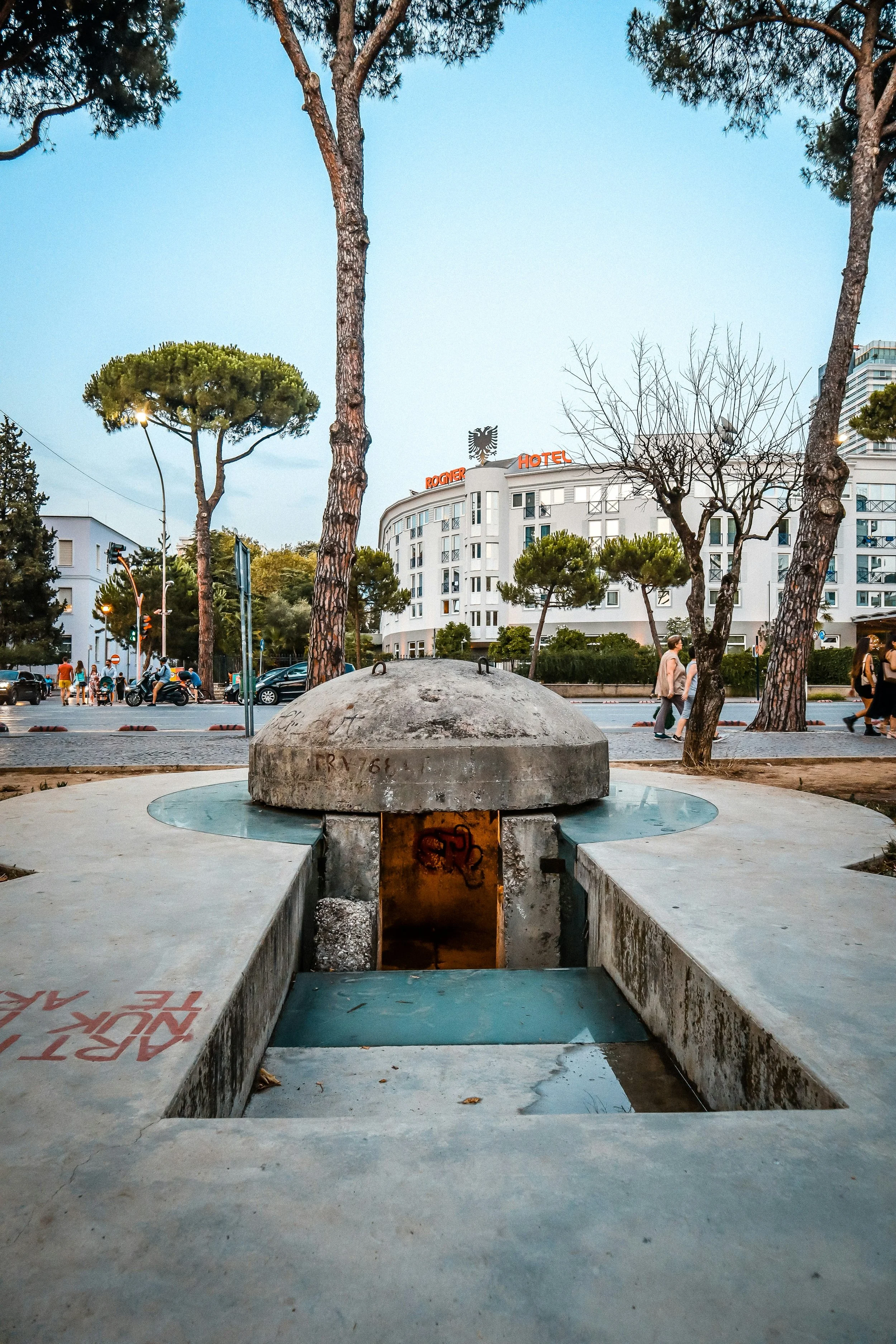
Tirana by Adventure Albania

As visitors wander through Tirana, one cannot help but be drawn to Skanderbeg Square, the largest public square in the city. Named after the national hero Gjergj Kastrioti, known as Skanderbeg, the square is a central point for cultural and social activities. Here, locals and tourists converge, enjoying the open space and the surrounding significant structures, such as the National Historical Museum, which offers a comprehensive overview of Albanian history. The museum's exterior is adorned with a large mosaic that portrays various epochs, serving as an invitation to delve into the rich tapestry of the nation’s past.

The city is also known for its distinct blend of cultures, which is reflected in its culinary scene. Traditional Albanian dishes, such as qofte (grilled meatballs), fërgesë (a baked dish of peppers and cheese), and byrek (savory pastries filled with various ingredients), tantalize taste buds and tell the story of the country's diverse influences. Visitors can explore bustling markets like Pazari i Ri, where fresh produce, spices, and artisanal goods are sold, creating an authentic shopping experience that highlights local flavors and craftsmanship.

Another notable aspect of Tirana is its commitment to green spaces. The Grand Park of Tirana, known as Parku i Madh, offers a serene escape from the urban hustle and bustle. It features walking paths, a picturesque lake, and areas for relaxation and recreation. This park not only serves as a refuge for nature lovers but also reflects the city's increasing emphasis on sustainability and environmental conservation. The combination of natural beauty and urban life creates a unique atmosphere, making it a beloved spot for both residents and visitors.

Art and culture thrive in Tirana, visible through numerous galleries, theaters, and street art. The National Art Gallery showcases an extensive collection of Albanian art, while contemporary artists contribute to the vibrant street art scene, transforming the city into an open-air gallery. Events like the Tirana International Film Festival and various music festivals foster creativity and bring together artists from different backgrounds, establishing Tirana as a rising cultural hub in the Balkans.

Tirana is a city that thrives on its duality—where history meets modernity, tradition intertwines with innovation, and nature coexists with urban life. Each corner of the city reveals a story, an experience, or a memory, making it a captivating destination for those seeking to explore the heart and soul of Albania. With its colorful streets, rich history, and welcoming spirit, Tirana invites all to discover its charm and resilience.
Guam, where Asia meets the Americas

Guam, a beautiful island in the western Pacific Ocean, is an unincorporated territory of the United States known for its stunning natural landscapes. As the largest island in Micronesia, Guam is often referred to as "The Gateway to the Pacific"

To understand Guam's allure, it is essential to delve into its history. The island has been inhabited for over 4,000 years, with the indigenous Chamorro people being its original inhabitants. They have their own distinct language and traditions, which continue to play a significant role in the island’s cultural identity. The arrival of European explorers in the 16th century marked a pivotal point in Guam's history, particularly with Ferdinand Magellan's landing in 1521, which led to Spanish colonization. For over three centuries, Guam remained under Spanish rule until it was ceded to the United States following the Spanish-American War in 1898. This complex history has shaped the cultural landscape of the island, blending indigenous Chamorro traditions with influences from Spanish, American, and Asian cultures.

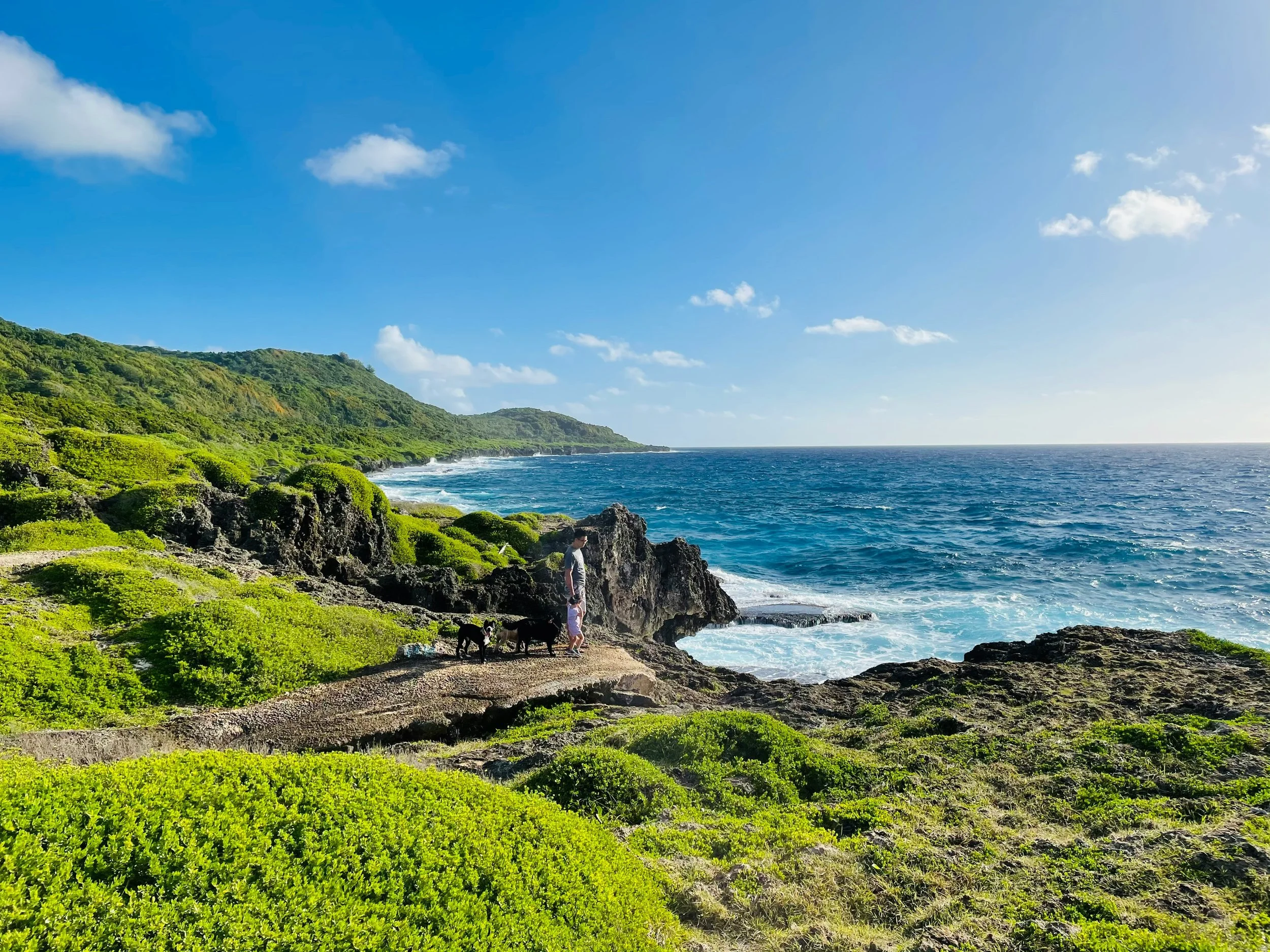
Guam by Stephanie Baza

Culturally, Guam is a melting pot that reflects its diverse heritage. Festivals play a crucial role in the island's social fabric, showcasing traditional music, dance, and cuisine. One notable event is the annual Fiesta, celebrated in honor of the island’s patron saint, where locals come together to share traditional dishes such as red rice, kelaguen, and various seafood delicacies. The island's cultural practices are also evident in its art, crafts, and storytelling. Visitors can experience this vibrant culture at various cultural sites, such as the Guam Museum and the Latte Stone Park, where ancient Chamorro stone structures serve as reminders of the island’s past.

Natural beauty is another significant aspect of Guam's appeal. With its stunning beaches, lush jungles, and coral reefs, the island offers a plethora of outdoor activities for nature enthusiasts. Tumon Bay, famous for its clear blue waters, is one of the top tourist destinations, ideal for swimming, snorkeling, and sunbathing. For those seeking adventure, hiking trails like the ones at Guam National Wildlife Refuge or the popular climb to the summit of Mount Lamlam provide exhilarating views of the island’s breathtaking landscape. Additionally, scuba diving in Guam reveals an underwater paradise filled with colorful marine life and vibrant coral reefs, captivating divers from around the world.

Moreover, Guam's strategic location has made it a vital military hub for the United States, which adds another layer of significance to the island. The presence of military bases contributes to the local economy and creates a unique blend of cultures, as many service members and their families become part of the community. This dynamic fosters a sense of camaraderie and collaboration between locals and military personnel, further enriching the island’s cultural tapestry.

Guam is a captivating island that offers a unique blend of history, culture, and natural beauty. Its rich heritage reflects the resilience of the Chamorro people and the influence of various cultures over centuries. From vibrant festivals to stunning landscapes, Guam embodies an inviting spirit that leaves a lasting impression on all who visit. Whether exploring its historical sites, participating in local traditions, or enjoying the pristine beaches, visitors to Guam are sure to be enchanted by the island's charm and warmth.

Luanda, the capital of Angola

Luanda, the vibrant capital city of Angola, is a fascinating blend of rich history, culture, and rapid economic development. Overlooking the Atlantic Ocean, this bustling metropolis is not only the largest city in Angola but also one of the most important urban centers in Africa. Its historical significance, cultural diversity, and emerging economy make Luanda a unique destination worth exploring.

The history of Luanda dates back to 1575 when it was founded by the Portuguese explorer Paulo Dias de Novais. Initially established as a fortified trading port, Luanda quickly grew into a center for the slave trade, a dark chapter in its history that has shaped the city’s identity. The remnants of colonial architecture, such as the impressive Fort São Miguel and the beautiful Igreja de Nossa Senhora dos Remédios, provide a glimpse into the past and reflect the city's colonial heritage. These historical sites attract tourists and historians alike, eager to learn about the city’s tumultuous yet rich history.

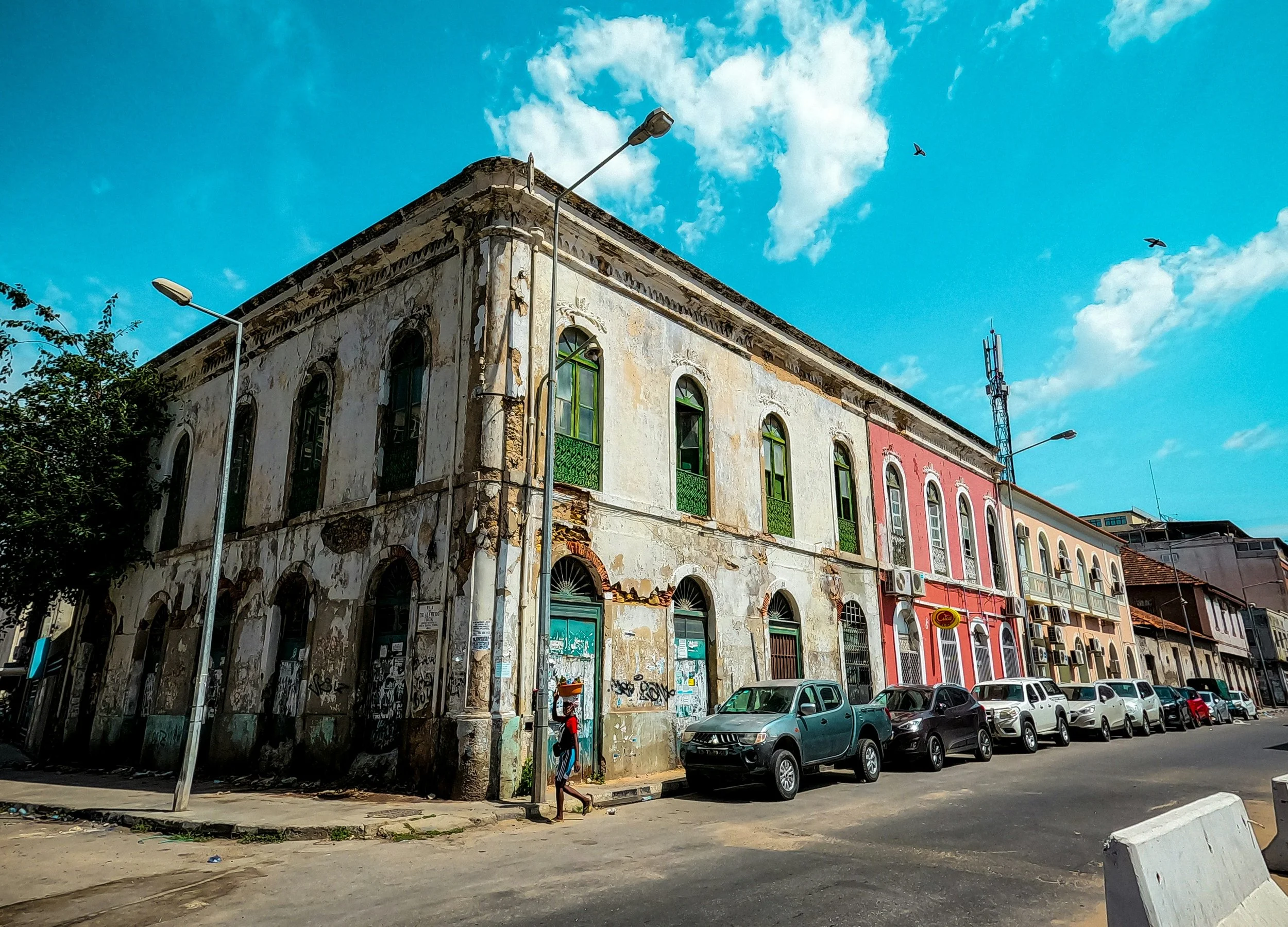
Luanda by Olhar Angolano

Today, Luanda is a city in transformation. Following the end of the civil war in 2002, Angola embarked on an ambitious reconstruction journey, resulting in significant economic growth. The city is witnessing a building boom, with modern skyscrapers like the Talatona Convention Hotel and the iconic Cidade Alta reflecting its aspirations for a bright future. Despite its rapid development, Luanda still retains a slice of its traditional charm, evident in its lively markets, where locals sell fresh produce, crafts, and textiles. The National Museum of Ancient Art offers another layer of cultural exploration, housing a collection of traditional Angolan art and artifacts that highlight the country's diverse heritage.

Culturally, Luanda is a melting pot of various ethnic groups and traditions. The predominant ethnic groups include the Ovimbundu, Kimbundu, and Bakongo, each contributing to the vibrant cultural tapestry of the city. Traditional music and dance form an integral part of life in Luanda, with styles such as Semba and Kuduro prevalent in local celebrations and gatherings. The city's nightlife is equally vibrant, with numerous bars and clubs where locals and visitors can enjoy live music, dance, and traditional Angolan cuisine.

The culinary scene in Luanda is a reflection of its cultural diversity. The city offers a wide array of dining options, from street food stalls serving delicious pastries such as “pão com mortadela” (bread with mortadella) to upscale restaurants showcasing exquisite Angolan dishes. Seafood is particularly popular, given Luanda's coastal location, with fresh fish and shellfish being integral to many local meals. Exploring Luanda through its food provides an authentic insight into the city's culture and traditions.

Luanda is not without its challenges. The city faces issues such as rapid urbanization, which has led to overcrowding and inadequate infrastructure in some areas. Access to basic amenities like clean water and sanitation remains a concern for many residents. The contrast between wealth and poverty is stark in Luanda, with affluent neighborhoods coexisting alongside informal settlements.

Luanda is a dynamic city that embodies the resilience of its people and the richness of its cultural heritage. From its historical landmarks to its vibrant arts scene, the city offers a plethora of experiences that captivate visitors. As Luanda continues to evolve and grow, it stands as a testament to Angola's journey towards modernization while honoring its past. For those seeking to explore a city full of life and history, Luanda promises an unforgettable experience.

Great National Parks XXXVIII: Bromo Tengger Semeru

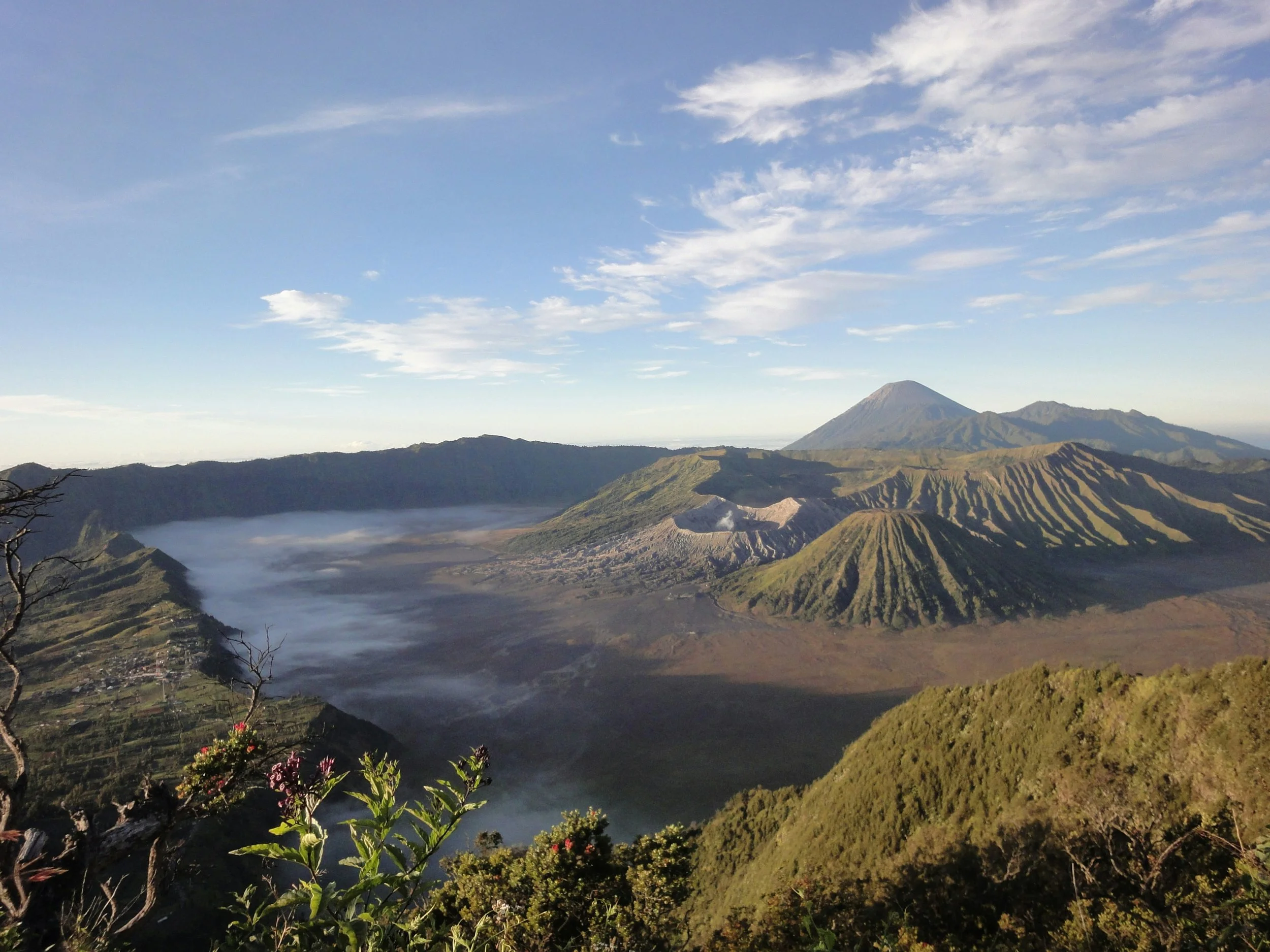
Nestled in the eastern part of Java, Indonesia, Bromo Tengger Semeru National Park stands as a testament to the breathtaking beauty and rich cultural tapestry of the region. Spanning over 800 square kilometers, this national park is not only renowned for its stunning landscapes but also for its vibrant ecosystems and unique volcanic activity. It is home to Mount Bromo, one of the most active volcanoes in Indonesia, along with the majestic Semeru, which is the highest peak on the island.

The park’s landscape is dominated by a vast sea of sand, surrounded by striking volcanic craters and lush green hills. Mount Bromo, with its smoldering, sulfurous crater, attracts thousands of tourists and adventurers every year, eager to witness the mesmerizing sunrise that paints the sky in hues of orange and pink. The early morning trek to the viewpoint is an experience in itself; visitors often ride jeeps through the eerie landscape, where the silence is broken only by the hum of engines and the occasional call of wildlife.

Bromo Tengger Semeru National Park by Prabowo Laksono

Another remarkable feature of Bromo Tengger Semeru National Park is its diverse flora and fauna. The park harbors numerous endemic species, including the iconic Javan hawk-eagle and various types of orchids that bloom across the fields and forests. The combination of different altitudes—from the lowland forests to the volcanic peaks—creates distinct habitats that support a wide range of wildlife, making it a paradise for nature enthusiasts and photographers alike.

Culturally, the park is also significant as it is inhabited by the Tenggerese people, who have lived in harmony with the land for generations. Their rich traditions and customs provide a fascinating cultural backdrop to the natural wonders of the park. One of the most notable events is the Yadnya Kasada festival, held annually in honor of the deity Hyang Widi Wasa. During this event, locals offer fruits, vegetables, and livestock as sacrifices to the volcano in hopes of receiving blessings for a bountiful harvest. This ritual not only showcases the deep-rooted beliefs of the Tenggerese community but also strengthens their bond with the surrounding landscape.

Visitors to Bromo Tengger Semeru National Park can engage in a multitude of activities, ranging from hiking and horseback riding to camping and photography. The panoramic views from various trails offer an opportunity to immerse oneself in the natural grandeur of the area. For adventure seekers, ascending the slopes of Semeru, which often spews ash and smoke, is both exhilarating and humbling. The hike to its summit demands physical endurance and rewards trekkers with breathtaking vistas that stretch to infinity.

In addition to its beauty and culture, conservation efforts are crucial for the sustainability of the park. Awareness programs aimed at protecting the delicate ecosystems from the impacts of tourism and climate change are in place. Preserving the integrity of Bromo Tengger Semeru National Park ensures that future generations can experience its splendor.

Bromo Tengger Semeru National Park is not just a location; it is a blend of awe-inspiring natural beauty, rich cultural heritage, and vibrant ecosystems. The dramatic landscapes, combined with the unique practices of the Tenggerese people, create an extraordinary experience for all who visit. For those seeking adventure, spiritual renewal, or simply a connection to nature, this national park offers something truly unforgettable.

Sacramento: The Camellia City

Sacramento, the capital city of California, is a vibrant metropolis rich in history, culture, and natural beauty. Nestled at the confluence of the Sacramento and American Rivers, this city offers a unique blend of urban sophistication and small-town charm. With its diverse neighborhoods, flourishing arts scene, and an abundance of outdoor activities, Sacramento is a destination that captivates both residents and visitors alike.

One of the most striking features of Sacramento is its historical significance. Established in 1848 during the Gold Rush, it quickly became a hub for pioneers seeking fortune and new opportunities. Today, the rich heritage of the city can be explored at various museums and historic sites. The California State Railroad Museum, for instance, showcases the vital role railroads played in the state’s development. Visitors to Old Sacramento can wander along the wooden sidewalks that echo the past, filled with shops, restaurants, and interpretative displays that bring history to life.

Sacramento by Josh Hild

Cultural diversity is another hallmark of Sacramento. The city is home to a mix of cultures, which is reflected in its culinary offerings. From farm-to-fork dining experiences to international cuisine, Sacramento has something to satisfy every palate. The bustling Midtown area boasts trendy eateries, coffee shops, and breweries, making it a perfect spot for food lovers. Additionally, the annual Farm-to-Fork Festival celebrates local produce and sustainable practices, highlighting the city’s commitment to its agricultural roots.

The arts scene in Sacramento is thriving, with numerous galleries, theaters, and performance spaces showcasing local talent. The Crocker Art Museum stands out as one of the nation’s oldest art museums, housing an impressive collection of California art, European masterworks, and contemporary pieces. Performance venues like the Sacramento Theatre Company and the Community Center Theater offer everything from Broadway shows to local productions, ensuring there’s always something to entertain residents and visitors.

Nature enthusiasts will find plenty to enjoy in Sacramento as well. The city is surrounded by stunning landscapes, including parks, rivers, and hiking trails. Discovery Park, situated at the confluence of the Sacramento and American Rivers, provides ample space for outdoor activities such as picnicking, cycling, and kayaking. The American River Parkway, a 23-mile long stretch along the river, is perfect for walking, biking, and enjoying scenic views of the water and wildlife.

Sports also play a significant role in Sacramento’s community life. The Golden 1 Center, home to the NBA's Sacramento Kings, is a state-of-the-art arena that hosts not only basketball games but also concerts and other events. The city is passionate about its sports teams, fostering a strong sense of community among fans.

In terms of education and innovation, Sacramento is home to several renowned institutions, such as California State University, Sacramento, and UC Davis nearby. These universities contribute to the intellectual vibrancy of the city, attracting students and researchers, and bolstering the local economy.

Sacramento is a dynamic city that offers a wealth of experiences for those who choose to explore its many facets. With its rich history, cultural diversity, thriving arts scene, and abundant outdoor spaces, Sacramento stands as a testament to California’s unique spirit. Whether one is captivated by its history, indulging in its culinary delights, or simply enjoying the great outdoors, Sacramento is a city that leaves a lasting impression.

Hangzhou, paradise on Earth

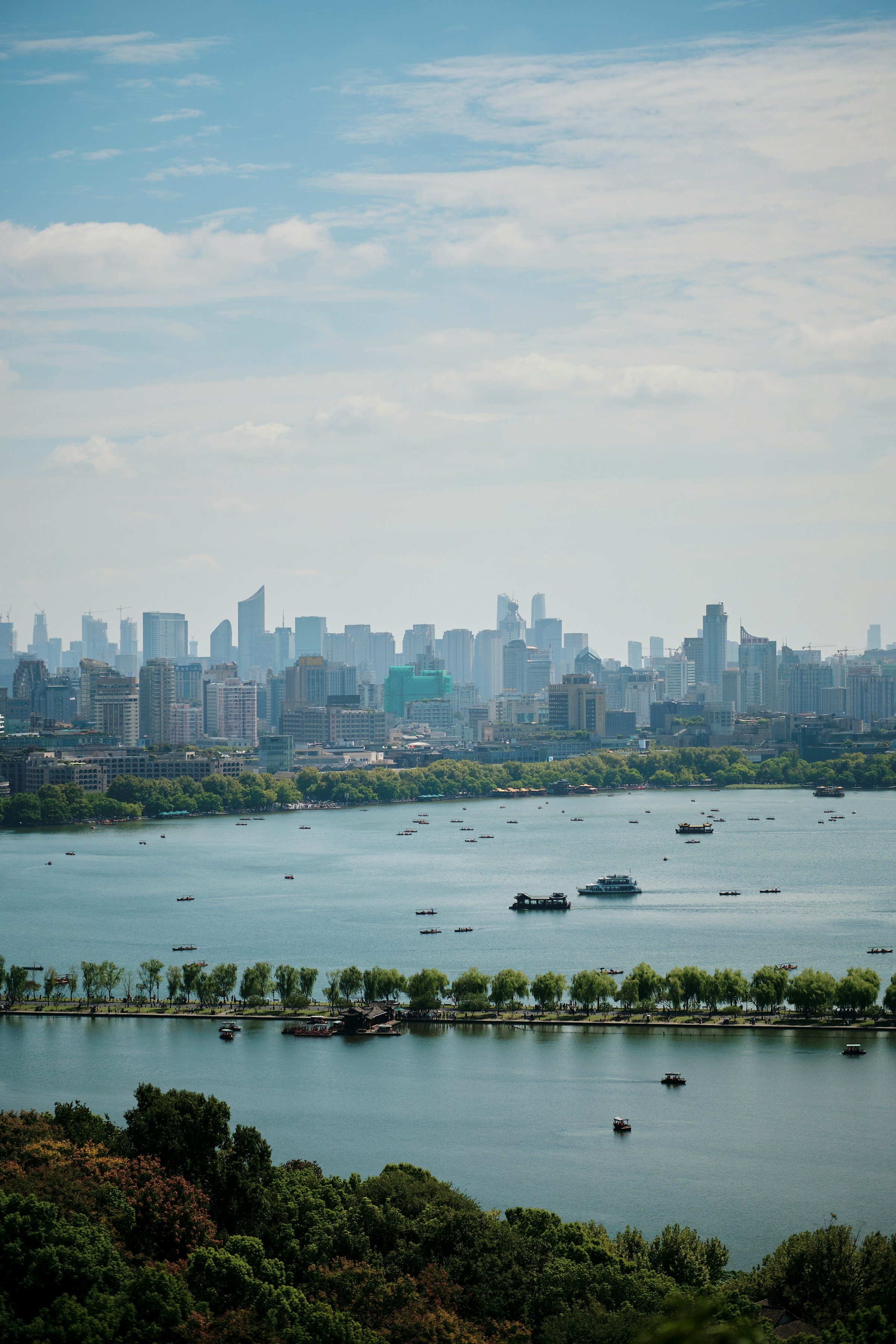
Nestled in the eastern part of China, Hangzhou is a city renowned for its picturesque landscapes, rich history, and cultural significance. As the capital of Zhejiang Province, it offers visitors an alluring mix of natural beauty and historical landmarks, making it one of China's most desirable destinations.

One of Hangzhou's most famous attractions is West Lake, a UNESCO World Heritage site that embodies the concept of 'paradise on earth.' The lake’s stunning vistas are accentuated by tranquil waters, willow-lined banks, and ancient pagodas. A boat ride across West Lake is a must-do experience, allowing travelers to soak in the serene ambiance while enjoying views of the surrounding hills. The lake hosts numerous islands and bridges, each steeped in legend and history. Among them, the Three Pools Mirroring the Moon and the Leifeng Pagoda stand out as iconic symbols of Hangzhou, drawing both tourists and scholars who admire their architectural beauty and historical significance.

Hangzhou by Seele An

Historically, Hangzhou has long been a center of commerce and culture. During the Southern Song Dynasty (1127–1279), it served as the imperial capital, contributing to its development as a political and economic hub. The remnants of this rich past are evident in the city's well-preserved temples, historic neighborhoods, and traditional gardens. The Lingyin Temple, one of the largest and wealthiest Buddhist temples in China, is a remarkable example. Dating back to 328 AD, it attracts countless pilgrims and tourists alike. The temple complex features intricate carvings and statues, providing a glimpse into the spiritual heritage that permeates the region.

The city is also famous for its tea culture, particularly Longjing tea, which is often referred to as Dragon Well tea. The picturesque Longjing Tea Plantations, located just outside the city, allow visitors to witness the meticulous tea-picking process while enjoying stunning views of the terraced hills. Tourists can participate in tea tastings and learn about the art of Chinese tea preparation, immersing themselves in an essential aspect of local culture.

Culinary experiences in Hangzhou are equally impressive. The city is home to a unique culinary style characterized by freshness and lightness, with dishes like Dongpo Pork and West Lake Fish in Vinegar Gravy being local favorites. Strolling through the vibrant streets filled with food stalls and restaurants, visitors can savor the exquisite flavors of Hangzhou’s traditional cuisine, which emphasizes seasonal ingredients and harmonious flavors.

Furthermore, Hangzhou plays a significant role in modern China’s development. In recent years, it has emerged as a tech hub, attracting startups and major companies alike. The city is known for its integration of technology and culture, highlighted by the Alibaba Group’s headquarters, which showcases the intersection of innovation and traditional business practices.

Hangzhou is a city that beautifully melds history, culture, and modernity. Its enchanting landscapes, historical treasures, and vibrant culinary scene make it a captivating destination for travelers. Whether exploring the serene waters of West Lake or indulging in local delicacies, visitors to Hangzhou are sure to leave with lasting memories of this extraordinary city, a true gem in the heart of China.

Ljubljana, the capital of Slovenia

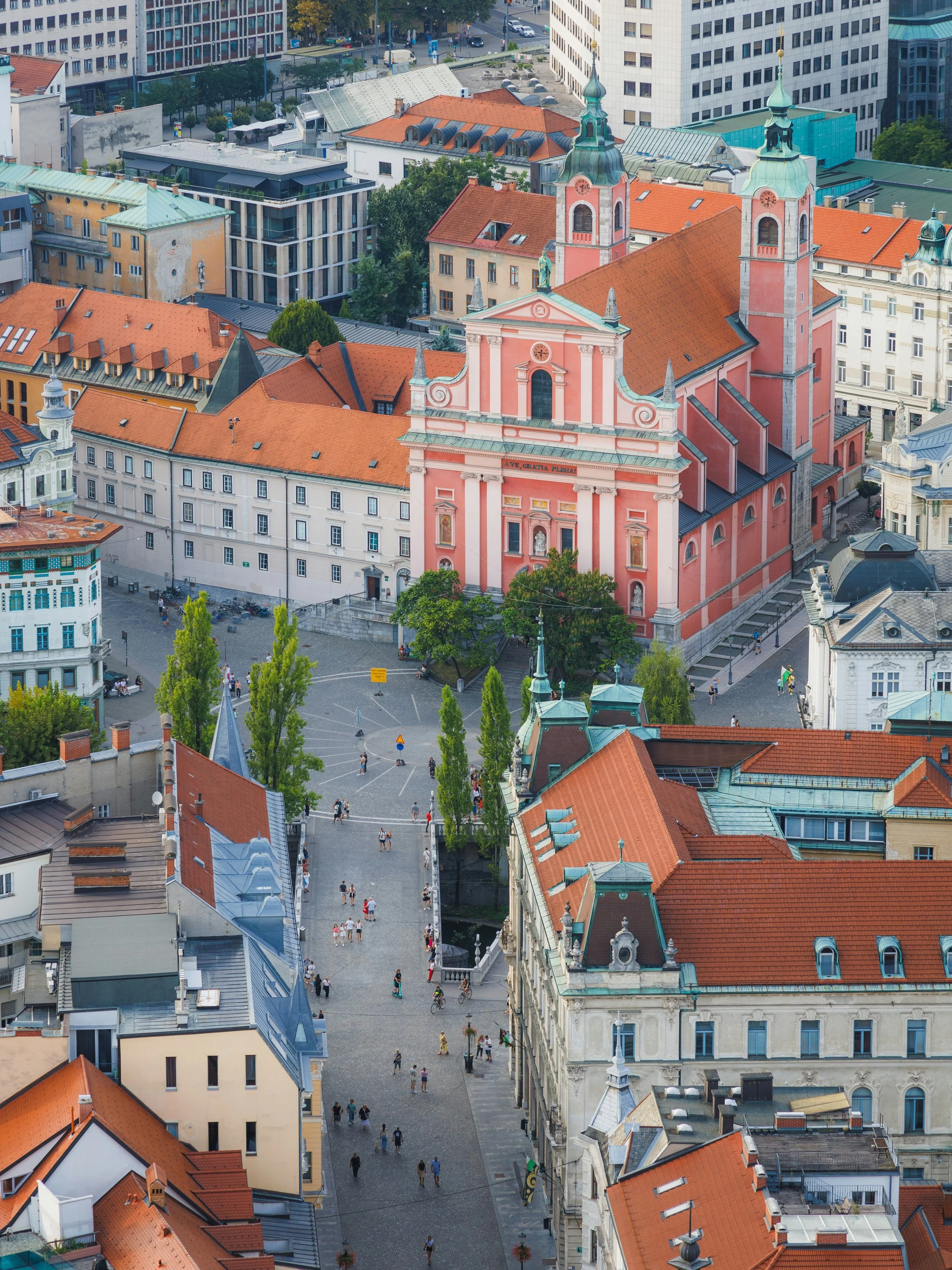
Ljubljana, the capital of Slovenia, is a vibrant city nestled between the Alps and the Mediterranean. It is often touted as one of Europe’s hidden gems, showcasing a delightful mix of rich history, culture, and natural beauty. A visit to this charming city unveils a landscape dotted with historical landmarks, picturesque streets, and a lively atmosphere that invites exploration.

One of Ljubljana’s most striking features is its architecture, which reflects a blend of Baroque, Art Nouveau, and modern styles. The heart of the city is marked by the Ljubljana Castle, which overlooks the city from a hilltop. This medieval fortress serves not only as a historical site but also as a symbol of the city itself. Visitors can access the castle via a funicular railway or a scenic walk. Once atop the hill, the panoramic views of Ljubljana and its surrounding areas are simply breathtaking, providing a perfect backdrop for photography and contemplation.

Ljubljana by Henry Ren

The Dragon Bridge, another iconic landmark, is a must-see. Completed in 1900, it is adorned with four majestic dragon statues that symbolize the city itself. The bridge spans the Ljubljanica River, which winds through the city, creating a picturesque setting that makes for pleasant riverside strolls. As you walk along the riverbanks, you'll find numerous cafes, restaurants, and bars, each contributing to the lively local culture. The outdoor seating areas afford an ideal spot to savor traditional Slovenian dishes while soaking in the atmosphere.

As a city deeply rooted in culture, Ljubljana boasts several museums and galleries that cater to a variety of interests. The National Museum of Slovenia showcases the country’s rich history and heritage, offering insights into prehistoric times through to the modern era. Meanwhile, the Museum of Modern Art presents contemporary works that challenge and inspire. For those interested in literature, the city is home to the Slovene National Theatre and the bookshop that once belonged to the renowned writer, Ivan Cankar.

A highlight of Ljubljana's cultural calendar is the annual Ljubljana Festival, which celebrates music, theater, and dance. This event attracts artists and performers from around the world, turning the city into a lively hub of creativity. Additionally, the Central Market, designed by architect Jože Plečnik, gathers locals and tourists alike to explore and taste a variety of regional products, from fresh fruits to artisanal cheeses, reflecting the rich agricultural heritage of Slovenia.

Nature is ever-present in Ljubljana, making it easy to escape the urban hustle. Tivoli Park, the largest park in the city, offers lush greenery, beautiful pathways, and serene ponds. It’s a popular spot for leisurely walks, jogging, or simply relaxing under the shade of the trees. The nearby Ljubljanica River provides opportunities for kayaking or paddleboarding, allowing visitors to experience the city from a unique perspective.

Ljubljana stands out as a captivating blend of history, culture, and nature. Its welcoming atmosphere, combined with stunning architecture and abundant green spaces, makes it an appealing destination for travelers seeking authenticity and charm. Whether exploring the historic castle, enjoying local cuisine by the riverside, or immersing oneself in the vibrant arts scene, Ljubljana promises an enriching experience that lingers long after the journey ends. Each corner of this enchanting city tells its own story, inviting visitors to uncover the magic of Slovenia’s capital.

Great National Parks XXXVII: Tulum

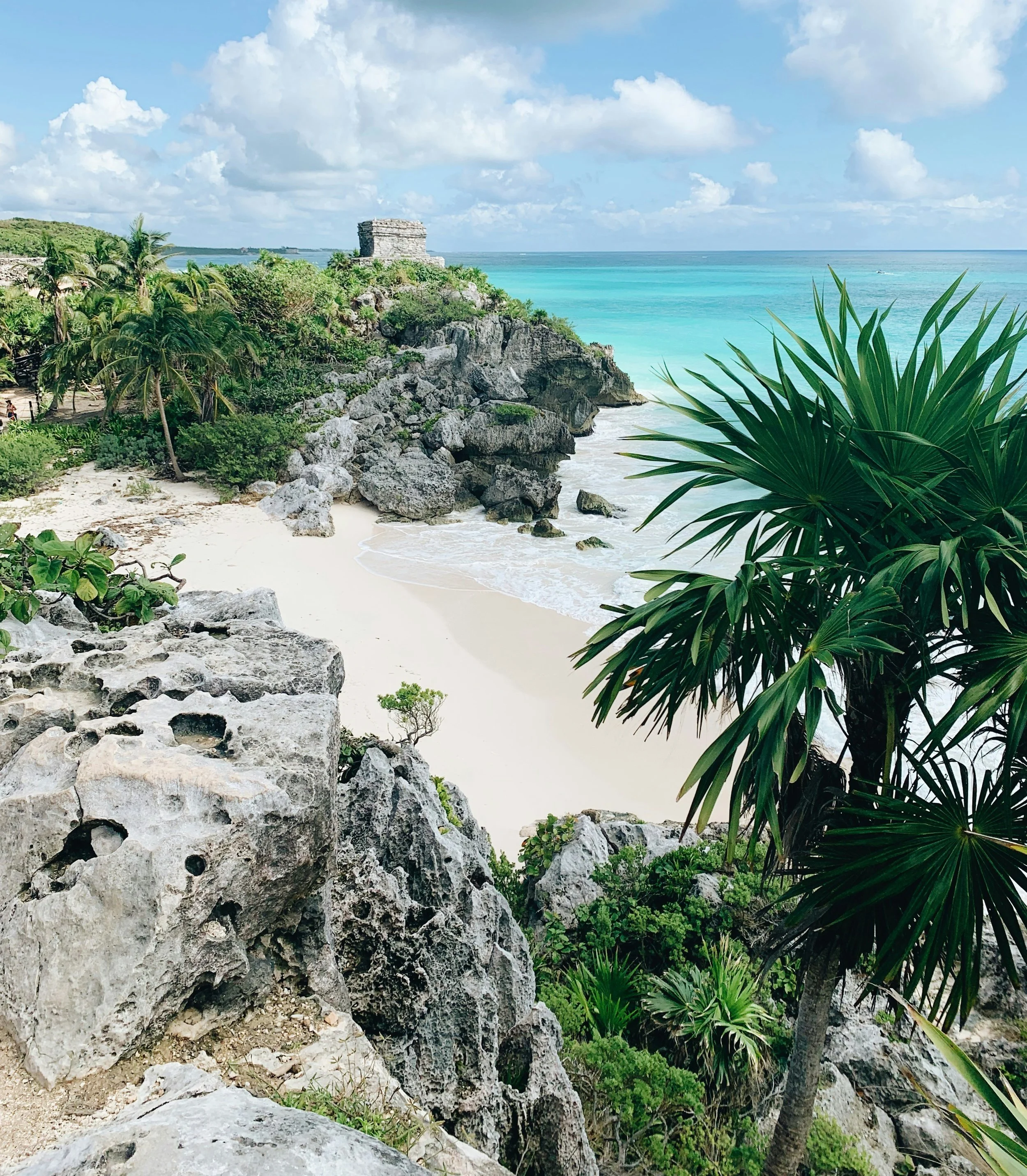
Tulum National Park, located on the eastern coast of Mexico's Yucatan Peninsula, is a stunning gem that draws visitors from around the world. This ecological paradise combines breathtaking natural beauty with a rich cultural heritage, making it a unique destination for nature lovers, history enthusiasts, and adventure seekers alike.

One of the most compelling aspects of Tulum National Park is its diverse ecosystems. Covering over 1,800 acres, the park features lush tropical forests, mangrove swamps, and pristine beaches along the Caribbean Sea. Each ecosystem supports a variety of flora and fauna, contributing to the area’s incredible biodiversity. Visitors can expect to encounter species such as howler monkeys, iguanas, and numerous exotic birds, including the vibrant toucan. The park’s well-marked trails provide opportunities for hiking and birdwatching, allowing visitors to immerse themselves in the natural surroundings.

Furthermore, Tulum National Park is home to some of the most beautiful beaches in Mexico. With soft, white sand and crystal-clear turquoise waters, these beaches are perfect for swimming, sunbathing, or simply enjoying the stunning scenery. Playa Paraiso, often regarded as one of the best beaches in the world, offers a serene setting where visitors can relax and take in the sun while listening to the gentle waves lapping at the shore. The beach is also an ideal spot for snorkeling, where you can explore the underwater world teeming with colorful marine life.

In addition to its natural wonders, Tulum National Park boasts significant archaeological sites that provide a glimpse into the region's ancient Mayan civilization. The most famous site within the park is the Tulum Ruins, which sit dramatically on a cliff overlooking the Caribbean Sea. These well-preserved ruins, dating back to the 13th century, were once a major port and trading hub for the Mayans. As you walk through the site, you can explore various structures, including the Temple of the Frescoes, which features intricate murals depicting ancient Mayan deities. Guided tours are available, offering insight into the history and cultural significance of this remarkable site.

Another exciting aspect of the park is its cenotes, natural sinkholes filled with freshwater that are unique to the Yucatan Peninsula. These cenotes, some of which lie within the park, are popular for swimming, snorkeling, and diving. The clear waters provide a refreshing escape from the heat and an opportunity to experience the unique geology and underground river systems that are characteristic of the region. Popular cenotes in the area include Gran Cenote and Cenote Calavera, each offering its own distinct charm and adventure.

Visitors to Tulum National Park can also engage in eco-friendly activities that promote sustainability and conservation. Birdwatching tours, guided nature walks, and educational programs help foster a greater understanding of the importance of preserving such a vital ecosystem. The park encourages responsible tourism, advocating for practices that protect wildlife and maintain the natural environment for future generations to enjoy.

Overall, Tulum National Park is a captivating destination where natural beauty, rich history, and cultural significance intertwine. Whether you are exploring the astonishing landscapes, lounging on stunning beaches, or delving into the mysteries of the ancient Mayan civilization, Tulum offers an unforgettable experience. As awareness of environmental conservation grows, visiting places like Tulum National Park not only enriches our lives but also helps safeguard these precious ecosystems for years to come.

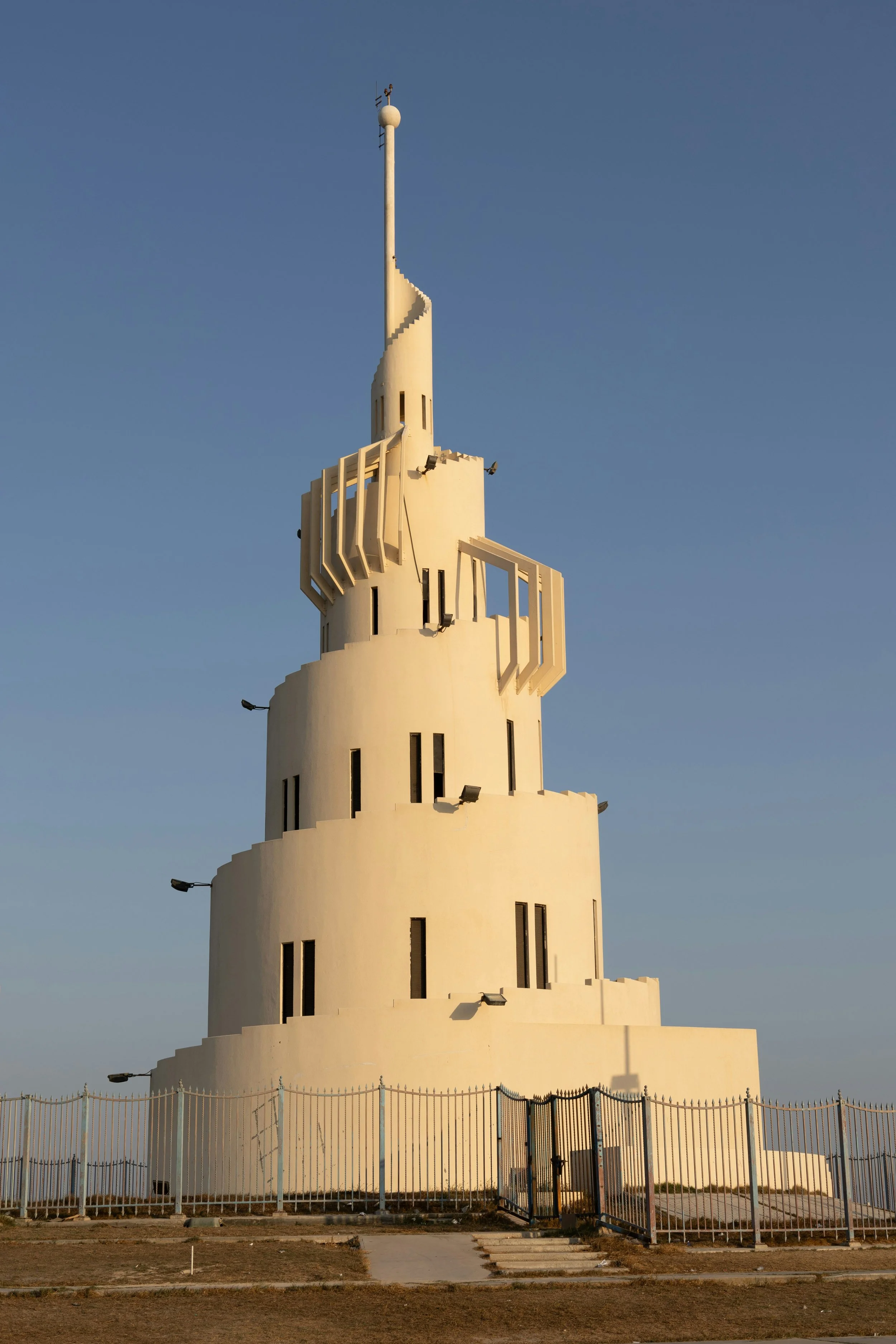
Dammam: Gateway to the Arabian Gulf

Dammam, the capital of the Eastern Province of Saudi Arabia, is a vibrant city that blends modernity with rich cultural heritage. Located along the Arabian Gulf, it serves as a pivotal commercial hub and offers a unique glimpse into the Kingdom's past and its contemporary advancements. The city is known for its striking skyline, bustling markets, and a variety of attractions that reflect the region's history, culture, and economic significance.

Dammam by Haider AlMarri

One of the best ways to experience Dammam is by taking a stroll along the Corniche, a beautiful waterfront promenade that stretches several kilometers along the coast. This area is adorned with lush gardens, children’s play areas, and dynamic sculptures, making it an ideal spot for families and visitors alike. The views over the Arabian Gulf are breathtaking, especially during sunset when the sky transforms into a canvas of colors. The Corniche also features various cafés and restaurants where one can enjoy local delicacies while soaking in the serene atmosphere.

A visit to Dammam would be incomplete without exploring the local markets, or souks, which offer a glimpse into traditional Arabic commerce. The Souk Al-Hob, for instance, is a vibrant market filled with shops selling everything from spices and textiles to gold and jewelry. This market not only showcases the variety of goods available in the region but also provides a sensory experience, as the aromas of spices mingle with the vibrant colors of textiles. Bargaining is expected in these markets, adding to the authenticity of the shopping experience.

Cultural sites in Dammam provide insight into the rich history of the region. The Dammam Regional Museum, for example, serves as a repository of artifacts and exhibits that showcase the heritage of Eastern Arabia. Visitors can learn about the various epochs that have shaped the area, from ancient times to the present day. Additionally, the King Fahd Park, one of the largest parks in Dammam, offers not only recreational opportunities but also a backdrop for cultural events and celebrations.

For those interested in modern attractions, Dammam boasts numerous shopping malls that cater to a diverse population. The Alshaya Mall and Dhahran Shopping Center offer a mix of international brands and local retailers, making them hotspot destinations for shopping, dining, and entertainment. These malls often organize events and activities, especially during holidays, enhancing the community spirit and providing entertainment for all ages.

Dammam's strategic location makes it an excellent base for exploring nearby attractions. A short drive leads to the city of Khobar, famous for its beautiful beaches and the stunning Half Moon Bay. Here, visitors can indulge in water sports, enjoy beachside picnics, or simply relax on the sandy shores. The proximity to Bahrain is also appealing, with the causeway facilitating easy access between the two countries. Many residents and visitors take advantage of this connection to explore Bahrain's rich cultural offerings.

Dammam is a city that represents a harmonious blend of tradition and modernity. From its picturesque Corniche to its bustling souks and vibrant malls, there is something for everyone in this dynamic metropolis. Whether you are looking to immerse yourself in the local culture, enjoy recreational activities, or explore its historical landmarks, Dammam offers a unique and enriching experience that should not be missed. It stands as a testament to the development of the Eastern Province, while still honoring its deep-rooted traditions and values.

Rovaniemi, the capital of Lapland

Rovaniemi, the capital of Lapland in Finland, is a fascinating destination that offers a unique blend of natural beauty, cultural experiences, and seasonal activities that attract visitors from around the world. This small city, located right on the Arctic Circle, serves as the gateway to some of the most extraordinary experiences in the Northern Hemisphere, making it a must-visit location for travelers seeking adventure and immersion in nature.

One of the most enchanting aspects of Rovaniemi is its stunning natural landscape, characterized by vast forests, pristine lakes, and the majestic Arctic tundra. The region's beauty transforms with the seasons, offering diverse experiences year-round. In winter, the snow-covered landscapes create a magical atmosphere where one can witness the ethereal phenomenon of the Northern Lights. The vibrant colors of the aurora borealis dancing across the dark, starry sky provide a once-in-a-lifetime experience that draws photographers and nature enthusiasts eager to capture the moment.

Rovaniemi by shepherd

In addition to the Northern Lights, winter in Rovaniemi is synonymous with a wealth of outdoor activities. Visitors can enjoy dog sledding, snowmobile safaris, and ice fishing, all while surrounded by breathtaking scenery. One of the most popular experiences is visiting Santa Claus Village, where families can meet Santa himself and experience the spirit of Christmas year-round. The village is a delightful spot filled with shops, eateries, and activities for children and adults alike, solidifying Rovaniemi's reputation as the official hometown of Santa Claus.

As the seasons change and spring arrives, Rovaniemi comes alive with a different set of adventures. The melting snow reveals lush greenery and vibrant wildflowers, providing the perfect backdrop for hiking and biking. For those interested in culture and history, the Arktikum Museum offers insights into Lapland’s indigenous Sámi culture, exploring the connection between humans and the delicate Arctic ecosystem. The museum's exhibitions focus not only on the region's history but also on contemporary issues, including climate change and its effects on this fragile environment.

Summer in Rovaniemi extends the daylight hours to nearly 24 hours, known as the Midnight Sun. This unique phenomenon allows visitors to explore the endless possibilities of outdoor life, from kayaking in the pristine waters of the Ounasjoki River to experiencing unique local festivals that celebrate Finnish culture and heritage. The Lappish cuisine, rich in flavors and based on local ingredients, offers a taste of tradition, featuring dishes made with reindeer, fish, and berries that are harvested from the wild.

As autumn approaches, the landscape undergoes a dramatic transformation, with trees donning vibrant shades of orange, yellow, and red. This picturesque season invites nature lovers to partake in berry-picking and mushroom foraging, which are integral parts of local culture. Moreover, the cooler temperatures mark the return of vibrant wildlife as animals prepare for winter, providing excellent opportunities for wildlife watching.

Rovaniemi is a destination that captivates with its exceptional offerings throughout the year. With its remarkable natural beauty, rich cultural experiences, and myriad of outdoor activities, this Arctic city promises unforgettable memories for every traveler. Whether chasing the Northern Lights in winter or indulging in the Midnight Sun during summer, Rovaniemi stands out as a truly unique gem waiting to be explored.

The Crossroads of the West: Salt Lake City

Salt Lake City, the capital of Utah, presents a unique blend of natural beauty and cultural richness. Nestled between the rugged Wasatch Mountains and the Great Salt Lake, the city boasts an array of outdoor activities, vibrant neighborhoods, and diverse communities that embody the spirit of the American West.

One of the most striking features of Salt Lake City is its stunning geography. The Wasatch Range to the east provides a dramatic backdrop for the city, offering residents and visitors alike access to world-class skiing, hiking, and mountain biking. In the winter, resorts such as Park City and Snowbird attract snow enthusiasts from all over the globe. In the warmer months, trails like those at Ensign Peak and Big Cottonwood Canyon transform into lush landscapes, perfect for exploration and adventure. The Great Salt Lake itself, one of the largest saline lakes in the world, presents a unique ecosystem worth exploring, with opportunities for birdwatching and photography, particularly at the Antelope Island State Park.

Salt Lake City by Brent Pace

Beyond its natural allure, Salt Lake City is steeped in rich history and culture. Founded in 1847 by Brigham Young and a group of Mormon pioneers, the city has deep roots in the Church of Jesus Christ of Latter-day Saints (LDS Church). The iconic Salt Lake Temple, located in the heart of the city, is a marvel of Gothic architecture and a focal point for both spiritual life and tourism. Surrounding the temple are beautifully manicured gardens and the Tabernacle, renowned for its exceptional acoustics and home to the famous Mormon Tabernacle Choir. Visitors can learn about the history of the LDS Church at the nearby Church History Museum, which houses artifacts and exhibits detailing the faith's development.

In addition to its religious heritage, Salt Lake City embraces a burgeoning arts and culture scene. The city's downtown area is alive with galleries, theaters, and music venues. The Salt Lake City Arts Council promotes local artists and hosts events such as the annual Utah Arts Festival, showcasing visual arts, music, and performance. The Eccles Theater, a new addition to the city’s skyline, plays host to national touring productions, concerts, and other performing arts, enriching the cultural fabric of the community.

Salt Lake City’s neighborhoods also reflect a mix of influences and lifestyles. Areas like Sugar House are known for their eclectic shops, trendy restaurants, and vibrant nightlife, while the historic Avenues neighborhood offers charming Victorian homes and sweeping views of the valley. Food lovers will delight in the diverse culinary offerings, ranging from traditional Mormon fare to international dishes that celebrate the city's multicultural population.

Moreover, Salt Lake City's commitment to sustainability and outdoor recreation has fostered a community focused on health and wellness. The availability of parks, trails, and recreational facilities encourages an active lifestyle. Initiatives such as the city’s bike-share program and efforts to expand public transportation reflect a growing emphasis on eco-friendly practices.

Salt Lake City stands out as a destination where adventure, history, and culture converge. Whether you are drawn to the majestic mountains, intrigued by the rich tapestry of its past, or excited to experience its vibrant arts scene, Salt Lake City offers something for everyone. With its unique character and welcoming atmosphere, it continues to attract visitors and residents who appreciate the beauty and diversity of this remarkable city.

Great National Parks XXXVI: Sydney Harbour

Sydney Harbour National Park is a stunning natural oasis nestled within Australia’s bustling metropolis, offering an exquisite blend of breathtaking landscapes and rich wildlife. Spanning across several picturesque locations, the park provides a sanctuary for both locals and tourists seeking to escape the city's fast pace while immersing themselves in nature.

One of the most remarkable aspects of Sydney Harbour National Park is its captivating scenery. The park encompasses various iconic landmarks, including the Sydney Opera House and the Sydney Harbour Bridge, which provide a dramatic backdrop to its scenic beauty. The coastline is adorned with rugged cliffs, sandy beaches, and sheltered bays, all teeming with lush vegetation and diverse flora. Visitors can walk along well-maintained trails, such as the Coast Walk from Bondi Beach to Coogee Beach, which offers stunning views of the ocean, elegant rock formations, and the chance to encounter wildlife like dolphins and seabirds.

Sydney Harbour by Serena Yu

The park is not just aesthetically pleasing; it also plays a vital role in conserving essential ecosystems. Home to numerous native species, Sydney Harbour National Park supports a variety of habitats, from coastal heathlands to mangroves and rainforests. Animals such as the Eastern Grey Kangaroo, various species of wallabies, and over 100 bird species make the park their home, making it a key area for biodiversity in the region. Moreover, the waters surrounding the park are equally rich, providing habitats for marine life, including fish, crustaceans, and underwater plants that contribute to the ecological balance of the harbor.

In addition to its natural wonders, Sydney Harbour National Park boasts significant historical and cultural heritage. Many areas within the park hold deep significance for the Indigenous people of Australia, particularly the Gadigal and Cammeraygal clans, who have lived in the region for thousands of years. Visitors can explore rock engravings and other archaeological sites that offer a glimpse into the rich cultural history of these communities. Furthermore, the park is dotted with remnants of its colonial past, including historical sites like the former Quarantine Station at North Head and the convict-built cottages at Nielsen Park, showcasing Australia’s history and evolution.

For those looking to engage in outdoor activities, Sydney Harbour National Park presents a multitude of options. Hiking enthusiasts can embark on a range of walking tracks suitable for all fitness levels, from short strolls to more challenging hikes that lead to panoramic viewpoints. Kayaking is another popular activity, allowing visitors to paddle through the calm waters while soaking in the stunning vistas of the harbor’s cliffs and coves. Additionally, picnicking in one of the park's scenic spots is a favorite pastime for families, friends, and lovers of nature alike.

Sydney Harbour National Park is a treasure trove of natural beauty, ecological significance, and cultural heritage. Its striking landscapes and rich biodiversity make it an essential destination for anyone visiting Sydney. Whether one seeks adventure through hiking and kayaking or simply wishes to relax amidst the tranquil surroundings, the park promises a memorable experience that highlights the harmonious connection between nature and urban life. Exploring Sydney Harbour National Park is not just a journey through beautiful scenery, but an opportunity to appreciate the diverse life and storied past of this unique Australian gem.

Hanoi, the capital of Vietnam

Hanoi, the capital city of Vietnam, is a vibrant blend of history, culture, and modernity. Located in the northern region of the country along the banks of the Red River, Hanoi is not only the political center of Vietnam but also a hub of cultural exchange and tourism. The city’s historical significance, architectural diversity, and lively street life make it a captivating destination for both locals and tourists alike.

Hanoi by Silver Ringvee

The history of Hanoi traces back over a thousand years, making it one of the oldest capitals in the world. Originally named Thang Long, which means “Ascending Dragon,” Hanoi has witnessed numerous dynasties rise and fall, each leaving its mark on the city’s landscape and culture. One of the most significant historical landmarks is the Hoan Kiem Lake, which is surrounded by a plethora of ancient temples and colonial buildings. The Ngoc Son Temple, located on an island in the lake, serves as a reminder of the city’s rich mythology and traditional beliefs. The lake not only offers a scenic retreat for residents but also acts as a communal meeting point, where people gather for tai chi, jogging, or simply to enjoy the serene environment.

Hanoi's architecture is a testament to its diverse history. The city features a unique combination of French colonial buildings, traditional Vietnamese homes, and modern skyscrapers. The Old Quarter, with its narrow streets and bustling markets, showcases the traditional lifestyle of Hanoians. Each street specializes in a particular trade, from silk to street food, providing an authentic shopping experience. Visitors can immerse themselves in local life while sampling delicious Vietnamese dishes such as pho and banh mi from street vendors. This area encapsulates the essence of Hanoi, where the past seamlessly coexists with the present.

Another notable aspect of Hanoi is its artistic and intellectual spirit. The city is home to numerous museums, art galleries, and performing arts venues. The Vietnam Museum of Ethnology offers insights into the diverse cultures and traditions of the various ethnic groups across the country. In contrast, the Thang Long Water Puppet Theatre presents a unique form of artistic expression that dates back to the 11th century, captivating audiences with its enchanting performances that reflect Vietnamese folklore and history.

Moreover, Hanoi's educational institutions, including the prestigious Hanoi National University, contribute significantly to the city’s reputation as a center of knowledge and innovation. The city attracts students from all over Vietnam and beyond, fostering a dynamic atmosphere filled with youthful energy and creativity.

As the sun sets, Hanoi transforms into a lively metropolis with bustling night markets and vibrant street food stalls. The night market in the Old Quarter draws crowds eager to explore local crafts and savor delectable dishes. The city's nightlife is vibrant, with a mix of bars, cafes, and live music venues, making it a perfect spot for socializing and experiencing the local culture.

In a nutshell, Hanoi stands as a city that embodies the beauty of contrast — a place where tradition meets modernity, and history intersects with contemporary life. Its rich cultural heritage, stunning architecture, and dynamic street life create an environment that is not just a city but an experience. For anyone seeking to explore the heart and soul of Vietnam, Hanoi offers an invitation to delve into its depths and embrace the warmth of its people and traditions.

Exploring Western Germany: Cologne & Bonn

Cologne and Bonn, two vibrant cities located in the North Rhine-Westphalia region of Germany, offer a rich tapestry of history, culture, and modern living. While they are distinct in character and charm, their proximity allows for an effortless exploration of the unique features each has to offer.

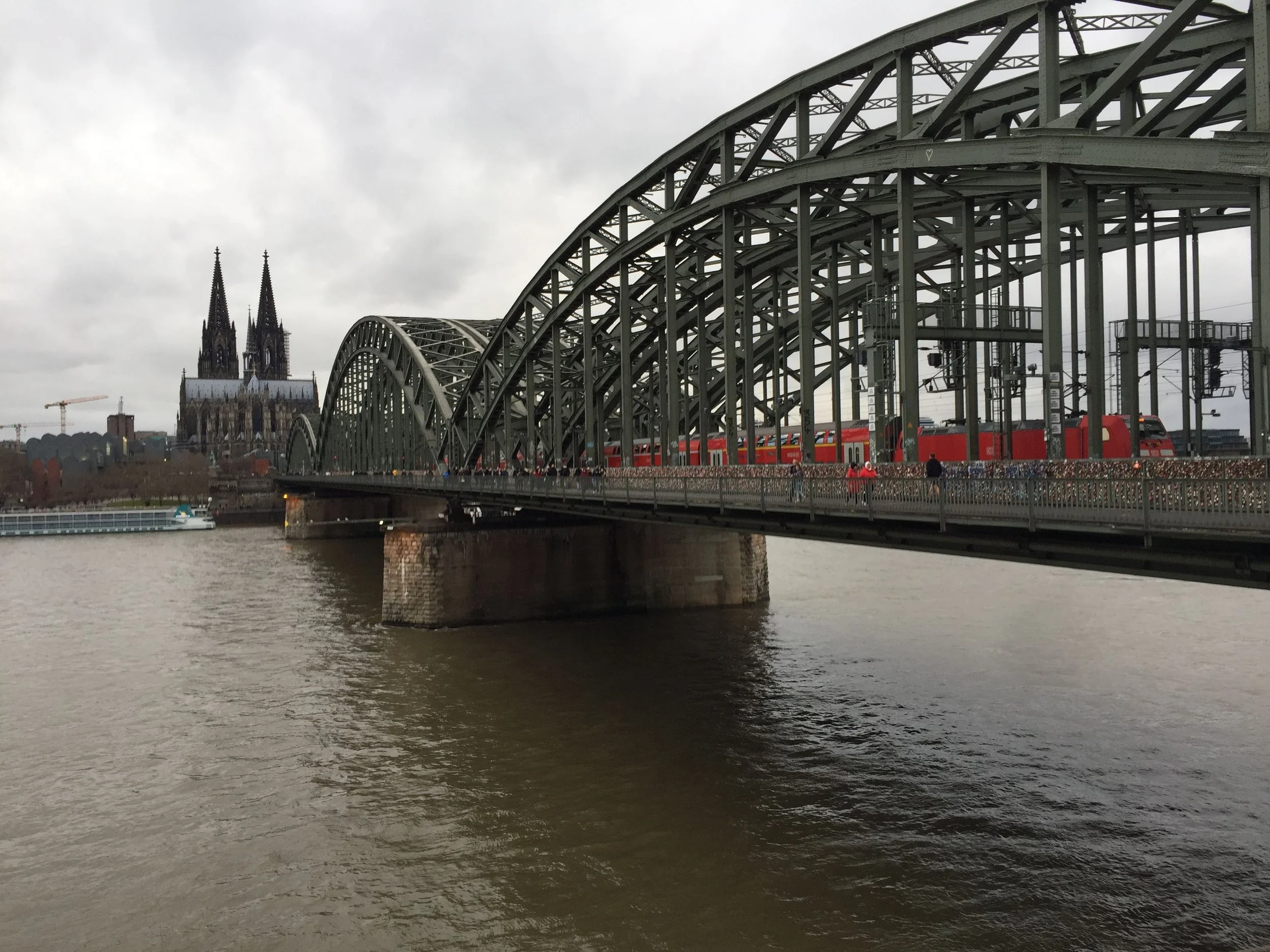
Cologne, known as Köln in German, is the largest city in North Rhine-Westphalia and one of Germany’s most important cultural centers. One of its most iconic landmarks is the Cologne Cathedral (Kölner Dom), a UNESCO World Heritage Site. This stunning Gothic structure towers over the city and attracts millions of visitors every year. Its intricate architecture, soaring spires, and breathtaking stained-glass windows make it a must-see for any traveler. Climbing the 533 steps to the top of the cathedral provides panoramic views of the city, showcasing the blend of historic and contemporary buildings that define Cologne’s skyline.

Cologne Cathedral

The city’s vibrant arts scene is another highlight. The Museum Ludwig, located near the cathedral, houses an impressive collection of modern art, featuring works by Picasso and Warhol among others. Art enthusiasts will appreciate the various galleries and street art that adorn the neighborhoods, with Belgian Quarter being particularly notable for its trendy atmosphere and creative vibe. Additionally, Cologne celebrates numerous festivals throughout the year, including the famous Cologne Carnival, where the streets come alive with colorful parades, music, and merriment.

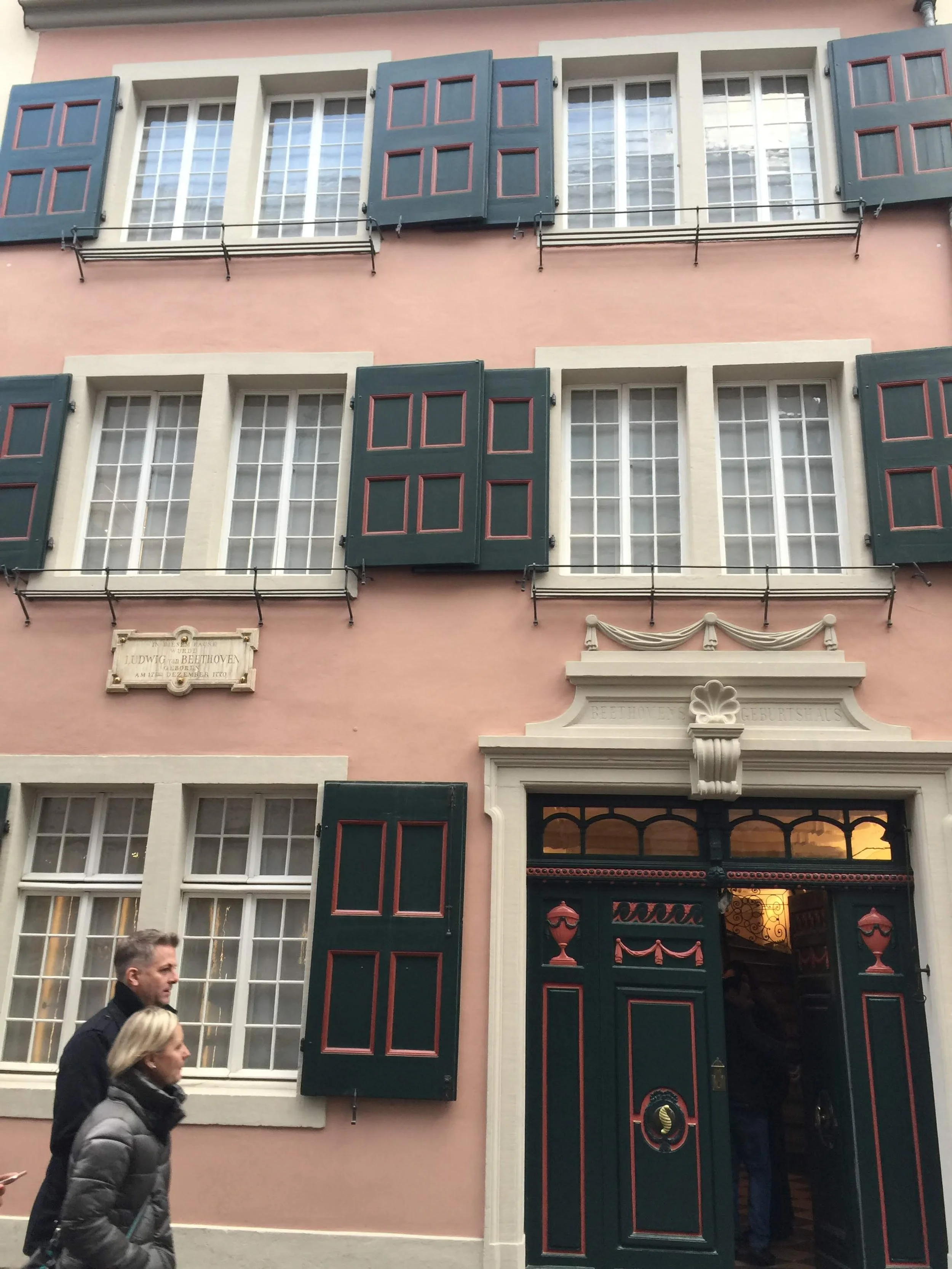
The Beethoven House

Just a short train ride away lies Bonn, the former capital of West Germany and a city renowned for its academic reputation, largely due to the presence of the University of Bonn. Bonn is a city steeped in history and is the birthplace of the famed composer Ludwig van Beethoven. The Beethoven House offers an intimate glimpse into his life and work, making it a significant stop for music lovers. The city's commitment to preserving its historical roots is evident in its beautiful architecture, from the Bonn Minster—a stunning church with Romanesque elements—to the Old City Hall (Altes Rathaus), which is characterized by its striking yellow facade.

Nature lovers will find Bonn particularly appealing due to its proximity to the scenic Rhine River. The riverside promenade is perfect for leisurely strolls or bike rides, allowing visitors to enjoy picturesque views of the water and surrounding landscapes. The nearby Rhine Promenade is a hub for outdoor activities, with cafes and restaurants lining the waterfront. Furthermore, the Botanical Gardens of the University of Bonn provide a tranquil retreat, boasting a diverse array of plant species and lush greenery.

Both cities share a strong culinary scene, offering various traditional German dishes and international cuisine. Local specialties such as Kölsch beer, originating from Cologne, and various hearty meals reflect the region’s rich gastronomic heritage. Cafés and breweries in both cities invite visitors to relax and indulge in the warmth of local hospitality.

Overall, exploring Cologne and Bonn presents a unique opportunity to experience the best of German culture, history, and natural beauty. While Cologne dazzles with its architectural wonders and vibrant festivals, Bonn enchants with its serene ambiance and academic significance. Together, these cities create a captivating journey that highlights the diverse tapestry of life in this fascinating region of Germany. Whether you are drawn to the bustling streets of Cologne or the tranquil charm of Bonn, both cities offer unforgettable experiences for every type of traveler.

Hurghada: A Gem on the Red Sea

Nestled along the tranquil shores of the Red Sea, Hurghada is one of Egypt's most popular coastal destinations. Boasting a rich history, vibrant marine life, and stunning landscapes, this city has become a favorite spot for travelers seeking both relaxation and adventure. From its breathtaking beaches to its lively nightlife, Hurghada offers a captivating blend of natural beauty and cultural experiences that make it worth exploring.

Hurghada by Jayde Keroi

The allure of Hurghada begins with its exceptional beaches. With miles of golden sands and crystal-clear waters, the coastline serves as an idyllic escape for sun-seekers and water sports enthusiasts alike. Whether lounging under the sun with a good book or diving into the warm waters to explore vibrant coral reefs, visitors are sure to be enchanted by the beachside offerings. Popular spots like El Mamsha and Sakkala are lined with beach resorts, cafes, and shops, providing an inviting atmosphere for relaxation.

Diving and snorkeling are undoubtedly the crown jewels of Hurghada’s attractions. The underwater world of the Red Sea is renowned for its rich biodiversity, featuring colorful reefs and a plethora of marine life. Professional dive schools cater to all skill levels, offering courses and guided tours to some of the most spectacular dive sites in the region. Giftun Island, a national park located just offshore, is one such site where divers can swim alongside dolphins, sea turtles, and schools of exotic fish, making it a must-visit for nature lovers.

Beyond the beaches and aquatic adventures, Hurghada also provides cultural experiences that allow visitors to delve into Egypt’s rich heritage. The city's history dates back to ancient times, and while it may not boast monumental landmarks like Cairo, it offers unique local charm. Visitors can wander through the bustling markets, known as souks, where traditional crafts, spices, and textiles are available. Engaging with local vendors provides an authentic glimpse into Egyptian culture, and bargaining for goods becomes part of the experience.

For those looking to venture beyond the coast, excursions to nearby historic sites enhance the Hurghada experience. Luxor, home to some of the most impressive pharaonic monuments, is easily accessible by a day trip. Here, travelers can explore the Valley of the Kings, the Karnak Temple, and the Temple of Hatshepsut. Such outings reveal the remarkable achievements of ancient civilizations, enriching the journey for anyone exploring this vibrant region.

As the sun sets, Hurghada transforms into a lively hub of entertainment. The city's nightlife is diverse, ranging from laid-back beach bars to energetic nightclubs. Many tourists enjoy dining at seaside restaurants, savoring fresh seafood while listening to the soothing sounds of the waves. Live music and shows featuring traditional dance also add to the vibrant atmosphere, ensuring that the evenings are just as enjoyable as the days.

Hurghada is a multifaceted destination that offers something for everyone. Its stunning beaches, world-class diving, rich culture, and vibrant nightlife make it a top choice for travelers seeking a balance of relaxation and adventure. Whether swimming in the turquoise waters, exploring ancient history, or enjoying a delicious meal by the sea, a trip to Hurghada is sure to leave lasting memories and a desire to return to this enchanting gem on the Red Sea.

Great National Parks XXXV: Arches

Nestled in the high desert of southeastern Utah, Arches National Park is a breathtaking natural wonder renowned for its stunning geological formations and vibrant landscapes. With over 2,000 natural stone arches, along with an array of other unique rock structures, the park offers a captivating display of nature’s artistry. Adjacent to the town of Moab, this extraordinary park serves as a gateway to adventure, drawing outdoor enthusiasts and nature lovers from around the world.

Arches National Park spans over 76,000 acres and boasts a diverse range of ecosystems, including arid deserts, lush riparian areas, and towering rock formations that create a spectacular backdrop. The park's iconic Delicate Arch, perhaps the most photographed arch in the world, stands as a symbol of the rugged beauty of the region. Visitors often embark on the moderately challenging hike to witness this impressive formation up close, especially during sunrise or sunset when the arch glows with warm hues of orange and red.

Arches National Park by NOAA

Beyond Delicate Arch, the park offers numerous trails and viewpoints for exploring its stunning scenery. The Windows Section showcases two large arches—North Window and South Window—side by side, providing easy access for families and casual hikers. Likewise, the Landscape Arch, one of the longest natural stone arches globally, stretches gracefully across a narrow rock fin, leaving onlookers in awe of its delicate structure. Each trail unveils new vistas, encouraging visitors to explore further into the park’s captivating landscape.

The geology of Arches National Park is a remarkable study in sedimentary rock layers that have been sculpted over millions of years by erosion from wind and water. The result is a terrain rich in both visual splendor and scientific intrigue. The park's unique formations, including pinnacles, spires, and balanced rocks, illustrate the dynamic processes of nature. As one stands in the shadow of these colossal structures, it is impossible not to feel a sense of wonder and respect for the forces that shaped them.

Adjacent to Arches, the charming town of Moab serves as the perfect base for exploration. Known for its vibrant outdoor culture, Moab offers a range of activities, from mountain biking on the famous Slickrock Trail to rafting on the Colorado River. The town itself is filled with local shops, restaurants, and cafes that cater to the many visitors who flock to the area. Moab's welcoming atmosphere, coupled with its stunning surroundings, makes it an ideal destination for families, adventurers, and outdoor enthusiasts alike.

Moab is also a hub for various guided tours and excursions that provide deeper insight into the area’s history and ecology. From jeep tours through the rugged backcountry to stargazing events that highlight the incredible night sky, there are countless opportunities to connect with nature and learn more about this unique environment. Visitors can immerse themselves in the stories of ancient Native American cultures, whose rock art can still be seen in the surrounding canyonlands.

Arches National Park and the town of Moab together offer an unparalleled experience for those seeking adventure and connection with the great outdoors. The park's remarkable arches and stunning landscapes set the stage for exploration, while Moab provides the amenities necessary for an enjoyable visit. Whether it’s hiking through the park's iconic formations or engaging in thrilling outdoor activities in Moab, this region captivates the spirit of adventure and invites all to discover its natural beauty.

Bristol, aka Brizzle

Bristol, a vibrant city nestled in the southwest of England, is renowned for its rich maritime history, cultural diversity, and thriving arts scene. With a population that embraces both tradition and innovation, Bristol offers a unique blend of historical landmarks and contemporary attractions, making it an ideal destination for both residents and visitors alike.

At the heart of Bristol's allure is its maritime heritage. The city's port played a pivotal role in trade during the 19th century, contributing significantly to its economic growth. The iconic waterfront area, with its picturesque views of the harbor, showcases beautifully restored buildings that echo the past. One cannot visit Bristol without exploring the M Shed, a museum dedicated to the city's social and industrial history. Here, visitors can delve into exhibitions that highlight Bristol's transformation over the years, from its shipbuilding origins to its current status as a hub for technology and creativity.

Bristol by Jonny Gios

A short stroll from the waterfront leads to the famous Clifton Suspension Bridge, an engineering marvel designed by Isambard Kingdom Brunel. Spanning 1,352 feet across the Avon Gorge, the bridge offers breathtaking views and is a testament to Victorian ingenuity. Completed in 1864, it remains a symbol of Bristol’s innovative spirit and serves as a vital link between the city and its surrounding areas. Walking across the bridge is not just about reaching the other side; it's an experience enriched by the stunning landscapes that surround it.

Bristol is also celebrated for its cultural offerings. The city hosts numerous festivals throughout the year, including the Bristol International Balloon Fiesta, which sees colorful hot air balloons fill the skies each August. This event draws thousands of spectators and showcases Bristol as a place of joy and celebration. Furthermore, the city's vibrant street art scene, led by the enigmatic artist Banksy, has transformed urban spaces into canvases, reflecting the local culture and social commentaries through visually striking murals.

For those looking to immerse themselves in the arts, the Harbourside area is home to several galleries and theaters. The Bristol Old Vic, the longest continuously running theater in the English-speaking world, presents a rich array of performances that cater to diverse audiences. Art lovers can also visit the Arnolfini, a center for contemporary art that regularly hosts exhibitions featuring cutting-edge works by both established and emerging artists.

Moreover, Bristol's culinary scene deserves special mention. The city boasts a plethora of eateries ranging from traditional pubs serving classic British fare to innovative restaurants offering global cuisine. The St. Nicholas Market is a must-visit for food enthusiasts, where visitors can sample local delicacies, artisan pastries, and street food from various cultures. The emphasis on sustainable and locally sourced ingredients highlights Bristol’s commitment to preserving both its environment and culinary heritage.

Overall, Bristol is a city that encapsulates the essence of diversity, creativity, and history. With its stunning architecture, vibrant arts scene, and rich cultural tapestry, it offers something for everyone. Whether wandering through its historic streets, savoring delicious food, or marveling at its artistic expressions, visitors will find that Bristol is not just a place to see, but a city to experience deeply. As it continues to evolve, Bristol remains a dynamic and inviting destination that celebrates its past while boldly embracing the future.

Arequipa: La Ciudad Blanca

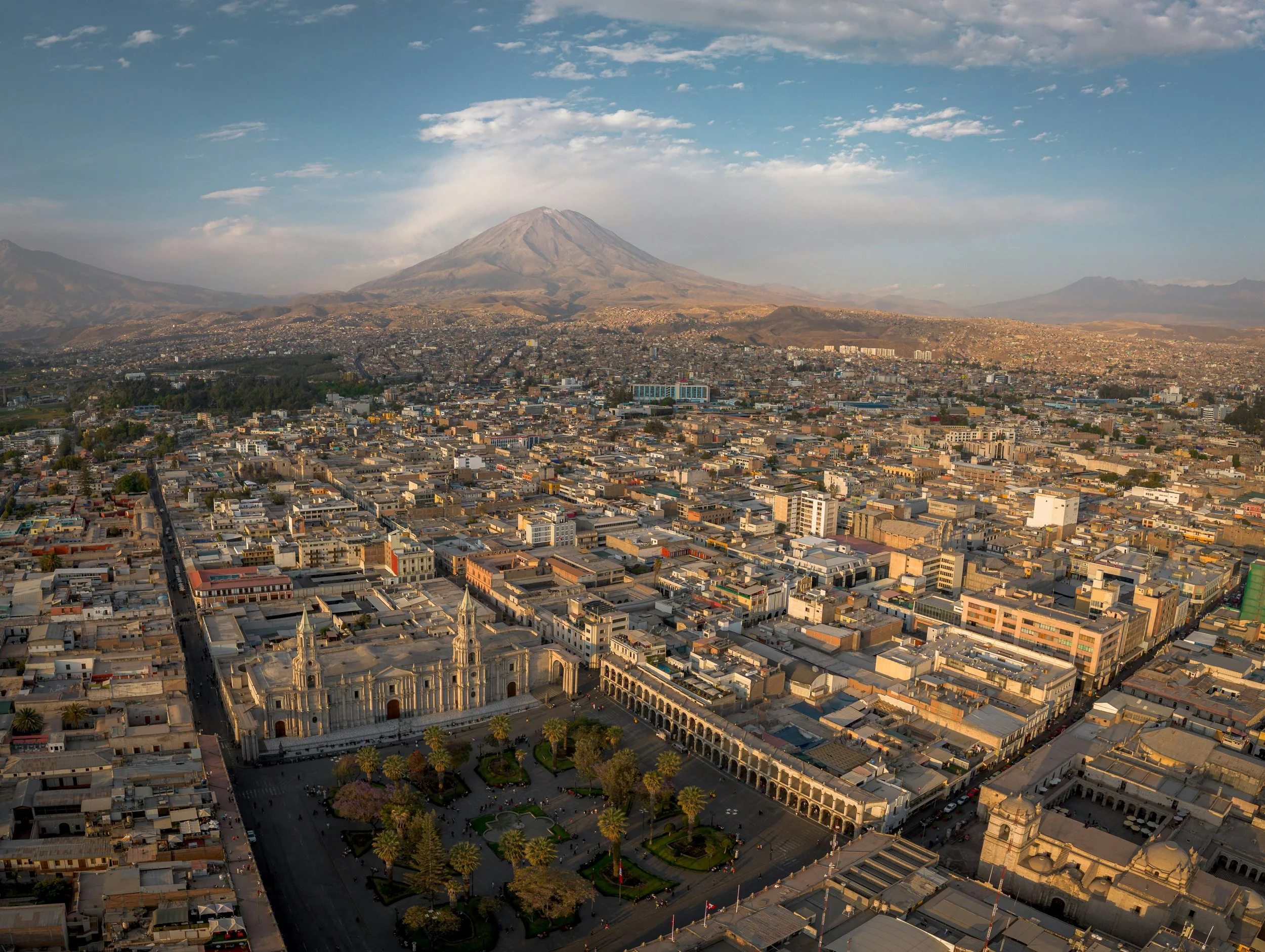
Nestled in the southern region of Peru, Arequipa is a city that captivates visitors with its stunning landscapes, rich cultural heritage, and architectural marvels. Often referred to as "La Ciudad Blanca" (The White City), Arequipa is renowned for its unique baroque architecture constructed from sillar, a white volcanic stone that reflects the region's volcanic past.

Founded in 1540, Arequipa has a storied history deeply intertwined with both Spanish colonization and indigenous heritage. The city served as an important hub during colonial times, facilitating trade and communication across the region. Its historical center, a UNESCO World Heritage Site, boasts impressive landmarks such as the Plaza de Armas, surrounded by colonial-style buildings, and the magnificent Arequipa Cathedral, which exemplifies the city’s architectural grandeur. The Santa Catalina Monastery, a self-contained city within the city, offers insights into the life of nuns during the colonial era and features colorful streets and beautifully decorated chapels. Exploring these sites provides a window into Arequipa’s past, revealing the blend of indigenous and European influences that shape its identity.

Arequipa by Mayur Arvind

Arequipa's cultural vibrancy is further highlighted through its rich culinary traditions. The food scene here is a testament to the city’s diversity, blending traditional Peruvian ingredients with local flavors. Iconic dishes like rocoto relleno (stuffed spicy pepper) and adobo are must-tries for anyone visiting. The bustling Mercado San Camilo offers an authentic experience where one can taste local delicacies and purchase artisanal goods. Additionally, Arequipa celebrates various festivals throughout the year, including the Fiesta de la Virgen de la Candelaria and the Arequipa Carnival, both of which showcase colorful parades, traditional dances, and vibrant music that bring the community together.

Surrounding Arequipa are breathtaking natural wonders, making it a gateway to some of Peru's most awe-inspiring landscapes. The nearby Colca Canyon, one of the deepest canyons in the world, is a paradise for adventure seekers. Hiking trails wind through picturesque villages, offering glimpses of terraced fields and the chance to spot the majestic Andean condor soaring overhead. For those interested in outdoor activities, the El Misti volcano presents challenges for climbers and rewards them with panoramic views of the city below. These natural attractions enhance Arequipa’s appeal, making it not only a cultural hub but also an adventure destination.

Arequipa stands out as a city rich in history, culture, and natural beauty. Its unique architecture and historical significance provide a fascinating backdrop for exploration, while its culinary delights and vibrant festivals offer a taste of local life. The surrounding landscapes, from the depths of Colca Canyon to the heights of El Misti, invite adventure and discovery. Arequipa represents a destination where tradition meets modernity, making it a must-visit location for anyone seeking an authentic Peruvian experience. Whether you are wandering through its historic streets or savoring its delicious cuisine, Arequipa is sure to leave a lasting impression.

Great National Parks XXXIV: Nahuel Huapi

Nestled in the breathtaking landscapes of Argentina, Nahuel Huapi National Park stands as a testament to the country’s natural beauty and ecological diversity. Established in 1934, this park spans over 2,000 square kilometers and is one of the oldest national parks in Argentina. It is located in the Patagonia region, primarily in the provinces of Río Negro and Neuquén, and encompasses stunning lakes, mountains, and forests that draw visitors from around the globe.

The park’s name, "Nahuel Huapi," derives from the indigenous Mapuche language, meaning "island of the tiger." The term reflects the rich cultural history of the region, where the Mapuche people have lived for centuries. The park itself is characterized by its mountainous landscapes, dominated by the majestic Andes, and is home to the striking Nahuel Huapi Lake, which offers both scenic beauty and recreational activities. This glacial lake, with its deep blue waters and surrounding snow-capped peaks, is a central feature of the park and serves as a hub for various water sports such as kayaking, fishing, and sailing.

Nahuel Huapi National Park is renowned for its diverse ecosystems, which include temperate rainforests, alpine meadows, and pristine rivers. These varied habitats support a wide range of flora and fauna, making the park a significant site for biodiversity. Among the animal inhabitants are species such as the Andean condor, guanacos, and the endangered South Andean deer, known locally as huemul. The varied plant life ranges from dense forests of coihue trees to flowering shrubs and wildflowers that bloom in the warmer months, creating a vibrant tapestry of colors across the landscape.

For adventure enthusiasts, Nahuel Huapi National Park offers an array of outdoor activities year-round. Hiking trails wind through the park’s picturesque scenery, ranging from easy walks suitable for families to challenging treks leading to panoramic viewpoints and hidden waterfalls. The Circuito Chico, a short loop hike around the lake, is particularly popular for its accessibility and stunning vistas. In winter, the nearby ski resort of Cerro Catedral attracts skiers and snowboarders, providing a different yet equally captivating outdoor experience.

Cultural experiences also abound within the park. The town of San Carlos de Bariloche, often regarded as the gateway to Nahuel Huapi, is steeped in history and charm. Known for its Swiss-style architecture and chocolate shops, Bariloche serves as a base for visitors looking to explore the natural wonders of the park. Additionally, the area is rich in indigenous culture, with opportunities to learn about the traditions and history of the Mapuche people who have long resided in the region.

Conservation efforts in Nahuel Huapi National Park have been essential in preserving its unique environment. The park is part of the Greater Nahuel Huapi Biosphere Reserve, established by UNESCO to protect the area's biodiversity and promote sustainable tourism. As visitors enjoy the natural beauty of the park, it is crucial to respect the delicate ecosystems and participate in responsible practices that ensure preservation for future generations.

In a Nutshell, Nahuel Huapi National Park is not only a stunning natural treasure but also a place where cultural history and ecological diversity intertwine. With its mesmerizing landscapes, rich wildlife, and plethora of outdoor activities, the park invites all who visit to appreciate the beauty of nature while fostering a commitment to conservation. Whether for adventure, relaxation, or cultural exploration, Nahuel Huapi remains an unforgettable destination in the heart of Patagonia.

Colombo, the capital of Sri Lanka

Colombo, the vibrant capital of Sri Lanka, serves as a gateway to a rich tapestry of history, culture, and natural beauty. This bustling metropolis, with its fusion of modernity and tradition, offers a plethora of attractions that reflect the island nation's diverse heritage. As visitors explore Colombo, they can easily venture to several nearby tourist destinations, each offering unique experiences that showcase the best of Sri Lanka.

Colombo by Matt Dany

Starting with Colombo itself, a visit to the National Museum is a must. It houses an extensive collection of artifacts that narrate the story of Sri Lanka from ancient times to the present. The museum's highlights include the throne of the last king of Sri Lanka, a vast array of art, and many historical treasures. Just a short stroll away lies the bustling Pettah Market, an open-air bazaar that offers a glimpse into everyday life in Colombo. Here, travelers can find everything from textiles to spices and souvenirs, soaking in the lively atmosphere amidst the colorful stalls.

For those seeking tranquility, Galle Face Green provides a serene escape within the city. This expansive promenade by the sea is perfect for leisurely walks, picnicking, or simply enjoying the sunset over the Indian Ocean. The area is also famous for its street food, where one can savor local delicacies like roti and seafood.

As one leaves the urban hustle behind, a short drive from Colombo leads to the coastal town of Negombo, famous for its long sandy beaches and vibrant fishing culture. Negombo also features the picturesque Dutch Canal, built during colonial times, which can be explored by boat. Visitors can immerse themselves in the laid-back atmosphere, sample fresh seafood at beachside shacks, or visit the historic St. Mary's Church, known for its stunning ceiling paintings.

Further afield, the ancient city of Kandy beckons, located approximately three hours from Colombo. Nestled among lush hills, Kandy is home to the Temple of the Tooth, an important Buddhist site housing a relic believed to be a tooth of the Buddha. The temple is a UNESCO World Heritage Site, adorned with striking architecture and surrounded by tranquil gardens. The annual Esala Perahera festival held in Kandy draws crowds from around the world, showcasing vibrant processions of dancers, drummers, and elaborately decorated elephants.

Another remarkable destination near Colombo is Pinnawala Elephant Orphanage, located just an hour's drive away. This sanctuary is dedicated to the care and rehabilitation of orphaned elephants, allowing visitors to observe these magnificent creatures up close. Watching the elephants bathe in the river or being fed provides a heartwarming experience while supporting the conservation of Sri Lankan wildlife.

For those craving adventure, the stunning landscapes of Nuwara Eliya, famously known as "Little England," reveal a different side of Sri Lanka. This hill station, situated about five hours from Colombo, boasts beautiful tea plantations, waterfalls, and cool climate. Visitors can explore the picturesque Gregory Lake, hike up to Adam's Peak for breathtaking views, or indulge in a cup of Ceylon tea at a local estate.

Colombo serves as an ideal starting point for exploring the myriad attractions that Sri Lanka has to offer. From the cultural treasures of the city to the scenic beauty of nearby locations such as Negombo, Kandy, and Nuwara Eliya, travelers can enjoy a rich blend of experiences. Each destination presents a unique perspective on Sri Lanka's heritage and natural wonders, making it an unforgettable journey for anyone fortunate enough to explore this island paradise.

WhatsApp Chat