Kampala, the capital of Uganda

Nestled on the shores of Lake Victoria, Kampala offers visitors a rich tapestry of experiences that reflect the country's diverse heritage and the dynamic spirit of its people. Exploring this bustling metropolis unveils a plethora of sites and activities that truly illustrate the essence of Ugandan life.

At the heart of Kampala lies its historical significance. The city was founded on the hills that were once home to the Buganda Kingdom, which continues to play a crucial role in the cultural fabric of Uganda. One of the most iconic landmarks is the Kasubi Tombs, a UNESCO World Heritage Site where the kings of Buganda are buried. These tombs not only showcase traditional architecture but also serve as a living museum of Baganda culture. Visiting this site provides an invaluable insight into the royal history that has shaped the identity of the region.
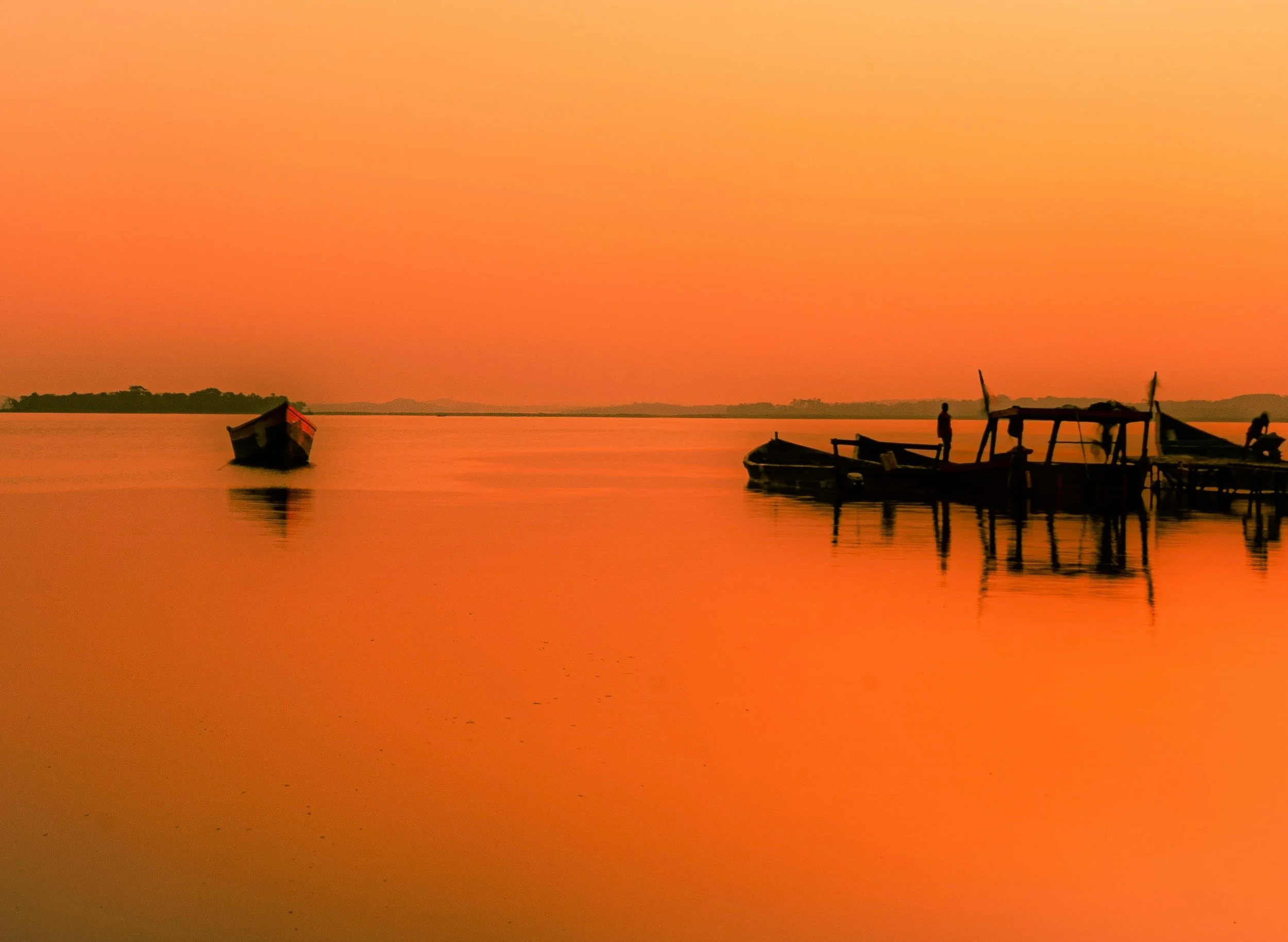
Golden hour at Ggaba Beach, Kampala — by Robin Kutesa

Another must-visit site is the Uganda Museum, the oldest museum in East Africa, which offers a comprehensive overview of Uganda’s ethnographic and natural history. Here, visitors can explore artifacts from various tribes, musical instruments, and even traditional clothing. The museum serves as a celebration of Uganda’s rich cultural diversity, providing a platform to appreciate the nation’s many ethnic groups and their customs.

Nature lovers will find solace in the beautiful parks that dot Kampala. The Entebbe Botanical Gardens, just a short drive from the city center, is a stunning oasis with lush landscapes and diverse flora. This peaceful setting is perfect for leisurely strolls or picnics, and it’s a great spot for birdwatching, particularly for spotting the rare shoebill stork. Another highlight is the nearby Murchison Falls National Park, where adventurous souls can embark on safaris to witness the breathtaking beauty of waterfalls and wildlife.

Kampala’s nightlife and culinary scene are equally captivating. The city boasts a range of eateries, from local street vendors selling mouthwatering dishes like Rolex (a rolled chapati filled with eggs and vegetables) to upscale restaurants offering international cuisine. The bustling markets, such as Nakasero Market, provide an authentic taste of daily Ugandan life, where fresh produce, spices, and crafts are sold. Engaging with locals at these markets not only enhances the experience but also fosters a deeper understanding of the everyday rhythms of Kampala.

Furthermore, the city is alive with social and cultural events. The Ndere Cultural Centre, known for its captivating performances showcasing traditional music, dance, and storytelling, is an essential stop for those eager to immerse themselves in Uganda's vibrant artistic expressions. These events often draw both locals and tourists, creating a lively atmosphere that celebrates community and creativity.

As one explores Kampala, it becomes evident that the city's charm lies not only in its attractions but also in its people. The warmth and hospitality of Ugandans create an inviting ambiance that makes visitors feel at home. Whether wandering through colorful markets, discovering historical sites, or enjoying the vibrant nightlife, Kampala leaves an indelible mark on all who venture there.

Exploring Kampala reveals a city rich in history, culture, and natural beauty. From its royal heritage and cultural landmarks to its lively culinary scene and welcoming community, Kampala serves as a microcosm of Uganda itself. For any traveler seeking an authentic African experience, the allure of Kampala is undeniable—a city that pulses with life, story, and a promise of adventure waiting to be discovered.
The best ski resorts in the world XI: Kitzbühel & Kirchberg

When it comes to the best ski resorts in the world, Kitzbühel and Kirchberg stand out as two exceptional destinations that not only cater to ski enthusiasts but also offer an enchanting alpine experience. Nestled in the heart of the Austrian Alps, these two resorts provide stunning landscapes, a rich cultural heritage, and a wide array of winter sports opportunities. Their unique features make them must-visit destinations for both avid skiers and those seeking a picturesque winter getaway.

Kitzbühel is renowned for its picturesque medieval town, which seamlessly blends traditional Tyrolean charm with modern amenities. The town's historical architecture, cobbled streets, and vibrant après-ski scene create an inviting atmosphere that attracts visitors from around the globe. One of Kitzbühel’s standout features is the famous Hahnenkamm ski race, which draws elite athletes and spectators alike. This annual event is celebrated for its challenging downhill course, adding excitement and prestige to the resort.

The skiing options in Kitzbühel are truly impressive. With over 170 kilometers of slopes catering to all skill levels, this resort offers something for everyone. Beginners can enjoy gentle slopes, while experienced skiers can tackle the more challenging black runs. The extensive lift system ensures quick access to various areas, allowing skiers to explore the diverse terrains, including beautiful groomed pistes and breathtaking off-piste adventures. Additionally, Kitzbühel's commitment to snow quality and maintenance guarantees optimal skiing conditions throughout the winter season.

Just a stone's throw away lies Kirchberg, often considered the quieter sibling of Kitzbühel. However, this does not diminish its appeal. Kirchberg’s relaxed atmosphere is perfect for families and those seeking a laid-back ski experience. The resort offers approximately 90 kilometers of well-groomed pistes, which are linked to the larger Kitzbüheler Alpen region, providing access to an even greater variety of runs. The welcoming village vibe, combined with the stunning backdrop of the Hohe Tauern mountains, creates a great environment for relaxation after a day on the slopes.

One of Kirchberg’s notable advantages is its affordability compared to neighboring Kitzbühel. Visitors can find excellent accommodations, dining options, and entertainment without breaking the bank. This makes Kirchberg an attractive option for families and groups traveling together, where budget is a key consideration.

Apres-ski culture in both resorts is vibrant and energetic. Kitzbühel boasts upscale bars and lively nightclubs where visitors can unwind after a long day on the slopes. Conversely, Kirchberg provides a cozy atmosphere with quaint taverns and cafes, perfect for enjoying local cuisine and drinks. Traditional Tyrolean dishes such as cheese dumplings or schnitzel can be savored in both locations, enriching the overall alpine experience.

Kitzbühel and Kirchberg offer a remarkable blend of stunning scenery, diverse skiing options, and rich cultural experiences that make them two of the best ski resorts in the world. While Kitzbühel shines with its prestigious reputation and vibrant après-ski scene, Kirchberg provides a more relaxed and budget-friendly atmosphere. Together, they present an ideal destination for anyone looking to enjoy the beauty and excitement of winter sports in the pristine Austrian Alps. Whether you’re a seasoned skier or just starting, these resorts promise an unforgettable experience amidst breathtaking alpine landscapes.

Hobart: The heart of Tasmania

Hobart, the capital city of Tasmania, is a charming blend of natural beauty, rich history, and vibrant culture. Nestled between the majestic Mount Wellington and the serene Derwent River, Hobart offers visitors an enchanting experience that showcases both its historic roots and modern lifestyle.

One of the most compelling aspects of Hobart is its stunning scenery. The backdrop of Mount Wellington, standing at 1,271 meters, provides breathtaking views of the city and surrounding landscapes. A drive or hike to the summit reveals panoramic vistas of the harbor, the cityscape, and the lush wilderness of Tasmania. For those who enjoy outdoor activities, there are numerous trails perfect for hiking, mountain biking, or simply soaking in the pristine environment. The area is also home to unique flora and fauna, making it a haven for nature enthusiasts and photographers alike.

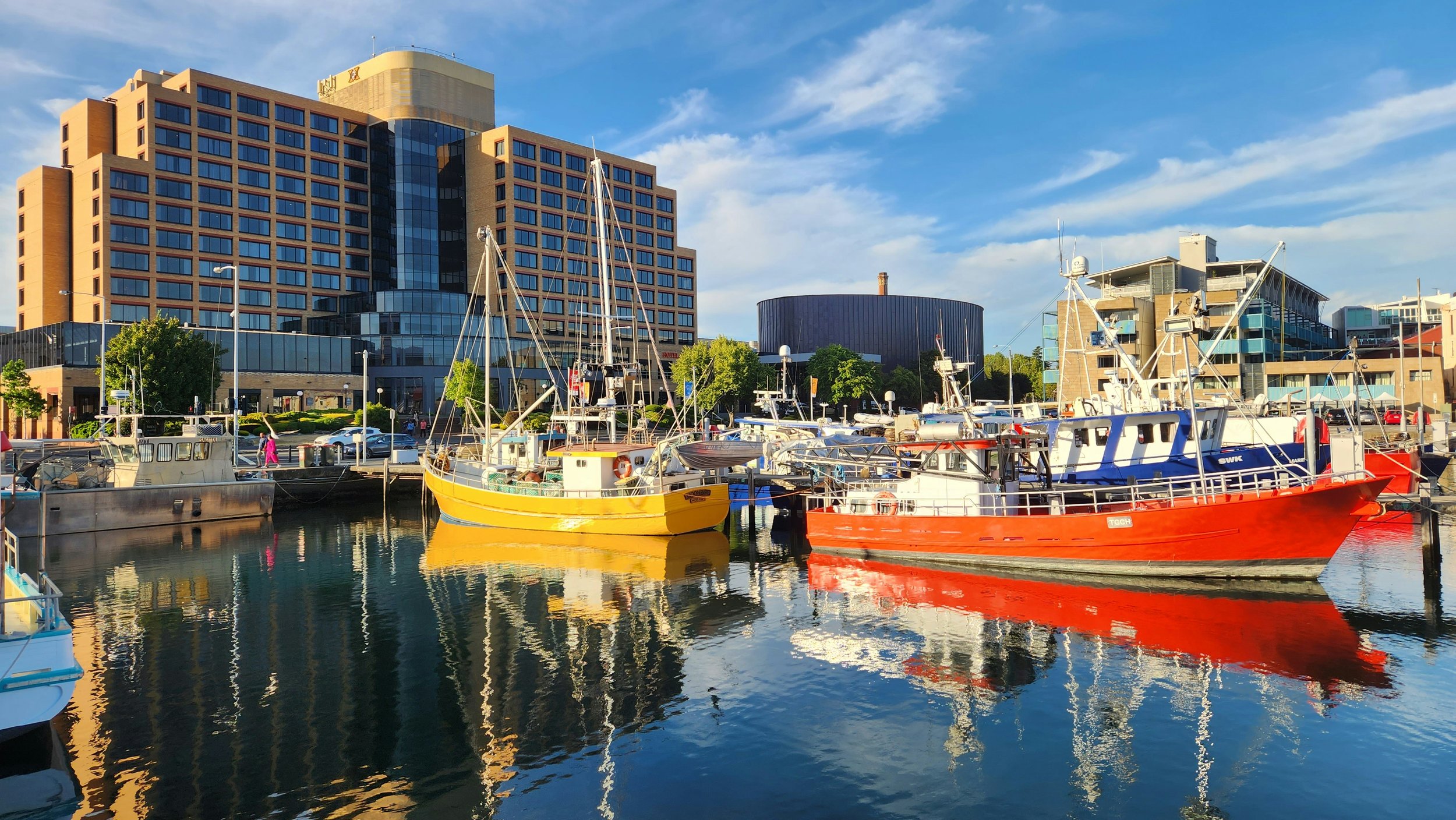
Hobart Waterfront by Nico Smit

Hobart’s rich history is palpable as one wanders through its streets. Founded in 1804, it is one of Australia’s oldest cities. The historic Battery Point district, with its well-preserved colonial architecture, transports visitors back in time. Cobblestone streets lined with quaint cottages and picturesque gardens create a charming ambiance. The Salamanca Place is another highlight, famous for its vibrant market, held every Saturday. Here, local artisans and farmers gather to sell their produce, handmade crafts, and gourmet food, offering a taste of the region’s culinary delights. The atmosphere is lively, with street performers adding to the festive spirit.

Art and culture also thrive in Hobart. The Museum of Old and New Art (MONA) has gained international acclaim for its innovative exhibitions and thought-provoking installations. This contemporary art museum, set on the banks of the Derwent River, showcases works from a diverse range of artists. MONA challenges traditional perceptions of art and encourages visitors to engage with the pieces in a unique manner. Additionally, the Tasmanian Museum and Art Gallery offers insights into the island’s cultural and natural history, providing a deeper understanding of Tasmania's heritage.

Food lovers will find Hobart a paradise, thanks to its burgeoning food scene. The city is known for its fresh seafood, artisanal produce, and world-class wines. Numerous restaurants, cafés, and eateries serve dishes made with locally sourced ingredients, celebrating the flavors of Tasmania. The local wine regions, particularly the Coal River Valley, offer opportunities for wine tasting, where visitors can savor exceptional cool-climate wines. Furthermore, the annual Tasmanian Food and Wine Festival attracts gourmets from all over, showcasing the best of the region’s culinary offerings.

Hobart's waterfront is a focal point for both locals and tourists. The vibrant Constitution Dock is a hub of activity, where fishing boats unload their daily catches and the ferry terminal welcomes visitors from nearby attractions. The waterfront area is dotted with restaurants and bars, providing ample opportunities for relaxation while enjoying views of the river and heritage buildings.

Exploring Hobart offers an amazing opportunity to experience a city that beautifully marries its historical significance with contemporary life. From the awe-inspiring landscapes of Mount Wellington to the bustling markets of Salamanca, Hobart is a destination rich in culture, nature, and gastronomy. Whether taking a leisurely stroll along the waterfront, indulging in local delicacies, or immersing oneself in the arts, there is something for every traveler in this picturesque city. As more people discover the charm of Hobart, it continues to establish itself as a must-visit destination in Australia.

Ashgabat, the capital of Turkmenistan

Ashgabat, the capital city of Turkmenistan, is a fascinating blend of modernity and tradition, showcasing the rich cultural heritage of the country while embracing a visionary future. Often referred to as the "white city" due to its stunning white marble buildings, Ashgabat is a city that captivates visitors with its unique architecture, lush parks, and profound historical significance. As one embarks on an exploration of this remarkable city, they are met with a plethora of sights and experiences that reflect its intriguing past and present.

One of the most striking features of Ashgabat is its architectural landscape. The city is home to an impressive collection of grand structures adorned with white marble, gold accents, and intricate designs. The Neutrality Monument stands tall at the heart of the city, symbolizing Turkmenistan’s commitment to peace and neutrality on the global stage. This remarkable structure, crowned by a golden statue of former President Saparmurat Niyazov, rotates to face the sun throughout the day, making it an iconic landmark in Ashgabat. Another architectural marvel is the Turkmenbashi Spiritual Mosque, one of the largest mosques in Central Asia, which can accommodate thousands of worshippers and features breathtaking tile work that showcases the artistic heritage of the region.

Beyond its stunning architecture, Ashgabat offers a wealth of cultural experiences. The city is dotted with numerous museums that provide insight into Turkmen history, art, and traditions. The National Museum of Turkmenistan is a must-visit for anyone looking to understand the historical narrative of the nation. It houses a varied collection of artifacts, including ancient relics from the Silk Road, traditional garments, and contemporary art pieces that highlight the country’s evolving identity. Visiting the museum not only enriches one’s knowledge of Turkmen culture but also fosters a deeper appreciation for the resilience and creativity of its people.

For those who appreciate nature, Ashgabat does not disappoint. The city is surrounded by beautiful parks and gardens, providing residents and visitors alike with serene spaces to relax and enjoy the outdoors. The Gypjak village, located on the outskirts of the city, is home to the impressive Mausoleum of Turkmenbashi, set against the backdrop of the Karakum Desert. The tranquil atmosphere combined with stunning views of the surrounding landscape makes it a perfect spot for reflection and relaxation.

A journey through Ashgabat also allows one to engage with the local population, known for their hospitality and warmth. Traditional Turkmen cuisine is a delightful highlight, featuring dishes such as plov (a rice dish often cooked with meat and spices), manty (dumplings), and various kebabs that showcase the region’s culinary diversity. Dining in local eateries provides an authentic taste of Turkmen culture, inviting visitors to indulge in flavors that tell a story of centuries-old traditions.

As one explores Ashgabat, it becomes clear that the city is more than just its impressive buildings and rich history; it is a living testament to the spirit of the Turkmen people. The blend of modern development and traditional heritage creates a unique atmosphere that entices travelers from all corners of the globe. Whether wandering through its bustling markets or marveling at its architectural wonders, Ashgabat offers a captivating experience that leaves an indelible mark on all who visit. Ultimately, the city embodies both a proud past and a hopeful future, making it a true gem in Central Asia that deserves to be explored.

Memphis, one rhythm at a time

Memphis, Tennessee, a city steeped in rich cultural heritage and historical significance, is a vibrant destination that beckons visitors with its unique offerings. From its deep-rooted musical traditions to its flavorful cuisine and notable landmarks, exploring Memphis presents an opportunity to immerse oneself in the heart of American history and culture.

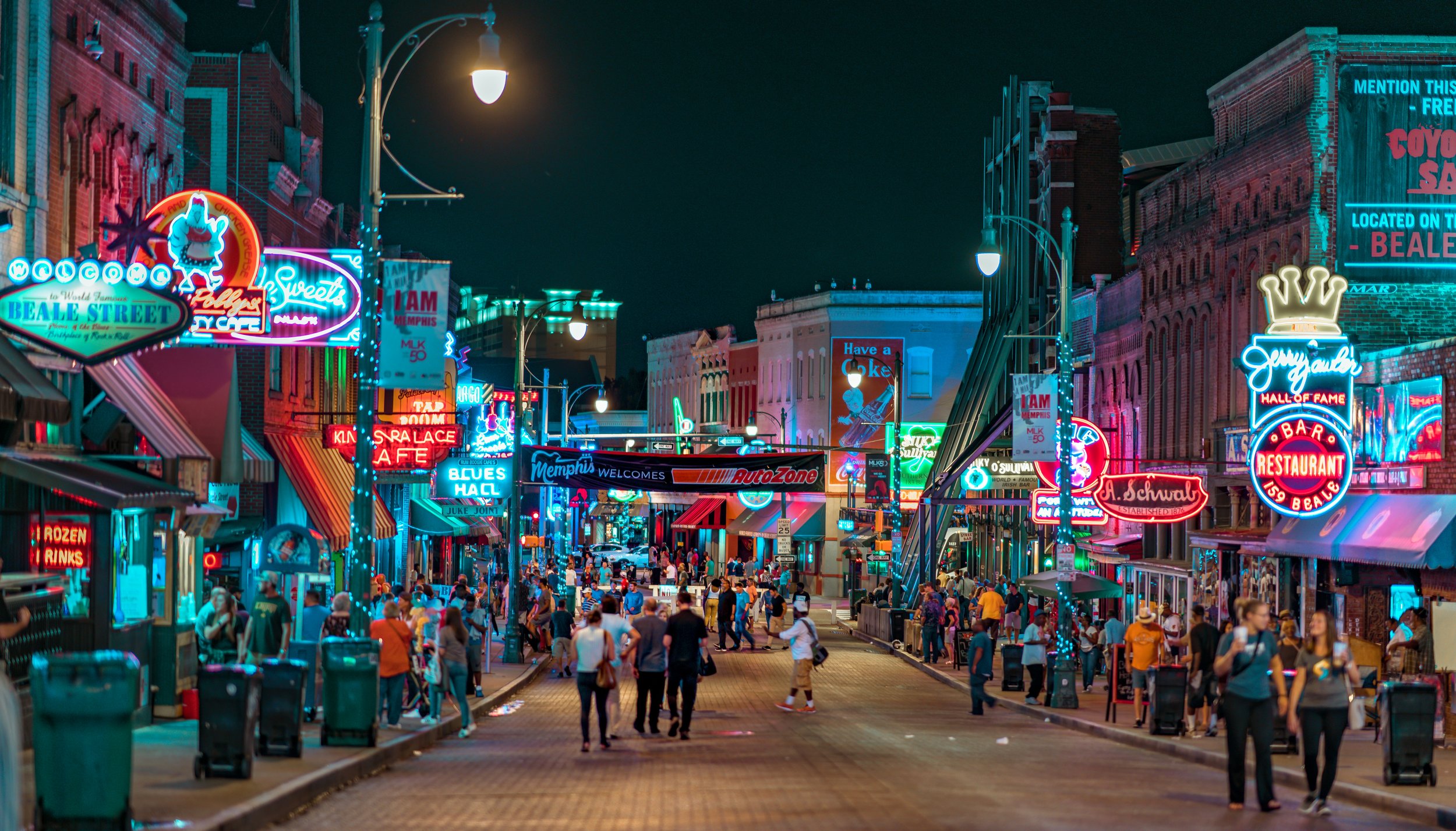
At the core of Memphis’ identity is its profound connection to music. Often hailed as the home of blues, the city boasts a legacy that draws music enthusiasts from around the globe. Beale Street, famously known as the "Home of the Blues," pulsates with live music, showcasing everything from jazz to rock 'n' roll. Visitors can wander down this historic street, where the sounds of guitar riffs and soulful melodies spill into the night air. Clubs and bars like B.B. King's Blues Club and the Rum Boogie Café invite patrons to enjoy performances from both renowned artists and emerging talent, creating a lively atmosphere that captures the essence of Memphis.

Memphis by Heidi Kaden

Equally significant is the role that Memphis plays in the history of rock 'n' roll. Sun Studio, often referred to as the birthplace of rock music, is a must-visit for fans. Here, legendary artists like Elvis Presley, Johnny Cash, and Jerry Lee Lewis recorded some of their most iconic hits. The guided tours through the studio provide an intimate glimpse into the creative process of these music legends, allowing visitors to experience the very rooms where it all came together. The spirit of rock 'n' roll continues to thrive at Graceland, the former home of Elvis Presley. This iconic mansion not only offers a tour of the King’s residence but also houses a museum filled with memorabilia that celebrates his life and enduring influence on music.

Beyond music, Memphis is celebrated for its culinary delights, particularly its barbecue. The city’s barbecue scene is unparalleled, with numerous establishments claiming to serve the best ribs and pulled pork. Central BBQ and Gus's World Famous Fried Chicken are local favorites, drawing crowds eager to taste authentic southern flavors. The annual World Championship Barbecue Cooking Contest, part of the Memphis in May festivities, showcases the city’s passion for grilling and attracts competitors from across the nation, further solidifying Memphis' reputation as a barbecue capital.

Memphis is also a city rich in history and social progress. The National Civil Rights Museum, located at the former Lorraine Motel where Dr. Martin Luther King Jr. was assassinated, offers a poignant exploration of the American civil rights movement. Through powerful exhibits and interactive displays, visitors can delve into the struggles and triumphs of those who fought for equality, making it a vital stop for anyone seeking to understand the broader contexts of social justice in America.

For nature lovers, the Mississippi River provides a stunning backdrop for leisure activities. Riverside Park offers picturesque views and opportunities for walking, cycling, or picnicking along the riverbanks. The park serves as a serene escape within the bustling urban environment, allowing visitors to reflect on the beauty of nature while enjoying the sights and sounds of the river.

Memphis is a multifaceted city that encapsulates the spirit of American culture through its music, food, history, and natural beauty. Whether you’re wandering the lively streets of Beale, savoring delicious barbecue, learning about civil rights history, or soaking in the riverside views, a visit to Memphis promises an enriching experience that leaves a lasting impression. As this city continues to evolve, it remains a vibrant hub of creativity and tradition, inviting everyone to explore its diverse offerings.

The best ski resorts in the world X: Tignes & Val d’Isère

Nestled in the heart of the French Alps, Tignes and Val d’Isère form one of the world's premier ski destinations. Known collectively as the Espace Killy ski area, this region boasts an impressive array of slopes, breathtaking scenery, and a vibrant après-ski scene, making it a top choice for both novice and expert ski enthusiasts alike.

Tignes, at an elevation of over 2,100 meters, offers guaranteed snow conditions thanks to its glacier, which remains open for skiing even during the summer months. The resort is divided into several areas, including Tignes le Lac and Tignes Val Claret, each providing unique experiences for skiers. With over 300 kilometers of marked pistes, ranging from gentle green runs to challenging black runs, Tignes caters to every skill level. The iconic “La Face” track, a steeper run often used for international competitions, is a must-try for those seeking an adrenaline rush.

Venturing to Val d’Isère, visitors are greeted by a charming alpine village that retains its traditional character while offering modern amenities. Val d’Isère is renowned not only for its excellent skiing but also for its vibrant village atmosphere. The local shops are brimming with artisanal products, and restaurants serve a delectable array of mountain cuisine, from fondue to raclette. The après-ski scene here is lively, with bars and pubs offering everything from relaxing drinks to high-energy dance parties, making it a perfect place to unwind after a day on the slopes.

One of the standout features of the combined ski area is the impressive vertical drop. Skiers can descend from the top of the glacier at La Grande Motte, which stands at 3,656 meters, down to the valley floor, giving them the opportunity to experience a significant altitude shift and varied terrain. This remarkable range allows for incredible panoramic views of the surrounding peaks, making even the journey between runs a scenic adventure.

For families, Tignes and Val d’Isère offer a range of activities beyond skiing. Both resorts have dedicated children’s areas with ski schools tailored specifically for young learners. Activities such as ice skating, snowshoeing, and even paragliding attract those looking for alternative winter fun. The welcoming environment ensures that families can enjoy a holiday filled with both excitement and relaxation.

Moreover, the interconnected nature of Tignes and Val d’Isère means that skiers can explore the vast expanse of slopes without ever needing to take the same route twice. The extensive lift system operates efficiently, minimizing wait times and maximizing time spent on the snow. Modern gondolas and chairlifts transport skiers quickly and comfortably, allowing them to focus on their downhill adventures and enjoy the stunning alpine vistas.

Tignes and Val d’Isère provide an unparalleled ski experience that attracts winter sports enthusiasts from around the globe. With an extraordinary combination of diverse ski runs, charming village atmospheres, and exciting après-ski options, these two resorts stand out as some of the best ski destinations in the world. Whether you are an experienced skier or a beginner looking to learn, Tignes and Val d’Isère promise a winter holiday filled with unforgettable memories and thrilling slopes.

Podgorica, the capital of Montenegro

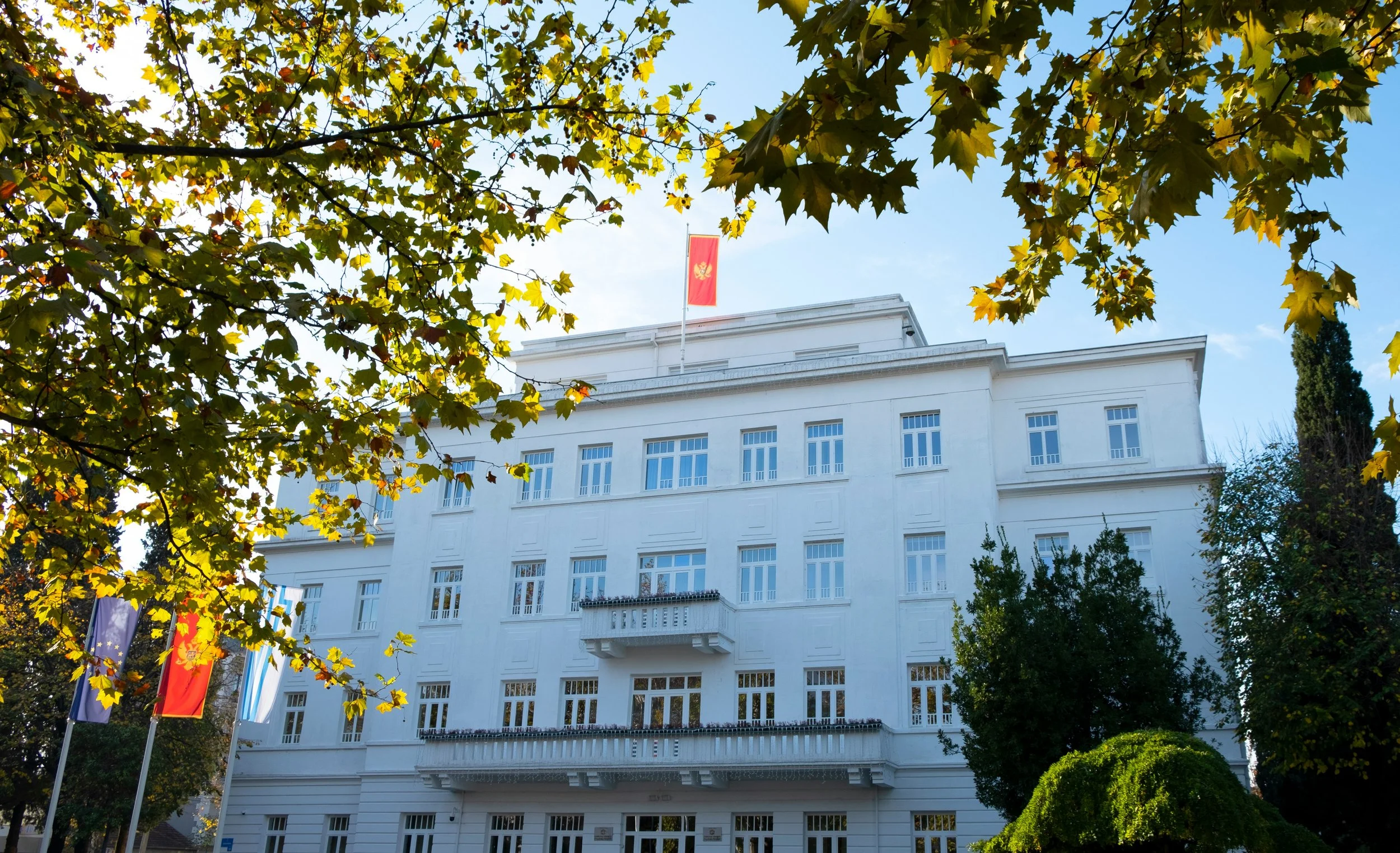
Podgorica, the capital city of Montenegro, is a fascinating blend of history, culture, and natural beauty. Nestled at the confluence of the Ribnica and Morača rivers, this vibrant city offers a unique glimpse into the rich tapestry of Montenegrin life. Known for its dynamic atmosphere and friendly locals, Podgorica serves as the country’s political, cultural, and economic hub, enticing visitors with its diverse attractions.

One of the most striking features of Podgorica is its historical architecture. The city has been shaped by various civilizations over the centuries, resulting in an eclectic mix of styles. Notable sites include the historic Old Town of Stara Varoš, where cobblestone streets wind past Ottoman-era mosques and charming cafés. The most prominent of these is the Osmanagić Mosque, built in the 18th century, which showcases intricate craftsmanship and serves as a reminder of the city's multicultural heritage.

Podgorica by Denis Ismailaj

As visitors explore further, they will encounter the impressive Millennium Bridge, an architectural landmark that spans the Morača River. Opened in 2005, this striking cable-stayed bridge is a symbol of modern Podgorica, seamlessly connecting the northern and southern parts of the city. The views from the bridge offer a picturesque panorama of the surrounding landscape, where mountains frame the horizon, creating a stunning backdrop to the urban setting.

Podgorica's cultural scene is vibrant and varied, reflecting the identity of its people. The city boasts numerous museums, galleries, and theaters. The Montenegro National Museum, located in the heart of the city, offers insights into the nation’s history through a collection of artifacts, art, and ethnographic exhibits. Meanwhile, the Contemporary Art Centre of Montenegro provides a platform for both local and international artists, showcasing thought-provoking exhibitions that capture the pulse of modern culture.

Nature lovers will find plenty to appreciate in and around Podgorica. The city is surrounded by lush greenery and mountainous terrain, making it an ideal base for outdoor activities. A short drive from the center leads to the stunning Skadar Lake National Park, one of the largest lakes in Southern Europe, known for its diverse wildlife, including rare bird species. Visitors can enjoy boat trips, swimming, or hiking along the scenic trails that line the park.

Culinary exploration in Podgorica is equally rewarding. The city offers a delicious array of traditional Montenegrin cuisine, characterized by its use of fresh, local ingredients and Mediterranean influences. Diners can savor dishes such as “njeguška pršuta” (smoked ham) and “kačamak” (cornmeal dish), often enjoyed alongside locally produced wines. Restaurants and taverns throughout the city provide a cozy atmosphere, allowing visitors to experience authentic flavors in a welcoming setting.

The annual events in Podgorica further enrich the city’s cultural landscape. Festivals celebrating music, film, and local traditions create a sense of community and invite visitors to participate in the celebration of Montenegrin culture. These events highlight the creativity and spirit of the people, ensuring that there is always something exciting happening in the city.

Podgorica is an intriguing destination that captures the essence of Montenegro. With its rich history, dynamic culture, and stunning natural surroundings, the city offers visitors an unforgettable experience. Whether wandering through ancient streets, enjoying breathtaking views, or indulging in delicious local cuisine, exploring Podgorica provides a unique insight into the heart of this beautiful Balkan country.

Hiroshima, Then and Now

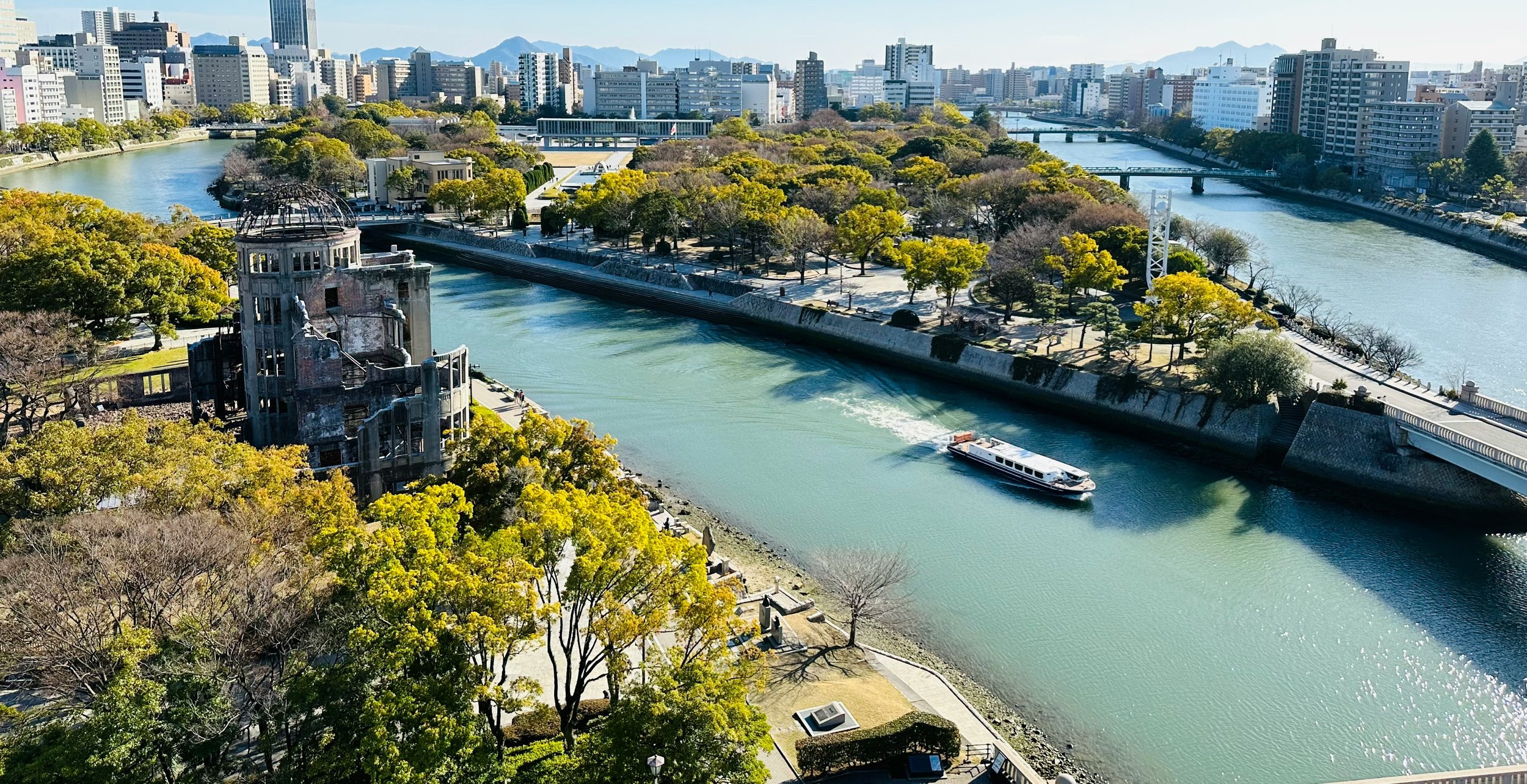
Hiroshima, a city located in western Japan, is renowned for its tragic role in history, particularly as the first city to experience an atomic bombing during World War II on August 6, 1945. This catastrophic event not only altered the landscape of Hiroshima but also transformed it into a poignant symbol of peace and resilience. The exploration of Hiroshima delves into its historical significance, present-day culture, and the enduring message of peace that resonates from its recovery.

The atomic bomb, codenamed "Little Boy," was dropped by the American B-29 bomber Enola Gay, resulting in immense destruction and loss of life. It is estimated that over 140,000 people died by the end of 1945 as a result of the bombing, with countless others suffering from severe burns, radiation sickness, and psychological trauma. In the aftermath, Hiroshima lay in ruins, but the human spirit proved to be incredibly resilient. Reconstruction began almost immediately, driven by the will of its citizens to rise from the ashes of devastation.

Hiroshima by Desmond Tawiah

Today, Hiroshima is a vibrant city that harmoniously blends its rich history with modernity. One of the most significant sites in Hiroshima is the Hiroshima Peace Memorial Park, which commemorates the victims of the atomic bombing and promotes a message of peace and anti-nuclear sentiment. The park features several poignant monuments, including the Atomic Bomb Dome, which was one of the few structures left standing near the bomb's epicenter. Preserved as a UNESCO World Heritage Site, this building serves as a stark reminder of the city's past and a symbol of hope for a future free of nuclear weapons.

In addition to the memorials and monuments, the Hiroshima Peace Memorial Museum offers visitors an in-depth look at the events surrounding the bombing and its aftermath. Through personal testimonies, artifacts, and exhibits, the museum provides a haunting but vital narrative of the experiences of those who lived through that harrowing day, fostering a deep understanding of the consequences of war and the importance of peace.

Culturally, Hiroshima has much to offer beyond its historical context. The city is famous for its culinary delights, particularly okonomiyaki, a savory pancake filled with a variety of ingredients that has become a local specialty. Visitors can enjoy this dish at numerous restaurants throughout the city, experiencing a taste of Hiroshima's unique culinary heritage. Furthermore, the city embraces arts and festivals, celebrating traditional Japanese culture while also welcoming contemporary art forms, thus creating a dynamic cultural scene.

Hiroshima has also taken significant steps toward becoming a hub for international dialogue on peace and disarmament. The city hosts various conferences and initiatives aimed at promoting global peace efforts. Notably, every year on the anniversary of the bombing, thousands gather to participate in ceremonies, reflecting on the past and advocating for a world without nuclear weapons.

Exploring Hiroshima reveals a city marked by devastation but defined by resilience and hope. The story of Hiroshima transcends its dark history, evolving into a narrative of peace and recovery. As a symbol of the lasting impact of war and the transformative power of forgiveness and healing, Hiroshima continues to inspire individuals worldwide to work towards a future where such tragedies are never repeated. By visiting and learning from Hiroshima, we honor the memories of those lost and commit to fostering a more peaceful world.

Mombasa, the gateway to East Africa

Mombasa, the vibrant coastal city of Kenya, is a captivating blend of rich history, diverse cultures, and stunning natural beauty. As the country's second-largest city, it serves not only as a major economic hub but also as a prime tourist destination that beckons visitors with its warm climate, beautiful beaches, and historical landmarks.

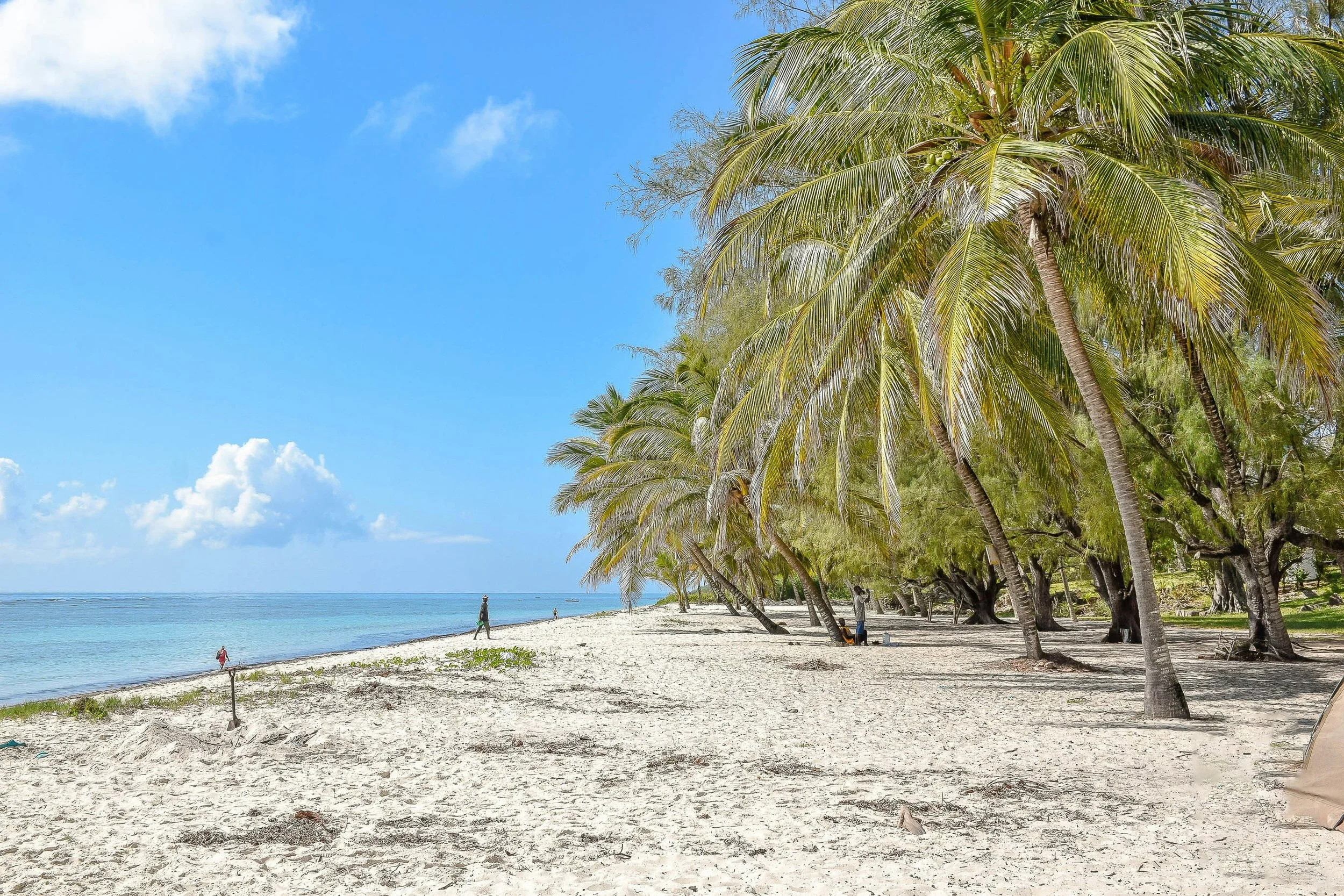
The allure of Mombasa begins with its geography. Nestled along the Indian Ocean, this coastal city boasts some of the most picturesque beaches in Africa. Diani Beach, Nyali Beach, and Bamburi Beach are just a few areas where tourists can enjoy soft white sands and turquoise waters. These beaches are not just perfect for lounging in the sun; they offer a plethora of activities including snorkeling, diving, and deep-sea fishing. The coral reefs surrounding these areas are teeming with marine life, making them ideal spots for underwater exploration.

Mombasa by Abdullatif Mutisya

Beyond the stunning coastline, Mombasa's history is equally mesmerizing. It has been an important port city for centuries, serving as a gateway for trade between Africa, the Middle East, and Asia. This historical significance is evident in the city's architecture and cultural landscape. Fort Jesus, built by the Portuguese in the late 16th century, stands as a testament to Mombasa's strategic importance. This UNESCO World Heritage site houses a museum showcasing artifacts that narrate the city’s storied past, from ancient times through the colonial period.

Another significant landmark is the Old Town, characterized by narrow alleys and Swahili architecture with intricate wooden doors and balconies. This area is a melting pot of cultures, where you can find a mix of Arab, Indian, and African influences. Exploring the Old Town feels like stepping back in time, with bustling markets selling spices, handicrafts, and traditional foods. The vibrant atmosphere here offers visitors a taste of the local culture, along with the ever-present aroma of delicious street food available at every corner.

The diversity of Mombasa extends to its culinary scene as well. Influenced by Swahili traditions, the local cuisine features an array of flavors, rich spices, and seafood. Dishes like biryani, samosas, and fresh grilled fish are popular among both locals and tourists alike. The city’s bustling bazaars and beachside eateries provide endless opportunities to savor the authentic tastes of the region.

Mombasa is also home to several wildlife parks and conservation areas. The Shimba Hills National Reserve, located just a short drive from the city, offers breathtaking views and is a sanctuary for elephants, rare antelopes, and various bird species. The nearby Kisite-Mpunguti Marine National Park is a must-visit for snorkeling and diving enthusiasts, showcasing the incredible underwater biodiversity of the region.

In addition to its natural and historical attractions, Mombasa hosts various cultural festivals throughout the year, celebrating its unique heritage. Events such as the Mombasa Carnival and the Swahili Cultural Festival attract visitors from all over, offering a glimpse into the local arts, dance, music, and traditional performances.

Mombasa is a city that captivates the heart and soul of those who visit. With its enchanting beaches, rich history, diverse cultures, and tantalizing cuisine, Mombasa stands out as a jewel on the Kenyan coast. Whether one seeks relaxation, adventure, or cultural enrichment, Mombasa offers an unforgettable experience that resonates long after leaving its shores.

The best ski resorts in the world IX: Red Mountain

Nestled in the heart of British Columbia, Canada, Red Mountain Resort is a hidden gem that has captured the hearts of skiing enthusiasts from around the globe. Known for its breathtaking scenery, diverse terrain, and a more laid-back atmosphere compared to larger resorts, Red Mountain offers a unique skiing experience that caters to both novices and seasoned skiers alike.

One of the most striking features of Red Mountain is its impressive vertical drop of over 2,600 feet. This elevation provides ample opportunities for thrill-seekers to indulge in an exhilarating day on the slopes. With over 1,200 acres of skiable terrain, skiers and snowboarders can explore a variety of runs that suit all skill levels. The resort boasts a balanced mix of groomed trails and challenging off-piste areas, offering endless excitement for those willing to venture beyond the traditional paths.

For beginners, Red Mountain’s friendly environment is ideal for learning. The ski school provides excellent instructors who are trained to help novice skiers build their confidence on the slopes. With dedicated beginner zones, new skiers can practice their skills in a safe and supportive environment. Intermediate and advanced skiers will find plenty to enjoy as well; trails such as the famed “Glory Bowl” provide thrilling descents amidst stunning panoramic views.

One of the defining characteristics of Red Mountain is its commitment to preserving natural terrain and limiting artificial snowmaking. This dedication to sustainability not only enhances the overall skiing experience but also showcases the area’s natural beauty. Skiers can revel in the pristine conditions, often enjoying powder days that create a skiing paradise for those lucky enough to be on the mountain after a fresh snowfall.

Beyond skiing, Red Mountain Resort offers a range of activities that make it an appealing destination year-round. Visitors can partake in snowshoeing or cross-country skiing through exquisite landscapes, providing a peaceful alternative to the hustle and bustle of downhill skiing. Moreover, the resort hosts various events and festivals, including live music and culinary experiences that highlight local flavors, fostering a sense of community among visitors and locals alike.

Accommodations and dining options at Red Mountain further enhance the visitor experience. From cozy lodges to luxury hotels, there is a wide range of choices that cater to different budgets and preferences. Many of these establishments offer stunning views of the surrounding mountains, creating a serene backdrop for relaxation after a long day on the slopes. Dining options are varied, with everything from casual eateries serving hearty meals to fine dining establishments that feature gourmet cuisine.

Finally, one of the most appealing aspects of Red Mountain Resort is its relatively low crowd levels compared to larger ski destinations. This translates to shorter lift lines and less congested slopes, allowing for a more enjoyable and leisurely skiing experience. Visitors can savor the tranquility of the mountain while still having access to challenging trails and pristine snow conditions.

Red Mountain Resort embodies everything that makes skiing memorable — exceptional terrain, stunning scenery, and a laid-back atmosphere that welcomes all. Whether you are an adrenaline junkie seeking the next thrill or a family looking to create lasting memories on the snow, Red Mountain is undoubtedly one of the best ski resorts in the world. With its beautiful surroundings and commitment to preserving the natural landscape, it promises a skiing adventure unlike any other.

Bilbao: Heart of Spain’s Basque Country

Bilbao, the largest city in the Basque Country of northern Spain, is a vibrant destination that blends rich history with modern innovation. Nestled along the estuary of the Nervión River, this city boasts a unique cultural identity characterized by its architecture, cuisine, and art. As visitors explore Bilbao, they encounter a city that resonates with deep-rooted traditions while also embracing contemporary advancements.

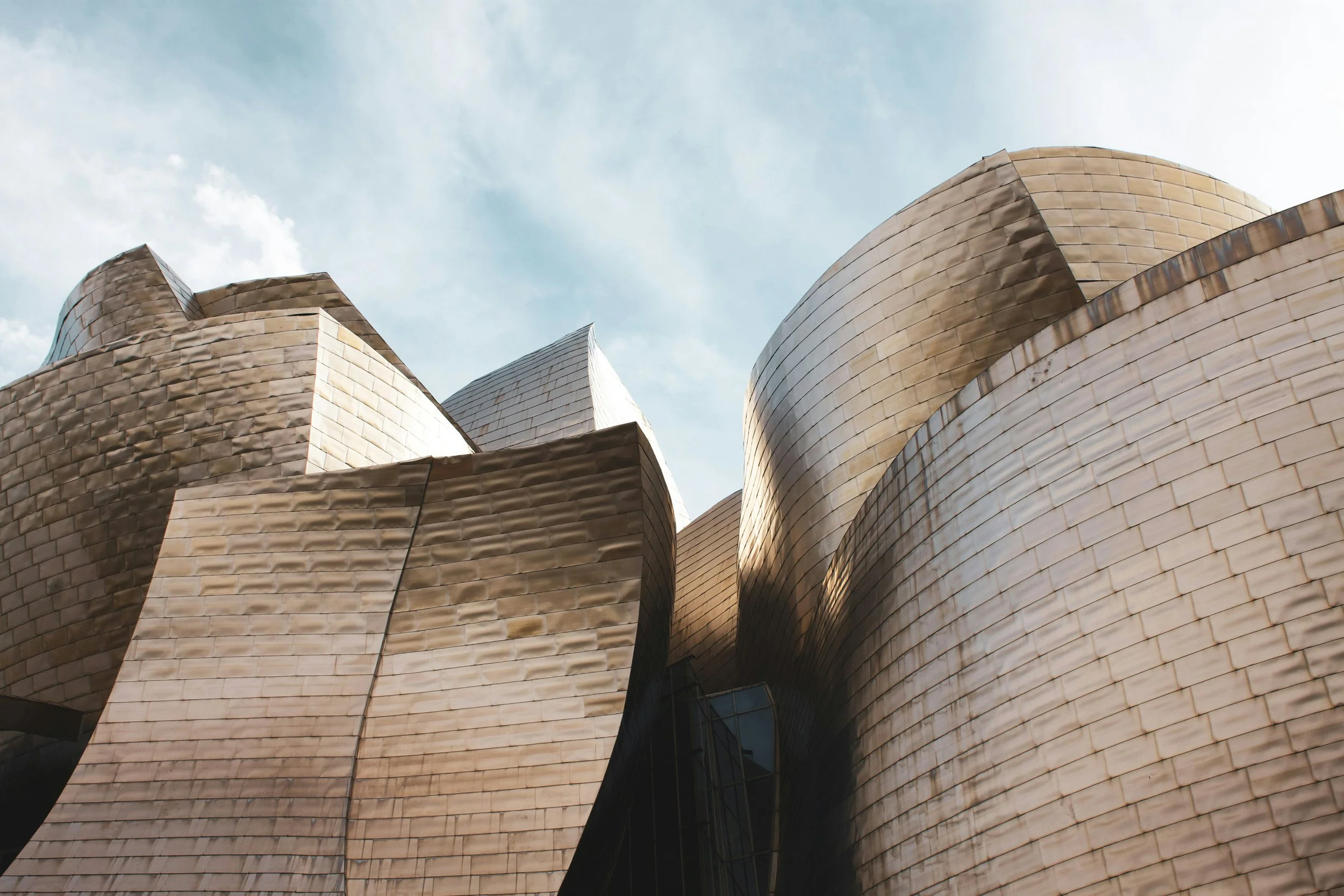
One of the most striking features of Bilbao is its architectural landscape, which showcases a fusion of old and new. The historic Old Town, known as "Casco Viejo," is lined with narrow streets, quaint shops, and charming plazas. Here, one can marvel at the Gothic-styled Basilica of Begona and the beautifully restored Mercado de la Ribera, one of the largest covered markets in Europe, where locals gather to shop for fresh produce and regional delicacies. A short walk from these traditional sites leads to the iconic Guggenheim Museum, a hallmark of modern architecture designed by Frank Gehry. Its flowing, organic shapes and titanium façade not only attract art enthusiasts but also serve as a symbol of Bilbao’s transformation into a cultural hub. The museum is home to an impressive collection of contemporary art, including works by renowned artists such as Jeff Koons and Anish Kapoor.

Guggenheim Museum in Bilbao, Spain by Mark Neal

Bilbao’s culinary scene is equally remarkable, offering a delightful introduction to Basque cuisine. Tapas, or pintxos, are a must-try, with countless bars in the Old Town serving small plates that highlight local ingredients. Visitors can savor specialties such as "bacalao a la vizcaína" (salted cod in a rich tomato sauce) and "gildas," which are skewers of olives, pickled peppers, and anchovies. The city also celebrates its gastronomic heritage through events like the Bilbao Gastronomic Society, where members gather to cook and savor traditional dishes together. For those who wish to indulge, Michelin-starred restaurants such as Azurmendi provide an exquisite fine dining experience that showcases the best of Basque culinary artistry.

Beyond architecture and food, art in Bilbao extends to public spaces, where street art and murals adorn various neighborhoods. The city hosts numerous festivals throughout the year, including the Aste Nagusia, a week-long celebration featuring concerts, performances, and fireworks, attracting crowds from across the region. This event exemplifies the vibrant community spirit of Bilbao, where locals take pride in their cultural expressions and traditions.

Nature lovers will find ample opportunities to explore the breathtaking landscapes surrounding Bilbao. The nearby mountains, such as Artxanda and Pagasarri, offer hiking trails with stunning vistas of the city and the estuary. Additionally, the coastal town of Getxo, just a short train ride away, features beautiful beaches and the iconic Vizcaya Bridge, a UNESCO World Heritage site that connects the two sides of the Nervión River.

Exploring Bilbao reveals a city that is both historical and cutting-edge, where every corner tells a story. From its architectural wonders and delectable cuisine to its rich cultural celebrations, Bilbao invites visitors to immerse themselves in a unique experience that captures the essence of the Basque Country. Whether wandering through the old streets or enjoying modern art at the Guggenheim, one cannot help but feel the pulse of a city that is proud of its heritage and excited for the future.

Cincinnati: The Queen City

Cincinnati, a vibrant city nestled in the southwestern corner of Ohio, boasts a rich history, diverse culture, and an array of attractions that cater to both residents and visitors alike. Known for its distinct neighborhoods, culinary delights, and thriving arts scene, Cincinnati presents a unique blend of Midwestern charm and urban sophistication.

At the heart of Cincinnati's appeal is its historical significance. Founded in 1788, the city has evolved over the centuries from a small settlement along the Ohio River into a bustling metropolis. One of the most prominent historical landmarks is the Cincinnati Museum Center at Union Terminal. This stunning Art Deco train station, built in the 1930s, now houses several museums, including the Cincinnati History Museum and the Museum of Natural History & Science. Visitors can immerse themselves in the region's past while marveling at the architectural beauty of the terminal itself.

Cincinnati by Jake Blucker

Cincinnati is also known for its diverse neighborhoods, each with its own character and charm. Over-the-Rhine (OTR), once a center for German immigrants, has transformed into a hip neighborhood featuring trendy eateries, art studios, and boutiques. The area is famous for its historic 19th-century architecture and is home to Findlay Market, Ohio’s oldest continuously operated public market. Here, locals and tourists alike can sample fresh produce, artisan foods, and handmade crafts, supporting local vendors and celebrating the city’s culinary heritage.

Another highlight of Cincinnati’s cultural landscape is its thriving arts scene. The Cincinnati Art Museum, located in Eden Park, houses an impressive collection of over 67,000 artworks, spanning 6,000 years of history. Admission to the museum is free, making it an accessible destination for visitors eager to explore its vast galleries. For performing arts enthusiasts, the Cincinnati Symphony Orchestra and the Cincinnati Ballet offer world-class performances, showcasing the talents of local and international artists.

Cincinnati's food culture is a significant part of its identity. The city is perhaps best known for its unique take on chili, which is typically served over spaghetti and topped with shredded cheese, onions, and beans. A visit to Cincinnati wouldn’t be complete without trying a famous Skyline Chili or Empress Chili. Additionally, the city’s burgeoning craft beer scene is noteworthy, with numerous breweries, such as Rhinegeist and MadTree, offering a variety of innovative brews that reflect the local palate.

Outdoor enthusiasts will find plenty to explore as well. Cincinnati boasts an array of parks and green spaces, including the expansive Eden Park and the scenic Cincinnati Zoo & Botanical Garden, one of the oldest zoos in the United States. The city's location along the Ohio River provides opportunities for boating, fishing, and waterfront activities. Smale Riverfront Park, situated along the river, features walking paths, playgrounds, and beautiful gardens, making it a perfect spot for families and individuals seeking relaxation amidst nature.

Cincinnati is a city that seamlessly blends history, culture, and recreational opportunities. Its rich heritage and modern vibrancy make it a fascinating destination for travelers. Whether savoring local cuisine, exploring its diverse neighborhoods, or enjoying the arts, visiting Cincinnati promises a memorable experience filled with discovery and enjoyment. From its historical roots to its culinary innovations, Cincinnati continues to captivate those who venture to explore its multifaceted offerings.

Mendoza: Argentina’s Wine Region

Mendoza, a region located in the eastern foothills of the Andes Mountains in Argentina, is a vibrant blend of breathtaking landscapes, rich culture, and an enduring legacy of wine-making. Known primarily for its Malbec wines, Mendoza offers visitors a unique experience that intertwines nature, gastronomy, and adventure.

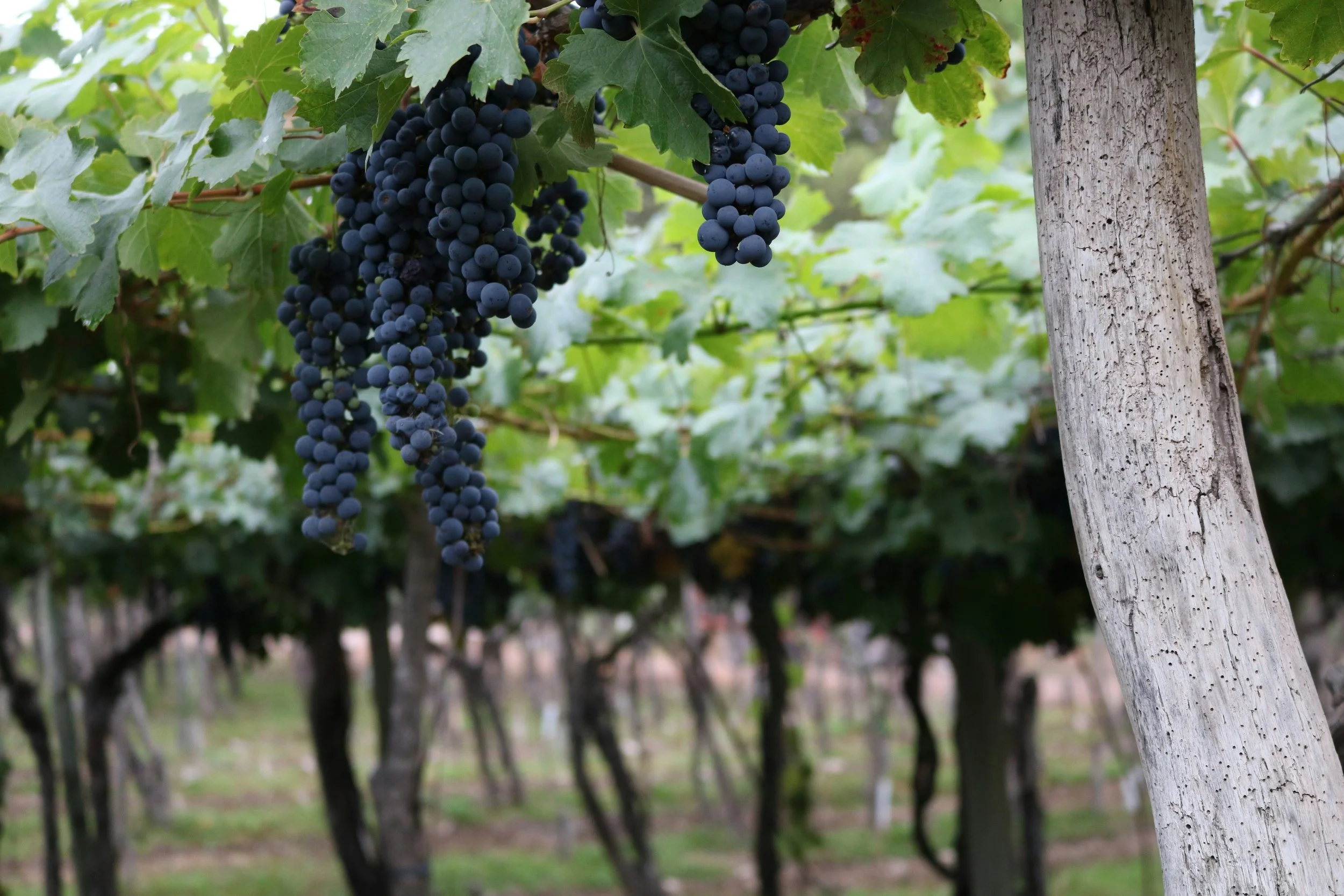
The heart of Mendoza is undeniably its wine. The region boasts over 1,200 wineries that produce some of the finest wines in the world, particularly red varietals like Malbec and Cabernet Sauvignon. A visit to Mendoza is incomplete without exploring its vineyards, many of which are situated against the stunning backdrop of the Andes. Wine tours often include tastings, where visitors can savor the complex flavors that arise from the region’s distinct terroir. Many wineries offer guided tours, allowing guests to learn about the winemaking process while enjoying scenic strolls through picturesque vineyards. The combination of high-altitude growing conditions, ample sunlight, and diverse soil types contribute to the unique characteristics of Mendoza's wines, making it a haven for wine enthusiasts.

Mendoza by Paul Lucyk

Beyond its renowned vineyards, Mendoza is a land of dramatic natural beauty. The nearby Andes provide not only a stunning visual complement but also a playground for outdoor enthusiasts. Hiking, skiing, and mountain biking are just a few activities that attract adventurers year-round. The Aconcagua Provincial Park, home to South America’s highest peak, Mount Aconcagua, is a popular destination for trekkers. This area offers trails for varying skill levels, ensuring that both seasoned climbers and casual hikers can enjoy the majestic landscapes and diverse wildlife.

Mendoza’s culinary scene is as rich and varied as its wines. The region is home to numerous gourmet restaurants that emphasize farm-to-table dining, showcasing local ingredients and traditional Argentine dishes. Asado, a traditional Argentine barbecue, is a must-try for visitors. Dining al fresco at one of Mendoza’s upscale eateries, paired with a glass of local Malbec, provides an unforgettable sensory experience. Additionally, street food markets offer a taste of authentic Argentinian culture, featuring empanadas, choripán (chorizo sandwiches), and dulce de leche desserts that delight the palate.

Culturally, Mendoza is vibrant and welcoming. The city itself is dotted with beautiful plazas, parks, and art galleries, reflecting a blend of European and Argentine influences. The Festival de la Vendimia, celebrated every March, is a highlight of Mendoza’s cultural calendar, attracting thousands of visitors. This harvest festival celebrates the grape harvest with parades, music, and dance, culminating in the crowning of the Queen of the Harvest. It’s a time when locals and tourists alike come together to celebrate the region’s viticultural heritage.

Moreover, Mendoza is a gateway to understanding Argentine life and its cultural ethos. The friendly demeanor of the locals, known as “mendocinos,” enhances the region’s charm. Visitors often find themselves engaging in heartfelt conversations about wine, food, and the traditional way of life.

Mendoza is a multifaceted destination that invites exploration and appreciation. With its unparalleled wines, stunning landscapes, rich culinary traditions, and warm culture, it promises an enriching experience for all who venture there. Whether one is sipping a fine Malbec in a sun-drenched vineyard, trekking through the Andes, or indulging in local cuisine, Mendoza stands as a testament to the beauty and diversity of Argentina, making it a must-visit location for travelers seeking a blend of adventure and relaxation.

The best ski resorts in the world VIII: Livigno

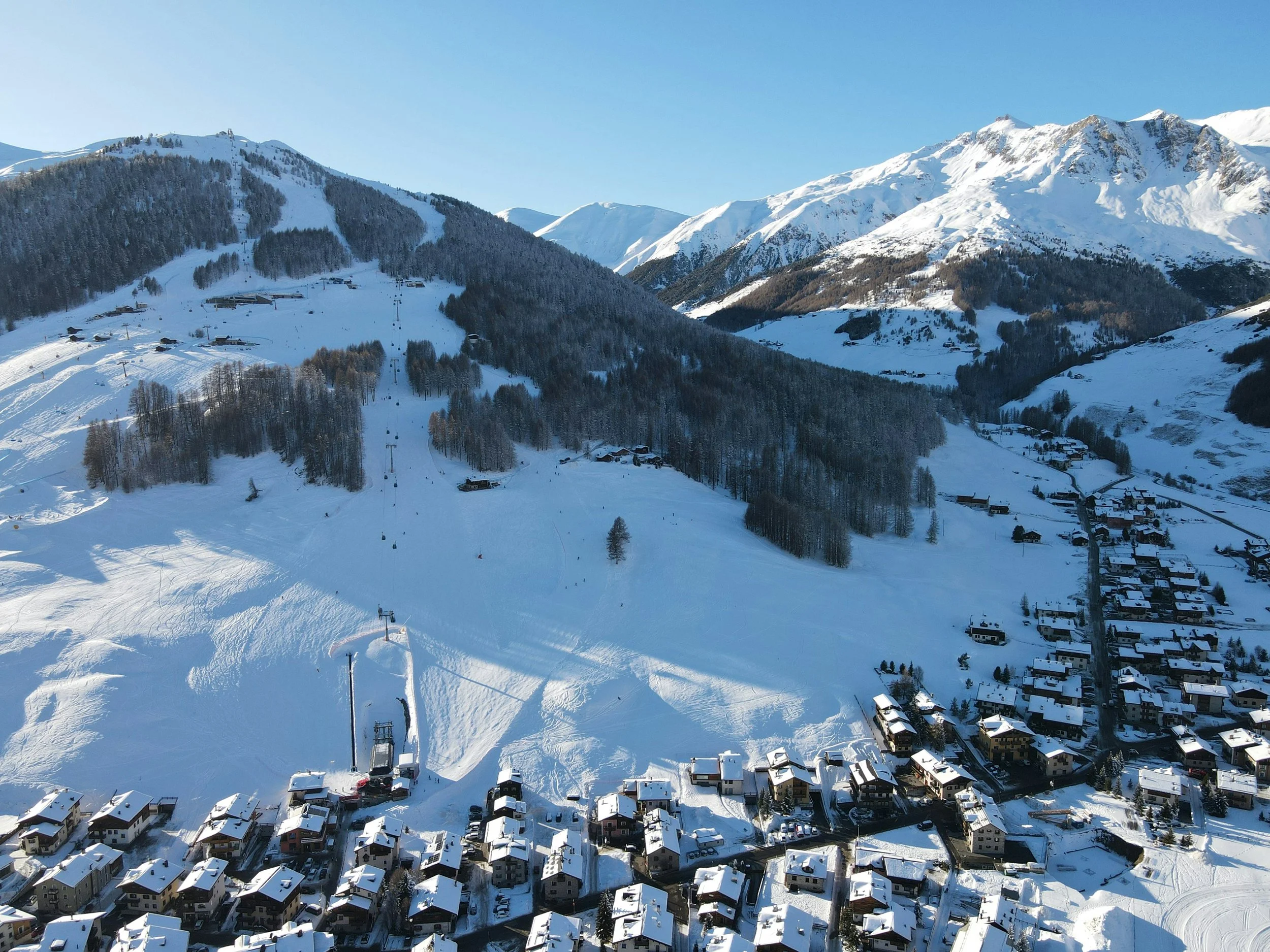
Nestled in the heart of the Italian Alps, Livigno is a ski resort that offers an exceptional blend of natural beauty, world-class skiing, and a vibrant local culture. Renowned for its year-round appeal, this alpine destination attracts winter sports enthusiasts and casual visitors alike. With over 115 kilometers of slopes, Livigno is a paradise for skiers and snowboarders, catering to all skill levels.

One of Livigno's most significant advantages is its location within the Lombardy region, on the border with Switzerland. This positioning not only provides breathtaking panoramic views but also guarantees excellent snow conditions throughout the winter months. The area is characterized by its high altitude, with the ski area sitting at an impressive elevation of 1,800 meters. This height ensures that the slopes remain snow-covered from late November until early May, attracting those who enjoy an extended skiing season.

Livigno by Michaela Římáková

Livigno's ski infrastructure is commendable, featuring a modern network of lifts that efficiently connects different areas of the resort. The Carosello 3000 and Mottolino ski areas are the primary sections, each offering unique experiences. The Carosello 3000 area is known for its expansive slopes and diverse terrain, perfect for families and beginners. In contrast, Mottolino is favored by more advanced skiers and snowboarders, boasting thrilling off-piste opportunities and challenging runs.

Beyond skiing, Livigno is famed for its lively après-ski scene. The village is dotted with cozy bars, enchanting restaurants, and shops offering local delicacies and products, including the region’s famous cheeses and cured meats. Whether you are looking to unwind after a day on the slopes or immerse yourself in authentic Italian hospitality, Livigno has something to offer everyone. Notable venues like the American Bar and Bivio Club provide a vibrant atmosphere where visitors can share their skiing stories over a glass of wine or a pint of local beer.

For those seeking variety, Livigno also hosts a range of winter activities beyond skiing. Snowshoeing, cross-country skiing, and even dog sledding are popular alternatives that allow visitors to experience the stunning alpine landscape from different perspectives. The picturesque trails winding through the snowy woods make for an unforgettable adventure. Families can also take a break from the slopes to enjoy tubing or visit the nearby Aquagranda wellness center, which features pool areas and spa facilities.

The charm of Livigno extends beyond winter sports; the village showcases a rich cultural heritage that visitors can explore. Its picturesque streets are lined with traditional Tyrolean architecture, and the local gastronomy offers a delightful fusion of Italian and Swiss influences. One cannot leave Livigno without trying Pizzoccheri, a hearty dish made with buckwheat pasta, potatoes, cheese, and greens, a true testament to the region's culinary excellence.

Overall, Livigno stands out as one of the best ski resorts in the world due to its remarkable skiing conditions, diverse winter activities, and vibrant local culture. It caters to all types of visitors, whether they seek adrenaline-pumping adventures or a relaxing holiday surrounded by breathtaking scenery. With its combination of natural beauty, outstanding facilities, and a warm, welcoming atmosphere, Livigno remains a top choice for those looking to experience the ultimate winter getaway. Whether you're carving down the slopes or enjoying a quiet evening at a local restaurant, Livigno promises memories that will last a lifetime.

Abidjan: Exploring Ivory Coast’s largest city

Abidjan, the economic capital of Ivory Coast, is a vibrant city that pulsates with life, energy, and culture. Known for its unique blend of modernity and tradition, Abidjan stands out as one of West Africa's most important urban centers. With its diverse neighborhoods, rich history, and dynamic lifestyle, it offers an exciting experience for visitors and residents alike.

One of the most iconic features of Abidjan is its skyline, characterized by towering skyscrapers and innovative architecture. The Plateau district, often referred to as the business hub of the city, is home to several corporate headquarters and government offices. Walking through this area, you’re greeted by impressive structures like the Banco National d'Investissement and the towering Sofitel Hôtel Ivoire, which offer stunning views of the Ebrié Lagoon. This juxtaposition of modern buildings against the natural backdrop of the lagoon creates a striking visual experience that captures the essence of Abidjan.

Abidjan by Eva Blue

Beyond its modern architecture, Abidjan is rich in cultural diversity, with a population that includes various ethnic groups such as the Akan, Krou, and Mandé peoples. This diversity is reflected in the city’s vibrant arts scene, which can be experienced at venues like the Palais de la Culture. Here, visitors can enjoy performances showcasing traditional Ivorian music and dance, alongside contemporary art exhibitions. The city's annual festivals, such as the Abidjan Carnival, also celebrate this multicultural heritage, bringing together local and international communities in a colorful display of creativity and expression.

The culinary landscape of Abidjan is another highlight worth exploring. The city is renowned for its street food culture, where vendors serve delicious local dishes like attiéké (fermented cassava) and garba (a spicy tuna dish served with fried cassava). Visiting the bustling markets, such as the famous Treichville Market, allows one to immerse themselves in the sensory overload of colors, smells, and flavors that define Ivorian cuisine. For those seeking a more upscale dining experience, numerous restaurants throughout the city offer a fusion of traditional and modern African dishes, providing a taste of Ivory Coast's evolving gastronomic identity.

In addition to its urban offerings, Abidjan is surrounded by beautiful natural landscapes that are easily accessible for day trips. The nearby town of Grand-Bassam, a UNESCO World Heritage site, boasts picturesque beaches and colonial-era architecture that tell the story of the region's past. Furthermore, the lush parks and lagoons around the city provide opportunities for outdoor activities such as boating, hiking, and bird-watching, allowing visitors to connect with nature just a stone's throw away from the bustling metropolis.

However, like any major city, Abidjan faces its share of challenges, including urbanization pressures, traffic congestion, and infrastructural development needs. Despite these issues, the resilience and enthusiasm of its people drive a sense of optimism for the city's future. Local initiatives aimed at sustainable development and cultural preservation are gaining momentum, ensuring that Abidjan remains not only a center of commerce but also a beacon of heritage and community spirit.

Abidjan is a city that offers a compelling mix of tradition and modernity. Its vibrant economy, rich cultural tapestry, and stunning landscapes make it an essential destination for those looking to explore the heart of Ivory Coast. Whether you’re wandering through its lively streets, savoring the local cuisine, or engaging with the warm and welcoming community, Abidjan promises an unforgettable experience that highlights the beauty and complexity of West African life.

Great National Parks L: Katmai

Nestled in the rugged wilderness of Alaska, Katmai National Park and Preserve stands as a testament to the raw beauty of nature and the power of conservation. Established in 1980, this expansive park covers over 4 million acres, offering an unparalleled glimpse into the diverse ecosystems that thrive in its remote landscapes. Known primarily for its abundant wildlife and stunning volcanic features, Katmai attracts visitors seeking adventure and an intimate experience with nature.

One of the most iconic sights within Katmai is the famous Brooks Falls, where visitors gather to witness one of nature's most compelling spectacles: the annual salmon run. Each summer, thousands of sockeye salmon migrate upstream from the sea to spawn in the rivers of Katmai. This remarkable journey draws bears from all over the park, who congregate at the falls in a dramatic display of survival. Observing these majestic creatures as they fish for salmon offers an unforgettable experience, allowing visitors to appreciate the delicate balance of life within this ecosystem. The sight of enormous brown bears catching fish mid-leap is not only a thrilling spectacle but also an illustration of the interconnectedness of species and their environments.

Katmai's landscape is equally captivating, characterized by its vast valleys, towering mountains, and active geothermal features. The park is home to the Valley of Ten Thousand Smokes, a surreal expanse created by the cataclysmic eruption of Novarupta volcano in 1912. This eruption was one of the largest in the 20th century, blanketing the surrounding area in ash and transforming the terrain. Today, the Valley is a unique geological wonder where visitors can explore the remnants of volcanic activity while witnessing new life reclaiming the land. The contrasting beauty of ash-covered plains against vivid green foliage highlights nature’s resilience and capacity for renewal.

In addition to its wildlife and geological marvels, Katmai National Park is steeped in cultural history. The area has long been inhabited by the native Alutiiq people, who relied on the rich resources of the land for thousands of years. Their ancient connection to the environment is woven into the fabric of the park, and visitors can find traces of this heritage in the form of archaeological sites and traditional practices still observed by contemporary indigenous communities. Learning about the history and culture of the indigenous peoples adds depth to any visit, fostering a greater appreciation for the land and its stories.

Adventure seekers will find a myriad of recreational opportunities in Katmai, ranging from hiking and kayaking to fishing and bear watching. The park's remote location ensures an escape from the hustle and bustle of modern life, allowing visitors to immerse themselves fully in the serene wilderness. For those willing to venture off the beaten path, backcountry camping offers a chance to experience the park’s solitude and tranquility under a blanket of stars, far removed from city lights.

Katmai National Park and Preserve is not just a destination; it is a celebration of nature's grandeur and the intricate relationships between its inhabitants. From the awe-inspiring bears at Brooks Falls to the haunting beauty of its volcanic landscapes, Katmai invites exploration and reflection. As visitors traverse its wild terrains, they are reminded of the importance of preserving such natural treasures for future generations. Whether through observing wildlife, hiking its trails, or learning about its history, Katmai leaves an indelible mark on all who are fortunate enough to experience its wonders.

Belfast, the capital of Northern Ireland

Belfast, the capital of Northern Ireland, is a city rich in history, culture, and resilience. As one of the most vibrant cities in the UK, Belfast offers a blend of modernity and tradition, making it a fascinating destination for visitors and locals alike. From its bustling streets to its serene parks, and from its tumultuous past to its promising future, Belfast is a city that tells stories through its architecture, people, and landscapes.

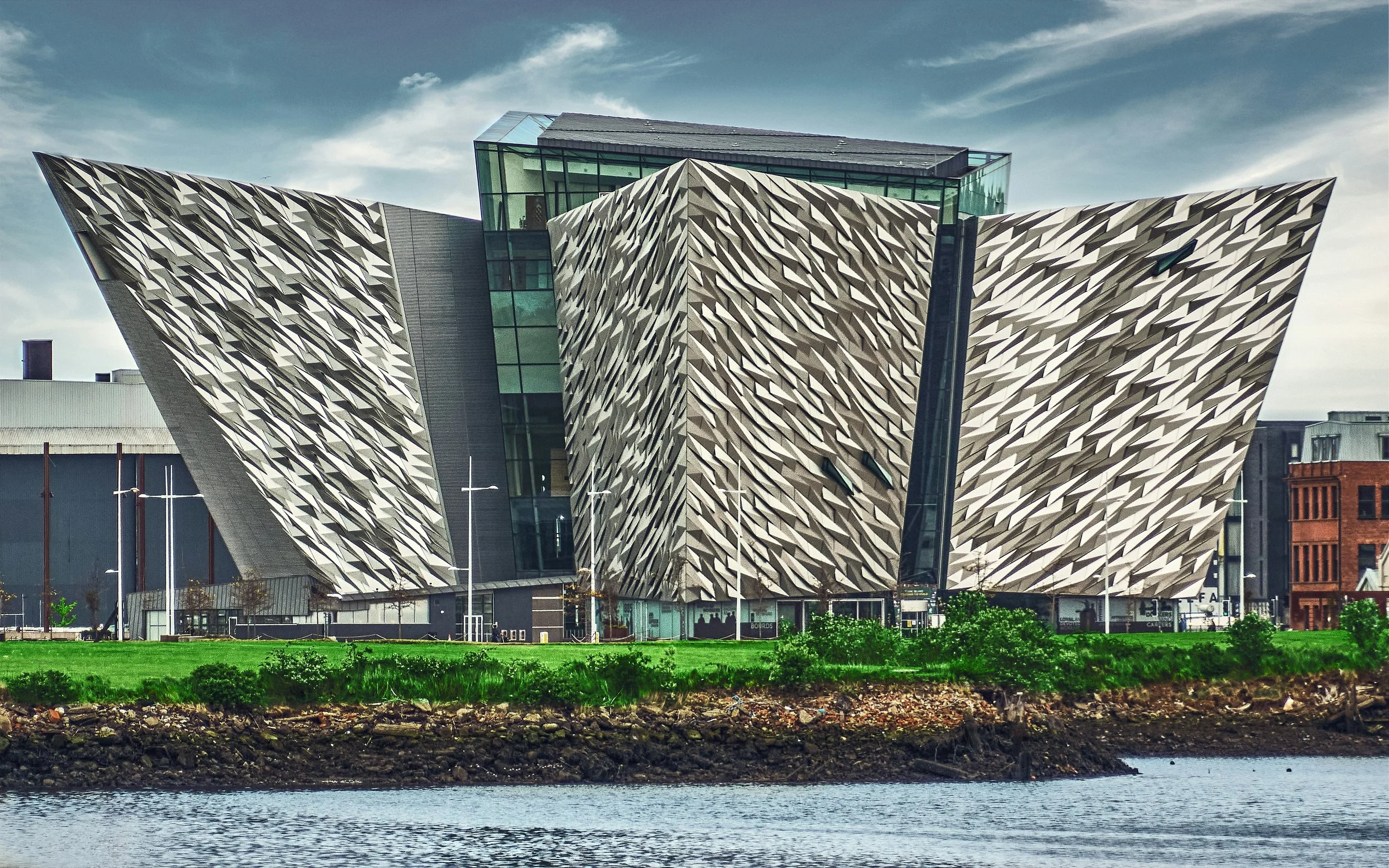
Historically, Belfast is known for its shipbuilding industry, particularly as the birthplace of the RMS Titanic. The remnants of this legacy can be explored at the Titanic Quarter, where the iconic Titanic Belfast museum stands. This stunning structure, designed to resemble the ship itself, features interactive exhibits that detail the construction of the Titanic and its ill-fated maiden voyage. Visitors can immerse themselves in the story of the ship and gain insights into the maritime heritage that shaped Belfast.

Belfast by K. Mitch Hodge

Beyond its nautical history, the city is also marked by the impact of the Troubles, a period of conflict that lasted from the late 1960s to 1998. The effects of this era are visible in the murals that adorn many buildings across the city. These murals serve as powerful symbols of political opinions, social issues, and cultural pride. A walking tour dedicated to these murals offers a profound understanding of Belfast's complex history and the journey toward peace and reconciliation.

Belfast’s cultural scene is thriving, with numerous theaters, galleries, and music venues that showcase local and international talent. The Grand Opera House, an architectural gem, hosts an array of performances, from opera and ballet to contemporary theatre. Meanwhile, the Ulster Museum provides an opportunity to delve into the region's art, history, and natural sciences. With exhibitions ranging from ancient artifacts to contemporary art pieces, the museum acts as a cultural hub that attracts visitors of all ages.

The city's diverse culinary scene is another aspect that should not be overlooked. Belfast boasts a variety of restaurants, cafes, and markets that reflect its multicultural population. Traditional Irish dishes such as stew and soda bread can be found alongside international cuisines, offering a taste of the city’s global influences. St. George’s Market, a Victorian covered market, is a must-visit for food lovers, showcasing local produce, artisan foods, and handmade crafts.

Outside of the urban landscape, Belfast is surrounded by breathtaking natural beauty. The nearby hills and coastline offer spectacular views and opportunities for outdoor activities. Cave Hill Country Park, located just north of the city, provides hiking trails with panoramic vistas of Belfast and beyond. Additionally, the stunning Causeway Coast, with its rugged cliffs and famous Giant’s Causeway, is within easy reach, making it a perfect day trip for those looking to escape the city.

As Belfast continues to evolve and rebuild, it remains a place of hope and transformation. The spirit of the city is captured in its warm hospitality and in the resilience of its people. Whether exploring its historical roots, enjoying its cultural offerings, or savoring its culinary delights, visitors to Belfast will find a dynamic city that embraces both its past and its future. The charm of Belfast lies not only in its landmarks but also in the stories shared by its residents, making it a destination worth exploring for anyone seeking to understand the heart and soul of Northern Ireland.

The best ski resorts in the world VII: Jackson Hole

Nestled in the breathtaking landscape of the Teton Range, Jackson Hole, Wyoming, is a ski resort that captivates winter sports enthusiasts from around the globe. Renowned for its stunning vistas, challenging terrain, and vibrant local culture, Jackson Hole has established itself as one of the best ski resorts in the world. This essay will explore the unique features that make Jackson Hole an exceptional destination for skiing and snowboarding.

One of the standout characteristics of Jackson Hole is its unrivaled terrain, which caters to a wide range of skill levels. The resort boasts over 2,500 acres of skiable terrain, with a vertical drop of 4,139 feet—the largest in North America. For advanced skiers and snowboarders, the infamous Corbet’s Couloir presents an exhilarating challenge. This steep, narrow chute is a rite of passage for skilled athletes looking to push their limits. On the other hand, beginners will find comfort in the dedicated learning areas and gentle slopes that ensure a safe introduction to the sport. The diverse terrain makes Jackson Hole suitable for everyone, allowing families and friends to enjoy the mountain together.

In addition to its impressive terrain, Jackson Hole offers an exceptional snow quality that enhances the skiing experience. The region's high elevation and unique weather patterns contribute to an average annual snowfall of over 450 inches. This abundance of powder creates ideal conditions for thrilling powder skiing, attracting enthusiasts who cherish soft, fluffy snow. The ski season typically extends from late November to early April, allowing ample time for visitors to enjoy the pristine winter wonderland.

The resort also prides itself on its state-of-the-art facilities and amenities. With a variety of lodges, hotels, and vacation rentals available, guests can choose accommodations that fit their preferences and budget. The resort features numerous dining options, ranging from casual eateries to upscale restaurants that serve gourmet cuisine, ensuring a delightful après-ski experience. Visitors can indulge in local delicacies and international dishes while soaking in the remarkable views of the surrounding mountains.

Beyond skiing and snowboarding, Jackson Hole offers a plethora of activities to enhance the winter experience. Visitors can partake in snowshoeing, cross-country skiing, and snowmobiling, allowing them to explore the breathtaking landscapes in unique ways. For those seeking relaxation, the nearby hot springs and spas provide the perfect opportunity to unwind after a day on the slopes. Moreover, the charming town of Jackson offers art galleries, shops, and a vibrant nightlife, ensuring that visitors have plenty of options for entertainment off the mountain.

Finally, the sense of community and culture at Jackson Hole adds to its allure. The local atmosphere is warm and welcoming, with a strong emphasis on preserving the natural environment and honoring the rich heritage of the area. Events such as the Jackson Hole Winter Festival showcase local talent and foster a sense of unity among residents and visitors alike.

Jackson Hole, Wyoming, is undoubtedly one of the best ski resorts in the world, offering unparalleled terrain, exceptional snow quality, and a wealth of activities. Whether one is an experienced skier seeking the thrill of challenging runs or a family looking for a memorable vacation, Jackson Hole provides an unforgettable winter adventure. Its combination of natural beauty, modern amenities, and vibrant culture makes it a must-visit destination for anyone passionate about winter sports.

Yerevan, the capital of Armenia

Yerevan, the capital of Armenia, is a city steeped in history and culture, offering a captivating blend of ancient heritage and modern vibrancy. Its charm lies not only in its rich past but also in its dynamic atmosphere that invites exploration and discovery. With its stunning architecture, welcoming locals, and a myriad of cultural experiences, Yerevan stands as a remarkable destination for travelers.

Established in 782 BC, Yerevan is one of the oldest continuously inhabited cities in the world. The significance of its history is palpable as you stroll through its streets, where ancient structures coexist with Soviet-era constructions and contemporary designs. One of the most iconic landmarks is the Republic Square, an expansive plaza surrounded by impressive neo-classical buildings. Here, visitors can admire the beautiful dancing fountains that come alive at night, set against the backdrop of the stunning Armenian National History Museum. The square serves as a cultural hub, hosting numerous events and gatherings throughout the year.

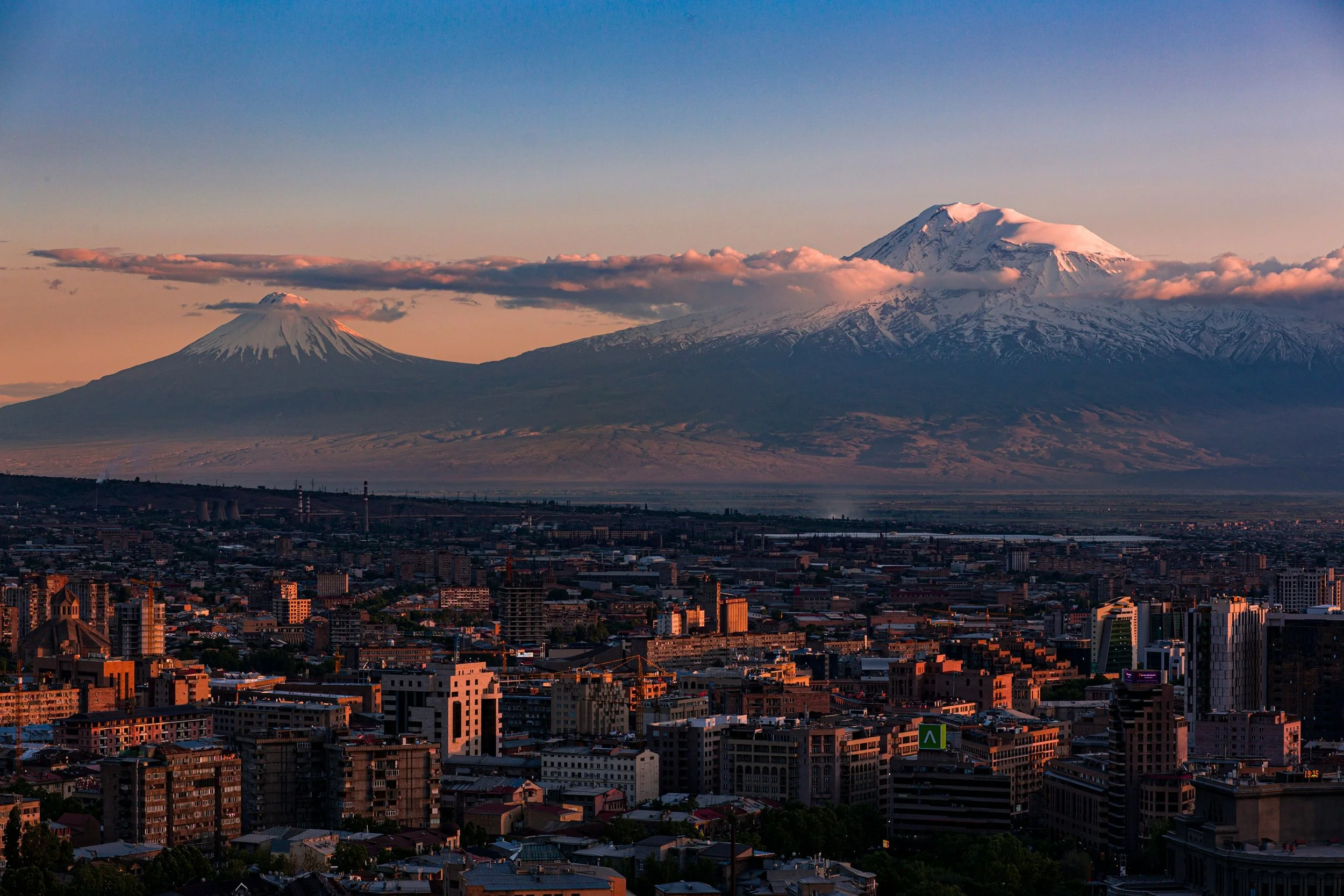
Yerevan by Aleksandr Popov

A visit to Yerevan would be incomplete without exploring the Cascade Complex, a monumental stairway that connects the city center with the Victory Park and offers panoramic views of the surrounding landscape, including the majestic Mount Ararat. The Cascade is not just a staircase; it is also an open-air museum adorned with various sculptures from both Armenian and international artists. As you ascend the stairs, you encounter vibrant gardens, fountains, and the Cafesjian Center for the Arts, which showcases a diverse collection of contemporary art.

The heart of Yerevan’s cultural scene can be found in its numerous museums and galleries. The History Museum of Armenia provides a comprehensive overview of the nation’s past, featuring artifacts that date back to prehistoric times. Meanwhile, the Sergei Parajanov Museum celebrates the life and work of the famous filmmaker, known for his unique visual style and contributions to the art world. For those interested in literature, the Yeghishe Charents Museum is dedicated to one of Armenia's most revered poets, hosting exhibitions that highlight his work and influence.

Food enthusiasts will find Yerevan to be a culinary delight. The city is known for its traditional Armenian cuisine, characterized by fresh ingredients and bold flavors. Lavash, a type of flatbread, is a staple, often served alongside dishes like khorovats (grilled meat) and dolma (stuffed grape leaves). Local restaurants and bistros are abundant, providing an opportunity to savor these delicacies while enjoying the warm hospitality of the Armenian people. The bustling markets, such as the GUM Market, offer a glimpse into everyday life, where locals shop for fresh produce, spices, and handmade goods.

As the sun sets, Yerevan transforms into a lively hub of activity. The city’s nightlife is vibrant, with numerous bars, clubs, and music venues catering to diverse tastes. Traditional Armenian music can be heard in various spots, and modern performances often feature a fusion of genres that attract both locals and tourists alike.

Yerevan is a city that beautifully encapsulates the essence of Armenian culture and history. Its timeless allure, marked by ancient monuments, vibrant art scenes, delectable cuisine, and lively social atmosphere, makes it a must-visit destination. Whether one is drawn to its rich historical sites, eager to indulge in its culinary offerings, or simply wishing to experience the warmth of its people, Yerevan promises an unforgettable journey into the heart of Armenia.

Great National Parks XLIX: Port Campbell

Port Campbell National Park, located along the picturesque coast of Victoria, Australia, is a stunning natural reserve that captures the essence of the region's breathtaking landscapes and rich biodiversity. Renowned for its rugged cliffs, pristine beaches, and iconic rock formations, the park offers visitors an unparalleled opportunity to experience the beauty of nature while engaging in various recreational activities.

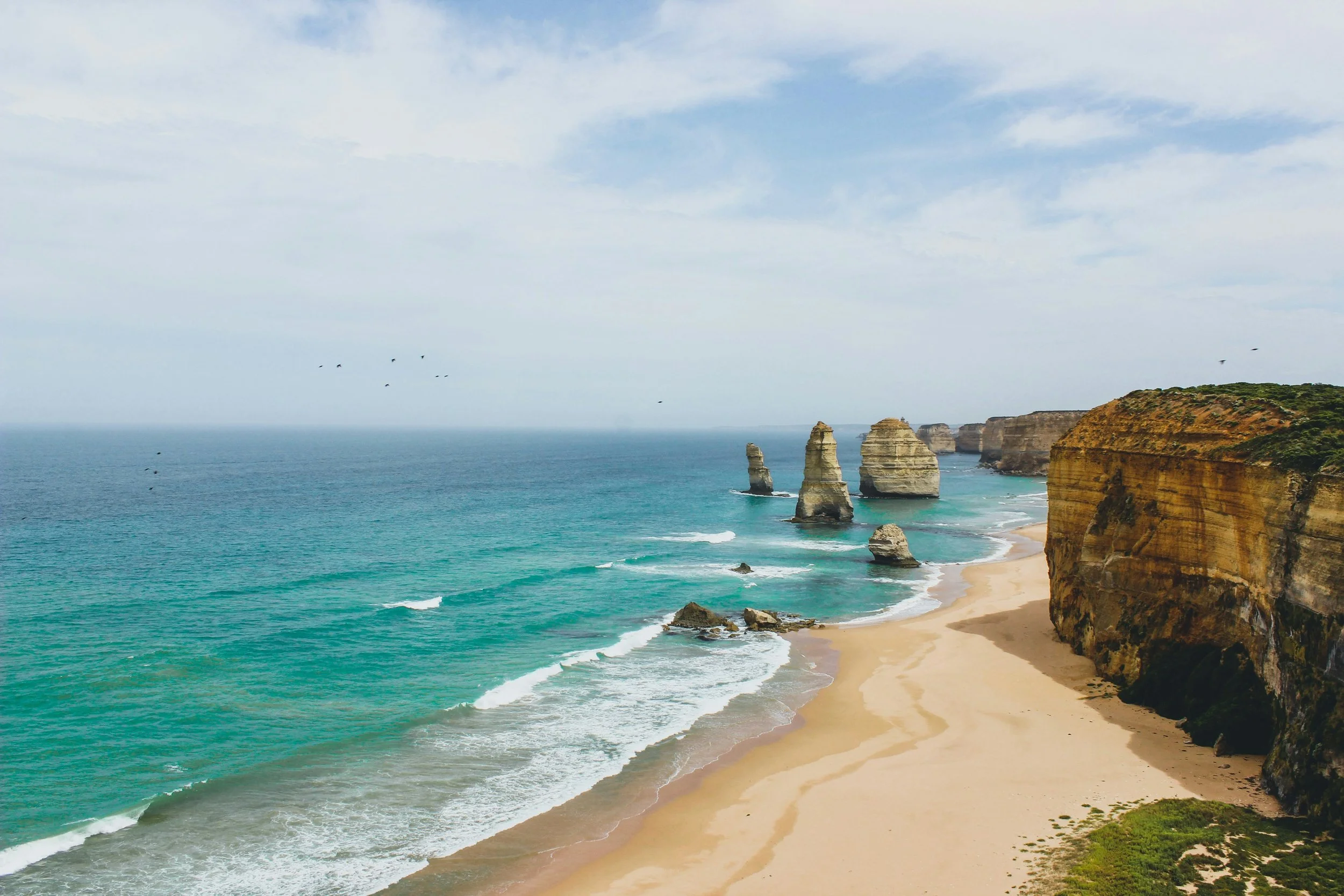
One of the highlights of Port Campbell National Park is the famed Twelve Apostles, a collection of limestone stacks that rise dramatically from the Southern Ocean. These majestic formations are the result of millions of years of erosion and natural processes, creating a surreal landscape that draws tourists from around the globe. The viewing platforms provide spectacular panoramic views, particularly at sunrise and sunset when the golden light casts enchanting shadows across the rocks. Photographers flock to this site, capturing the awe-inspiring scenery that defines the Australian coastline.

Twelve Apostles by Tikun Mendez

Beyond the Twelve Apostles, the park also boasts other remarkable formations such as Loch Ard Gorge and London Arch. Loch Ard Gorge is a sheltered inlet with a rich maritime history. The gorge is named after the clipper ship Loch Ard, which famously sank in this area in 1878. Visitors can explore the sandy beach, walk along the scenic trails, and learn about the historical significance through informative displays. London Arch, previously known as London Bridge, offers a striking reminder of the relentless forces of nature, as part of the bridge collapsed in 1990, leaving two tourists stranded on the remaining archway.

The natural wonders of Port Campbell extend beyond geological formations; the park is also home to diverse flora and fauna. Its coastal environment supports a variety of ecosystems, including wetlands, heathlands, and forests. Wildflowers bloom throughout the year, painting the landscape with vibrant colors, while native animals such as kangaroos, koalas, and an array of bird species can be spotted in their natural habitats. The park's commitment to conservation efforts ensures that these species are protected, allowing visitors to enjoy the natural beauty while promoting sustainability.

For adventure seekers, Port Campbell National Park offers numerous walking trails that cater to various fitness levels. The Great Ocean Walk, a renowned 104-kilometer trail, stretches along the coastline and leads hikers through stunning landscapes, from rainforest to coastal heathlands. Shorter trails, like the Walk to the Twelve Apostles, provide easy access to some of the park's most celebrated viewpoints without demanding extensive physical exertion. Along these paths, visitors can immerse themselves in the sights and sounds of the Australian wilderness, from the crashing waves to the rustling leaves.

In addition to hiking, the park presents opportunities for various outdoor activities, including fishing, swimming, and kayaking. The sheltered bays provide ideal conditions for water sports, making it a popular destination for families and adventure enthusiasts alike. Additionally, guided tours and eco-cruises allow visitors to explore the coastline from a different perspective, revealing hidden coves and marine life that thrive beneath the surface.

Port Campbell National Park is a remarkable destination that celebrates the beauty of Australia's natural heritage. With its iconic rock formations, diverse ecosystems, and exhilarating outdoor activities, the park offers something for every nature lover. Whether one is drawn by the breathtaking vistas or the rich wildlife, a visit to this national park promises an unforgettable experience that showcases the magnificence of the Australian coastline.

WhatsApp Chat