Cartagena: Gateway to Colombia’s Caribbean Coast

Nestled along the Caribbean coast, Cartagena is a vibrant city that embodies the rich cultural tapestry of Colombia. Founded in 1533, this historical port city has been a witness to centuries of history, shaped by Spanish colonization, African influences, and Indigenous heritage. Today, Cartagena stands as a UNESCO World Heritage Site, a dynamic blend of colonial architecture, lively plazas, and breathtaking coastal scenery that beckons travelers from around the globe.
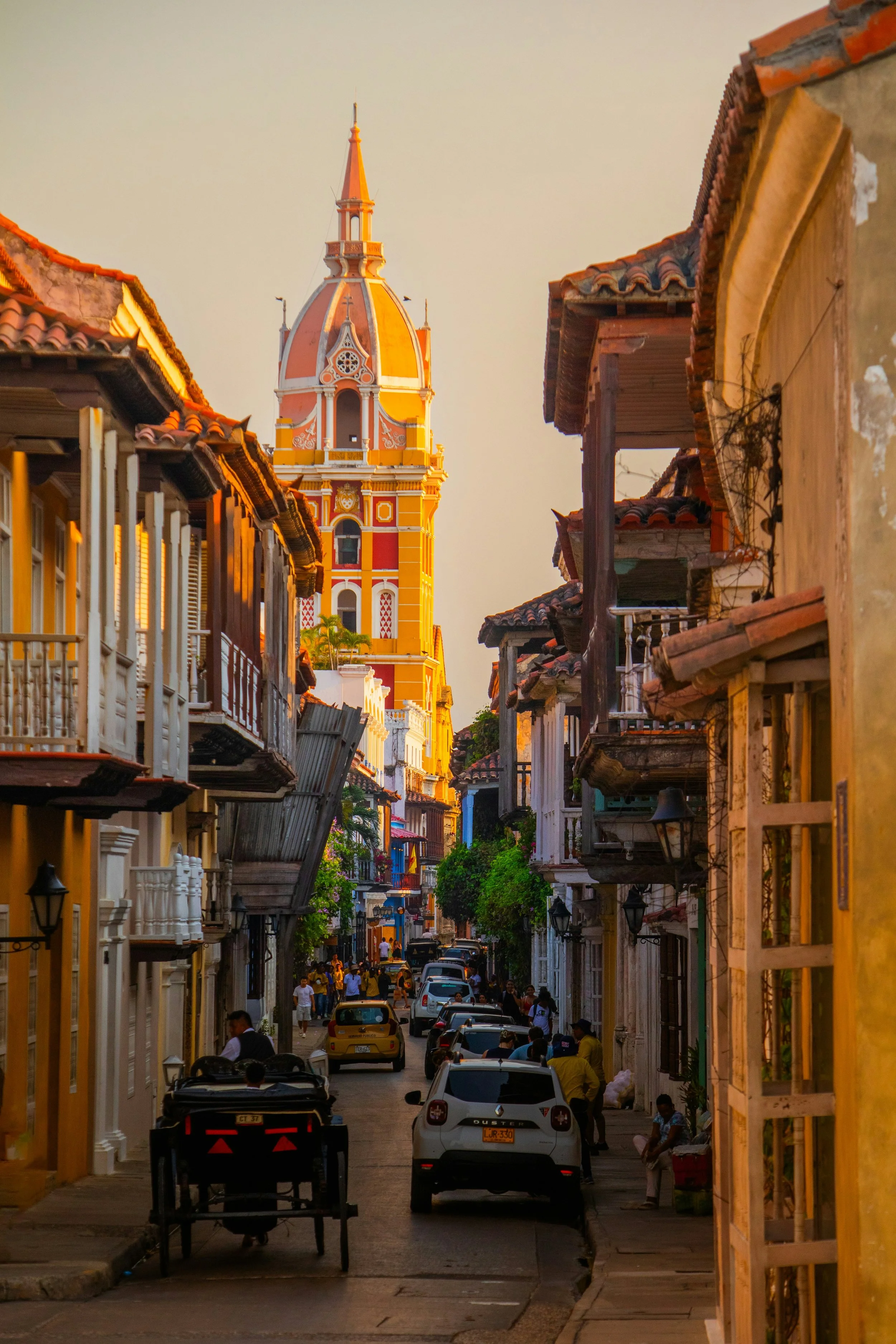
Cartagena by Jimmy Woo

One of the most striking features of Cartagena is its well-preserved old town, known as "Ciudad Amurallada" or the Walled City. Enclosed by formidable walls built in the 16th century to defend against pirate attacks, this area teems with charming cobblestone streets, colorful buildings adorned with bougainvillea, and historic sites that tell tales of the past. Walking through the narrow streets feels like stepping back in time; each corner presents an opportunity to discover beautiful squares such as Plaza Santo Domingo, where visitors can relax next to the famous sculpture of a reclining woman by Fernando Botero.

The historical significance of Cartagena is further highlighted by landmarks such as the Castillo San Felipe de Barajas, a fortress that dominates the skyline. This impressive structure, built by the Spanish in the 1600s, showcases military ingenuity and offers stunning panoramic views of the city and the Caribbean Sea. Exploring its labyrinthine tunnels provides a glimpse into the city’s strategic importance in colonial times and serves as a reminder of its enduring legacy.

Culture thrives in Cartagena, evidenced by its numerous festivals and art scenes. The city hosts the annual Hay Festival, which draws literary enthusiasts from across the world, showcasing discussions, workshops, and performances. Additionally, the city's Afro-Caribbean heritage comes alive in its music and dance, particularly during events like the Festival of the Heroes and the Caribbean Music Festival. In these moments, the rhythms of cumbia and vallenato fill the air, inviting locals and visitors alike to dance and celebrate.

Cartagena's culinary scene also reflects its diverse heritage, offering a delicious fusion of flavors influenced by indigenous, African, and Spanish traditions. Seafood reigns supreme, with dishes like ceviche and fried snapper served in beachside restaurants. Local markets brim with fresh produce and ingredients, while street vendors provide quick bites such as arepas and empanadas that capture the essence of Colombian comfort food. Dining in Cartagena is not just about sustenance but an immersive experience that highlights the city’s vibrant culture.

For those seeking relaxation, Cartagena boasts beautiful beaches such as Playa Blanca and the nearby Rosario Islands. These paradisiacal spots offer crystal-clear waters and palm-fringed shores, perfect for sunbathing, swimming, or snorkeling among vibrant coral reefs. The contrast between the historic cityscape and serene beaches creates an enticing allure that captivates every visitor.

Cartagena is more than just a destination; it is a cultural and historical landmark that enthralls with its beauty, warmth, and rich heritage. Whether wandering through its ancient streets, savoring its culinary delights, or soaking up the sun on its beaches, visitors will find themselves immersed in a magical atmosphere that celebrates the spirit of Colombia. As one explores Cartagena, it becomes clear why this city is often referred to as a gem of the Caribbean, waiting to be discovered and cherished.
The best ski resorts in the world VI: Ischgl & Samnaun

Nestled in the stunning landscapes of the Alps, Ischgl and Samnaun stand out as two of the best ski resorts in the world, drawing skiers and snowboarders from across the globe. These neighboring resorts, straddling the border between Austria and Switzerland, offer a unique blend of exhilarating skiing, vibrant après-ski culture, and breathtaking scenery, making them exceptional destinations for winter sports enthusiasts.

Ischgl, located in the Paznaun Valley of Tyrol, Austria, is renowned for its extensive ski area, which boasts over 238 kilometers of perfectly groomed slopes. The resort is particularly famous for its high-altitude skiing, with many of its runs reaching altitudes above 2,500 meters. This elevation translates to guaranteed snow conditions throughout the winter season, allowing for an extended skiing period typically from late November to early May. One of the most appealing aspects of Ischgl is its impressive lift system, featuring modern gondolas and chairlifts that whisk skiers swiftly to the mountain peaks, minimizing wait times and maximizing time on the slopes.

On the other side of the coin, Samnaun, a picturesque Swiss village, complements Ischgl with its charming atmosphere and additional ski opportunities. While it may be smaller in scale compared to Ischgl, Samnaun offers 190 kilometers of ski runs, with both resorts seamlessly connected via the Silvretta Arena ski pass. This connection allows visitors to explore both resorts without limitations, making it easy to experience the best of both worlds. Samnaun is particularly known for its family-friendly slopes and excellent childcare facilities, which make it an ideal choice for families looking to enjoy winter vacations together.

Beyond their skiing offerings, Ischgl and Samnaun are also famed for their lively après-ski scenes. Ischgl's nightlife is legendary, with numerous bars and clubs that come alive after the sun sets. Visitors can enjoy traditional Tyrolean hospitality in cozy mountain huts or dance the night away at trendy nightclubs. The annual Top of the Mountain concert series attracts international artists and provides an electrifying atmosphere that resonates with skiers and non-skiers alike. Samnaun, while quieter, offers charming restaurants and bars where one can unwind after a long day on the slopes, creating a more relaxed but equally enjoyable après-ski experience.

Both resorts also prioritize gastronomy, with a range of dining options available to satisfy any palate. From gourmet mountain restaurants featuring local delicacies to casual eateries serving hearty comfort food, visitors can indulge in culinary delights that complement their skiing adventures. The scenic views from these dining spots often enhance the overall experience, providing a perfect backdrop while enjoying a well-deserved meal.

Ischgl and Samnaun represent the epitome of alpine skiing, offering exceptional slopes, vibrant après-ski culture, and stunning landscapes. Their interconnectedness allows for a diverse skiing experience, catering to all levels of skiers and snowboarders. Whether it’s the high-octane nightlife in Ischgl or the serene charm of Samnaun, both resorts provide unforgettable experiences for those seeking adventure in the heart of the Alps. As winter approaches, these ski resorts beckon travelers from around the world to enjoy everything they have to offer, solidifying their status as two of the best ski destinations globally.

Baku, the capital of Azerbaijan

Baku, the capital of Azerbaijan, is a vibrant city that seamlessly blends ancient history with modern architecture, creating a unique tapestry of culture and innovation. Nestled along the Caspian Sea, Baku has evolved from a quaint fishing village into a bustling metropolis. Its rich historical legacy, stunning landscapes, and dynamic urban life make it a fascinating destination for travelers.

One of the most striking aspects of Baku is its architectural diversity. The Old City, or Icherisheher, is a UNESCO World Heritage site that dates back to the 12th century. Walking through its narrow streets, visitors can admire the medieval structures, including the iconic Maiden Tower and the magnificent Shirvanshah's Palace. These landmarks not only reflect the region’s Islamic heritage but also tell stories of the city's past, from its days as a vital stop on the Silk Road to its significance in the oil boom of the late 19th century.

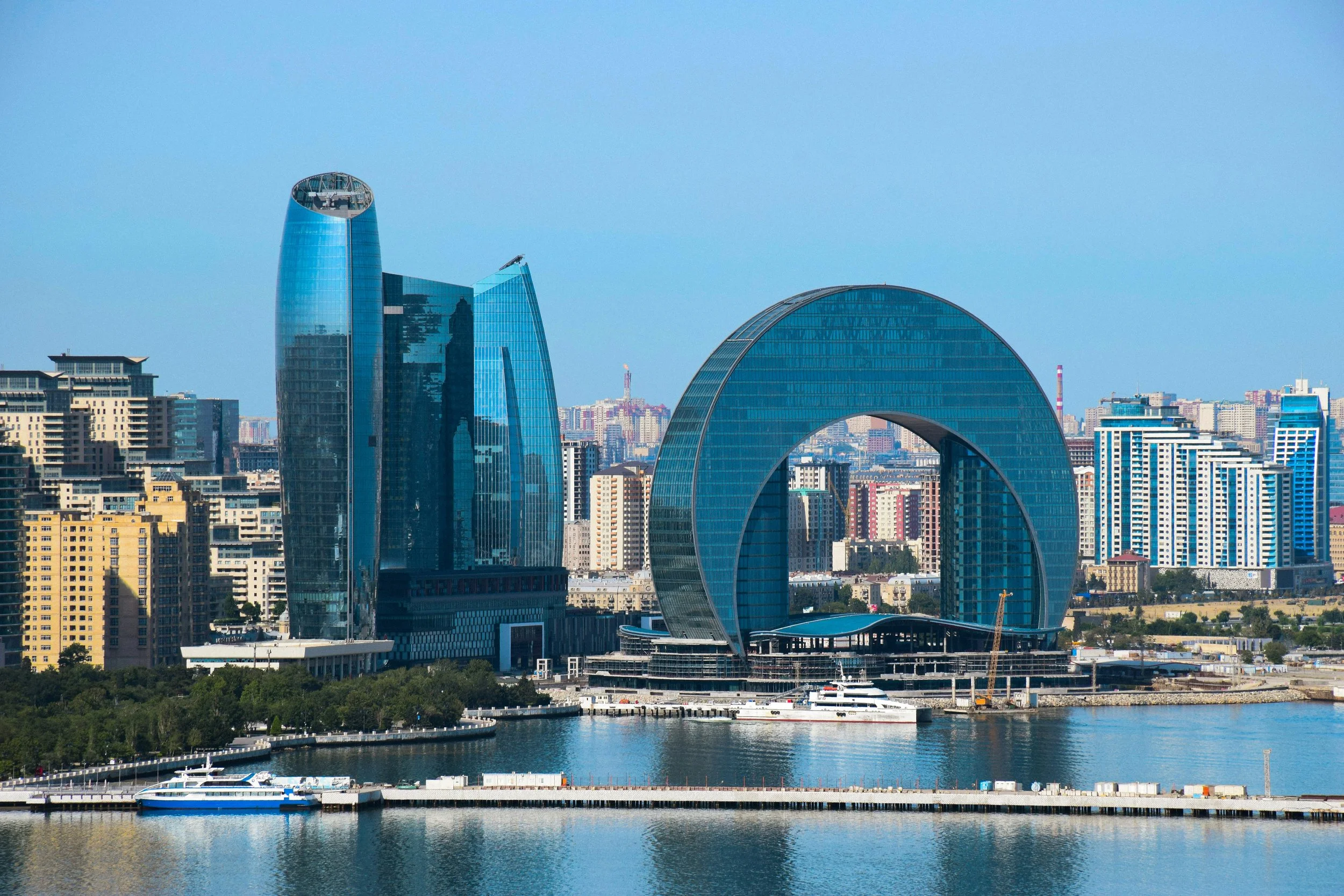
Baku by Adil Sattarov

In sharp contrast to the historic district, the Flame Towers dominate the Baku skyline. These three skyscrapers, designed to resemble flames, are particularly breathtaking at night when they illuminate the sky with vibrant colors. The modern architecture found throughout the city, including the Heydar Aliyev Center—an architectural marvel designed by Zaha Hadid—illustrates Baku’s commitment to innovation and progress. The center’s fluid, curvilinear form serves as a cultural hub, hosting exhibitions and performances that showcase Azerbaijani arts and heritage.

Baku's location along the Caspian Sea offers stunning waterfront views and ample opportunities for leisure activities. The Boulevard, a picturesque promenade lined with cafes and parks, is a popular spot for both locals and tourists. Visitors can take leisurely walks, enjoy bike rides, or simply relax while gazing out at the tranquil waters. The seaside also hosts several attractions, such as the Baku Eye, a Ferris wheel that offers a panoramic view of the city from above.

Culinary exploration is another highlight of any visit to Baku. The city boasts a diverse food scene that reflects its multicultural influences. Traditional Azerbaijani dishes like plov (rice pilaf), kebabs, and dolma (stuffed grape leaves) are widely available, often accompanied by local wines and teas. For a more contemporary take, Baku's burgeoning restaurant scene offers fusion cuisines and avant-garde presentations, attracting food enthusiasts from around the globe.

Baku is also a city of festivals and events throughout the year. The Baku Jazz Festival draws international musicians and jazz lovers alike, celebrating the genre's rich history in Azerbaijan. Additionally, the Formula 1 Grand Prix, held annually, showcases the city’s modernity while providing an adrenaline-filled spectacle for motorsport fans. These events highlight Baku's vibrant cultural scene and its role as a global city.

Finally, the warm hospitality of the Azerbaijani people adds an invaluable layer to the Baku experience. Visitors often remark on the friendliness and openness of locals, making interactions memorable and enriching. Whether sharing a meal or engaging in conversation, the cultural exchange fosters a deeper understanding of Baku’s identity.

Baku is an extraordinary city that offers a captivating blend of history, modernity, culture, and warmth. From its ancient sites and innovative architecture to its lively culinary scene and hospitable residents, Baku invites exploration and discovery. As it continues to evolve, Baku stands out as a remarkable destination that captures the essence of Azerbaijan's past while embracing a dynamic future.

Great National Parks XLVIII: Bukhansan

Nestled within the northern part of Seoul, Bukhansan National Park stands as a testament to South Korea's breathtaking natural beauty and rich biodiversity. Covering an area of approximately 79 square kilometers, this mountainous park offers both residents and visitors an escape from the bustling city life, making it a cherished outdoor destination.

Bukhansan, meaning “the mountain beyond the Han River,” is characterized by its dramatic peaks, lush forests, and unique granite formations. The park is home to over 1,300 species of plants and animals, with many being of significant conservation concern. This ecological wealth contributes to the park’s allure, attracting hikers, birdwatchers, and nature enthusiasts alike. Among its diverse flora, one can find ancient trees, colorful wildflowers, and medicinal herbs that enrich the forest ecosystem.

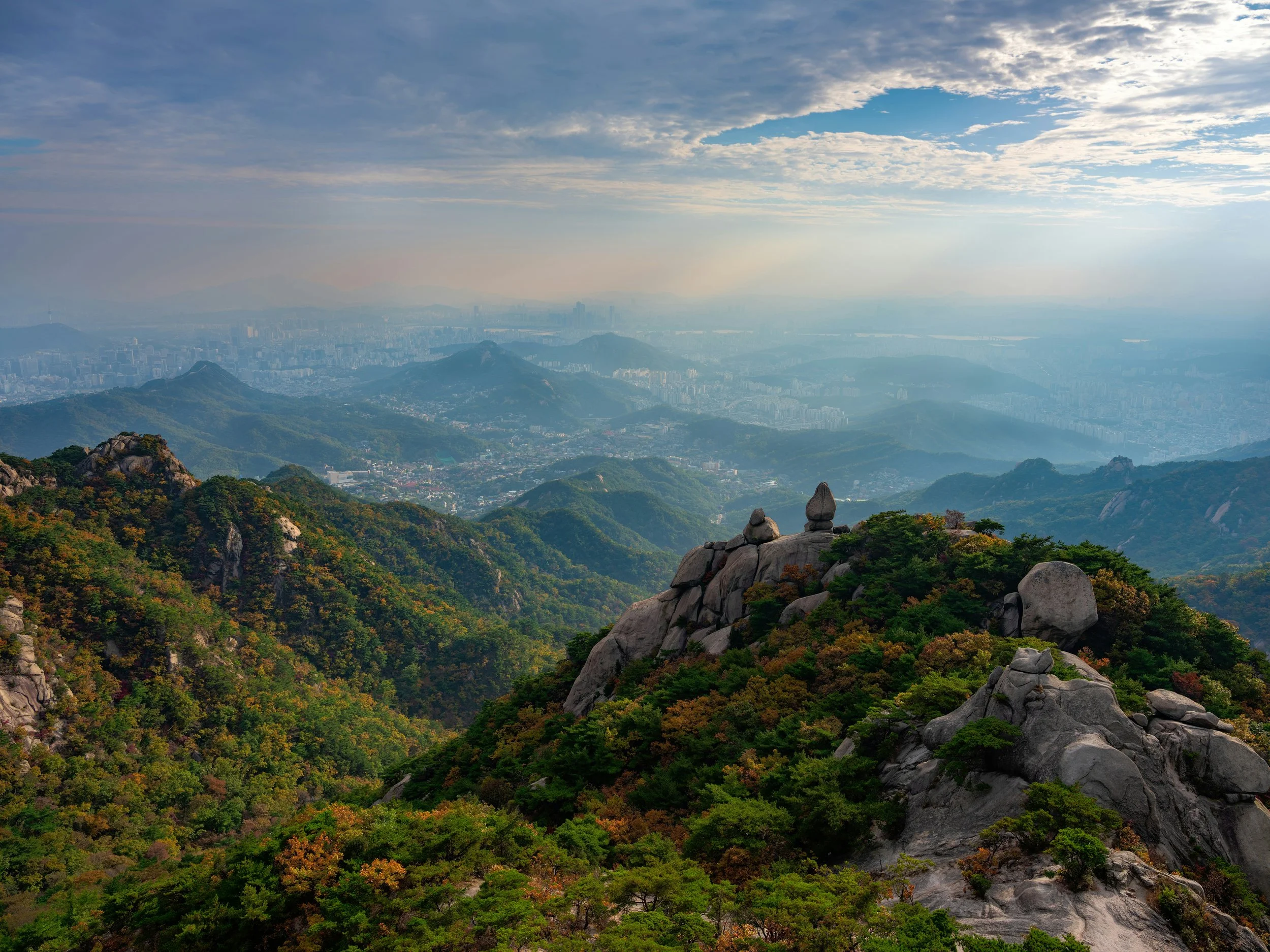
Bukhansan by Elliot Gouy

The landscape of Bukhansan is dominated by its majestic peaks, with Baegundae being the highest at 836.5 meters. The ascent to Baegundae is popular among hikers, offering stunning panoramic views of the surrounding area upon reaching the summit. The trail varies in difficulty; some paths are well-maintained and accessible to those with moderate fitness levels, while others challenge even the most seasoned climbers. Regardless of the chosen route, each hike effectively immerses participants in the tranquil surroundings of nature, providing a welcome respite from urban life.

Hiking in Bukhansan is not merely a physical activity but also a cultural journey. Scattered throughout the park are several historic sites, including ancient temples and fortresses. One notable site is the 15th-century Bukhansanseong Fortress, which served as a defensive structure during the Joseon Dynasty. Visitors can explore its well-preserved walls and gain insight into Korea's historical significance. Additionally, the park houses numerous Buddhist temples, such as Doseonsa and Jeongneungsa, where one can experience peace and spirituality amid the serene environment.

To enhance the visitor experience, Bukhansan National Park offers various facilities, including visitor centers and rest areas. The park authorities place a strong emphasis on conservation and sustainable tourism, implementing measures to protect its natural resources and promoting responsible hiking practices. Furthermore, educational programs and guided tours are available for those seeking to deepen their understanding of the region's ecology and history.

Seasonal changes in Bukhansan add another layer of charm to the park. In spring, cherry blossoms create a picturesque setting, while autumn foliage transforms the landscape into a tapestry of vibrant colors. In winter, snow-covered trails offer a unique charm and serenity, attracting those who enjoy a quieter experience amidst the stark beauty of nature. Each season provides a distinct perspective, ensuring that Bukhansan remains an appealing destination year-round.

Bukhansan National Park serves as a remarkable blend of natural beauty, cultural heritage, and recreational opportunities. As one of South Korea's most treasured national parks, it invites individuals from all walks of life to immerse themselves in the wonders of nature, while also appreciating the rich history that accompanies it. Whether through hiking, exploring cultural landmarks, or simply enjoying the serene atmosphere, Bukhansan continues to be a source of inspiration and rejuvenation for both locals and tourists alike.

Wrocław, Poland’s Overlooked Treasure

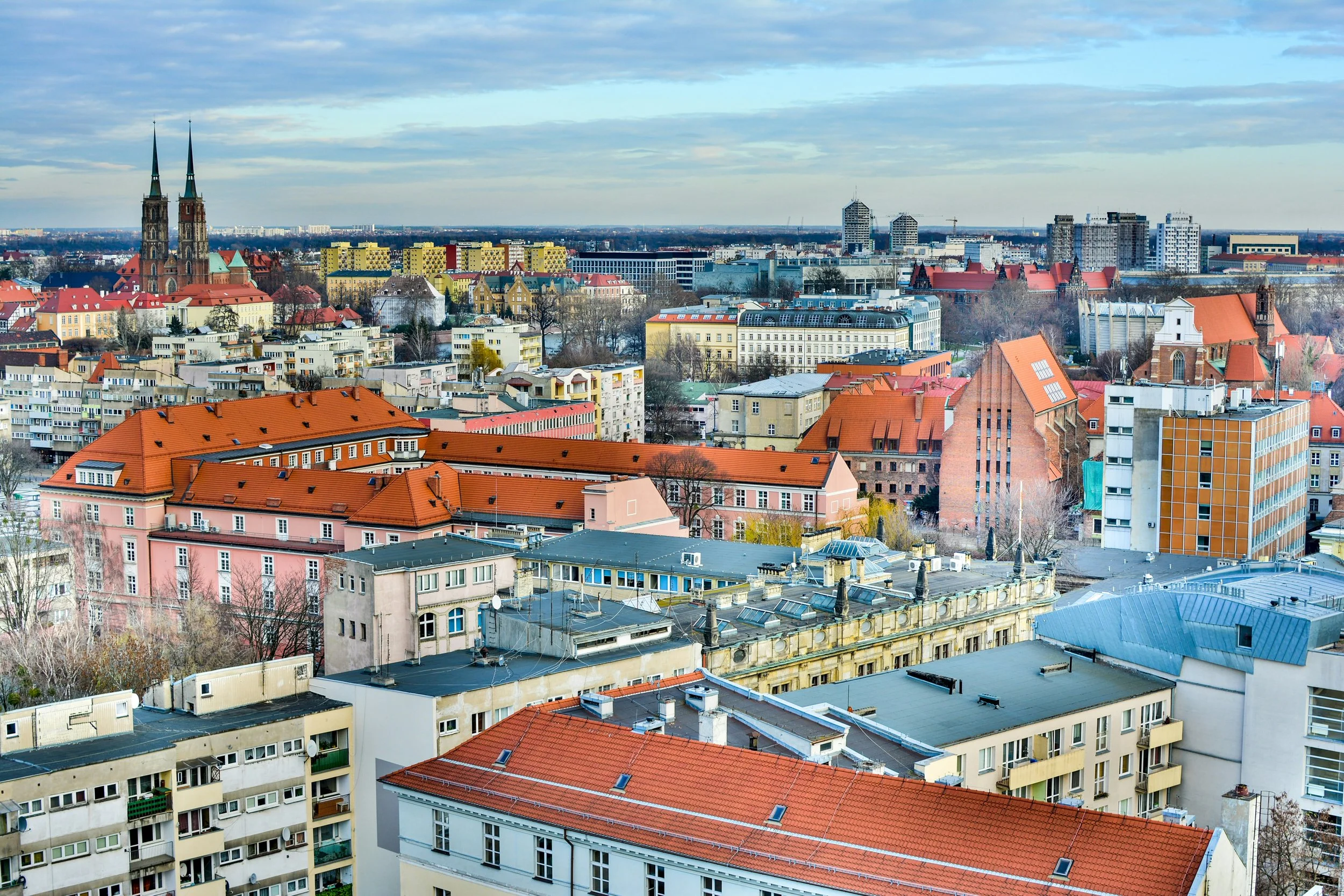
Wrocław, a vibrant city situated in southwestern Poland, is renowned for its rich history, stunning architecture, and cultural vitality. As the largest city in the Lower Silesian Voivodeship, Wrocław captivates visitors with its unique blend of old-world charm and modern-day attractions.

The historical significance of Wrocław dates back over a thousand years. Originally part of the Piast dynasty’s territory, the city has witnessed a tapestry of cultural influences, including German, Czech, and Jewish heritages. This diverse history is vividly reflected in its architecture, from Gothic cathedrals to Baroque palaces. The most iconic structure is the Wrocław Cathedral, located on Cathedral Island, known for its stunning twin towers and beautiful stained glass windows. The area around the cathedral, with its serene atmosphere and historic buildings, offers a perfect backdrop for reflection and exploration.

Wrocław by Serhii Pererva

One of the most enchanting aspects of Wrocław is its picturesque Old Town, which features a bustling market square, Rynek, at its heart. This square is home to the impressive Old Town Hall, a masterpiece of Gothic architecture that has stood the test of time. The surrounding cafes, restaurants, and shops create a lively ambiance, making it an ideal spot for both locals and tourists. The square also hosts various events and festivals throughout the year, showcasing the city's vibrant culture.

As one strolls through the cobbled streets of Wrocław, they may encounter the famous Wrocław dwarfs. These small bronze statues, scattered throughout the city, have become a symbol of Wrocław's quirky charm. Originating as a form of protest against the oppressive regime during the 1980s, the dwarfs now serve as a playful reminder of the city's resilience and creativity. Finding these whimsical figures is a delightful adventure for visitors, turning the exploration of the city into a treasure hunt.

Wrocław is also known for its thriving cultural scene. The National Museum offers a glimpse into the region's artistic heritage, featuring works from prominent Polish artists, while the unique Centennial Hall, a UNESCO World Heritage site, hosts a variety of concerts, exhibitions, and performances. The city's active theater scene, with numerous playhouses and festivals, reflects its commitment to the arts and provides entertainment for all tastes.

The beauty of Wrocław extends beyond its architectural wonders. The city is crisscrossed by the Oder River, offering picturesque waterfront views and opportunities for leisurely walks along the canals. Hydropolis, an innovative museum dedicated to water, provides an interactive experience that educates visitors about the importance of this precious resource, further enhancing Wrocław’s appeal as a unique urban destination.

Furthermore, Wrocław's gastronomy showcases a blend of traditional Polish and contemporary cuisines. Local restaurants offer hearty dishes such as pierogi and bigos, as well as international fare, reflecting the city’s multicultural influences. The vibrant food scene is complemented by numerous markets and festivals celebrating local produce and culinary creativity.

Wrocław stands out as a gem within Poland, enticing visitors with its rich history, architectural splendor, and cultural vibrancy. Whether exploring its historic streets, admiring its beautiful buildings, or indulging in its diverse culinary offerings, Wrocław promises an unforgettable experience for anyone willing to embrace its charm. It is a city that not only tells the story of its tumultuous past but also celebrates the spirit of its community and the beauty of its present.

The best ski resorts in the world V: Courchevel

Courchevel, nestled in the French Alps, is widely celebrated as one of the best ski resorts in the world. This prestigious destination is part of the larger Trois Vallées ski area, which is renowned for its extensive slopes and stunning landscapes. Courchevel offers a unique blend of luxury, a variety of activities, and exceptional skiing experiences, making it a top choice for winter sports enthusiasts from all corners of the globe.

One of the most compelling reasons to visit Courchevel is the impressive diversity of its slopes. The resort boasts over 150 kilometers of well-groomed pistes that cater to skiers of all abilities. From gentle greens ideal for beginners to challenging blacks that will test even the most experienced athletes, Courchevel provides options for everyone. Its elevation, ranging from 1,300 meters to 2,738 meters, ensures reliable snow conditions throughout the ski season, typically lasting from December to April. Furthermore, the extensive lift system, including high-speed gondolas and chairlifts, efficiently connects different sections of the resort, allowing skiers to explore vast areas without wasting time waiting in line.

Beyond skiing, Courchevel offers an array of activities that make it a holistic winter getaway. Visitors can indulge in snowboarding, cross-country skiing, and snowshoeing, or take advantage of the spectacular views through winter hiking trails. For those seeking relaxation, luxurious spas and wellness centers are available to rejuvenate weary bodies after a long day on the slopes. The resort also features a vibrant après-ski scene, with chic bars and gourmet restaurants offering a taste of French cuisine at its finest. Iconic places like La Grange and the famous Le Chabichou provide a perfect setting to unwind and socialize after an exhilarating day on the mountains.

Luxury is a significant aspect of Courchevel’s allure. It is home to some of the most opulent accommodations in the world, with chalets and hotels that redefine glamour. Many lodgings offer ski-in/ski-out access, ensuring convenience for guests. Additionally, various establishments boast Michelin-starred restaurants that highlight the region's culinary excellence. Staying in Courchevel is not just about comfort; it is an experience that includes exceptional service and attention to detail, whether it’s a private chef catering to your needs or concierge services organizing exclusive activities.

Moreover, Courchevel stands out for its family-friendly atmosphere. The resort has made significant investments in facilities and programs aimed at younger visitors. Ski schools offer professional instructors who are trained to teach children in a fun and engaging manner. Special zones, such as the dedicated children's park and the "Piou Piou" club, ensure that kids have their own space to learn and play safely. Such thoughtful considerations make it an ideal destination for families looking to enjoy winter sports together.

Courchevel is undeniably one of the best ski resorts in the world. Its diverse range of slopes, luxury accommodations, exceptional dining, and family-oriented amenities create an unparalleled winter vacation experience. Whether you are an experienced skier or a novice, Courchevel's charm and beauty offer something for everyone, solidifying its status as a premier destination for ski enthusiasts and holidaymakers alike.

Belo Horizonte: The Heart of Minas Gerais

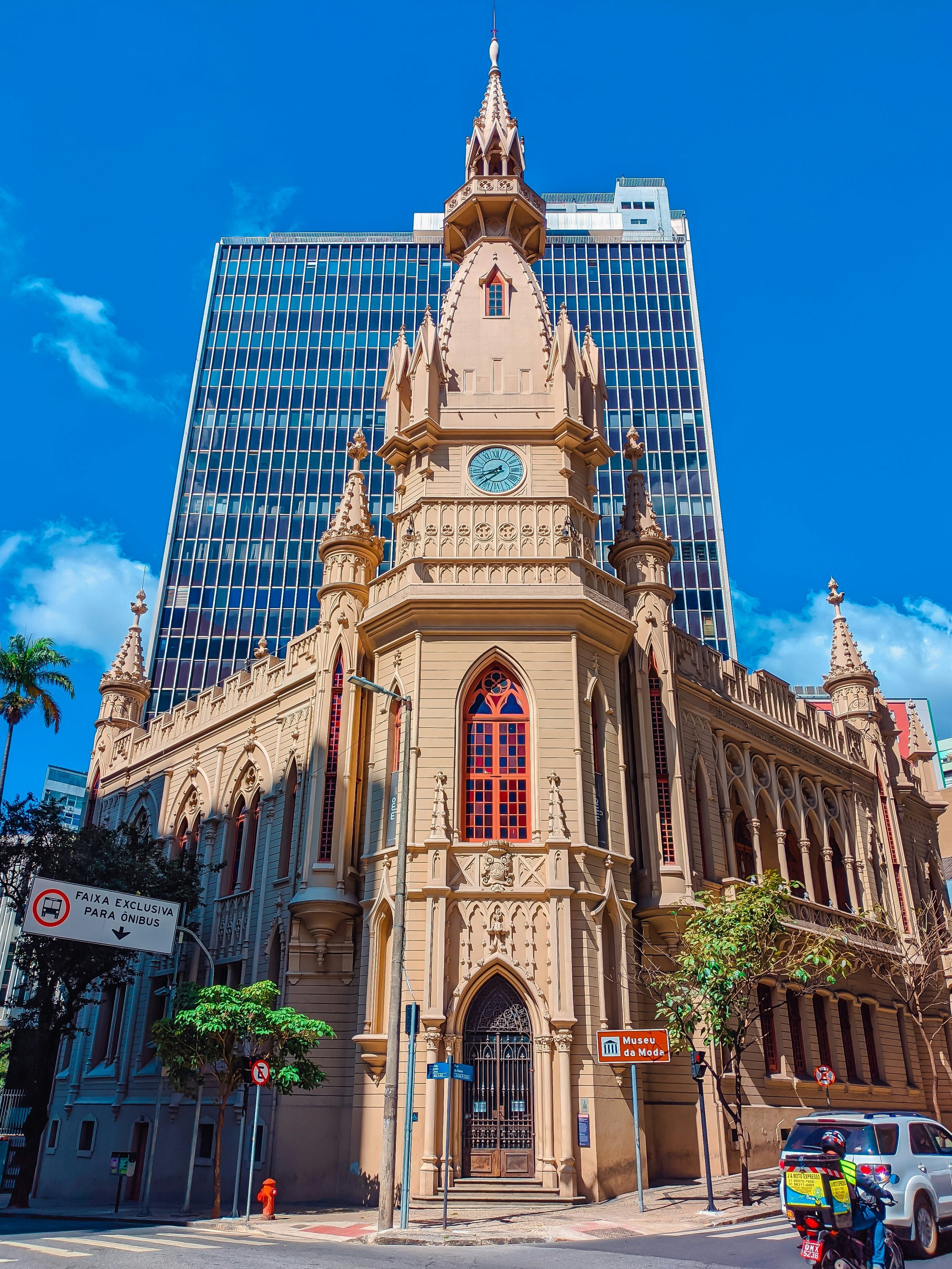
Nestled in the heart of Brazil, Belo Horizonte stands out as a city that beautifully balances urban life with lush natural landscapes. Known for its distinctive modernist architecture, rich cultural scene, and vibrant culinary offerings, Belo Horizonte offers visitors a glimpse into the soul of Brazil.

Belo Horizonte by Claiton Conto

One of the most striking features of Belo Horizonte is its architecture. The city was designed in the late 19th century by the urban planner Aarão Reis, who envisioned a modern, organized urban space. A hallmark of this vision is the Pampulha Modern Ensemble, a UNESCO World Heritage site that includes the iconic Church of Saint Francis of Assisi, designed by the renowned architect Oscar Niemeyer. The sweeping curves and bold lines of Niemeyer's work, set against the backdrop of Pampulha Lake, showcase the seamless integration of architecture and nature. Visitors can take leisurely strolls around the lake, appreciating both the artistic merit of the structures and the tranquility of the surrounding gardens.

Cultural experiences abound in Belo Horizonte, often referred to affectionately as "BH" by locals. The city is home to a thriving arts scene, with numerous galleries, theaters, and museums that reflect its diverse history and contemporary creativity. The Inhotim Institute, located just outside the city, is an open-air contemporary art museum that combines stunning landscape design with impressive installations by both Brazilian and international artists. With its beautiful gardens and art collection, Inhotim is a must-visit for anyone interested in the intersection of nature and art.

Moreover, Belo Horizonte is celebrated for its gastronomy, particularly its traditional food, which has earned national recognition. The city boasts an abundance of bars and restaurants specializing in "comida mineira," the cuisine from the state of Minas Gerais. Signature dishes such as pão de queijo (cheese bread), feijão tropeiro (a bean dish with sausage and eggs), and the beloved pastel de angu (cornmeal pastry) reflect the region's agricultural richness and culinary tradition. Additionally, the city is famous for its botecos, casual bars where locals gather to enjoy drinks and hearty snacks. The vibrant atmosphere of these establishments is a testament to the city's communal spirit and love for good food.

Beyond its cultural and culinary offerings, Belo Horizonte is surrounded by stunning natural landscapes. The Serra do Curral mountain range provides a breathtaking backdrop to the city and offers numerous hiking trails that reveal panoramic views of the urban sprawl below. The Parque das Mangabeiras, one of the largest parks in the city, is a popular escape for residents and visitors alike, featuring scenic trails, picnic spots, and opportunities for birdwatching. The park's design harmonizes with the natural beauty of the mountains, making it a perfect retreat from the hustle and bustle of city life.

Belo Horizonte is a vibrant city that encapsulates the essence of Brazil through its unique blend of modern architecture, rich culture, delicious cuisine, and the natural beauty that surrounds it. Whether one is exploring its bustling streets, indulging in local flavors, or admiring the artistic marvels of Inhotim, Belo Horizonte invites all to discover its charm and warmth. It is a city that not only celebrates its heritage but also embraces the future, making it an essential destination for anyone seeking to understand the heart of Brazil.

Great National Parks XLVII: Swiss

Nestled in the eastern Alps of Switzerland, the Swiss National Park stands as a testament to the country’s commitment to preserving its natural beauty. Established in 1914, it is the oldest national park in the Alps and covers an impressive area of 68,000 acres. This unique sanctuary, characterized by its stunning landscapes, diverse ecosystems, and rich wildlife, offers an unparalleled opportunity for exploration and adventure.

At the heart of the park lies a rugged terrain that includes deep valleys, lush meadows, and towering peaks. The park's elevation ranges from 1,400 to 3,200 meters, providing various microclimates and habitats that support an array of flora and fauna. Visitors are greeted with breathtaking views dominated by the majestic Piz Linard and Piz Buin, two iconic mountains that form part of the park’s picturesque skyline. The stark contrast between the lush green valleys and the stark, rocky mountain faces creates a visual feast for nature enthusiasts and photographers alike.

As one ventures deeper into the park, the intricate network of trails invites exploration. There are numerous hiking paths ranging from easy walks to more challenging treks, suitable for both seasoned hikers and casual walkers. One of the popular routes is the trail leading to the Fuorcla Val Sassa, which rewards adventurers with panoramic views of the surrounding peaks and valleys. Along the way, hikers can discover an abundance of wildflowers, including the colorful Alpine roses and delicate edelweiss, which bloom amidst the rocky terrain during the summer months.

Wildlife is a central highlight of any visit to Swiss National Park. The park is home to over 80 species of mammals, including chamois, ibex, red deer, and the elusive golden eagle. The efforts of conservationists have led to a healthy population of these animals, and lucky visitors might spot them grazing in the meadows or soaring above the cliffs. Birdwatchers will appreciate the diversity of avian life, with opportunities to see various migratory and resident species inhabiting the park's different habitats.

The Swiss National Park is also dedicated to research and education, providing insights into the importance of protecting alpine ecosystems. The park features informative visitor centers where guests can learn about the unique biodiversity and the ecological significance of the area. Guided tours and educational programs are available, allowing visitors to gain a deeper understanding of the natural world and the conservation efforts in place to protect it.

In addition to hiking and wildlife watching, the park offers winter sports enthusiasts a chance to experience its beauty in a different light. During the winter months, cross-country skiing and snowshoeing trails are maintained, allowing for exploration of the serene winter landscape. The tranquility of the snowy expanse, combined with the stunning backdrop of snow-capped peaks, provides a magical experience for outdoor lovers.

Swiss National Park is a jewel in Switzerland’s crown, offering a blend of natural beauty, adventure, and education. Whether you are hiking through its diverse trails, observing its rich wildlife, or simply soaking in the breathtaking views, the park promises an unforgettable experience. As visitors navigate this pristine wilderness, they not only connect with nature but also contribute to the ongoing efforts to preserve this exceptional environment for future generations. A visit to Swiss National Park is not just a trip; it is a journey into the heart of nature that leaves lasting impressions.

Sofia, the capital of Bulgaria

Sofia, the capital of Bulgaria, is a captivating city steeped in history, culture, and natural beauty. Nestled at the foot of the Vitosha Mountain, Sofia is one of the oldest cities in Europe, with a rich heritage that dates back over 2,000 years. The city's name is derived from the Church of St. Sofia, which has stood since the 6th century and symbolizes the resilience of this vibrant metropolis.

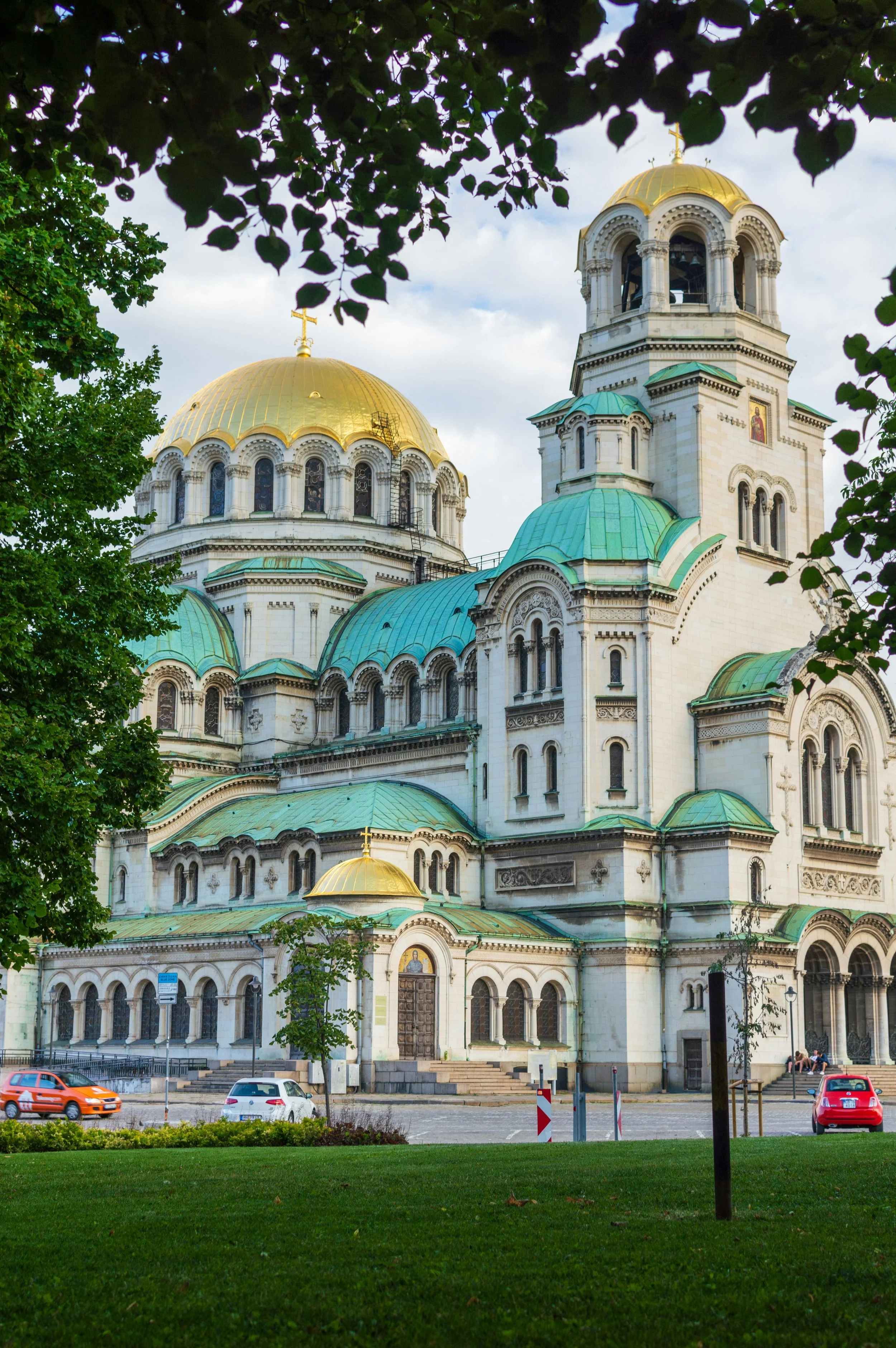
One of the most striking features of Sofia is its eclectic architecture, which reflects the diverse influences that have shaped the city throughout the ages. Visitors can marvel at the imposing Alexander Nevsky Cathedral, a stunning example of neo-Byzantine architecture, adorned with golden domes that shine brightly against the Bulgarian sky. The cathedral, completed in the early 20th century, is not only a religious site but also a national symbol, representing Bulgarian identity and pride. In contrast, the nearby National Assembly building showcases a more austere neoclassical design, offering a glimpse into the political history of the country.

Sofia by Alf Redo

As one strolls through the streets of Sofia, the blend of old and new becomes evident. Traditional Bulgarian houses coexist harmoniously with modern cafes and shops, creating a vibrant urban tapestry. The city center is particularly lively, where locals and tourists alike gather around Vitosha Boulevard, the main shopping street lined with trendy boutiques, cozy eateries, and outdoor terraces perfect for people-watching. Here, visitors can taste traditional Bulgarian cuisine, featuring hearty dishes like banitsa (a pastry filled with cheese) and kavarma (a slow-cooked meat dish), all while savoring the warm and welcoming atmosphere.

A visit to Sofia would be incomplete without exploring its numerous parks and green spaces, which provide a refreshing escape from the urban hustle. Borisova Gradina is the oldest and most popular park in Sofia, offering picturesque pathways, serene lakes, and meticulously maintained gardens. This lush oasis is ideal for leisurely walks or picnics, and it frequently hosts cultural events and concerts, adding to the city's vibrant social life. The proximity to Vitosha Mountain also invites outdoor enthusiasts to indulge in hiking, skiing, or simply taking in the panoramic views of Sofia and beyond.

Cultural exploration is abundant in Sofia, as evidenced by the city's numerous museums and galleries. The National Archaeological Museum houses a vast collection of artifacts, showcasing Bulgaria’s rich history from the prehistoric era through the Roman Empire. Meanwhile, contemporary art lovers will appreciate the Sofia City Art Gallery, which features works by prominent Bulgarian artists, offering insights into the country's modern artistic landscape.

In addition to its historical and cultural attractions, Sofia is a hub for education and innovation. With several universities and research institutions, the city attracts students and professionals from around the world, contributing to a dynamic and youthful energy. This academic environment fosters creativity and entrepreneurship, making Sofia a rising star in the Balkan region.

Navigating the city is effortless, thanks to its efficient public transportation system, including buses, trams, and a convenient metro network. This accessibility allows visitors to fully immerse themselves in Sofia's diverse neighborhoods and uncover hidden gems off the beaten path.

Sofia is a city that beautifully marries history with modernity, offering an array of experiences for every traveler. From its stunning architectural landmarks to its rich cultural offerings and natural surroundings, Sofia invites exploration and promises memories that will linger long after the journey ends. Whether one is drawn by its ancient roots or its vibrant present, Sofia stands proud as a testament to Bulgaria's enduring spirit and charm.

The best ski resorts in the world IV: Niseko

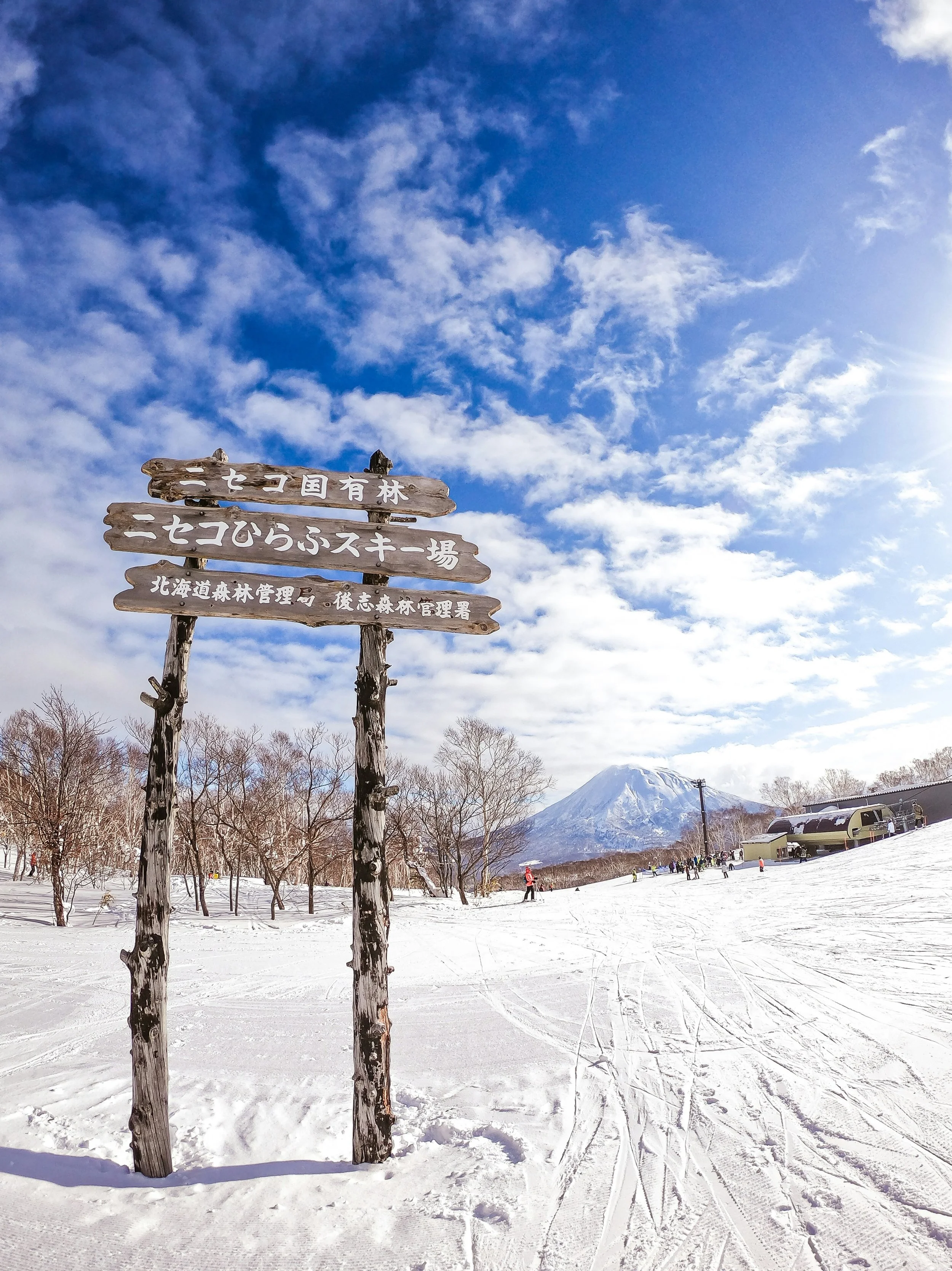
Niseko Ski Resort, located on the northern island of Hokkaido, Japan, is renowned for its exceptional skiing conditions, breathtaking landscapes, and vibrant culture. It has become a premier destination for winter sports enthusiasts from around the globe, known especially for its powder snow, which is often described as some of the best in the world. The allure of Niseko goes beyond just skiing; it encompasses a unique blend of natural beauty, hospitality, and a rich cultural experience.

The resort is divided into four main areas: Grand Hirafu, Hanazono, Niseko Village, and Annupuri. Among these, Grand Hirafu is the most popular and lively, featuring a wide variety of accommodations, dining options, and nightlife. The area boasts numerous runs that cater to all skill levels, from beginners to expert skiers seeking challenging terrains. The well-groomed slopes and abundant snowfall create an inviting environment for both novices learning the ropes and seasoned veterans honing their skills.

One of Niseko’s standout features is its incredible powder snow. The region benefits from cold winds picking up moisture from the nearby Sea of Japan, resulting in light and fluffy snow that accumulates in deep layers. This phenomenon attracts not only regular tourists but also avid powder hounds, who come specifically for the thrill of off-piste skiing and snowboarding. The resort offers guided backcountry tours, allowing adventurous visitors to explore untouched snowfields while receiving valuable insights from experienced local guides about safety and terrain.

Beyond skiing, Niseko is steeped in a rich cultural tapestry. The region is home to various onsen (hot springs), which provide a perfect way to unwind after a long day on the slopes. The soothing mineral-rich waters are nestled in picturesque settings, offering views of the mountains and serene surroundings. Popular choices include the Yukichichibu Onsen and the Hilton Niseko Village’s onsen, each providing a relaxing escape with traditional Japanese aesthetics. Visitors can immerse themselves in the local customs, bathing in warm waters while enjoying the stunning snowy vistas.

Culinary experiences in Niseko are equally enticing. The area is famed for its farm-fresh produce and seafood, which are skillfully incorporated into various dining experiences. From gourmet restaurants offering multi-course kaiseki meals to cozy izakayas serving hearty local dishes, there is something to satisfy every palate. Notable dishes include fresh sushi, ramen, and Hokkaido's famous soup curry. Additionally, Niseko’s thriving café culture provides ample opportunities to savor artisanal coffee and delicious pastries.

Niseko by Eric Ward

As evening descends, Niseko begins to radiate a different charm. The twinkling lights of restaurants and bars create a festive atmosphere. For those looking for entertainment off the slopes, various activities are available, such as snowshoeing, snowmobiling, and even ice fishing. Families can enjoy sledding and tubing, making the resort a family-friendly destination.

Overall, Niseko offers much more than just outstanding skiing; it provides a diverse range of experiences that appeal to all types of visitors. The combination of world-class snow, breathtaking landscapes, cultural richness, and delectable cuisine makes Niseko a must-visit location for anyone seeking an unforgettable winter getaway. Whether one is carving through powder on the slopes, soaking in a hot spring, or indulging in local delicacies, Niseko represents a harmonious blend of adventure and tranquility that captivates the hearts of many.

Pittsburgh: Exploring the Steel City

Pittsburgh, often referred to as the "Steel City," is a vibrant urban landscape that melds rich history with dynamic modernity. Nestled at the confluence of the Allegheny, Monongahela, and Ohio rivers, this city in southwestern Pennsylvania has undergone a remarkable transformation from its industrial roots to a hub for technology, healthcare, and education.

One of Pittsburgh’s most iconic features is its skyline, characterized by the stunning juxtaposition of historical architecture and contemporary design. The downtown area, known for its towering skyscrapers, provides a striking view, particularly from the vantage point of Mount Washington. This neighborhood offers panoramic views of the entire cityscape and is a favorite spot for both locals and tourists alike. A ride on the Duquesne Incline, a historic funicular railway, adds an element of adventure to the experience, allowing visitors to ascend the steep hill while savoring breathtaking views of the rivers and bridges that define Pittsburgh’s landscape.

Pittsburgh by Joshua Peacock

The city is also renowned for its rich cultural scene. The Cultural District, home to numerous theaters, galleries, and museums, showcases Pittsburgh's commitment to the arts. The Andy Warhol Museum, dedicated to the works of the famous pop artist and Pittsburgh native, houses an extensive collection of his art, film, and archival materials. This museum exemplifies the city’s creative spirit and serves to inspire future generations of artists. Additionally, the Carnegie Museum of Art and the Carnegie Natural History Museum offer a dive into both the world of art and science, each providing a unique perspective on global and local histories.

Pittsburgh’s diverse neighborhoods contribute significantly to its character. Each area boasts distinct cultures and communities, from the Italian influence in the Strip District, where one can enjoy delicious cuisine and vibrant markets, to Lawrenceville, known for its hipster vibe, eclectic shops, and artistic murals. Squirrel Hill, predominantly characterized by its Jewish culture, offers an array of kosher eateries and is home to one of the oldest synagogues in the country. As one strolls through these neighborhoods, the embrace of community spirit and a sense of belonging is palpable.

Another remarkable aspect of Pittsburgh is its educational institutions. The city is home to reputable universities such as Carnegie Mellon University and the University of Pittsburgh, both of which attract students and researchers from around the globe. These institutions have sparked innovation and creativity, contributing to the city’s reputation as a rising tech center, often likened to Silicon Valley. The collaboration between academia and industry fosters a fertile ground for startups and technological advancements, further enhancing Pittsburgh’s economic landscape.

Nature lovers will find solace in Pittsburgh’s abundant green spaces. The city is well-known for its parks, including Schenley Park and Point State Park, which provide a refreshing escape from urban life. These parks offer hiking trails, picnic areas, and scenic views, making them perfect spots for outdoor activities or leisurely strolls.

Pittsburgh is a city that beautifully intertwines its past with the present. Its historical significance, vibrant neighborhoods, rich cultural offerings, and educational prowess create a mosaic of experiences for residents and visitors alike. As it continues to evolve, Pittsburgh stands as a testament to resilience and transformation, inviting exploration and appreciation from all who venture into its embrace.

Great National Parks XLVI: Table Mountain

Table Mountain National Park, an iconic symbol of South Africa, is a breathtaking natural reserve that attracts millions of visitors each year. Located in Cape Town, it encompasses not only the famous Table Mountain but also the surrounding mountainous landscapes, breathtaking coastlines, and vibrant ecosystems. This national park offers a unique blend of geological wonder, rich biodiversity, and cultural significance, making it a must-visit destination for nature enthusiasts and tourists alike.

At the heart of Table Mountain National Park lies the stunning Table Mountain itself, a flat-topped mountain that rises over 1,000 meters above sea level. Its remarkable shape has been sculpted over millions of years by extensive geological processes, rendering it one of the oldest mountains in the world. The mountain is crowned with a variety of fynbos vegetation, a type of shrubland found only in the Cape Floristic Region, which is recognized as a UNESCO World Heritage Site. The fynbos showcases an incredible diversity of plant life, with more than 1,500 species of plants, many of which are endemic to the area. This rich botanical diversity makes Table Mountain a hotspot for researchers and botanists from around the globe.

Adventure seekers can explore the myriad of hiking trails that meander through the park, ranging from easy walks to challenging climbs. The most popular hike, the Platteklip Gorge, offers a steep ascent directly up the mountain face and rewards hikers with panoramic views of Cape Town, the Atlantic Ocean, and the surrounding coastline. For those who prefer a more leisurely experience, the aerial cableway provides easy access to the summit, allowing visitors to soak in the breathtaking vistas without the strenuous effort. Regardless of the chosen method, witnessing the sunset from the top of Table Mountain is a spectacular sight that embodies the natural beauty of the region.

The park also plays host to an array of wildlife, showcasing the diverse fauna that inhabits this unique ecosystem. Visitors may encounter various mammals such as the iconic dassie (rock hyrax), a creature often seen sunbathing on the rocks, as well as numerous bird species, including the striking Cape Sugarbird. The marine environment along the coastline further enhances the park's biodiversity, with opportunities for spotting seals, dolphins, and even whales during certain seasons. The Coasteering route offers adventurers the chance to explore rock pools and the cliffside, while snorkeling and diving experiences allow for an intimate look at the rich underwater life.

Culturally, Table Mountain National Park is woven into the history and identity of Cape Town. It holds significant importance to the local indigenous tribes, including the Khoisan people, who have inhabited the region for thousands of years. The mountain is intertwined with local folklore and stories, adding a layer of cultural richness to its already stunning landscape. Furthermore, the park serves as a backdrop for numerous cultural events and festivals throughout the year, celebrating the diverse heritage of the surrounding communities.

Table Mountain National Park is a treasure trove of natural beauty, biodiversity, and cultural significance. Whether exploring its rugged trails, reveling in the awe of its scenic views, or immersing oneself in its cultural history, visitors are bound to leave with a deeper appreciation for this remarkable destination. The park stands not only as a testament to nature’s grandeur but also as a vital part of South Africa's identity, inviting everyone to explore and connect with its majestic landscape.

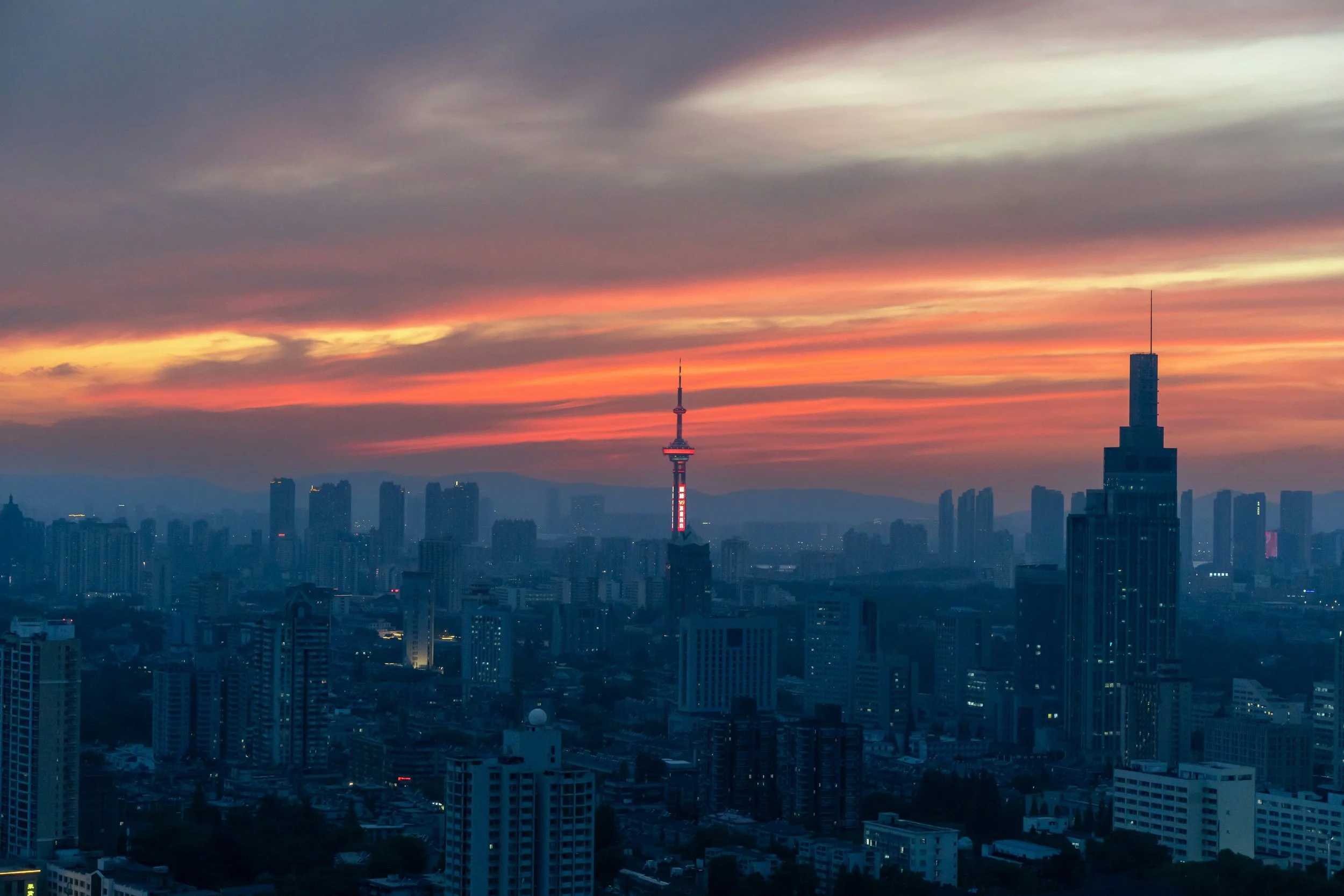
Nanjing, the ancient capital of China

Nanjing, the capital of Jiangsu Province in eastern China, is a city rich in history and culture. It boasts a vibrant blend of ancient heritage and modern development, attracting travelers from around the world. Known historically as the capital for several dynasties, including the Ming Dynasty, Nanjing holds a significant place in Chinese history, making it an essential destination for both tourists and scholars.

Nanjing by Tianyang Zheng

One of the most iconic landmarks in Nanjing is the Ming Xiaoling Mausoleum, the tomb of the Hongwu Emperor, the first emperor of the Ming Dynasty. This UNESCO World Heritage site, which dates back to the 14th century, exemplifies magnificent traditional Chinese architecture and provides visitors with insight into the imperial history of the region. The approach to the mausoleum features the Spirit Way, a path flanked by stone sculptures of animals and officials that serve as guardians of the tomb. Walking along this pathway feels like stepping back in time, allowing one to appreciate the grandeur of China’s imperial past.

Another historical site of great importance is the Nanjing Massacre Memorial Hall, dedicated to the victims of the Nanjing Massacre during the Second Sino-Japanese War. This museum serves as a somber reminder of the atrocities of war and highlights the importance of peace and reconciliation. Through haunting exhibits, photographs, and survivor testimonies, the memorial educates visitors about this dark chapter in history, aiming to instill a sense of respect and reflection.

Beyond its historical significance, Nanjing also offers stunning natural beauty. Xuanwu Lake, located at the foot of Purple Mountain, is a scenic area where locals and tourists gather to relax, exercise, and enjoy nature. The lake is surrounded by lush gardens, walking paths, and pavilions, making it a perfect spot for picnicking or simply taking in the serene landscape. The backdrop of Purple Mountain adds to the picturesque setting, especially during autumn when the leaves change color, creating a vibrant tapestry of reds and yellows.

Shopping enthusiasts will find Nanjing’s bustling markets and modern shopping centers delightful. The Hunan Road shopping district is filled with a variety of shops, from international brands to local boutiques, offering a wide range of products. Nanjing is also renowned for its culinary scene, with dishes like salted duck and dumplings being must-tries. Exploring the food stalls and restaurants provides a rich sensory experience, as visitors can savor the unique flavors that define the city’s cuisine.

Furthermore, Nanjing is a city that embraces modernity while preserving its historical essence. The city's skyline features contemporary architecture, including the impressive Nanjing Yangtze River Bridge, which symbolizes the connection between the past and the present. This bridge not only connects Nanjing to its neighboring areas but also stands as an engineering marvel reflecting China's rapid development.

Exploring Nanjing offers a multifaceted experience rich in culture, history, and natural beauty. From the ancient relics of the Ming Dynasty to the poignant reminders of the past in the Memorial Hall, each aspect of the city tells a story waiting to be discovered. Nestled amid beautiful landscapes and modern urban life, Nanjing invites visitors to delve into its heritage while enjoying the comforts of contemporary life. A visit to this remarkable city promises both enlightenment and enjoyment, making it a noteworthy stop on any traveler’s itinerary.

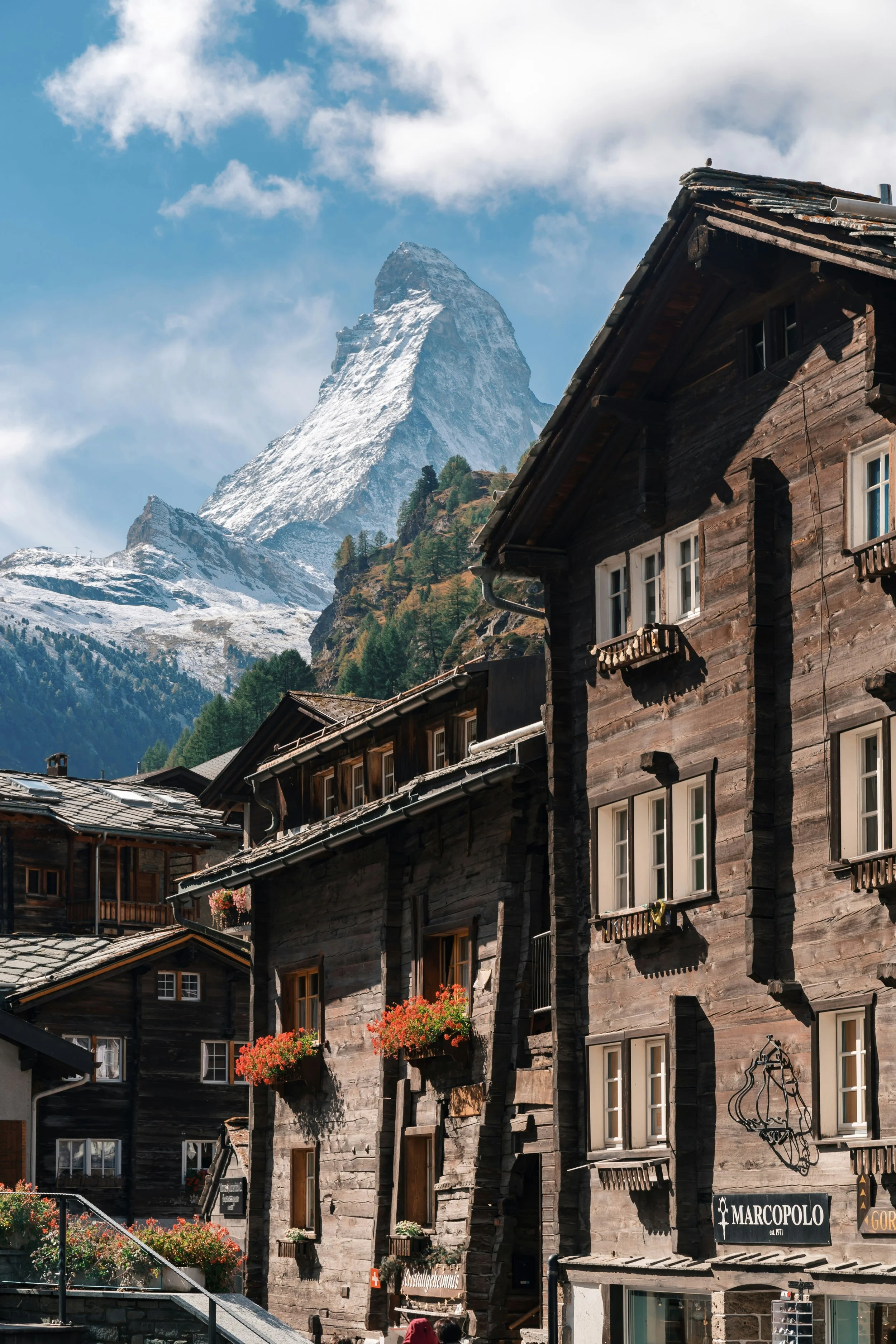
The best ski resorts in the world III: Zermatt

Nestled in the Swiss Alps, Zermatt stands as one of the premier ski resorts in the world. This enchanting village, shadowed by the iconic Matterhorn, offers not only breathtaking scenery but also an unmatched skiing experience that attracts winter sports enthusiasts from across the globe. With its charming ambiance, extensive skiing terrain, and commitment to sustainability, Zermatt deserves its reputation as a top destination for ski lovers.

One of the most compelling features of Zermatt is its stunning location. The village sits at an altitude of 1,620 meters (5,310 feet), surrounded by fourteen peaks exceeding 4,000 meters. The backdrop provided by the Matterhorn, one of the most photographed mountains in the world, creates a picturesque setting that enhances the skiing experience. Visitors can gaze at the sheer beauty of snow-capped summits, glistening under the sun's rays, while enjoying their time on the slopes.

Zermatt by Daniel Cox

Zermatt boasts an impressive ski area, offering over 360 kilometers of ski runs catering to all levels of skiers. The extensive terrain includes everything from gentle slopes suitable for beginners to challenging black runs that thrill advanced skiers. One of the highlights is the high-altitude skiing available on the Theodul Glacier, which guarantees snow conditions even during warmer months. This glacier is often described as a skier’s paradise, with wide-open runs and stunning panoramic views.

For snowboarders, Zermatt does not disappoint either. The resort features several parks equipped with jumps, rails, and other structures allowing for creative expression and excitement. Additionally, the varied terrain ensures that snowboarders can navigate through powder-filled glades, wide pistes, and thrilling off-piste areas, making it an ideal environment for both freestyle and backcountry enthusiasts.

Moreover, Zermatt is known for its commitment to sustainability. As a car-free village, visitors either arrive by train or electric taxi, ensuring a clean and tranquil environment. This initiative reflects the locals' dedication to preserving the breathtaking natural beauty of the region. The resort has engaged in efforts to maintain eco-friendly practices throughout the skiing experience, including investments in renewable energy and efforts to minimize waste. Skiers can enjoy their adventures knowing they are contributing to the preservation of such a unique environment.

Beyond skiing, Zermatt offers a vibrant après-ski scene and various activities that enrich the experience. The village’s charming streets are filled with boutique shops, gourmet restaurants, and cozy bars. After a day on the slopes, visitors can indulge in Swiss cuisine, sampling delicacies like fondue and raclette while enjoying the company of friends and fellow adventurers. For those seeking relaxation, there are numerous wellness facilities, including spas and hot tubs, providing a perfect way to unwind after an exhilarating day of skiing.

Overall, Zermatt encapsulates the essence of a world-class ski resort. With its spectacular alpine scenery, diverse ski terrain, commitment to sustainability, and a lively atmosphere, it offers an unforgettable experience for all who visit. Whether one is carving down the slopes, savoring delicious food, or simply marveling at the majestic Matterhorn, Zermatt stands out as a top choice for winter sports enthusiasts worldwide. As the season begins, it beckons avid skiers and casual tourists alike to come and explore the enchanting allure that only Zermatt can provide.

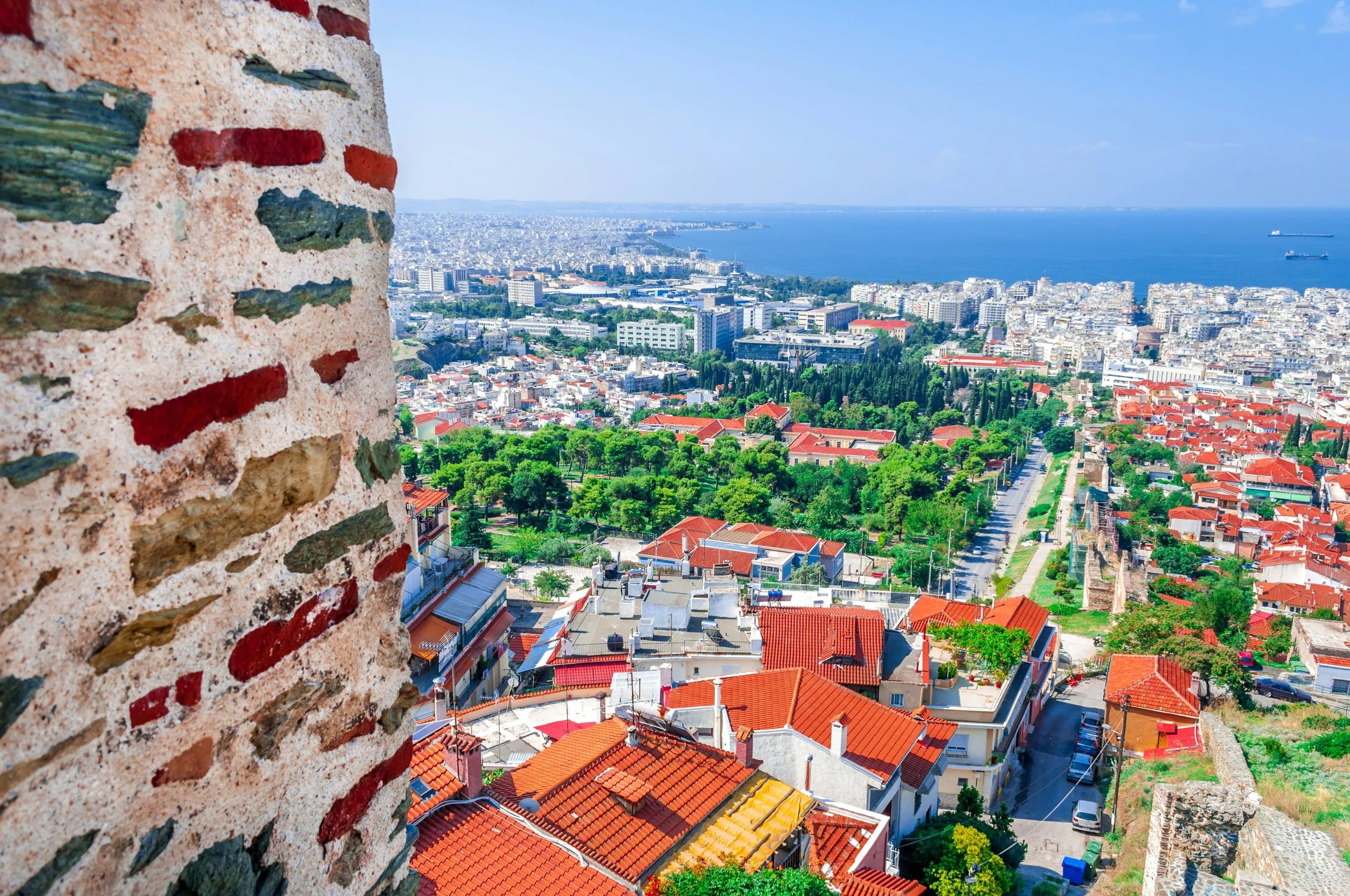
Thessaloniki: Greece’s Second-Largest City

Thessaloniki, Greece's second-largest city, is a vibrant tapestry of history, culture, and modernity. Nestled on the Thermaic Gulf, it serves as a significant cultural and economic hub that attracts visitors from around the globe. With its rich Byzantine heritage, bustling markets, and lively atmosphere, Thessaloniki invites exploration and discovery.

One of the most striking features of Thessaloniki is its historical architecture, which tells the story of the city through the ages. The White Tower, a 15th-century monument that stands as a symbol of the city, offers stunning views of the coastline and serves as a museum today. Its presence is a reminder of the city's Ottoman past, while nearby structures, such as the Rotunda and the Arch of Galerius, reflect ancient Roman influences. The city's extensive Byzantine heritage is best appreciated through its many churches, including the awe-inspiring Hagios Demetrios, dedicated to the patron saint of the city, and the Church of Agia Sophia, which showcases exquisite mosaics reminiscent of Istanbul’s famous Hagia Sophia.

Thessaloniki by Dragos Gontariu

Moreover, Thessaloniki possesses a dynamic cultural scene that flourishes throughout the year. The International Film Festival held annually draws filmmakers and cinephiles alike, showcasing independent films from around the world. The city is also renowned for its vibrant nightlife, particularly in the Ladadika district, where traditional taverns and modern bars coexist harmoniously. With an array of local and international cuisine, visitors can indulge in dishes like souvlaki, moussaka, and fresh seafood, all complemented by a glass of ouzo or raki.

For those seeking a taste of local life, the Modiano Market is a must-visit. This bustling marketplace offers an authentic experience, with vendors selling fresh produce, spices, and local delicacies. The atmosphere is alive with conversation, laughter, and the enticing aromas of traditional Greek cooking. It’s a perfect spot to interact with the locals and gain insight into the culinary traditions that define Thessaloniki.

In addition to its historical and culinary appeal, Thessaloniki is also home to numerous festivals that celebrate its diverse culture. The annual Doc Fest highlights documentary filmmaking, shedding light on pressing global issues, while the Thessaloniki Biennale of Contemporary Art showcases the works of contemporary artists, both local and international. These events not only promote cultural exchange but also elevate Thessaloniki’s status as a center for artistic expression.

The natural beauty surrounding Thessaloniki adds another layer to its allure. The nearby Mount Olympus, steeped in mythology, beckons adventurers and nature enthusiasts. The beaches along the Halkidiki peninsula are within easy reach, offering sun-soaked relaxation just a short drive from the city. Whether lounging on sandy shores or hiking trails that trace the contours of the mountain, visitors are treated to breathtaking views and a chance to connect with nature.

Thessaloniki is a city that seamlessly blends history, culture, and modernity, making it a unique destination for exploration. Its impressive historical sites, vibrant markets, and rich cultural events create an engaging experience for all who visit. As travelers meander through its streets, they will discover a city that pulses with life, inviting them to explore its depths and embrace its charm. With each turn, Thessaloniki reveals another layer of its identity, ensuring that every visit is memorable and enriching.

Great National Parks XLV: Huascarán

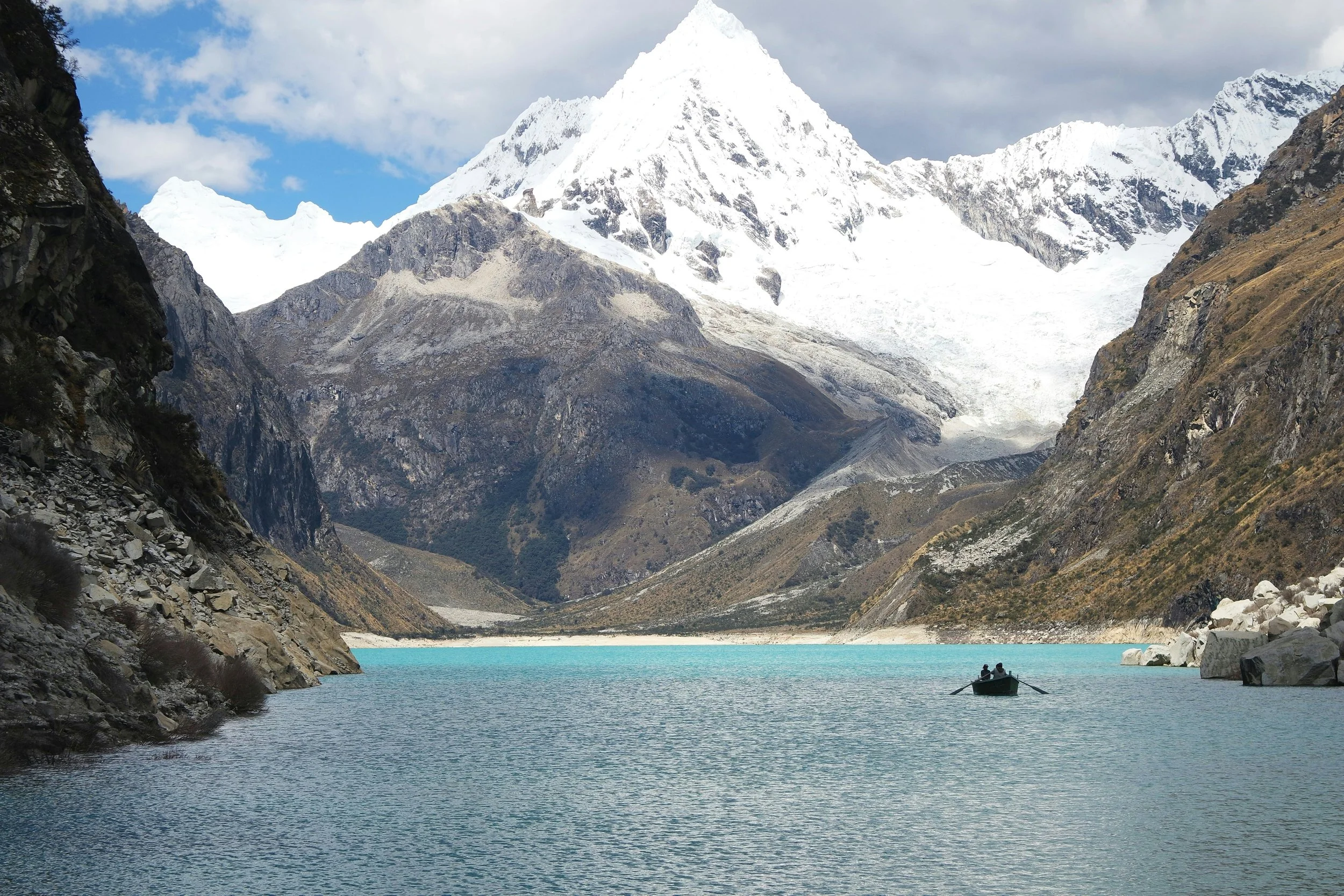
Nestled in the heart of Peru's Andes mountain range, Huascarán National Park stands as a testament to nature's grandeur. Spanning over 340,000 hectares, this UNESCO World Heritage site is renowned not only for its stunning landscapes but also for its rich biodiversity and cultural significance. Home to the highest peak in Peru, Huascarán Mountain, which rises to an impressive 6,768 meters, the park attracts adventurers and nature lovers from around the globe.

Huascarán National Park features an astonishing array of ecosystems, ranging from high-altitude deserts to lush valleys. The varied climate and elevation create unique habitats that support a diverse range of flora and fauna. Over 700 species of plants have been documented in the park, including the iconic Puya raimondii, known as the world’s largest bromeliad. Wildlife enthusiasts may spot species such as the Andean condor, the elusive vicuña, and even the endangered spectacled bear. This variety, set against the backdrop of breathtaking glaciers and turquoise lakes, makes for an unforgettable experience.

Huascarán National Park by Aline Rodrigues

One of the park's highlights is Lake 69, a stunning turquoise body of water surrounded by towering snow-capped peaks. The hike to Lake 69 is a popular choice among trekkers, taking approximately four to five hours from the trailhead at Cebollapampa. Along the way, hikers are treated to spectacular views of waterfalls and endemic vegetation. The lake itself is a sight to behold, nestled at an elevation of 4,600 meters, reflecting the majestic mountains above and offering a perfect spot for photography and contemplation.

For those seeking adventure, Huascarán National Park offers a plethora of activities. Climbing expeditions to the summit of Nevado Huascarán are a Major draw for mountaineers. The climb requires technical skills and should be undertaken with caution due to the extreme altitude and rapidly changing weather conditions. It is advisable to hire experienced local guides who can ensure safety while providing valuable insights into the region's geography and ecology.

Beyond outdoor activities, the cultural richness of the area cannot be overlooked. The nearby town of Huaraz serves as a hub for those visiting the park. It is a vibrant town, known for its warm hospitality and rich culinary scene, featuring traditional Peruvian dishes that reflect the local culture. Visitors can immerse themselves in the traditions of the Andean people, learning about their customs, textiles, and agricultural practices.

Additionally, the park holds archaeological significance, with remnants of ancient civilizations found within its boundaries. The ruins of Wilcahuain and the pre-Incan culture of the Chavín civilization offer a glimpse into the sophisticated societies that once thrived in these harsh yet beautiful surroundings.

Huascarán National Park is a jewel of natural beauty, adventure, and cultural heritage. Its towering peaks, pristine lakes, and diverse wildlife make it an essential destination for any traveler seeking to connect with nature and explore the wonders of the Andes. Whether trekking to breathtaking vistas, conquering challenging climbs, or exploring the rich local culture, visitors will find that Huascarán National Park promises an enriching experience that lingers long after they leave. As awareness of the park's ecological importance grows, so does the responsibility of visitors to preserve this incredible landscape for generations to come.

Hyderabad: The City of Pearls

Hyderabad, the capital city of the Indian state of Telangana, is a unique blend of modernity and tradition. Known as the "City of Pearls," it has a rich history steeped in the heritage of the Nizams who ruled the region for over two centuries. This vibrant metropolis today stands as a significant hub for technology, culture, and cuisine.

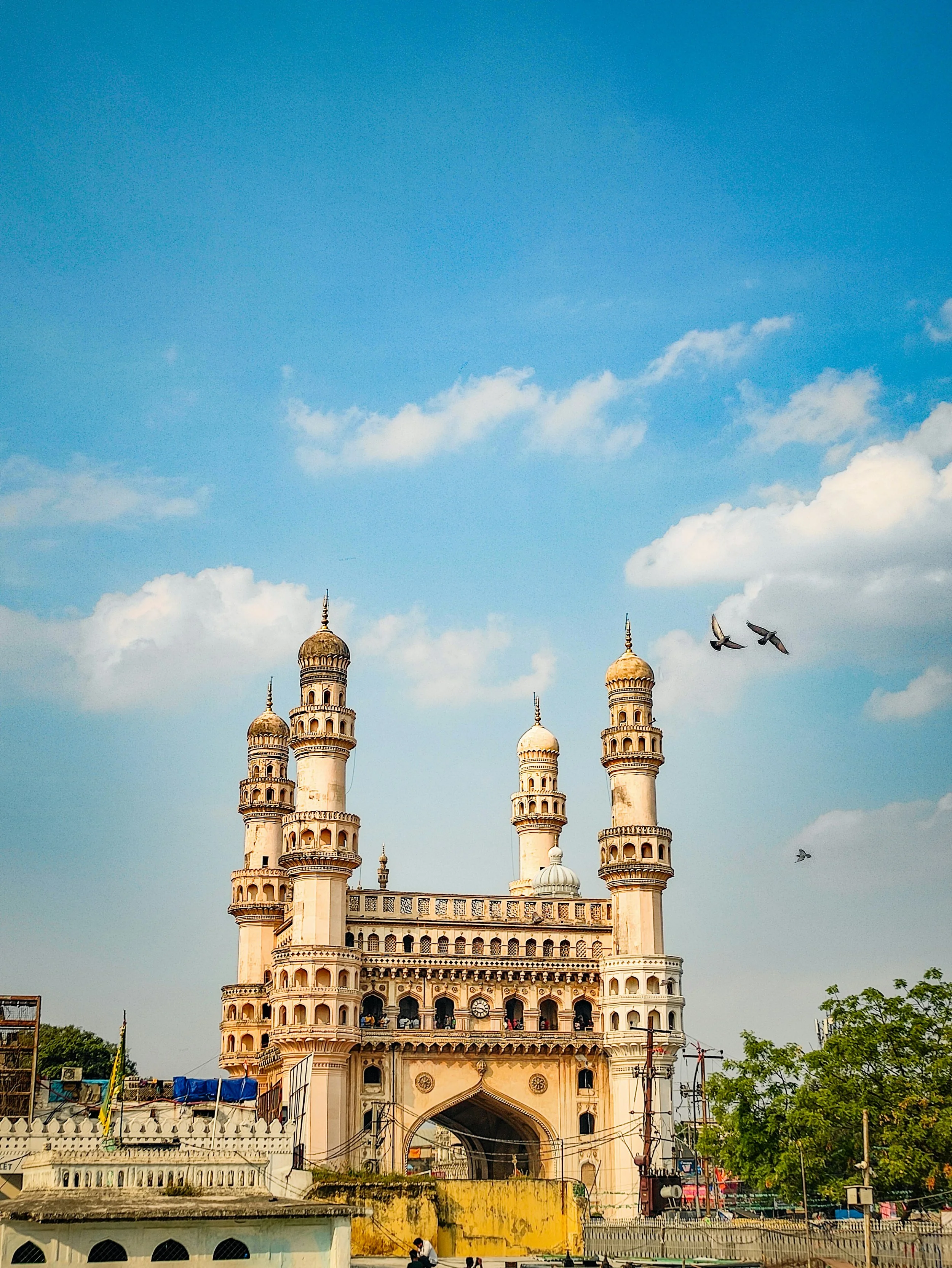
Hyderabad by Swipe

At the heart of Hyderabad lies its historical landmarks, each narrating tales of the city’s illustrious past. The iconic Charminar, built in 1591, is perhaps the most recognizable symbol of the city. With its majestic arches and intricate carvings, this structure reflects exquisite Islamic architecture. Surrounding the Charminar is the bustling Laad Bazaar, renowned for its bangles and traditional jewelry, offering a glimpse into the local artisan culture.

Another significant monument is the Golconda Fort, which dates back to the 12th century. This ancient fortification is famous for its innovative acoustics and impressive engineering. Visitors can explore its vast expanse, climbing to the summit for a panoramic view of the city. The fort also houses an exceptional light and sound show that vividly portrays the history of the Golconda rulers, presenting both an entertaining and educational experience.

In addition to its historical sites, Hyderabad boasts a thriving culinary scene that has gained recognition worldwide. The city is particularly famous for its biryani, a fragrant rice dish typically made with marinated meat, basmati rice, and a blend of aromatic spices. The most renowned establishment serving this delicacy is the iconic Paradise Biryani, where locals and tourists alike flock to enjoy this gastronomic delight. Alongside biryani, Hyderabad offers an array of street food, including pani puri, kebabs, and mirchi ka salan, reflecting its rich cultural diversity.

Hyderabad is also a center for technology and innovation, often referred to as "Cyberabad." The HITEC City (Hyderabad Information Technology and Engineering Consultancy City) is a major IT and business district housing numerous tech parks and multinational corporations. This development has positioned Hyderabad as one of India's leading tech hubs, attracting skilled professionals from across the country and beyond. The synergistic mix of startups, established companies, and educational institutions contributes to its dynamic economic landscape.

Moreover, the city is home to several educational and research institutes, including the Indian School of Business (ISB) and the University of Hyderabad, which foster academic excellence and innovation. These institutions act as breeding grounds for talent, further fueling the city’s growth.

Despite its rapid modernization, Hyderabad retains its cultural essence. The annual Bonalu festival, celebrated with great fervor, showcases local traditions through vibrant processions and rituals. The city is known for its friendly people, diverse communities, and a harmonious coexistence that enriches its social fabric.

Hyderabad is a city that beautifully marries its rich historical legacy with the aspirations of modern urban life. From its architectural marvels and delectable cuisine to its technological prowess, Hyderabad stands as a testament to the adaptability and resilience of its people. As the city continues to evolve, it remains a cherished destination for those wishing to explore the confluence of tradition and innovation, making it a true gem in the heart of India.

The best ski resorts in the world II: Aspen

Nestled in the heart of the Rocky Mountains, Aspen, Colorado, is often heralded as one of the best ski resorts in the world. Renowned not just for its skiing but also for its vibrant culture and luxurious amenities, Aspen combines breathtaking natural beauty with a rich history of winter sports. With its four distinct ski areas, each offering unique experiences, Aspen caters to skiers of all levels while also ensuring a variety of activities off the slopes.

Aspen Mountain, often simply referred to as Ajax, is the crown jewel of the resort. Known for its challenging terrain and lack of beginner runs, Ajax attracts advanced and expert skiers eager to conquer its steep slopes. The mountain offers stunning views of the surrounding area and is famed for its proximity to the town, allowing skiers to easily transition from the slopes to local restaurants and shops. The après-ski scene on Aspen Mountain is vibrant, with several bars and lounges where visitors can unwind after a day on the hill.

For families and beginners, Snowmass is an ideal destination. It boasts the largest terrain of all four mountains and features numerous gentle slopes perfect for novice skiers. Additionally, Snowmass provides a wide range of family-friendly activities, including snowshoeing, cross-country skiing, and even tubing. The well-organized ski school ensures that newcomers receive ample instruction, making their transition into the sport enjoyable and safe. Snowmass also offers a charming village experience, complete with dining options and shopping that appeal to all ages.

Aspen Highlands, another vital part of the resort, offers a slightly different experience focused more on backcountry and expert skiing. The place is known for its iconic Highland Bowl, which presents an exhilarating challenge for seasoned skiers. The sense of adventure here is palpable, as the terrain ranges from groomed runs to natural glades, providing a unique backcountry feel right within reach of resort amenities. The combination of thrilling skiing and stunning vistas elevates Aspen Highlands as a must-visit destination for adventurous skiers.

Finally, Buttermilk, while often viewed as the lesser-known hill in Aspen, holds a special place in the hearts of many. It is famous for hosting the X Games and is an excellent venue for freestyle skiing and snowboarding. The terrain parks and halfpipes are designed to challenge those looking to hone their tricks, while also providing ample options for beginners. The relaxed atmosphere of Buttermilk makes it a favorite spot for families and casual skiers seeking a less crowded experience.

Beyond skiing, Aspen’s charm extends to its history and culture. The town itself is a lively hub, filled with art galleries, theaters, and world-class dining options. Visitors can enjoy gourmet meals at renowned restaurants or partake in lively festivals and events throughout the winter season. The warmth of the community is evident in its dedication to preserving the area's natural beauty and historical significance.

Aspen stands out as one of the best ski resorts in the world due to its diverse skiing options, stunning scenery, and an unparalleled cultural experience. Whether one seeks the adrenaline rush of steep slopes, the gentle embrace of family-friendly hills, or the artistic vibe of the town, Aspen offers a well-rounded winter vacation that caters to every taste. For anyone passionate about skiing or looking to indulge in a winter wonderland, Aspen remains an iconic destination that promises unforgettable memories.

Fukuoka: Exploring Southern Japan

Fukuoka, located on the northern shore of Kyushu, Japan's southernmost main island, is a vibrant city that beautifully blends modernity with rich cultural heritage. As the largest city in the region, it serves as a gateway to many of Japan's natural and historical wonders. Exploring Fukuoka offers visitors a unique opportunity to experience the essence of Japanese culture, delicious cuisine, and stunning landscapes.

One of the city's most iconic landmarks is the Fukuoka Tower. Standing at 234 meters, it is the tallest seaside tower in Japan and provides panoramic views of the city and the surrounding Hakata Bay. Visitors can ascend to the observation deck to take in breathtaking sunset views, which transform the city into a dazzling display of lights. The tower is also surrounded by beautiful parks, making it a perfect spot for a leisurely afternoon stroll.

Fukuoka is renowned for its food, particularly tonkotsu ramen, a hearty noodle soup made from pork bone broth that has become a staple of Japanese cuisine. The city boasts a number of yatai (open-air food stalls) that serve this delicacy, allowing diners to enjoy a casual meal while experiencing the bustling atmosphere. Other local specialties include mentaiko (spicy cod roe) and the delicate flavors of fresh seafood available at the city's markets, like the famous Yanagibashi Rengo Market.

Nanzo-in Temple by Alexander Schimmeck

A visit to Fukuoka would be incomplete without exploring its rich history and culture. The Kushida Shrine, one of the city's most significant Shinto shrines, is a must-see. Founded over 1,300 years ago, it plays a vital role in the annual Hakata Gion Yamakasa festival, where elaborately decorated floats are paraded through the streets. The shrine's intricate architecture, tranquil gardens, and vibrant festivals provide a peek into the spiritual life of the city.

Nature lovers will find solace in Ohori Park, a sprawling urban oasis that features a beautiful pond, walking paths, and traditional Japanese gardens. This park is ideal for jogging, picnicking, or unwinding in nature. Nearby, the Fukuoka Art Museum showcases both contemporary and traditional art, making it an excellent spot for art enthusiasts to explore the creative landscape of Japan.

For those interested in shopping, the Tenjin district offers a bustling urban environment with a mixture of high-end boutiques, department stores, and quaint shops. The underground shopping mall, Tenjin Chikagai, is particularly noteworthy, as it connects visitors to various attractions while providing shelter from the elements—a welcome feature during the region's rainy season.

Furthermore, the city's dedication to sustainability is evident in its efforts to preserve its environment. Initiatives to promote recycling and green spaces reflect a forward-thinking approach that respects its natural surroundings while accommodating urban development.

Fukuoka is a city that captivates visitors with its harmony of tradition and modernity. From its delicious culinary offerings to its beautiful landscapes and rich history, there is something for everyone in this dynamic city. Whether it is a leisurely walk through Ohori Park, savoring a bowl of tonkotsu ramen at a yatai, or admiring the city from the heights of Fukuoka Tower, exploring Fukuoka promises an enriching experience that exemplifies the charm of Japan’s cultural tapestry.

Great National Parks XLIV: Freycinet

Freycinet National Park, located on the east coast of Tasmania, Australia, is a stunning natural reserve that attracts nature lovers and adventure seekers alike. Renowned for its breathtaking landscapes, pristine beaches, and unique wildlife, the park offers an array of experiences that capture the beauty of Australia’s diverse ecosystems.

One of the most iconic landmarks within Freycinet National Park is Wineglass Bay, often cited as one of the most beautiful beaches in the world. The bay is characterized by its crescent shape and soft white sands, framed by lush green hills and crystal-clear waters. Visitors can reach Wineglass Bay via a well-maintained walking track, which includes a steep ascent that rewards hikers with panoramic views from the lookout point. The vista showcases the striking contrast of the turquoise water against the surrounding granite peaks, making it a favorite spot for photography and relaxation. Early mornings or late afternoons are optimal times to visit, as the changing light creates a magical atmosphere.

In addition to its scenic beauty, Freycinet National Park is a hub for outdoor activities. There are numerous walking trails for all fitness levels, ranging from short strolls to challenging multi-day hikes. One popular option is the Hazards Beach Circuit, a 10-kilometer loop that takes walkers through diverse environments, including bushland, forest, and coastal areas. Wildlife enthusiasts will delight in the opportunity to spot unique species such as the Tasmanian devil, wombats, and various birds, including the endangered swift parrot. The diverse habitats within the park provide a refuge for these animals, and guided tours often enhance the experience by offering insights into their behavior and conservation needs.

The marine environment surrounding Freycinet is equally captivating. The park is part of the Freycinet Marine Farm, where visitors can engage in activities like kayaking, snorkeling, and even diving. Kayaking in the calm waters allows explorers to get up close to the rugged coastline, marine life, and hidden coves. Snorkeling reveals vibrant underwater ecosystems teeming with fish and colorful corals, while scuba diving offers a deeper experience with the rich biodiversity found beneath the surface.

Conservation is a critical focus within Freycinet National Park, as it protects not only the natural landscape but also the flora and fauna that call it home. Efforts to preserve the park’s ecosystems include habitat restoration projects, pest management, and community engagement initiatives aimed at raising awareness about environmental stewardship. Visitors are encouraged to follow the Leave No Trace principles, ensuring that this natural paradise remains intact for future generations. The collaborative approach between park management and local communities fosters a sense of responsibility and pride in preserving this unique environment.

Freycinet National Park stands as a testament to the natural beauty and ecological significance of Tasmania. With its stunning scenery, diverse wildlife, and commitment to conservation, the park provides an enriching experience for all who visit. Whether hiking to breathtaking viewpoints, relaxing on pristine beaches, or exploring the vibrant marine life, there is something for everyone in this remarkable destination. Through continued conservation efforts and responsible tourism practices, Freycinet National Park will remain a sanctuary of nature, inspiring awe and appreciation for Australia’s wild landscapes for years to come.

WhatsApp Chat