Dubrovnik – Pearl of the Adriatic

Dubrovnik, a jewel of the Adriatic Sea, is a city that enchants visitors with its rich history, stunning architecture, and breathtaking landscapes. Often referred to as the "Pearl of the Adriatic," this UNESCO World Heritage Site offers a unique blend of medieval charm and modern vibrancy, making it a must-visit destination for travelers seeking both cultural experiences and natural beauty.

One of the most striking features of Dubrovnik is its well-preserved Old Town, enclosed by massive stone walls that date back to the 16th century. Walking through the Pile Gate, the main entrance to the Old Town, visitors are immediately transported to a different era. The cobblestone streets, lined with limestone buildings adorned with terracotta roofs, create a picturesque setting that feels almost suspended in time. At the heart of the Old Town lies the Stradun, the main thoroughfare that bustles with shops, restaurants, and cafes. Here, locals and tourists alike gather to soak up the atmosphere, enjoy a gelato, or sip on a cup of rich Croatian coffee.
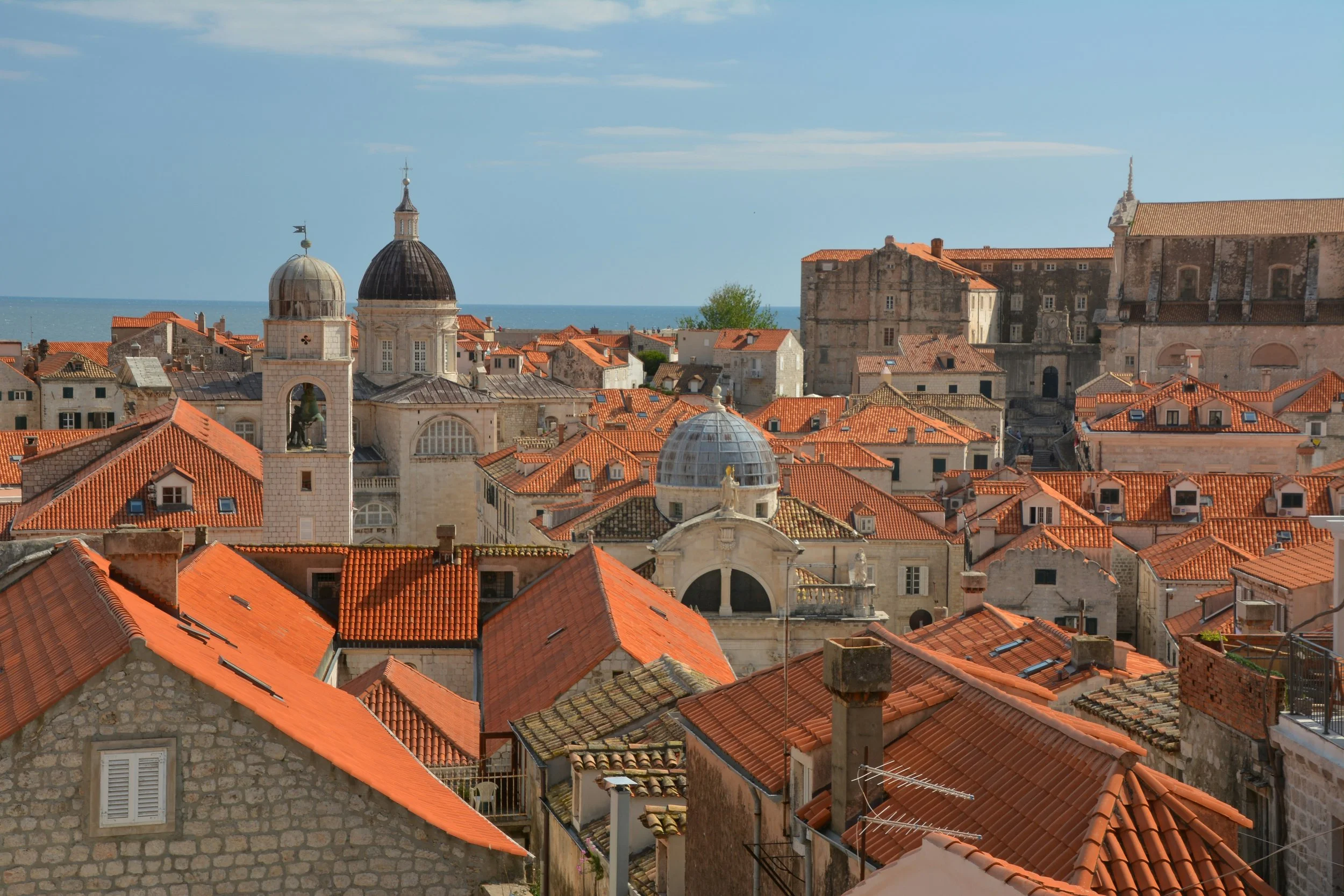
Dubrovnik by David Edkins

The city's historical significance is evident in its many landmarks and monuments. The Rector's Palace, once the seat of the government of the Republic of Ragusa, showcases a stunning blend of Gothic and Renaissance architecture. Nearby, the Sponza Palace stands as a testament to the town's resilience and wealth during the Middle Ages. Visitors should not miss the opportunity to explore the Franciscan Monastery, which houses one of the oldest pharmacies in Europe, dating back to 1317. Each of these sites tells a story of Dubrovnik's past, reflecting its importance as a maritime power and trading hub.

No visit to Dubrovnik would be complete without ascending the city walls. A walk along the ramparts offers panoramic views of the Old Town, the deep blue waters of the Adriatic, and the surrounding hills. The walls are approximately 1.2 miles long and provide a unique perspective on the city's architecture and layout. As visitors stroll along the paths, they can learn about the city’s defensive history while appreciating the stunning vistas.

Beyond its historical attractions, Dubrovnik is also known for its vibrant cultural scene. The city hosts numerous festivals throughout the year, including the Dubrovnik Summer Festival, which features performances of music, theater, and dance against the backdrop of historic sites. This celebration of arts and culture brings together locals and visitors to experience the creative spirit of the city.

Nature lovers will find plenty to admire in and around Dubrovnik as well. The nearby islands of Lokrum and Elaphiti offer stunning beaches, crystal-clear waters, and lush landscapes perfect for exploration. A short boat ride from the city allows visitors to escape the hustle and bustle and bask in the tranquility of these natural havens. Whether lounging on the beach, hiking the trails, or swimming in secluded coves, these excursions provide a refreshing contrast to the urban environment.

Dubrovnik is a captivating destination that offers an abundance of experiences for every type of traveler. Its rich history, stunning architecture, and beautiful natural surroundings make it a remarkable place to explore. Whether you are wandering through the ancient streets of the Old Town, enjoying the local cuisine, or soaking in the spectacular views from the city walls, Dubrovnik promises memories that will last a lifetime. As you delve into the charm of this Croatian gem, you’ll likely understand why it remains one of the most beloved cities in Europe.
The best ski resorts in the world I: Chamonix

Nestled at the foot of the majestic Mont Blanc in the French Alps, Chamonix is often hailed as one of the best ski resorts in the world. With its breathtaking vistas, a plethora of skiing options, and a vibrant alpine culture, this iconic destination attracts skiers and snowboarders from around the globe. The combination of challenging slopes and modern amenities makes Chamonix a premier location for winter sports enthusiasts.

One of the defining features of Chamonix is its diverse terrain, which caters to all levels of skiers. For beginners, the resort offers gentle slopes and well-groomed runs, primarily located in the area of Les Planards. This section provides a safe and encouraging environment for those who are new to skiing, complete with friendly instructors and easy access to lifts. Intermediate skiers can explore the expansive areas of Brévent and Flégère, where a variety of red and blue runs snake through scenic landscapes. Meanwhile, advanced skiers and thrill-seekers can challenge themselves on the legendary Vallée Blanche, a 20-kilometer off-piste run that requires proper equipment and expertise. The mix of terrains ensures that every visitor has an opportunity to enjoy their skiing experience to the fullest.

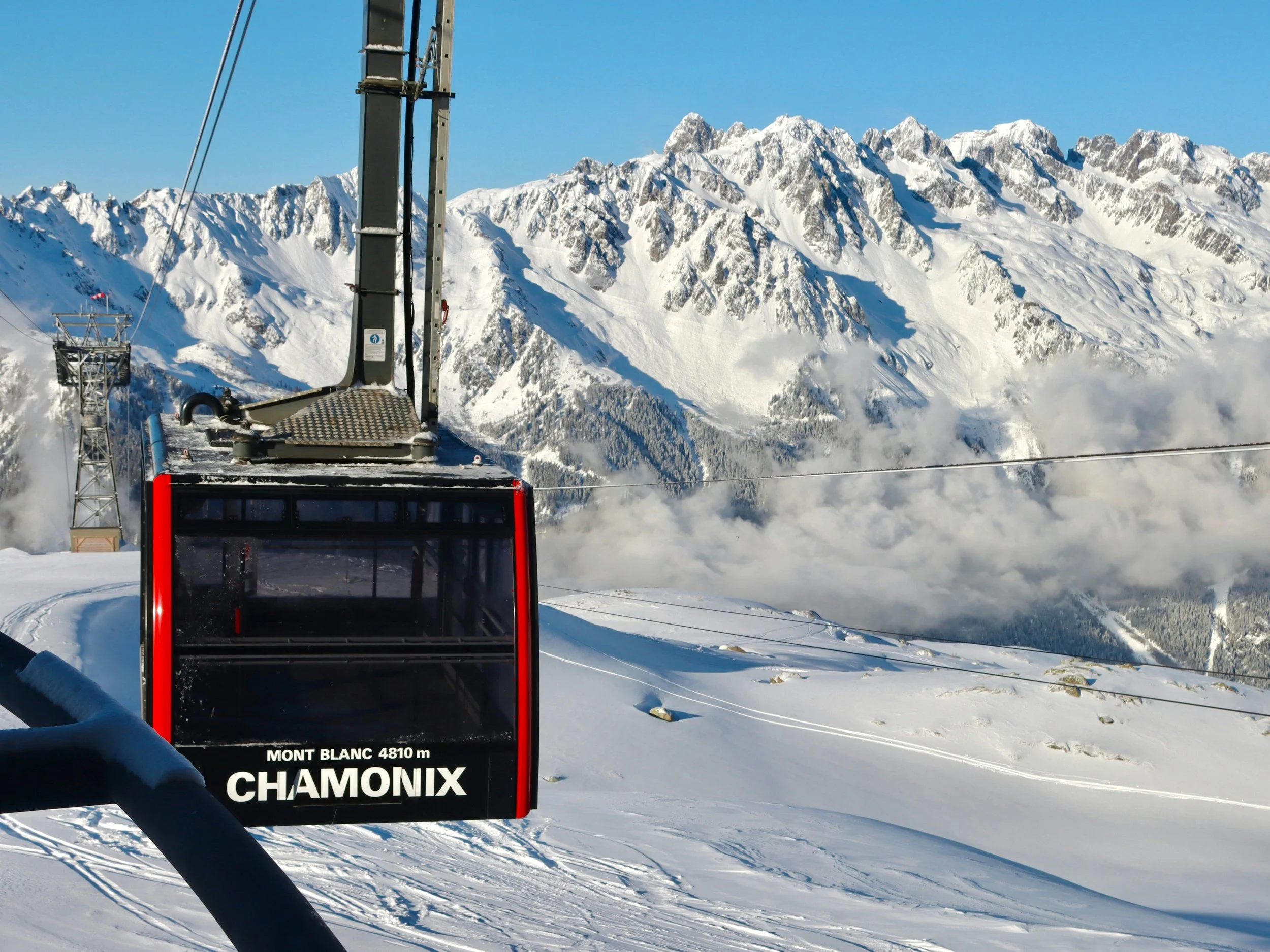
Chamonix by Hongbin

Beyond skiing, Chamonix offers a unique blend of activities that enhance its reputation as a top-tier resort. Snowshoeing, ice climbing, and paragliding allow visitors to experience the stunning alpine environment in different ways. The picturesque town itself is filled with charming chalets, shops, and restaurants that offer a taste of French alpine cuisine. From traditional fondue to gourmet dining experiences, there is something to satisfy every palate.

Another significant aspect of Chamonix is its rich history. Known as the birthplace of mountaineering, Chamonix has been a hub for adventurers since the mid-18th century. The first ascent of Mont Blanc in 1786 marked a pivotal moment in the history of alpinism, and the town has since embraced its legacy. The Aiguille du Midi cable car, which takes visitors up to over 3,800 meters, offers stunning panoramic views of the Alps and pays homage to the area's adventurous spirit. This attraction is not only a marvel of engineering but also a gateway to some of the most incredible mountain scenery in the world.

Accessibility is another advantage that sets Chamonix apart from other ski resorts. Located just over an hour's drive from Geneva Airport, it is easy for international travelers to reach the resort. Once in Chamonix, public transportation and shuttle systems allow for convenient travel between the various ski areas, making it easy to explore everything the resort has to offer without the hassle of a car.

Overall, Chamonix stands out as one of the best ski resorts in the world due to its unparalleled skiing options, vibrant alpine culture, and rich historical significance. Whether one is navigating the powdery slopes, savoring delicious French cuisine, or taking in the awe-inspiring views of Mont Blanc, the experience in Chamonix is unmatched. This exceptional destination continues to draw skiing enthusiasts and adventurers alike, solidifying its reputation as a must-visit location in the heart of the French Alps.

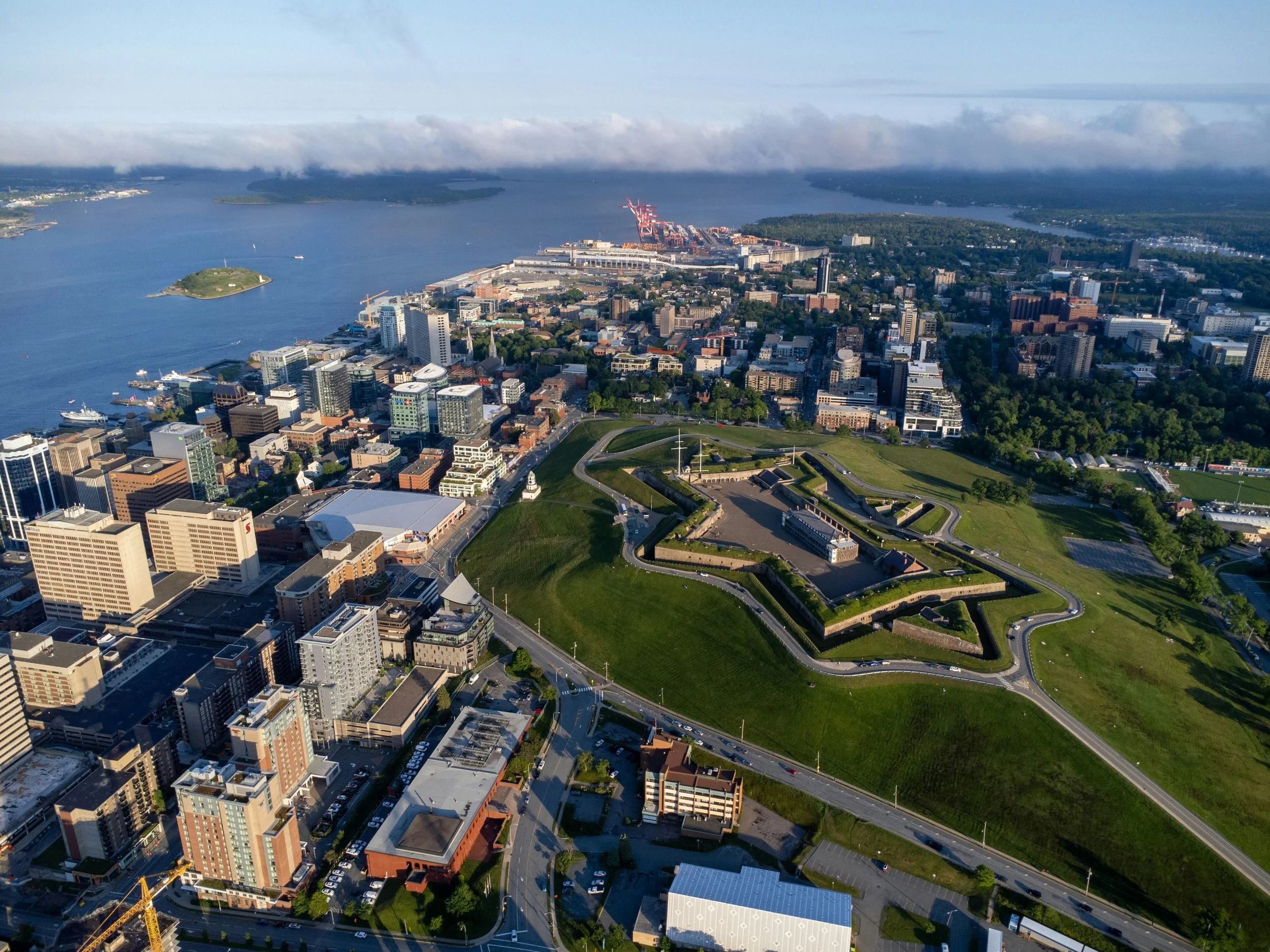
Halifax, the heart of Atlantic Canada

Halifax, the capital of Nova Scotia, Canada, is a vibrant city that seamlessly blends rich history with modern urban living. Nestled on the picturesque Atlantic coast, Halifax is not only known for its stunning waterfront but also for its cultural significance, historic sites, and welcoming atmosphere.

One of the most notable features of Halifax is its waterfront area, which stretches for over four kilometers along the harbor. The Halifax Waterfront Boardwalk is a bustling hub that offers dining, shopping, and entertainment options alongside stunning views of the harbor. Visitors can enjoy fresh seafood at local restaurants, watch street performers, or simply take a leisurely stroll while soaking in the salty sea breeze. The Halifax Seaport Farmers' Market, one of the oldest continuously operating farmers’ markets in North America, is also located here, where locals gather to sell fresh produce, artisanal goods, and handmade crafts.

Halifax by Chen Liu

Halifax’s rich history is palpably felt throughout the city's iconic landmarks, particularly the Halifax Citadel. This star-shaped fortress, originally built in the 1740s, stands sentinel over the city and offers insight into its military past. Visitors can explore the fort's museum, participate in guided tours, and witness historical reenactments, including the firing of the noon gun, a tradition that dates back to the 1850s. The Citadel not only provides spectacular views of the city but also tells the story of Halifax as a strategic naval base during times of war.

Another historical gem is the Canadian Museum of Immigration at Pier 21, which serves as a gateway to understanding the immigration experience in Canada. This national historic site celebrates the stories of millions of immigrants who passed through its doors between 1928 and 1971. Through interactive exhibits, personal stories, and artifacts, visitors are immersed in the diverse narratives that have shaped the fabric of Canadian society. This museum not only emphasizes Halifax’s role as an entry point to the country but also highlights the contributions of immigrants to the nation’s development.

Halifax is also home to an array of cultural institutions, including art galleries, theaters, and music venues. The Art Gallery of Nova Scotia houses an impressive collection of visual art, including works by renowned Canadian artists such as Maud Lewis. Meanwhile, the Neptune Theatre showcases a variety of performances, from classic plays to contemporary dramas, highlighting the vibrant arts scene in the city. Music enthusiasts can find live performances across the city, with genres ranging from folk to rock, contributing to the dynamic cultural landscape.

For nature lovers, Halifax boasts beautiful parks and green spaces that provide a respite from urban life. Point Pleasant Park, located at the southern end of the peninsula, offers scenic walking trails, historic ruins, and access to the coastline. Here, residents and tourists can enjoy picnics, jogging, and stunning views of the harbor. Additionally, the nearby sprawling landscapes of the Halifax Regional Municipality, including sandy beaches and lush forests, invite exploration and adventure.

Halifax is a city that invites exploration through its captivating blend of history, culture, and natural beauty. From the lively waterfront to historic sites like the Citadel and Pier 21, as well as its thriving artistic community and scenic outdoors, Halifax presents a wealth of experiences for everyone. Whether one is visiting for the first time or has lived here for years, there is always something new to discover in this charming coastal city.

Great National Parks XLIII: Canyonlands

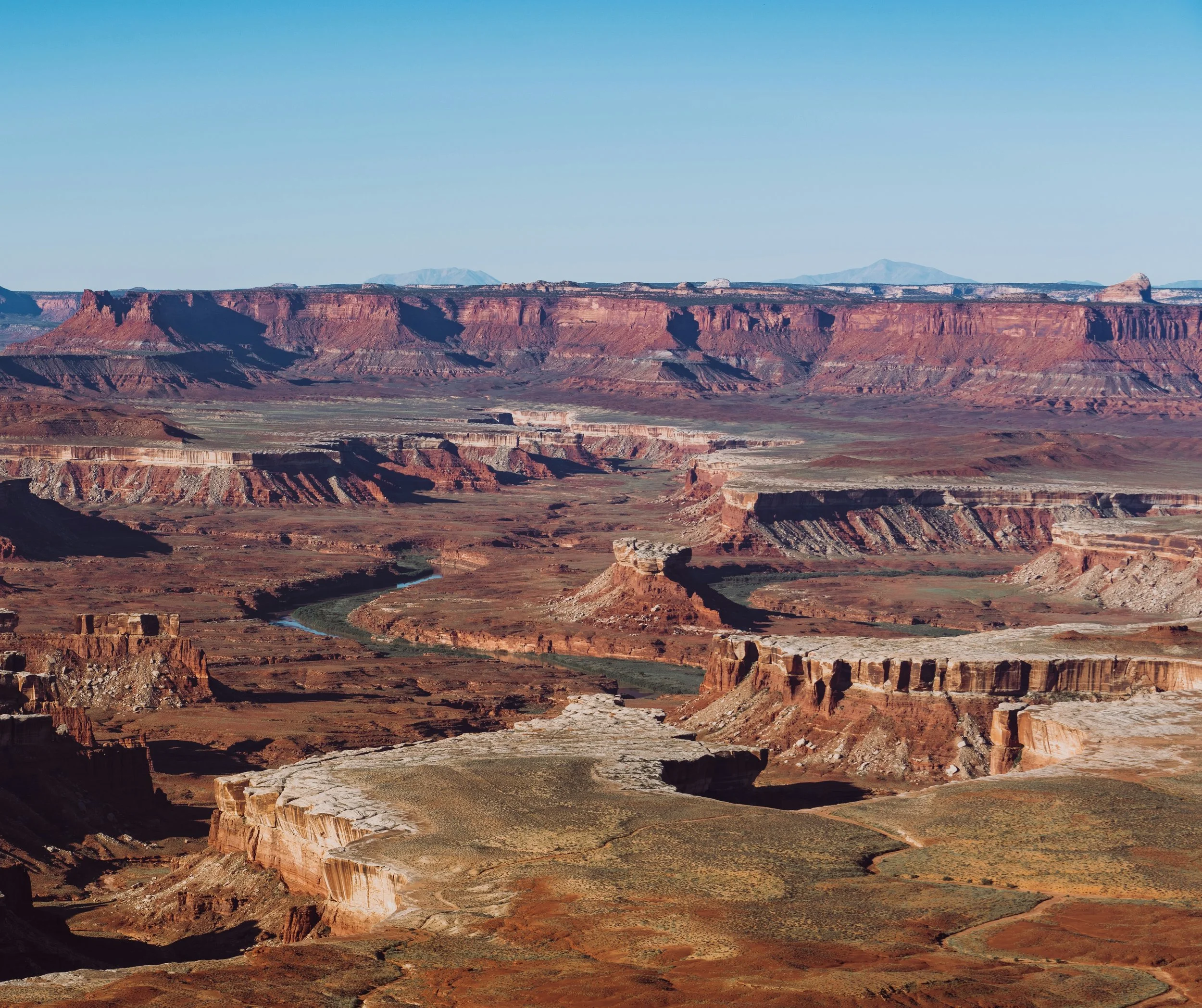
Canyonlands National Park, located in eastern Utah, is a remarkable testament to the power of geological forces and the beauty of the American Southwest. Established in 1964, this vast and diverse park spans over 337,000 acres and is characterized by its stunning landscapes, including canyons, mesas, and buttes that have been carved over millions of years by the Colorado River and its tributaries. The park is divided into four main districts: Island in the Sky, the Needles, the Maze, and the rivers themselves, each offering unique experiences for visitors.

Island in the Sky is perhaps the most accessible part of Canyonlands National Park, perched atop a high plateau that provides breathtaking panoramic views. From numerous viewpoints, visitors can gaze down at the intricate canyons and the winding Colorado River far below. The famous Mesa Arch, a natural rock formation, frames a picturesque sunrise, making it a popular spot for photographers and nature enthusiasts alike. Hiking trails in this area cater to various skill levels, with the Short Loop Trail being an easy walk for families, while the more challenging trails lead adventurers deeper into the rugged terrain.

Canyonlands by Yifu Wu

The Needles district offers a different experience with its colorful spires and towering rock formations. Named for the needle-like shapes of its rock formations, this area is known for its diverse hiking options and backcountry camping opportunities. The trails, such as the Chesler Park Loop, take hikers through a landscape of stunning sandstone fins and deep canyons. The vibrant colors of the rocks, especially during sunrise and sunset, create a breathtaking canvas that attracts both amateur and professional artists. This section of the park also provides a glimpse into the region’s rich history, as ancient rock art created by Native American cultures can be found carved into the canyon walls, telling stories of a time long past.

In contrast, the Maze district remains one of the most remote and least visited areas of the park. Its labyrinth of canyons and mesas presents challenges even for experienced hikers and outdoor enthusiasts. The isolation offers an unparalleled sense of tranquility and a chance to experience nature in its purest form. Those who venture into the Maze are rewarded with sweeping vistas and a sense of exploration, surrounded by the stark beauty of the desert landscape. However, due to its remoteness, visitors must be well-prepared and self-sufficient, as access to basic services is limited.

The rivers flowing through the park are equally vital to Canyonlands’ ecosystem and history. These waterways not only shaped the landscape but also provided essential resources for the ancient people who inhabited the area. Kayaking or rafting on the Colorado or Green Rivers gives adventurers a unique perspective of the park, allowing them to experience the towering cliffs and lush riverbanks from a vantage point that few get to see. Floating through the canyons, one can appreciate the sheer scale of the geological formations and the pristine natural environment that surrounds them.

Canyonlands National Park is a land of contrasts—a dynamic interplay between the rugged wilderness and the delicate balance of its ecosystem. Whether exploring the accessible overlooks of Island in the Sky, hiking the colorful formations of the Needles, navigating the challenging terrain of the Maze, or paddling down the rivers, visitors are sure to find a connection to nature that is both profound and unforgettable. The park not only showcases the beauty of the natural world but also serves as a reminder of the need to preserve these incredible landscapes for future generations to experience and cherish.

Recife: The Venice of Brazil

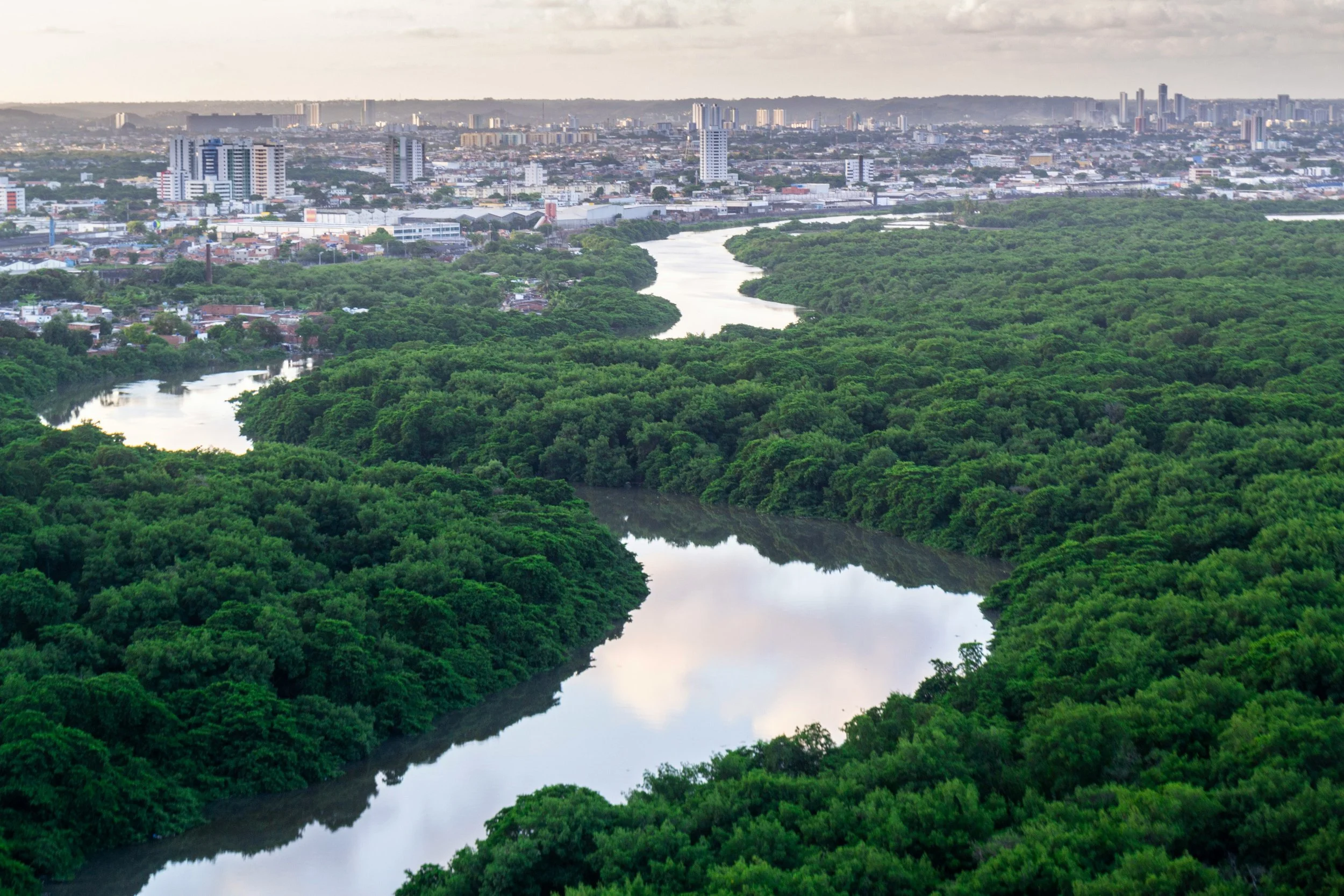
Recife, the capital of the northeastern Brazilian state of Pernambuco, is a vibrant city known for its rich cultural heritage, stunning architecture, and scenic waterside views. Often referred to as the "Venice of Brazil" due to its numerous waterways, bridges, and islands, Recife offers a unique blend of history and modernity that attracts visitors from all over the globe.

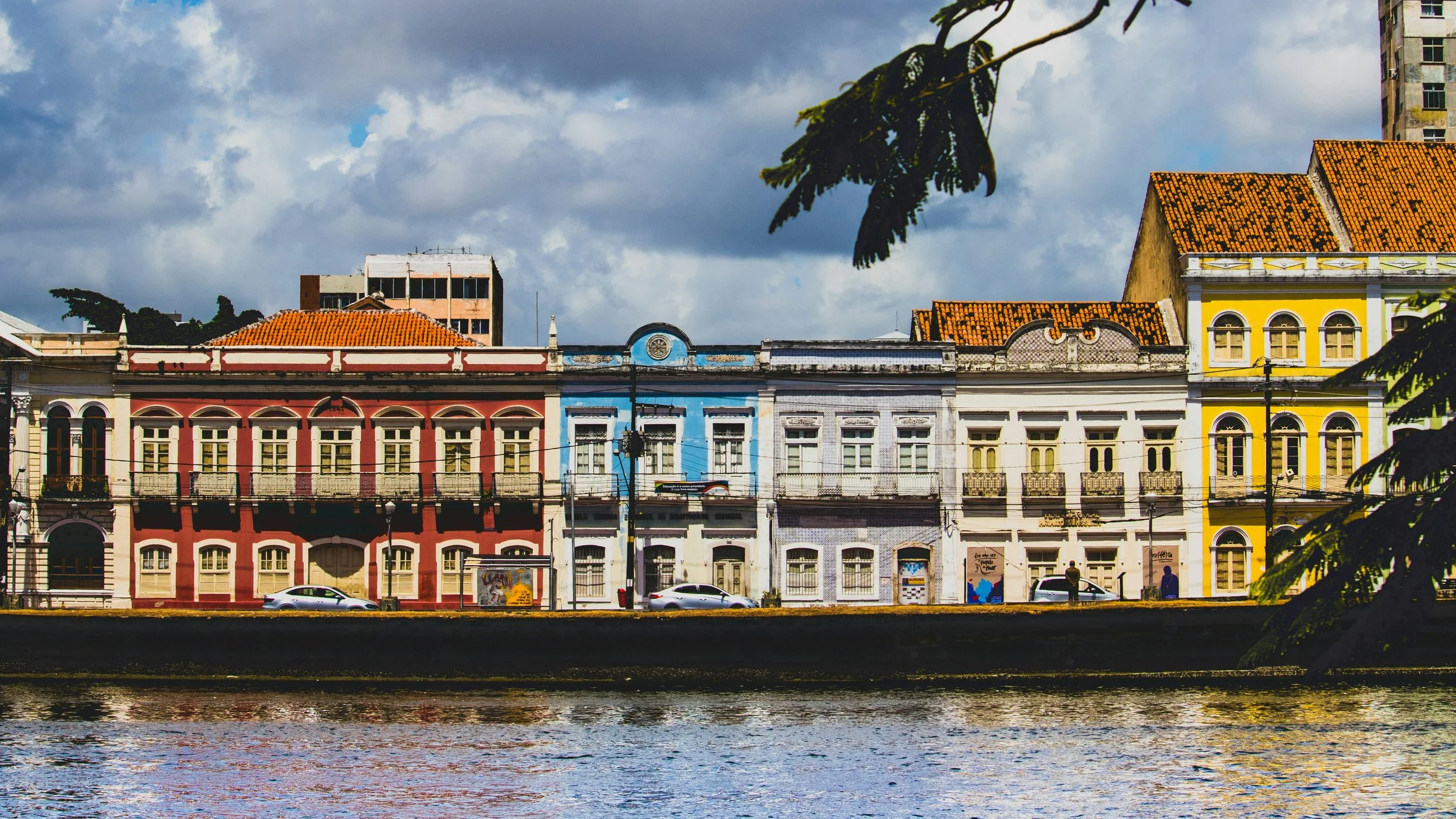
One of the most striking features of Recife is its diverse architecture, which reflects the city's colonial past and cultural evolution. The Old Town, or "Recife Antigo," is home to well-preserved buildings dating back to the 17th century. Among these is the impressive Kahal Zur Israel Synagogue, the first synagogue in the Americas, which symbolizes the Jewish community's historical presence in the region. The Gothic-style Church of Saint Anthony further exemplifies the city’s architectural diversity, with its intricate details and beautiful stained glass windows.

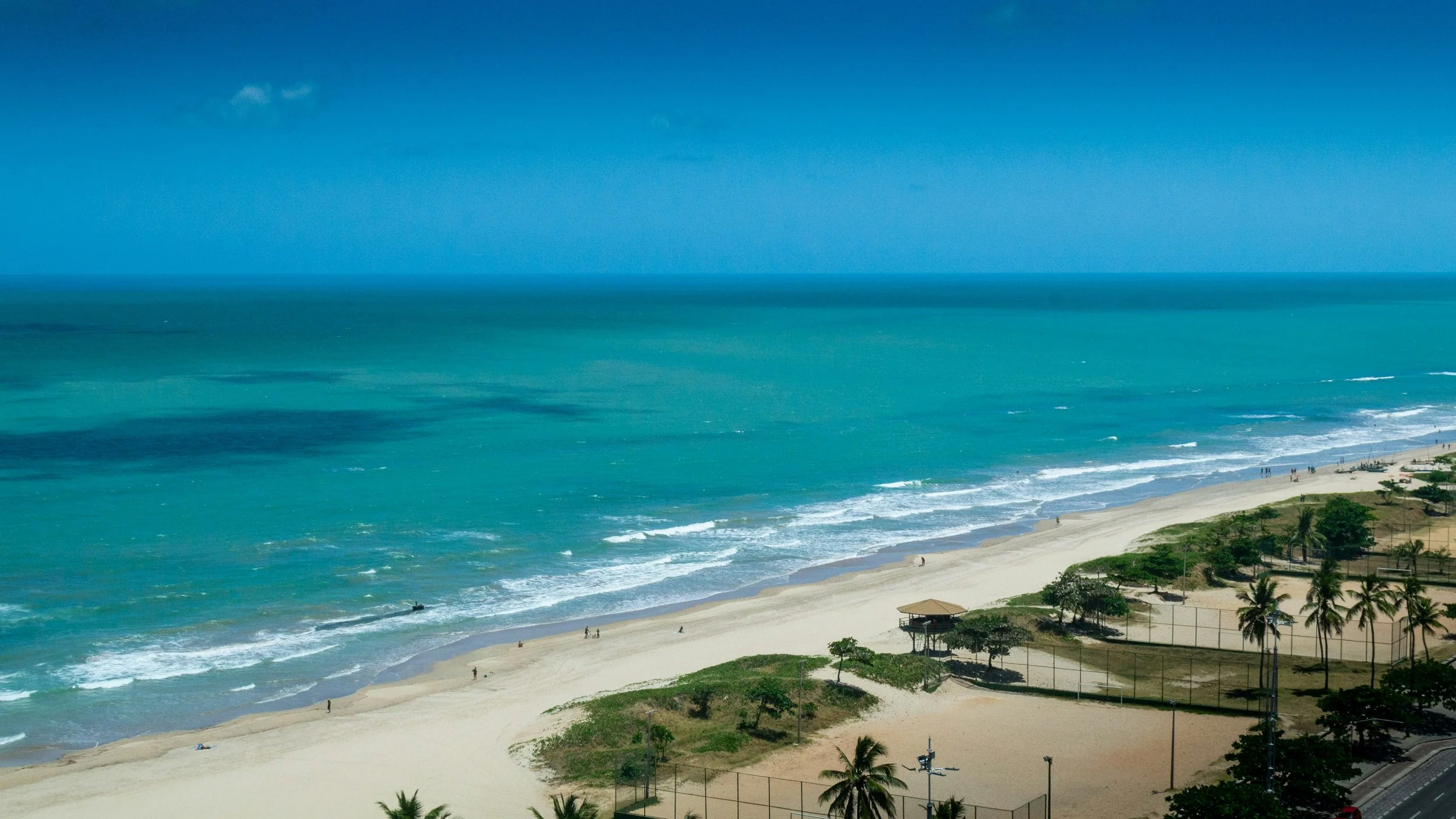
Recife by Thiago Japyassu

The artistic pulse of Recife is palpable, especially in the works of local artists and the vibrant street art that adorns many buildings. The city's cultural scene thrives, particularly with the annual Carnival festival, one of the largest and most colorful in Brazil. During this time, the streets come alive with music, dance, and elaborate costumes, showcasing the rich traditions of frevo and maracatu, two musical genres deeply rooted in the local culture. Visitors can immerse themselves in the festivities, enjoying public performances and the infectious energy of the crowds.

Recife is also home to several museums that highlight the region’s cultural significance. The Museum of Modern Art of Pernambuco (MAMPE) boasts contemporary works from both national and international artists, while the Ricardo Brennand Institute showcases a vast collection of European and Brazilian art, particularly relating to the Dutch colonial period. These institutions not only preserve art but also educate the public about the historical context that shaped them.

The natural beauty surrounding Recife further enhances its allure. The coastal areas boast stunning beaches, such as Boa Viagem, where golden sands meet the warm Atlantic Ocean. This area is ideal for sunbathing, swimming, and enjoying a variety of water sports. The nearby island of Itamaracá, accessible via ferry, provides a tranquil escape and is known for its lush landscapes and historical sites, including the Fort of São José.

In addition to its natural and cultural attractions, Recife is known for its gastronomic scene. The city's cuisine is a delightful fusion of Indigenous, African, and Portuguese influences, offering dishes such as “bolo de rolo” (a rolled cake filled with guava paste) and “secudela” (a seafood stew). Worth trying is the iconic tapioca, a gluten-free pancake filled with various sweet or savory ingredients.

While exploring Recife, it is impossible not to notice the warmth and hospitality of its residents, who take pride in their city's history and culture. From lively music to delectable food and striking landscapes, Recife embodies a spirit of resilience and joy that resonates with all who visit.

Recife stands out as a multifaceted city that beautifully intertwines its historical roots with modern-day vibrancy. Whether wandering through its historic streets, soaking up the sun on its beaches, or savoring the local cuisine, visitors will find that Recife offers a captivating experience that leaves a lasting impression. The city's dynamic culture and welcoming atmosphere make it a must-visit destination for anyone looking to explore the rich diversity of Brazil.

Exploring Thai Cuisine

Thai cuisine is a vibrant and diverse culinary art celebrated for its bold flavors, aromatic spices, and unique combinations of ingredients. It is a reflection of the country's culture and geography, blending influences from neighboring countries such as China, India, and Malaysia while also showcasing indigenous ingredients and traditional cooking methods.

Pad Thai by Markus Winkler

One of the most notable aspects of Thai cuisine is its balance of flavors. Traditional Thai dishes often incorporate five fundamental tastes: sweet, sour, salty, bitter, and spicy. This complex interplay creates a symphony of flavors that tantalize the palate. For instance, the famous dish Pad Thai combines the sweetness of tamarind, the saltiness of fish sauce, the acidity of lime, and the heat from chili peppers, resulting in a harmonious blend that is both satisfying and exciting. The use of fresh herbs and spices—such as basil, cilantro, lemongrass, and galangal—further enhances the flavor profile, giving Thai dishes their signature freshness.

Rice is the cornerstone of Thai meals, serving as a staple ingredient that accompanies almost every dish. Jasmine rice, with its fragrant aroma and slightly sticky texture, is particularly popular in central Thailand. In contrast, regions like the north and northeast may favor sticky rice, which is eaten by hand and often served with grilled meats or dishes like som tam, a spicy green papaya salad. In addition to rice, noodles play a significant role in Thai cuisine, with varieties such as rice vermicelli and egg noodles being central to dishes like Pad See Ew and Boat Noodles.

Street food is an integral part of the Thai culinary experience, showcasing the country’s culinary diversity and accessibility. Bangkok, in particular, is renowned for its bustling street food scene, where vendors serve up an array of delicious dishes, from skewered meats marinated in fragrant spices to delectable desserts such as mango sticky rice. This vibrant food culture not only reflects the creativity of local cooks but also emphasizes the importance of community, as people gather to share meals and enjoy the lively atmosphere.

Moreover, Thai cuisine is deeply intertwined with cultural and religious practices. Food plays a central role in festivals, family gatherings, and spiritual celebrations. For example, during the Songkran Festival, which marks the Thai New Year, families prepare elaborate feasts that feature traditional dishes symbolizing prosperity and good fortune. Additionally, offerings of food are commonly made at temples to honor ancestors and seek blessings, highlighting the spiritual connection between food and faith in Thai culture.

Thai cuisine is more than just a collection of recipes; it is a vibrant expression of Thailand's history, culture, and values. The intricate balance of flavors, the significance of staple ingredients like rice and noodles, the lively street food culture, and the deep-rooted connection between food and tradition all contribute to making Thai cuisine one of the most beloved and recognized culinary traditions worldwide. Exploring Thai cuisine offers not only a delightful gastronomic experience but also a glimpse into the rich tapestry of Thai society. Whether indulging in a spicy curry or savoring a refreshing salad, each dish tells a story that transcends borders and connects people through the universal language of food.

Exploring Portland, Oregon

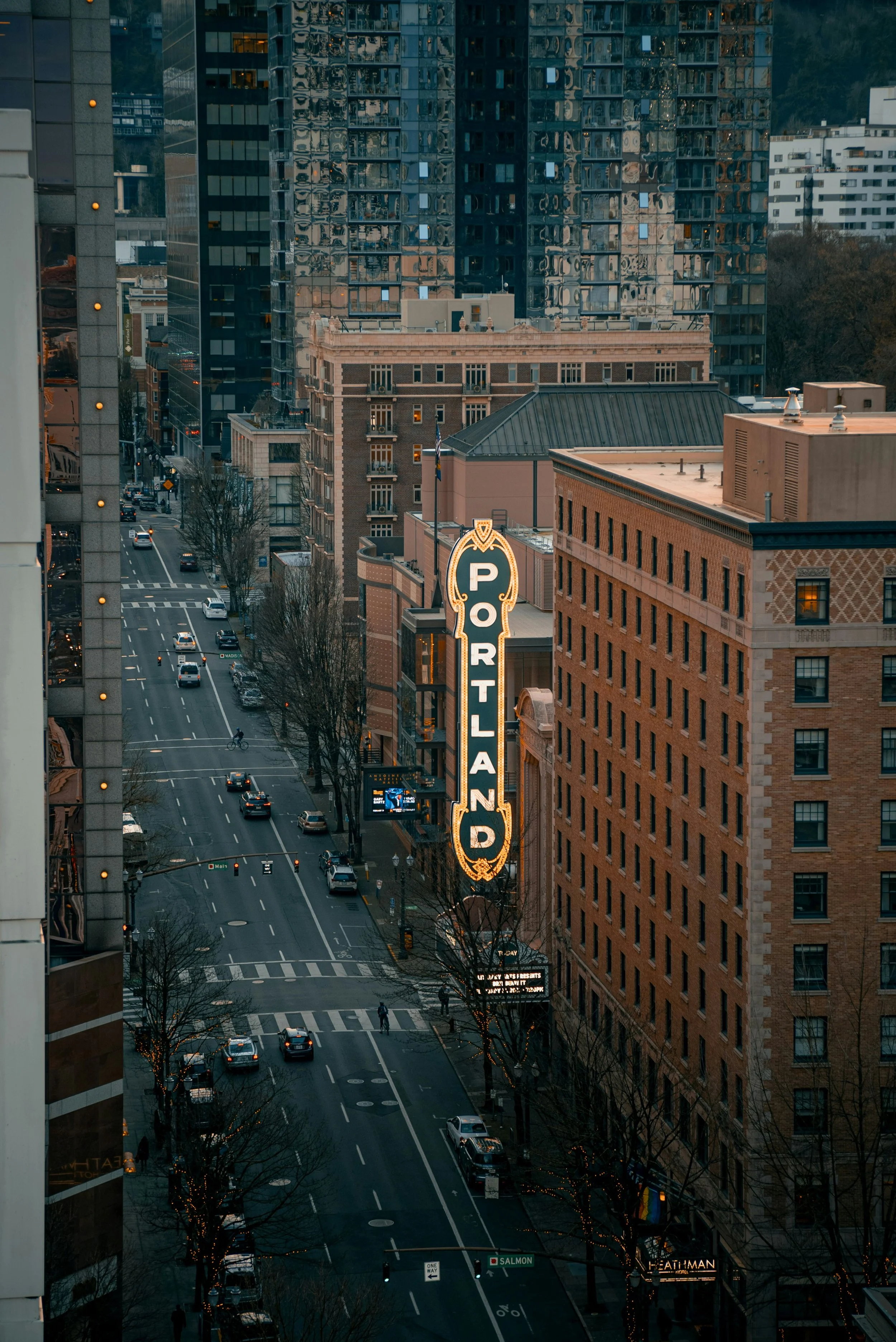
Portland, the largest city in Oregon, is a vibrant and eclectic place where nature meets urban sophistication. Known for its progressive culture, stunning landscapes, and a thriving food scene, Portland has something to offer everyone. From its unique neighborhoods to its abundant parks, the city invites exploration and discovery.

One of the defining features of Portland is its commitment to sustainability and environmental awareness. The city's public transportation system is extensive and efficient, with buses and light rail making it easy for residents and visitors alike to navigate its many districts. Biking is also a popular mode of transportation, supported by an extensive network of bike lanes and bike-sharing programs. This eco-friendly ethos extends to the local food movement, where farm-to-table restaurants and food carts featuring organic and locally sourced ingredients flourish. The famous Portland food carts, found mostly in pods scattered throughout the city, offer a diverse range of international cuisines, allowing patrons to sample everything from Thai street food to gourmet grilled cheese sandwiches.

Portland by Josh Hild

As one explores the various neighborhoods, each district seems to carry its distinct personality. The Pearl District, once a warehouse area, has been transformed into a hub for art galleries, boutiques, and high-end condos, blending historical charm with modern aesthetics. Here, visitors can stroll through the streets lined with cobblestones, enjoy a coffee at one of the many trendy cafes, or peruse the shops that offer everything from handmade jewelry to unique home goods. Just a few blocks away, the Alberta Arts District boasts a more bohemian atmosphere, complete with colorful murals, independent bookstores, and eclectic shops that attract a creative crowd. Alberta Street comes alive during the First Thursday art walk, where local artists showcase their work, and the community gathers to celebrate creativity.

Nature lovers will find solace in Portland’s abundant parks and green spaces. Forest Park, covering over 5,000 acres, is one of the largest urban forests in the United States. It offers miles of hiking trails, providing a perfect escape from the hustle and bustle of city life. The park is home to a diverse range of flora and fauna, making it an ideal spot for birdwatching and nature photography. Additionally, Washington Park features the renowned Portland Japanese Garden, a serene haven designed to promote tranquility and harmony. With its carefully landscaped gardens, koi ponds, and traditional tea house, visitors can immerse themselves in the beauty of Japanese horticulture.

When it comes to cultural attractions, Portland does not disappoint. The Portland Art Museum houses an impressive collection of Native American art, contemporary works, and classical pieces. It regularly hosts exhibitions and events that foster engagement with art and culture. Furthermore, the Oregon Museum of Science and Industry (OMSI) offers interactive exhibits that appeal to both adults and children, making it a great destination for family outings.

As the sun sets, Portland's nightlife pulses with energy. The city is dotted with craft breweries, unique bars, and live music venues that showcase local talent. Whether it's enjoying a pint of freshly brewed beer at one of the city’s many microbreweries or catching a live performance at the iconic Mississippi Studios, there’s no shortage of options for entertainment.

Exploring Portland provides a delightful blend of urban excitement and natural beauty. Its rich culture, commitment to sustainability, and diverse neighborhoods make it a captivating destination for travelers seeking a unique experience. Whether you're indulging in culinary delights, immersing yourself in nature, or discovering the city's artistic flair, Portland is sure to leave a lasting impression.

Great National Parks XLII: Gobi

Gobi Gurvansaikhan National Park, situated in the southern part of Mongolia, is a breathtaking expanse of wilderness that embodies the rugged beauty and ecological diversity of the Gobi Desert. Spanning over 4 million acres, this national park is not only a sanctuary for various wildlife species but also a site of geological and historical significance that draws adventurers and nature lovers from around the globe.

One of the most remarkable features of Gobi Gurvansaikhan National Park is its stark landscapes. The park encompasses a range of topographical elements, from towering sand dunes to rocky mountains and vast steppes. Among these varied terrains, the Khongoryn Els, often referred to as the "Singing Sands," is a highlight. These sweeping dunes can reach heights of up to 800 meters and emit a sound resembling singing when the wind sweeps across them. This natural phenomenon intrigues visitors and serves as a fantastic backdrop for photography and exploration.

Rich in biodiversity, the park is home to unique flora and fauna that have adapted to the harsh desert environment. Among its inhabitants are the elusive snow leopards, wild camels, and the critically endangered Gobi bear, one of the rarest bear species in the world. Birdwatchers can delight in spotting various migratory birds that stop in the park during their seasonal travels, while plant enthusiasts will find an array of resilient species like saxaul trees and desert herbs. The intricate web of life here highlights the importance of conservation efforts to protect these species and their habitats.

Furthermore, Gobi Gurvansaikhan National Park holds significant archaeological and paleontological value. Fossils discovered within the park have provided insights into prehistoric life, including the discovery of dinosaur eggs and skeletons, which reveal much about the Earth's distant past. The park's numerous ancient petroglyphs and ruins of historic settlements serve as reminders of the cultures that have thrived in this unforgiving yet beautiful landscape. Exploring these sites offers a glimpse into the rich history of human habitation and interaction with nature in the region.

Gobi Bear by Joe Riis

Visiting Gobi Gurvansaikhan National Park presents opportunities for various outdoor activities, making it a popular destination for trekking, camel riding, and camping. Adventurers can embark on multi-day treks that lead through the park's diverse ecosystems, encountering stunning vistas and unique wildlife. Guided tours often include cultural experiences, allowing visitors to engage with local nomadic communities to learn about their traditional lifestyles and customs.

The park faces challenges, particularly due to climate change and human impact. As global temperatures rise, the delicate balance of this ecosystem is threatened, necessitating ongoing conservation efforts. Additionally, sustainable tourism practices need to be prioritized to minimize environmental footprints and ensure that the natural beauty and biodiversity of Gobi Gurvansaikhan National Park can be preserved for future generations.

Overall, Gobi Gurvansaikhan National Park stands as a testament to the untamed beauty of the Gobi Desert and its ecological significance. Its diverse landscapes, rich biodiversity, and historical importance make it a remarkable destination for those seeking adventure and a deeper understanding of nature. As we continue to explore and appreciate such environments, it remains crucial to commit ourselves to protecting these vital ecosystems, ensuring they endure for years to come.

Liverpool: Beyond the Beatles

Liverpool, a vibrant city located in northwest England, is renowned for its rich cultural heritage, historic significance, and contributions to music and sports. With its bustling waterfront, iconic architecture, and a diverse array of attractions, Liverpool offers both residents and tourists an exceptional experience steeped in history and creativity.

One of the most notable features of Liverpool is its maritime history, epitomized by its UNESCO World Heritage-listed waterfront. The Albert Dock, once the center of the city’s shipping industry, is now a hub for cultural attractions, shops, and restaurants. Visitors can explore the Merseyside Maritime Museum, which showcases the city's seafaring past and its connection to the Titanic and other famous vessels. The nearby Tate Liverpool brings contemporary art to the forefront, featuring works from British and international artists, making it an essential stop for art enthusiasts.

Liverpool by Neil Martin

Liverpool's architectural landscape is another highlight worth exploring. The city boasts a mix of historic and modern buildings, with the Royal Liver Building and the Cunard Building standing as testaments to its grand port city past. The Three Graces, a trio of magnificent waterfront structures, highlight the city’s historical importance during the 19th century when it was one of the world’s leading ports. Furthermore, the stunning Liverpool Cathedral, the largest cathedral in the UK, impresses with its Gothic Revival design, soaring towers, and breathtaking stained glass windows.

The city is also famous for its contributions to music, particularly through The Beatles, who originated from Liverpool in the 1960s. The Beatles Story, a museum dedicated to the band, takes visitors on a journey through their early days, rise to fame, and cultural impact. Fans can visit significant locations such as Strawberry Field and Penny Lane, both immortalized in the band’s songs. Liverpool thrives on its musical legacy, hosting various festivals and events throughout the year, including the Liverpool International Music Festival, which attracts artists and fans from around the world.

Sports enthusiasts will find Liverpool equally appealing, particularly for its legendary football clubs, Liverpool FC and Everton FC. Anfield, home to Liverpool FC, is famed for its passionate supporters and electric atmosphere during matchdays. Tours of the stadium provide an insight into the club's illustrious history, featuring numerous trophies and unforgettable moments. Similarly, Goodison Park, the home of Everton FC, is recognized as the oldest football ground in the world still in use. The rivalry between these two clubs, known as the Merseyside Derby, adds an exciting dimension to the city’s sporting culture.

Equally important is Liverpool’s commitment to diversity and inclusion, reflected in its lively neighborhoods. Areas like Bold Street are filled with independent shops, cafes, and restaurants offering a global palette of flavors. From traditional English pubs to trendy bars and eateries serving international cuisine, Liverpool is a city that embraces culinary exploration. The vibrant nightlife ensures that there is always something happening, catering to diverse tastes and preferences.

Liverpool is a city that encapsulates a rich tapestry of history, culture, and creativity. Its significant maritime heritage, impressive architecture, musical legacy, and sporting fervor make it an intriguing destination for all types of visitors. Whether you are exploring museums, enjoying live music, or savoring local delicacies, Liverpool promises an unforgettable experience that celebrates its past while continually evolving for the future.

Ankara, the capital of Turkey

Ankara, the capital city of Turkey, is often overshadowed by more famous cities like Istanbul, but it is rich in history, culture, and modernity. Situated in the heart of the country, Ankara serves as a vital political, administrative, and cultural center.

The history of Ankara dates back to ancient times when it was known as Ancyra, a significant hub during the Hittite Empire. The city has been home to various civilizations, including the Phrygians, Lydians, and Romans. The remnants of these ancient cultures can still be seen today. One of the most notable historical sites is the Ankara Citadel, a massive fortress that overlooks the city. Constructed in the Roman era, it provides breathtaking views of the cityscape and serves as a reminder of Ankara's strategic importance throughout history.

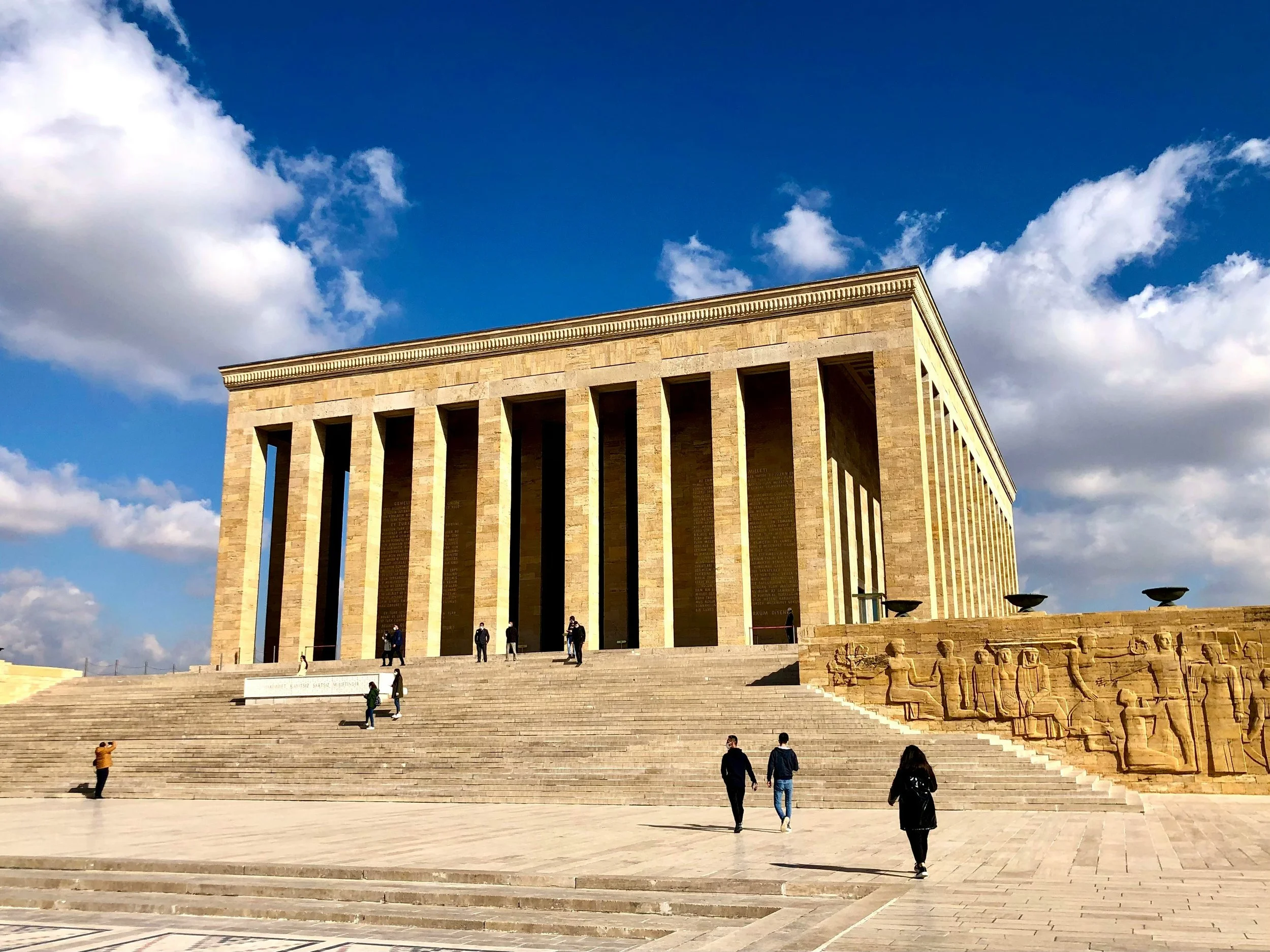
Anıtkabir by Youssef Mohamed

Ankara is also home to several remarkable museums that celebrate its rich heritage. The Museum of Anatolian Civilizations stands out as one of the most important, showcasing artifacts from the Paleolithic age to the Ottoman period. Visitors can marvel at displays of ancient tools, pottery, and sculptures that tell the story of the various civilizations that have thrived in this region. Another significant location is the Atatürk Mausoleum, or Anıtkabir, dedicated to the founder of the Republic of Turkey, Mustafa Kemal Atatürk. This monumental structure not only serves as a burial site but also as a symbol of Turkish independence and unity. The mausoleum's architecture is impressive, combining classical elements with modern design.

Aside from its historical treasures, Ankara boasts a lively cultural scene. The city hosts numerous festivals throughout the year, celebrating literature, music, and film. The Ankara International Film Festival, for instance, attracts filmmakers and audiences from around the world, showcasing independent cinema and fostering cultural exchange. The city’s theaters and art galleries provide platforms for local artists and performers, making Ankara a burgeoning center for contemporary arts.

Food is another essential aspect of Ankara's identity. The city’s culinary offerings reflect both traditional Turkish cuisine and modern innovations. Local specialties include döner kebab, a popular street food made from seasoned meat cooked on a vertical rotisserie, as well as mezes, which are small dishes enjoyed with drinks. Dining experiences in Ankara often emphasize social interaction, with many restaurants featuring open-air settings where families and friends gather to enjoy meals together.

In recent years, Ankara has embraced modernization without losing its historical charm. New developments, shopping centers, and parks have emerged alongside ancient sites, creating a dynamic urban landscape. For example, Kızılay, the city's central district, is bustling with shops, cafes, and lively pedestrian streets that highlight Ankara’s blend of the old and new.

Ankara is much more than just the political heart of Turkey; it is a city steeped in history and culture that deserves exploration. From its ancient ruins and museums to its vibrant arts scene and delicious cuisine, Ankara embodies a unique blend of tradition and modernity. As travelers seek to uncover the lesser-known gems of Turkey, Ankara stands out as a destination that offers a rich tapestry of experiences waiting to be discovered. The city invites all who visit to delve into its storied past while enjoying its contemporary allure, making it a fascinating place to explore.

Salvador, Bahia: The Heart of Afro-Brazil

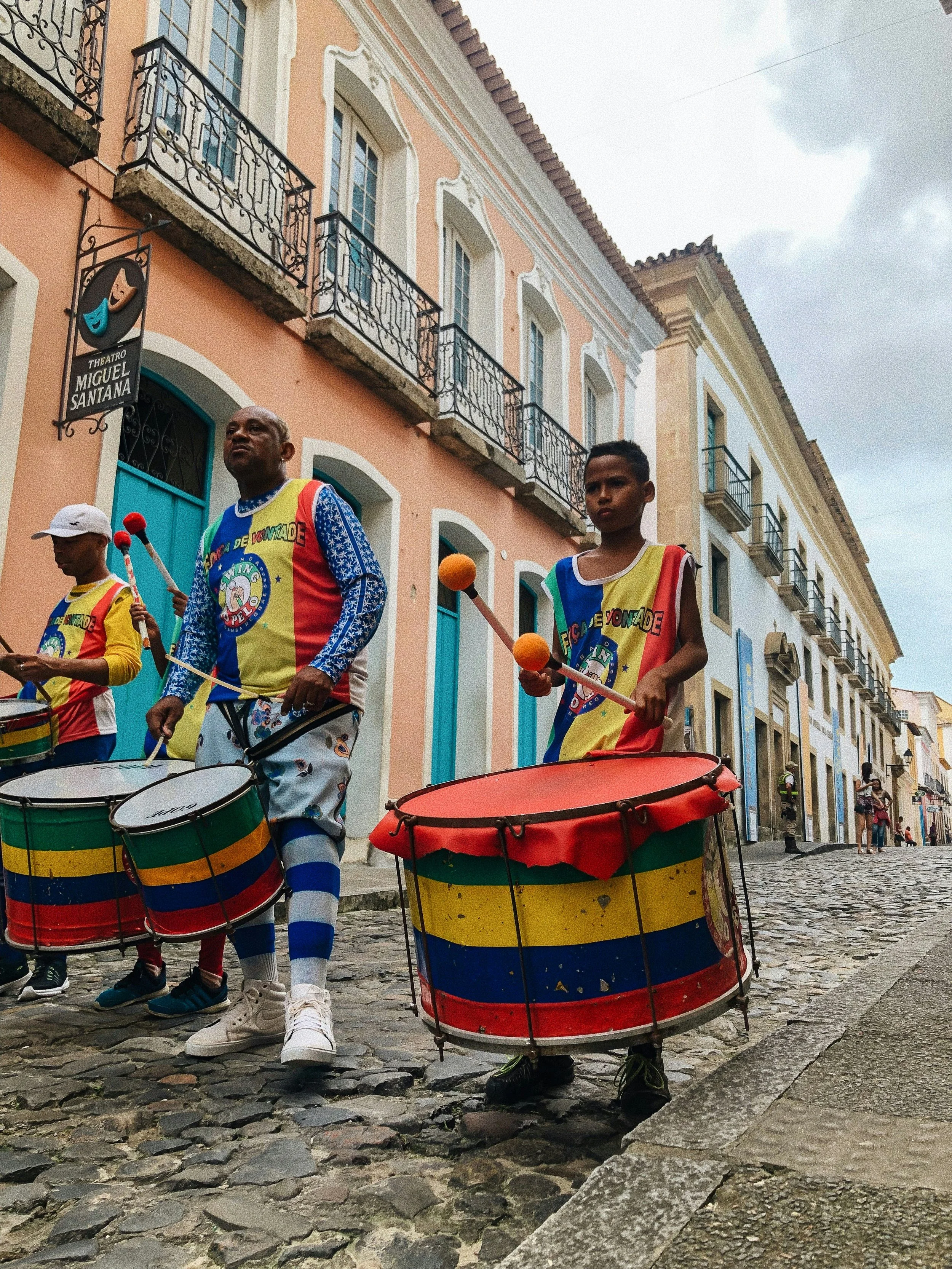
Salvador by Marianna Smiley

Salvador, the capital of the state of Bahia in Brazil, is a city that pulsates with energy, culture, and history. Recognized for its rich African heritage, Salvador stands as a living testament to the legacy of the transatlantic slave trade, which has profoundly shaped its societal fabric. The city is not just a destination; it is an experience characterized by its colorful streets, jubilant festivals, and a unique blend of old and new.

One of the most remarkable aspects of Salvador is its historic center, known as Pelourinho. This UNESCO World Heritage site features streets lined with colonial architecture, where pastel-colored buildings reflect the city’s vibrant aura. As one strolls through the cobblestone streets, the rhythmic beats of drums can often be heard, inviting one to witness spontaneous cultural expressions. The squares are alive with music and dance, showcasing the traditional capoeira performances that originated from African slaves. Pelourinho is not merely a backdrop but a dynamic environment where the past intertwines with the present.

The music video for They Don't Care About Us by Michael Jackson was partially filmed in Salvador, Bahia (among other locations).

Salvador is also famous for its festivals, many of which are rooted in African traditions. The Carnival in Salvador is one of the largest and most spirited celebrations in the world. Unlike Rio de Janeiro's Carnival, which is dominated by samba parades, Salvador’s celebration is a fusion of music genres, including axé, pagode, and reggae. During this period, the streets come alive with revelers donning vibrant costumes, dancing to the infectious rhythms while massive sound trucks lead the way. It is a time when every Salvadoran, regardless of age or background, participates in the joyous atmosphere, embodying a sense of community and shared celebration.

Culinary experiences in Salvador further enrich the cultural tapestry of the city. Bahian cuisine, known for its bold flavors and spices, is heavily influenced by African ingredients and techniques. Dishes such as acarajé, a deep-fried ball made from black-eyed peas filled with shrimp and spices, and moqueca, a coconut milk-based seafood stew, are fundamental to local gastronomy. Dining in Salvador is not just about the food; it is about storytelling and tradition, as meals are often enjoyed with family and friends, fostering connections and preserving cultural practices.

Salvador by Woton Campos

The city’s art scene is another cornerstone of its identity. Salvador is home to numerous galleries and studios that celebrate both contemporary and traditional African art. Artists like Carybé, who beautifully captured the essence of Bahian life through his paintings, have left a lasting mark on the city’s artistic landscape. Additionally, the Museum of Brazilian Music showcases the evolution of music in Brazil, honoring its roots while highlighting its contemporary expressions.

Nature lovers will find refuge in Salvador's stunning coastline. The beaches, such as Porto da Barra and Flamengo, offer a serene escape, with golden sands and azure waters lapping at the shore. Here, one can relax under the sun, partake in water sports, or simply enjoy the breathtaking sunset that paints the sky in hues of orange and pink.

Exploring Salvador is akin to embarking on a journey through time and culture. Every corner reveals a piece of its rich history, vibrant traditions, and an inviting spirit that welcomes visitors with open arms. From the rhythm of its music to the flavors of its food, Salvador is a city that captivates the heart and soul, making it an unforgettable destination for anyone willing to experience its authentic beauty.

Great National Parks XLI: Arcipelago di La Maddalena

The Arcipelago di La Maddalena, situated in the stunning waters off the northern coast of Sardinia, Italy, is a breathtaking group of islands known for their pristine beaches, crystal-clear waters, and vibrant marine life. Comprising seven main islands—La Maddalena, Caprera, Santo Stefano, Spargi, Budelli, Razzoli, and Cala Coticcio, along with numerous smaller islets—this archipelago is a paradise for nature lovers and adventure seekers alike.

La Maddalena itself is the largest island and serves as the gateway to the archipelago. Visitors are drawn to its charming town, which boasts narrow streets lined with pastel-colored houses, quaint shops, and local eateries. Strolling through the town, one can indulge in the delectable local cuisine, featuring fresh seafood, handmade pasta, and exquisite wines. The lively atmosphere, especially during the summer months, encapsulates the essence of Mediterranean life.

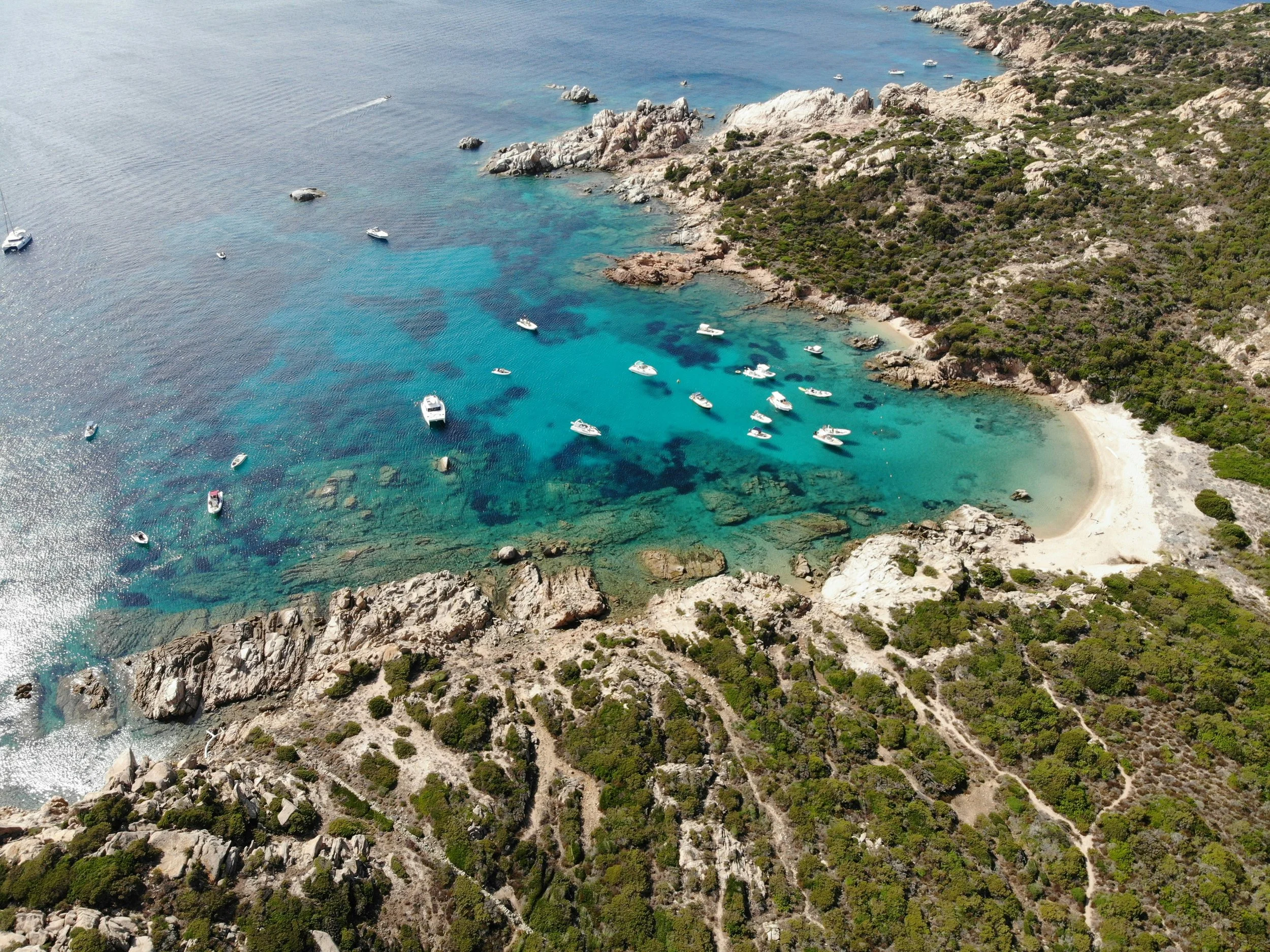
Arcipelago di La Maddalena by Vincenzo Malagoli

Moving beyond the town, the natural beauty of La Maddalena unfolds. The island is characterized by rugged cliffs, lush vegetation, and some of the most beautiful beaches in Italy. Notable among them is Spiaggia di Cala Coticcio on Caprera Island, often hailed as one of the best beaches in the world. Its soft white sands and turquoise waters invite visitors to soak up the sun and immerse themselves in the tranquil surroundings. Other spectacular beaches like Spiaggia di Spalmatore and Spiaggia di Testa di Polpo offer secluded spots where one can enjoy moments of serenity.

The archipelago's diverse marine ecosystems make it a prime destination for snorkeling, scuba diving, and sailing. The waters are protected as part of the National Park of La Maddalena Archipelago, ensuring that the rich biodiversity remains preserved. Divers can explore colorful coral reefs, underwater caves, and encounter a variety of marine species, such as octopuses, sea turtles, and schools of fish. For sailing enthusiasts, navigating through the countless coves and hidden bays offers an unparalleled experience of natural beauty and adventure.

An intriguing aspect of the Arcipelago di La Maddalena is its historical significance. The islands have a rich history, ranging from ancient Roman settlements to significant military installations used during both World Wars. Caprera Island, in particular, is notable as the home of Giuseppe Garibaldi, a key figure in Italy's unification. His former residence is now a museum that offers insights into his life and the history of the region.

Furthermore, the archipelago serves as a fantastic starting point for exploring nearby attractions. Visitors can take boat trips to Corsica, the French island that lies just a short distance away, offering additional experiences of culture and rugged landscapes. The proximity to other lesser-known islands also provides opportunities for unique adventures and exploration.

The Arcipelago di La Maddalena is a captivating blend of natural beauty, rich history, and vibrant culture. Its stunning beaches, crystal-clear waters, and diverse marine life make it a haven for outdoor enthusiasts and a paradise for those seeking relaxation. Whether you're exploring the charming town of La Maddalena, indulging in local cuisine, or embarking on a thrilling aquatic adventure, this archipelago promises unforgettable experiences. With its untouched landscapes and historical significance, the Arcipelago di La Maddalena is truly a treasure waiting to be discovered.

Nashville: America’s Music Capital

Nashville, the vibrant capital of Tennessee, is often known as "Music City," a title it has earned due to its rich musical heritage and cultural significance. Renowned for being the heart of the country music industry, Nashville offers a unique blend of Southern charm, artistic expression, and historical landmarks that make it an appealing destination for both tourists and locals.

One cannot discuss Nashville without acknowledging its exceptional music scene. The city is home to iconic venues such as the Grand Ole Opry and the historic Ryman Auditorium, where countless legendary artists have graced the stage. The Country Music Hall of Fame offers a glimpse into the genre's storied past, showcasing exhibits dedicated to influential musicians and the evolution of country music. Visitors can immerse themselves in live performances at numerous honky-tonks on Broadway, where the sound of twanging guitars and lively vocals fill the air. These establishments not only provide entertainment but also create an atmosphere of camaraderie among music lovers from different walks of life.

Nashville by Mike Gattorna

Beyond music, Nashville boasts a diverse culinary landscape that reflects its Southern roots and contemporary influences. The city's culinary scene is famously highlighted by its hot chicken, a spicy fried chicken dish that has become a local staple. Many restaurants take pride in their unique recipes, making tasting hot chicken a must-do for any visitor. Moreover, Nashville's food culture embraces everything from traditional Southern comfort food to international cuisine, allowing diners to explore a range of flavors. Food festivals and farmers' markets abound, celebrating local produce and the creative spirit of Nashville's chefs.

For those who appreciate history and culture, Nashville is home to several significant landmarks. The Parthenon, a full-scale replica of the Athenian original, stands proudly in Centennial Park and symbolizes the city’s commitment to the arts. Visitors can explore the impressive art collection housed within, making it a fascinating destination for art enthusiasts. Another notable site is the historic Belle Meade Plantation, which offers insight into the antebellum South through guided tours that cover the estate's rich history, architecture, and horse breeding legacy. These sites allow visitors to step back in time and gain a deeper understanding of Nashville’s heritage.

Furthermore, Nashville thrives on creativity beyond music and food; it is a hub for visual art and theater. The Frist Art Museum is a prominent venue that showcases a rotating collection of art from various periods and cultures, engaging visitors with educational programs and events. The city's theater scene is equally vibrant, with productions ranging from Broadway shows to local performances at smaller venues, fostering a sense of community engagement and artistic expression.

Nature enthusiasts will find solace in Nashville's numerous parks and outdoor spaces. The expansive Shelby Farms Park offers a vast area for hiking, biking, and kayaking, inviting residents and visitors to enjoy the great outdoors. The lush landscapes and scenic views provide a perfect escape from the bustling city life.

Nashville is a dynamic city that embodies a unique fusion of music, culture, history, and nature. With its unmatched musical legacy, delicious culinary offerings, historical significance, and artistic vibrancy, Nashville continues to captivate everyone who visits. Whether you are drawn by the sounds of country music, the allure of delicious Southern cuisine, or the rich tapestry of its historical sites, Nashville promises an unforgettable experience that resonates long after you leave its welcoming embrace.

Gdańsk: The Pearl of the Baltic

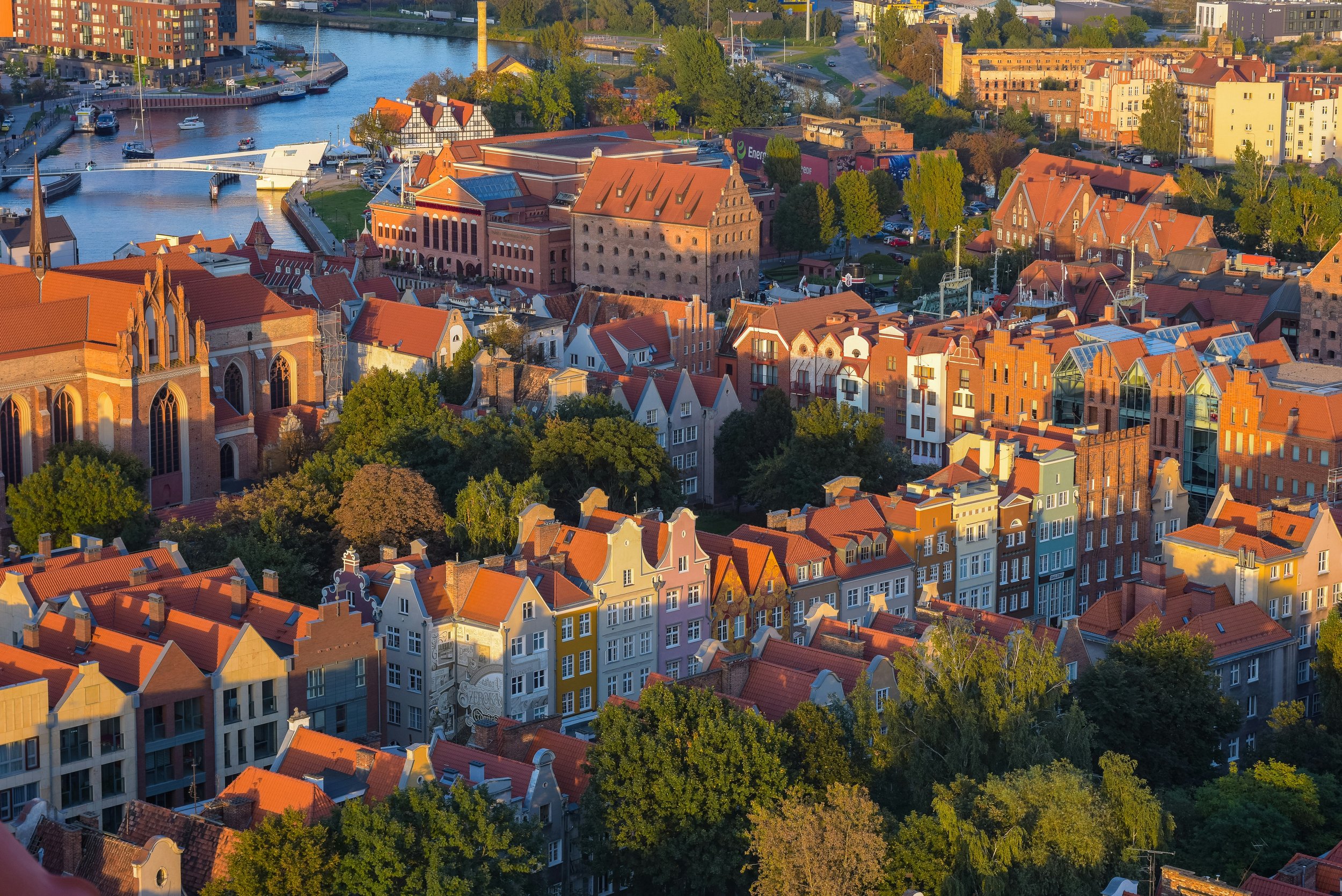
Gdańsk, a picturesque city situated on the northern coast of Poland, is a vibrant hub of history, culture, and maritime heritage. Known for its stunning architecture and rich history, Gdańsk offers a unique blend of influences from various eras and cultures, making it an appealing destination for travelers and history enthusiasts alike.

The city’s history dates back over a thousand years, serving as a crucial port and trading center in the Baltic Sea region. Gdańsk played a significant role in the Hanseatic League, which was a powerful economic alliance of merchant towns during the Middle Ages. This legacy is evident in the city’s impressive Gothic and Renaissance buildings, many of which are beautifully preserved. One cannot miss the iconic Long Market (Długi Targ), lined with elaborate facades and bustling with activity, where visitors can immerse themselves in the local culture and cuisine.

Gdańsk by Eduardo Casajús Gorostiaga

Among the architectural gems of Gdańsk, the Golden Gate stands out as a magnificent entrance into the city. Built in the late 16th century, it serves as a stunning example of Renaissance architecture with its intricate decorations and sculptures. Just beyond the Golden Gate lies the Main Town, filled with charming streets that invite exploration. The majestic St. Mary’s Church, one of the largest brick churches in the world, is a must-visit site. Its towering spire and beautiful interior adorned with art pieces and historical artifacts reflect the city’s religious and cultural significance.

Gdańsk’s maritime history is indelibly linked to the shipbuilding industry, particularly notable during the 20th century when the Solidarity movement emerged from the shipyards. The Museum of the Second World War provides insight into the complex history of Gdańsk during this tumultuous period, showcasing exhibits that honor the resilience of the people who lived through these events. The nearby European Solidarity Centre stands as a monument to the peaceful struggle for freedom and democracy, commemorating the Gdańsk Shipyard workers’ pivotal role in instigating change in Poland and beyond.

For those who appreciate natural beauty, Gdańsk offers easy access to the serene beaches along the Baltic Sea. The nearby district of Sopot is famous for its sandy shores and a long wooden pier that stretches out into the sea, perfect for a leisurely stroll or a day of sunbathing. The coastal landscape provides a contrasting yet complimentary aspect to the urban experience, inviting visitors to unwind and enjoy the refreshing sea breeze.

Culinary enthusiasts will also find delight in Gdańsk’s food scene, which reflects both Polish traditions and modern influences. The city is known for its delicious seafood, particularly herring prepared in various styles. Local restaurants often offer traditional dishes such as pierogi and zurek, a sour rye soup, allowing visitors to savor the flavors of Polish cuisine.

Gdańsk is a city that seamlessly weaves together its historical significance with contemporary vibrancy. From its landmark buildings and rich maritime past to its picturesque coastal landscapes and culinary delights, Gdańsk offers an enriching experience for all who visit. Whether one is wandering through its cobblestone streets, exploring museums, or enjoying the seaside, Gdańsk undeniably leaves a lasting impression, making it a worthy destination in any travel itinerary.

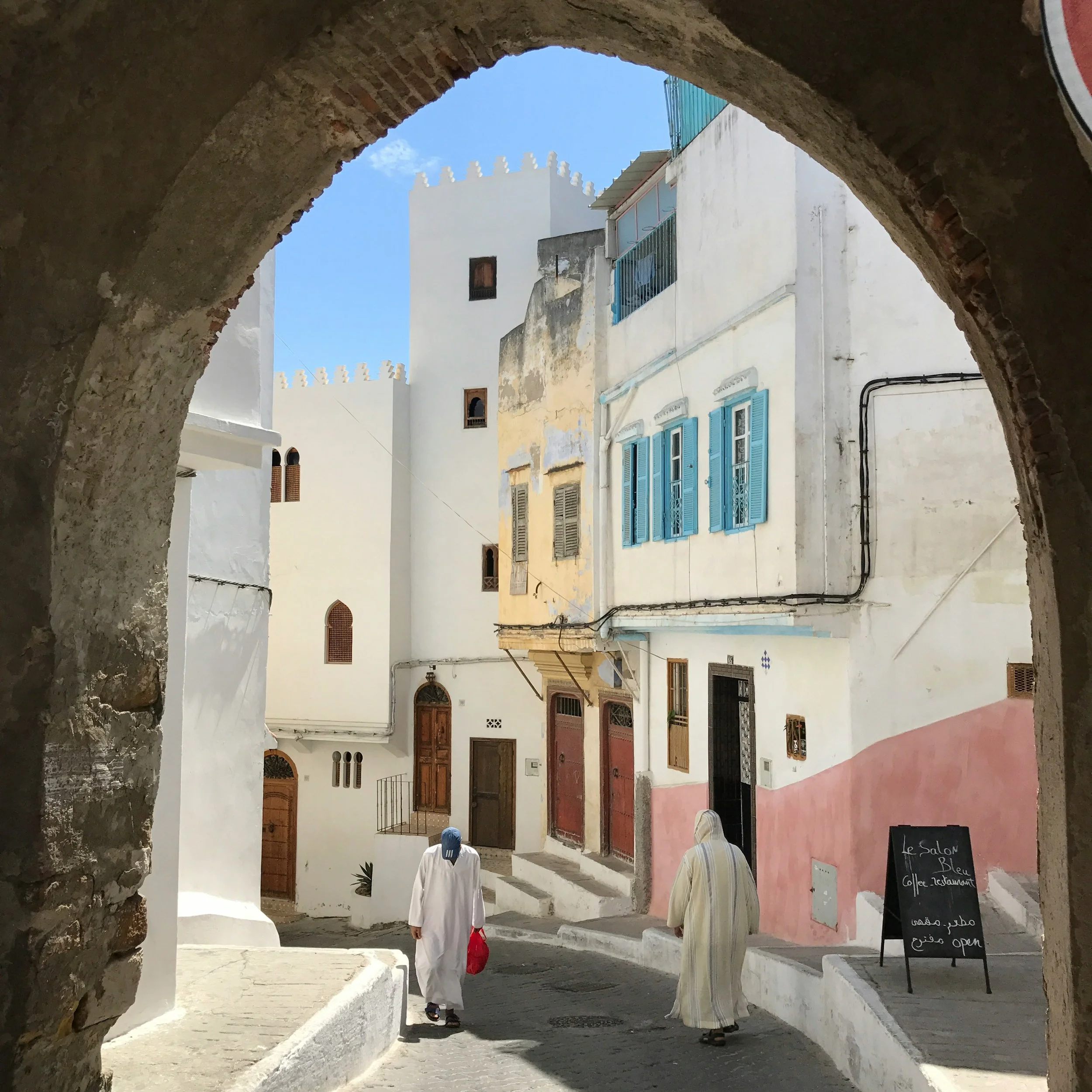
Tangier, the northern gateway of Morocco

Nestled at the northern tip of Morocco, Tangier serves as a captivating gateway between Europe and Africa. With its rich history, diverse culture, and stunning landscapes, this vibrant city has long drawn travelers, artists, and thinkers seeking inspiration or an escape from the ordinary.

Historically, Tangier has held a unique position due to its strategic location near the Strait of Gibraltar. This proximity made it a focal point for trade and cultural exchange across continents. The city has seen various influences throughout its history, from the Phoenicians to the Romans, and later, Arab and Spanish rule. Each of these cultures left an indelible mark, melding together in a mosaic that defines Tangier today.

Tangier by Andres Giusto

One of Tangier's most notable features is its old medina, a labyrinthine neighborhood teeming with narrow, winding streets, vibrant bazaars, and stunning architecture. Walking through the medina, one can admire the traditional whitewashed buildings adorned with colorful mosaics and intricate details that speak to centuries of craftsmanship. The souks offer a variety of goods, from spices and textiles to artisan crafts, providing a sensory feast for visitors. The medina is not only a market but a living museum where the essence of Moroccan culture thrives.

In addition to its historical significance, Tangier has become a hub for arts and literature. The city has attracted numerous writers and artists, including the likes of Paul Bowles and William S. Burroughs, who found solace and inspiration within its walls. Their romanticized tales of Tangier painted the city as a place of mystery and allure, attracting bohemian travelers throughout the mid-20th century. Today, the literary legacy continues, with many cafés and galleries celebrating this artistic heritage.

Moreover, Tangier boasts several landmarks that highlight its rich and complex history. The Kasbah, a fortress overlooking the harbor, offers panoramic views of the city and the Mediterranean Sea, and stands as a testament to Tangier’s significance as a defensive stronghold. Nearby, the American Legation Museum showcases the city's ties to U.S. history, representing the first American diplomatic mission abroad. This striking building is now home to a museum that tells the story of Moroccan-American relations and the influence of Tangier on American culture.

The natural beauty surrounding Tangier is equally enchanting. With its stunning beaches, such as Plage de Tangier and Achakkar Beach, visitors can bask in the sun and enjoy the warm Mediterranean climate. The nearby Caves of Hercules, steeped in legend, provide a glimpse into the ancient past, with beautiful rock formations and breathtaking ocean views. Moreover, the Rif Mountains serve as a majestic backdrop, inviting adventurers to explore their rugged terrain.

Tangier is more than just a city; it is a crossroads of cultures, a haven for creativity, and a treasure trove of history. Its enchanting streets, artistic spirit, and stunning landscapes make it a destination worthy of exploration. For those willing to wander through its medina or gaze out over the strait, Tangier promises a vibrant experience that will linger in the memory long after leaving its shores. Whether one seeks adventure, inspiration, or simply a taste of Moroccan hospitality, Tangier welcomes all with open arms.

Great National Parks XL: Maasai Mara

The Maasai Mara National Reserve, located in southwestern Kenya, is one of Africa's most renowned wildlife conservation areas. Spanning approximately 1,510 square kilometers, it is part of the larger Serengeti ecosystem, which extends into Tanzania. The reserve is named after the Maasai people, the indigenous inhabitants of the region, and the Mara River that flows through it. This area is not only known for its breathtaking landscapes but also for its rich biodiversity and significant cultural heritage.

One of the most captivating aspects of the Maasai Mara is its immense variety of wildlife. Home to the "Big Five"—lions, leopards, elephants, rhinoceroses, and Cape buffaloes—the reserve is a haven for animal lovers and wildlife enthusiasts. The annual wildebeest migration, where over a million wildebeests and hundreds of thousands of zebras travel from the Serengeti to the Maasai Mara in search of greener pastures, is a spectacular event witnessed between July and October. This migration draws visitors from around the world, eager to witness the dramatic river crossings, where these animals face the danger of crocodiles lurking beneath the surface of the Mara River.

Maasai Mara by Ahmed Galal

In addition to the migration, the Maasai Mara hosts a diverse array of ecosystems. From vast savannahs dotted with acacia trees to grasslands and riverine forests, each habitat supports unique flora and fauna. The reserve's varied landscape not only contributes to its ecological richness but also provides a stunning backdrop for photography and exploration. Visitors can embark on game drives, guided walking safaris, or hot air balloon rides, each offering a different perspective of this pristine environment.

Culturally, the Maasai people are integral to the identity of the Maasai Mara region. Renowned for their distinctive customs, vibrant dress, and the famous warrior tradition, the Maasai maintain a semi-nomadic lifestyle that revolves around cattle herding. Interaction with the Maasai offers visitors a glimpse into their traditions and way of life. Many lodges and camps in the area work in partnership with local communities, providing opportunities for cultural exchanges, such as visiting traditional villages and participating in local ceremonies.

Environmental conservation is crucial for preserving the beauty and wildlife of the Maasai Mara. The challenges posed by poaching, climate change, and human-wildlife conflict threaten the delicate balance of this ecosystem. Efforts by various organizations and the Kenyan government aim to protect the reserve and enhance sustainable tourism practices. Educating visitors about responsible tourism and the importance of conservation helps ensure that future generations can enjoy the marvels of the Maasai Mara.

The Maasai Mara has become a symbol of ecotourism in Africa, showcasing how wildlife conservation can go hand in hand with community well-being and economic development. Responsible tourism practices encourage visitors to respect wildlife habitats and support local communities, fostering a mutual bond between people and nature.

The Maasai Mara National Reserve stands out as a jewel in Kenya’s crown of natural wonders. With its spectacular wildlife, diverse ecosystems, rich cultural heritage, and ongoing conservation efforts, it is a destination that captivates the hearts of those who visit. Whether witnessing the thrill of the wildebeest migration, exploring the stunning landscapes, or engaging with the Maasai people, the Maasai Mara promises an unforgettable experience that underscores the beauty of nature and the importance of preserving it.

Eindhoven: The City of Innovation

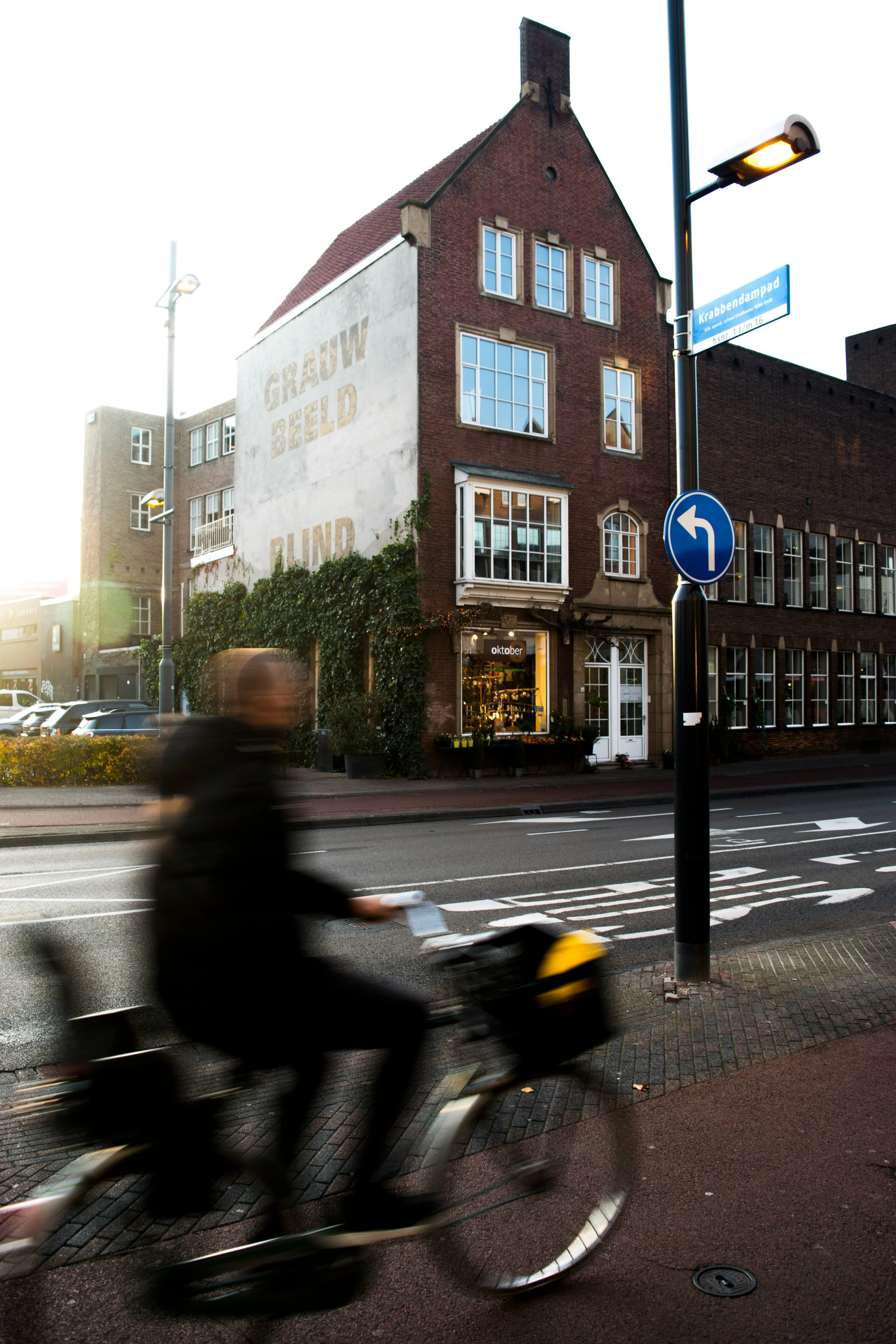
Eindhoven, a vibrant city situated in the southern part of the Netherlands, is often recognized as a hub of technology and design. With a rich history intertwined with industrial development, this dynamic city offers a unique blend of modern innovation, cultural heritage, and artistic expression.

Eindhoven by Fonsi Fernández

The roots of Eindhoven can be traced back to the late Middle Ages, but the city truly began to flourish during the 19th century with the establishment of the textile industry and the subsequent rise of electrical engineering, primarily due to the founding of Philips in 1891. This multinational conglomerate has transformed Eindhoven into a center for technological advancement. Today, the city is home to numerous research institutions, universities, and high-tech companies, making it an attractive destination for professionals and students alike.

One of the most notable aspects of Eindhoven is its commitment to design and innovation. The annual Dutch Design Week, the largest design event in Northern Europe, showcases the work of emerging designers and seasoned professionals alike. Throughout the city, creative spaces such as the Strijp-S district — once the site of the Philips factories — have been revitalized into a hub for art, culture, and experimentation. This area features studios, galleries, and cafes, creating a lively atmosphere where creativity thrives. Visitors can explore the creations of local artists, attend workshops, or simply enjoy the ambiance of this innovative district.

Eindhoven also boasts several significant cultural attractions. The Van Abbemuseum, dedicated to contemporary art, is a highlight for those interested in modern artistic movements. The museum houses impressive collections, featuring works by renowned artists such as Picasso and Kandinsky, as well as significant pieces from emerging talent. The city's commitment to art extends beyond traditional practices, as street art and public installations pepper the urban landscape, reflecting the city’s vibrant culture.

Nature lovers can find solace in Eindhoven's green spaces. The Stadswandelpark is a beautiful park that provides a perfect escape from the hustle and bustle of everyday life. Visitors can enjoy leisurely walks, picnics, or simply relax by the water's edge. Additionally, the nearby Genneper Parken offers extensive trails, historical sites, and even a swimming lake, making it an ideal spot for outdoor activities.

Eindhoven is also known for its lively culinary scene. The city is dotted with a variety of eateries, ranging from trendy cafes to gourmet restaurants. Local markets, such as the weekly market at the Markt, provide an opportunity to indulge in Dutch delicacies and international cuisine. Here, one can savor local cheeses, fresh produce, and delightful pastries, giving visitors a taste of the region's flavors.

As a city constantly evolving, Eindhoven represents the perfect blend of tradition and innovation. Its transformation from an industrial town to a modern metropolis speaks volumes about its resilience and adaptability. Whether you are drawn to its rich historical roots, cutting-edge design, or the lively atmosphere of its streets, Eindhoven has something to offer everyone.

Eindhoven stands out as a city filled with opportunities for exploration and discovery. With its fascinating blend of technology, art, and nature, it is a destination that shouldn't be overlooked. For those who embrace creativity and innovation or simply seek a unique experience, Eindhoven is a city that promises to inspire and engage.

Almaty: Kazakhstan’s Mountain Metropolis

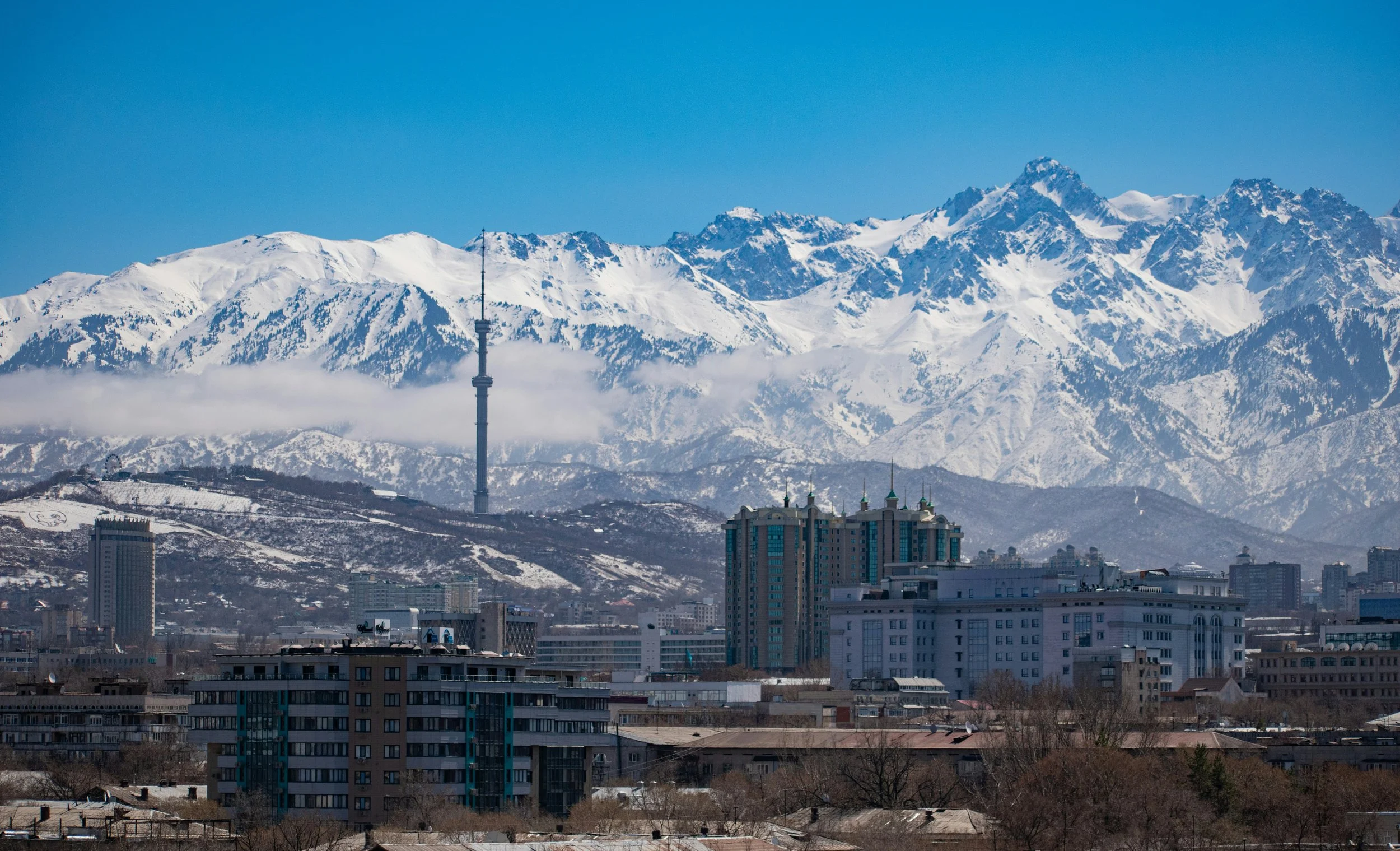
Almaty, the largest city in Kazakhstan, is a vibrant and dynamic metropolis nestled at the foothills of the majestic Tian Shan mountains. With its rich history, diverse culture, and stunning natural surroundings, Almaty offers an enticing blend of urban sophistication and breathtaking landscapes that cater to travelers and locals alike.

One of the most notable aspects of Almaty is its historical significance. Founded in the 19th century as a military outpost, the city has evolved into a modern hub that reflects the traditions and influences of various cultures. The remnants of its Soviet past are evident in the architecture, with wide boulevards and monumental buildings that tell the story of a time gone by. Yet, alongside this, one can find elements from Kazakh traditions, seen in the ornate designs of the Central State Museum and the vibrant colors of the Zenkov Cathedral, which is constructed entirely of wood without the use of nails.

Almaty by Ilyas Dautov

As visitors explore the city, they will quickly realize that Almaty is not just about history; it is also a center for arts and culture. The city boasts numerous theaters, galleries, and museums that showcase the talents of local artists and performers. The Abai Opera House, for instance, is a cornerstone of the cultural scene, hosting a range of performances from opera to ballet. Additionally, events like the Almaty International Film Festival highlight the city’s commitment to nurturing and promoting the arts.

The natural beauty surrounding Almaty adds another layer to its allure. With the Tian Shan mountains as a stunning backdrop, outdoor enthusiasts are never far from adventure. Just a short drive from the city center lies Medeu, a high-altitude ice skating rink that draws both skaters and spectators alike. For hikers and trekkers, the nearby Big Almaty Lake presents a serene escape, where turquoise waters reflect the towering peaks. The natural parks surrounding the city offer endless opportunities for outdoor activities, including skiing in the winter months and hiking or mountain biking in the warmer seasons.

No exploration of Almaty is complete without diving into its culinary scene. The city is a melting pot of flavors, reflecting its diverse population. Traditional Kazakh cuisine features mouthwatering dishes such as beshbarmak, a hearty meat dish served over noodles, and plov, a fragrant rice dish often cooked with lamb. Markets like the Green Bazaar provide an immersive experience, where the sights, sounds, and smells of fresh produce, spices, and local delicacies create a feast for the senses. Visitors can mingle with locals and savor unique treats, such as baursaks (fried dough) and kazy (horse meat sausage), showcasing the rich gastronomic heritage of the region.

In recent years, Almaty has also made strides in becoming a modern city, with contemporary shopping malls, trendy cafes, and a burgeoning nightlife scene. The Esentai Mall offers a vast array of international brands, while local shops feature unique handcrafted items perfect for souvenirs. Cafés line the streets, providing cozy spots to soak up the ambiance of the city while sipping on traditional tea or enjoying a piece of baklava.

Almaty is a city that captivates its visitors with its unique blend of history, culture, and nature. Whether it’s wandering through its bustling markets, exploring the majestic mountains, or indulging in its diverse cuisine, there is something for everyone to enjoy. This vibrant metropolis is a testament to Kazakhstan’s rich heritage and its journey towards modernity, making it a city worth exploring for any traveler seeking adventure and cultural enrichment.

Indianapolis: The Crossroads of America

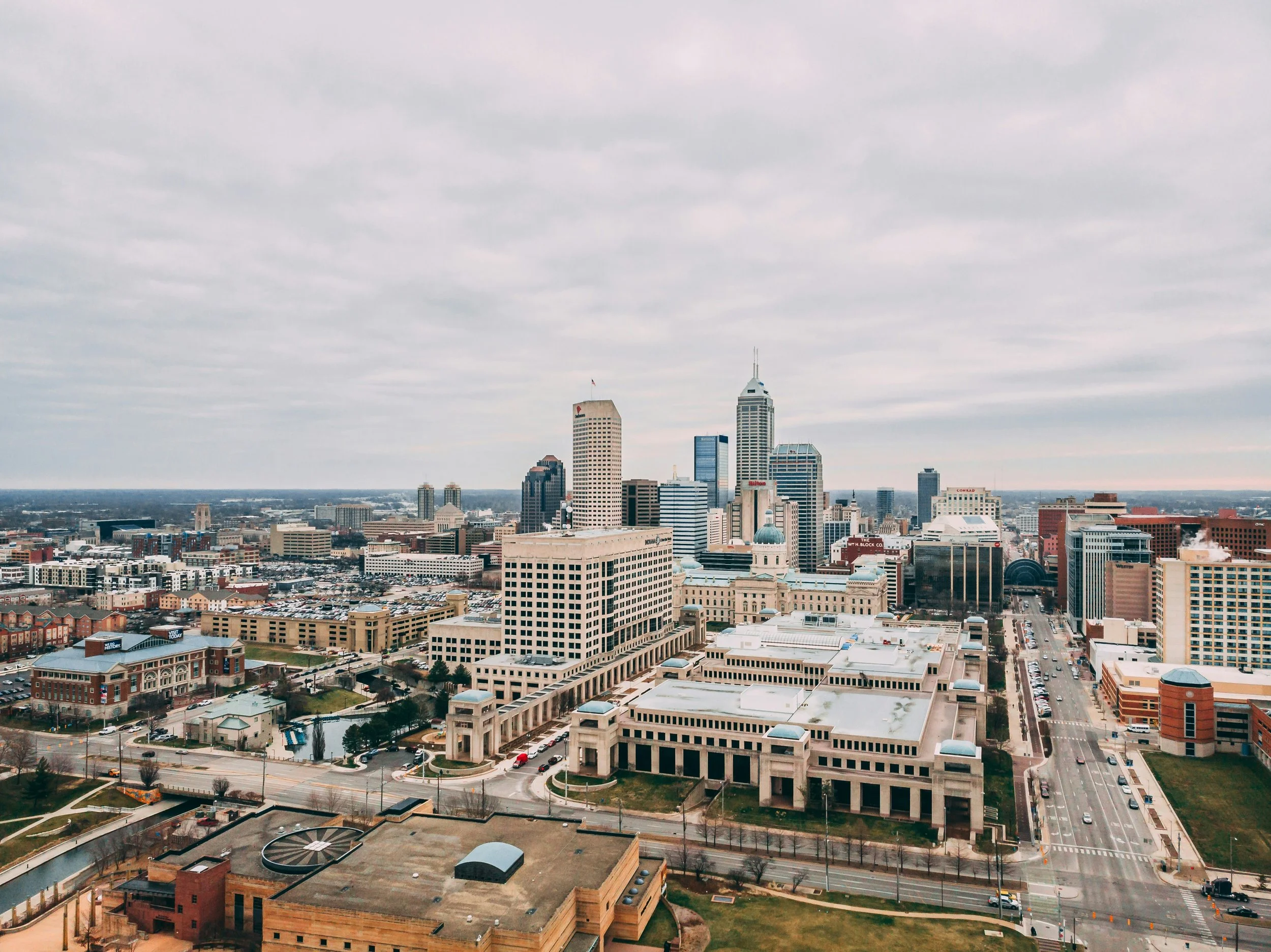
Indianapolis, the vibrant capital city of Indiana, is a captivating destination that seamlessly blends rich history, cultural diversity, and modern amenities. With its dynamic downtown, historical landmarks, and beautiful parks, Indianapolis offers an abundance of activities and attractions that appeal to both residents and visitors alike.

One of the most significant aspects of Indianapolis is its commitment to sports. Known as the "Racing Capital of the World," the city hosts the iconic Indianapolis 500, an annual automobile race that draws thousands of spectators from around the globe. The Indianapolis Motor Speedway, home to this prestigious event, is a must-visit for any sports enthusiast. Beyond racing, Indianapolis is also home to several major professional sports teams, including the Indianapolis Colts (NFL) and the Indiana Pacers (NBA). The energy during game days is palpable, adding to the city's lively atmosphere.

Indianapolis by Ryan De Hamer

Indianapolis is also rich in cultural experiences, with a flourishing arts scene and numerous museums. The Indianapolis Museum of Art, situated on a sprawling campus, showcases an extensive collection of over 54,000 works, ranging from ancient artifacts to contemporary art. Additionally, the Children’s Museum of Indianapolis, the largest of its kind in the world, offers interactive exhibits that educate and entertain young minds. The museum’s focus on learning through play makes it a popular destination for families.

Walking through the heart of downtown Indianapolis, visitors will find themselves surrounded by impressive architecture, including the State Capitol building and the Soldiers and Sailors Monument, which stands proudly at the center of Monument Circle. The monument is a tribute to Indiana's veterans and hosts a variety of events throughout the year, including concerts and festivals. Nearby, the bustling Wholesale District features shops, restaurants, and theaters, ensuring there is never a shortage of entertainment.

Nature lovers will appreciate the city’s dedication to green spaces. The Indianapolis Parks and Recreation Department manages over 11,000 acres of parkland, offering numerous opportunities for outdoor recreation. Particularly noteworthy is White River State Park, which is not only home to scenic trails, gardens, and riverside views but also houses several cultural attractions, including the Indianapolis Zoo and the Eiteljorg Museum of American Indians and Western Art. These venues highlight the importance of preserving nature and culture while providing fun activities for all ages.

Moreover, Indianapolis celebrates its diverse culinary scene, reflecting the city’s melting pot of cultures. From trendy farm-to-table restaurants to classic diners serving Hoosier favorites, there is something to satisfy every palate. The food culture is particularly vibrant in neighborhoods such as Fountain Square and Broad Ripple, where diners can explore a range of global cuisines.

In addition, Indianapolis hosts several annual festivals that emphasize community spirit and local culture. Events like the Indiana State Fair showcase agricultural achievements, arts, and cuisine, bringing together people from all walks of life. The city’s lively music scene is exemplified by events such as the Indy Jazz Fest, which attracts talented musicians and jazz enthusiasts from afar.

Indianapolis is a city that offers a rich tapestry of experiences for everyone. Its blend of sports, arts, nature, and culinary delights, combined with a warm and welcoming community, makes it a compelling place to visit or call home. Whether you are attending a thrilling race, exploring a museum, or savoring the local flavors, Indianapolis promises to leave a lasting impression.

Great National Parks XXXIX: Lençóis Maranhenses

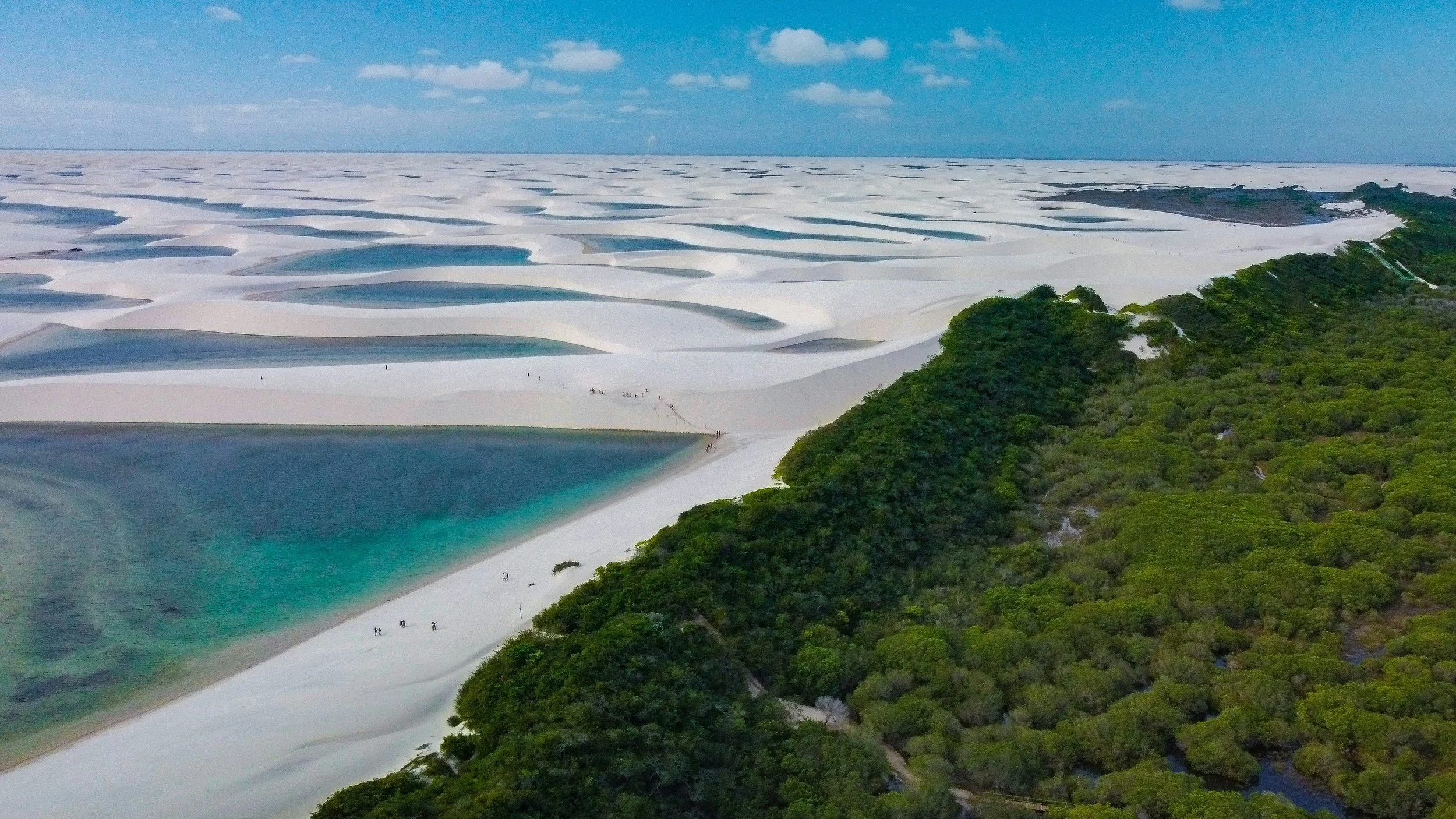
Lençóis Maranhenses National Park, located in the northeastern region of Brazil, is a spectacular national park that captivates visitors with its unique landscape of sweeping dunes and seasonal lagoons. Spanning over 155,000 hectares, this natural wonder showcases nature's artistry, alluring tourists with its breathtaking views, rich biodiversity, and the serene beauty of its crystal-clear waters. Exploring Lençóis Maranhenses is not just an adventure; it’s an immersive experience into one of the most remarkable ecosystems on the planet.

The striking feature of Lençóis Maranhenses National Park is its vast expanse of white sand dunes that stretch as far as the eye can see. Created by the interplay of wind and rain, these dunes rise up to 40 meters high and continually shift, creating a dynamic landscape that is perpetually changing. The best time to visit is from May to September, when the lagoons fill with rainwater, creating stunning contrasts between the azure waters and the bright sands. These ephemeral lagoons, such as Lagoa Bonita and Lagoa Azul, invite visitors to swim and relax in their pristine waters, making the park a true oasis in the arid northeast.

Lençóis Maranhenses National Park by Léo Castro

While the visual appeal of Lençóis Maranhenses National Park is undeniable, the ecological diversity found within its borders adds another layer of intrigue. The park is home to numerous species of flora and fauna, many of which are endemic to the region. Different areas of the park exhibit distinct ecosystems, ranging from the lush vegetation around the lagoons to the arid landscapes dominated by shifting sand. Birdwatchers, in particular, find delight in observing the various species that thrive here, including the striking scarlet ibis and the majestic greater rhea.

For those seeking adventure, Lençóis Maranhenses National Park offers a plethora of activities. Guided tours are widely available, providing insights into the geography and history of the region. Hiking across the dunes leads to breathtaking viewpoints where travelers can witness stunning sunsets that paint the sky in hues of orange and pink. For the more adventurous at heart, dune buggy rides offer an exhilarating way to explore the park’s vastness, racing over and through the undulating sands.

Culturally, Lençóis Maranhenses National Park holds significance for the local communities. The nearby fishing villages, such as Barreirinhas and Atins, showcase the traditional lifestyles of the people who have lived in harmony with this remarkable environment. Visitors have the opportunity to engage with local cuisine and crafts, experiencing the warm hospitality and vibrant culture that define this part of Brazil. The region’s culinary specialties, including fresh seafood and traditional dishes made with locally sourced ingredients, provide a delightful gastronomic experience.

Overall, exploring Lençóis Maranhenses National Park is a journey into a land of extraordinary beauty and ecological richness. Its stunning dunes and shimmering lagoons create a surreal landscape that enthralls all who visit. Coupled with the cultural experiences offered by nearby communities, a trip to this national park is not only an escape into nature but also an enriching encounter with Brazilian heritage. As the sun sets over the horizon, painting the sky in brilliant colors, one cannot help but feel a profound connection to this enchanting piece of the world, evoking a sense of wonder that lingers long after leaving its shores.

WhatsApp Chat